Seeing Cockroaches Duringthe Day? Here’sWhat It Means
Seeing Cockroaches During the Day? Heres What It Means — spotting cockroaches during the day is rarely a good sign. Cockroaches are nocturnal by nature, so...
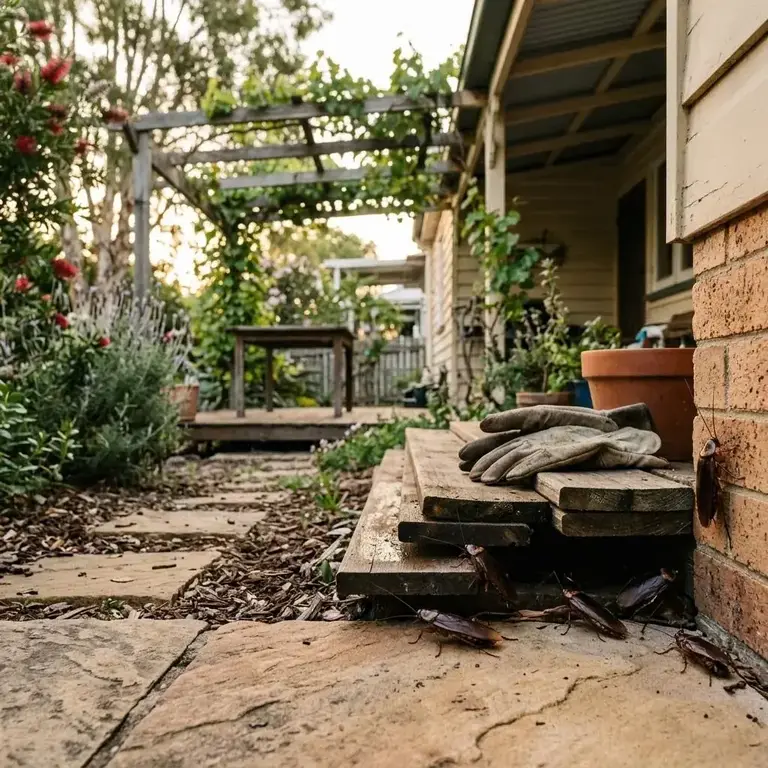
Spotting a cockroach scuttling across your kitchen floor in broad daylight is rarely a one-off oddity — it’s a red flag. Cockroaches are nocturnal by nature, so daytime activity usually means the colony has grown so large that overcrowding is forcing roaches out of hiding, or their harbourage has been disturbed. One “o” moment of surprise can quickly turn into a full-blown infestation if you shrug it off.
In short: seeing cockroaches during the day is a warning sign of an established infestation, where population pressure or disturbance pushes normally hidden roaches into the open. This guide explains why it happens, which Australian species are the likely culprits, what it costs to fix, and when to call in professional pest control.
- Daytime cockroach sightings usually indicate a large, overcrowded colony — for every roach you see, dozens more are likely hiding nearby.
- German cockroaches are the most common cause of daytime activity in Australian kitchens and bathrooms, and they resist many DIY sprays.
- Repellent hardware-store sprays often scatter the colony rather than kill it, making the problem worse.
- Cockroaches spread Salmonella and E. coli and trigger asthma, so fast action is a health measure, not just a comfort one.
- Professional treatment with APVMA-approved gel baits typically costs $180–$450 for a standard Australian home.
Why Seeing Cockroaches During the Day Matters in Australia
Daytime cockroach activity matters more in Australia than in cooler countries because our climate lets populations explode year-round. The warm, humid conditions typical across Queensland and New South Wales through spring and summer are ideal breeding weather, and even southern states see surges during heatwaves.
Housing style plays a big role too. Older Queenslanders and weatherboard homes have gaps around stumps, verandahs and timber cladding that give roaches easy entry. Brick-veneer homes on concrete slabs often harbour cockroaches in weep holes and wall cavities, while homes with suspended subfloors provide cool, damp voids that larger species love. Renovations, shifting appliances, or blasting the kitchen with a repellent spray can flush cockroaches into the open at any hour — if daytime activity spiked after you sprayed, that’s usually why.
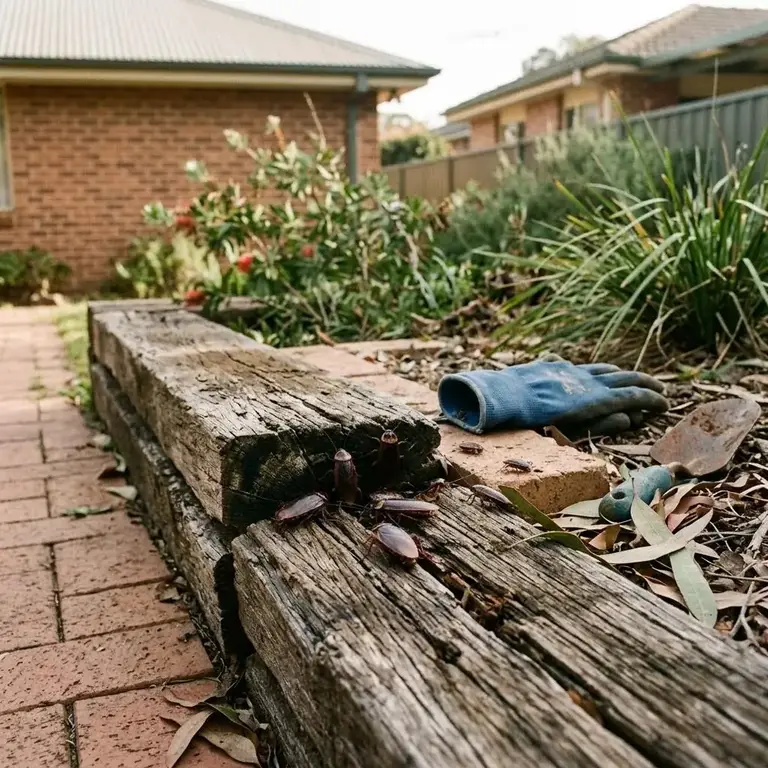
The species matters as well. The small, tan German cockroach (Blattella germanica) lives almost exclusively indoors and is the main culprit behind daytime sightings. The reddish-brown Australian cockroach (Periplaneta australasiae) prefers gardens, sheds and subfloors but moves indoors during hot, wet summer weather, while American cockroaches and smokybrowns favour drains, sewers and roof voids, driven inside by heavy rain or extreme heat — think a Brisbane summer storm or a Perth heatwave.
Warning Signs Your Daytime Sighting Means an Infestation
A single lost roach after a storm isn’t necessarily a crisis — but the signs below strongly suggest an established colony. Use this checklist to judge how serious the situation is, and cross-reference our guide to the 7 signs of a cockroach infestation you shouldn’t ignore for a fuller picture.
- Repeated daytime sightings: one roach in daylight may be a wanderer; several over a week almost always means overcrowding in the harbourage.
- Small roaches in the kitchen: tiny tan nymphs near the kettle, toaster or dishwasher point to a breeding German cockroach colony.
- Droppings and smear marks: black pepper-like specks in drawers, cupboards and along benchtop edges, or brown smears in humid corners.
- Egg cases (oothecae): brown, pill-shaped capsules tucked behind appliances or inside pantry shelves — each German cockroach case holds 30 to 40 nymphs.
- Musty, oily odour: a persistent unpleasant smell in the kitchen or bathroom indicates a heavy, long-standing population.
- Shed skins: papery brown casings near hiding spots show nymphs are maturing — the colony is actively breeding.
- Activity after spraying: a spike in visible roaches after using a DIY spray means you’ve scattered, not solved, the problem.
DIY vs Professional Cockroach Treatment: What Actually Works
DIY products can slow a small problem down, but they rarely eliminate an established colony — German cockroaches have developed resistance to many over-the-counter insecticides. Professional pest control uses APVMA-approved gel baits and insect growth regulators that target the whole colony and break the breeding cycle.
| Factor | DIY approach | Licensed professional |
|---|---|---|
| Products used | Repellent aerosol sprays, bombs, basic traps | APVMA-approved gel baits, insect growth regulators, residual dusts |
| Effect on colony | Often scatters roaches into new harbourages | Baits carried back to the nest kill the colony at its source |
| Resistance issues | High — German cockroaches resist many retail sprays | Managed — technicians rotate actives and use non-repellent formulations |
| Breeding cycle | Usually unbroken — egg cases survive and hatch | Broken — growth regulators stop nymphs maturing |
| Best for | One-off sightings, prevention, monitoring | Daytime activity, German cockroaches, recurring problems |
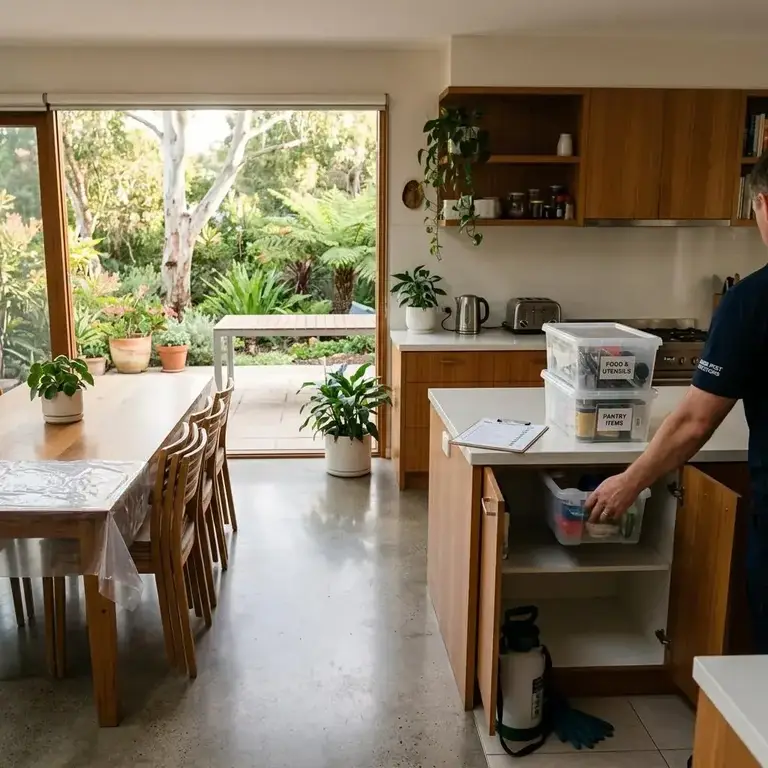
While you arrange treatment, cut off what the colony needs: store pantry items in sealed containers, never leave pet food out overnight, fix dripping taps, wipe sinks dry before bed, seal gaps around pipes and skirting boards with silicone, recycle cardboard clutter, and place sticky traps behind the fridge and under the sink to monitor hot spots.
Cockroach Treatment Costs in Australia (2025–26)
Across the Australian pest control industry, professional cockroach treatment generally runs between $150 and $600, depending on the species, severity and property size. German cockroach infestations sit at the higher end of the market because they usually need gel baiting plus a follow-up visit.
| Service | Typical market rate (AUD) | What’s included/notes |
|---|---|---|
| General cockroach spray treatment | $150–$280 | Internal/external residual spray for large outdoor species; suits most standard homes |
| German cockroach gel bait program | $250–$450 | Targeted gel baits and insect growth regulators in kitchens and bathrooms |
| Follow-up visit | $90–$180 | Re-baiting and monitoring for heavy infestations, typically 2–4 weeks later |
| Severe/commercial infestation | $450–$600+ | Multi-visit programs for large homes, units with shared walls or food premises |
These are broad industry figures, and rates vary by state, access and property size — the market rate for treating a compact brick-veneer unit is lower than what operators generally charge for a sprawling Queenslander with a subfloor. Our Cockroach Control & Treatment service starts with an inspection so you get an exact quote, not a guess.
It’s worth knowing that Aussie Pest Strike typically comes in well under these typical market rates — we keep our pricing lean without cutting corners on treatment quality. For an exact quote tailored to your property and infestation, give us a call on [aps_phone] today.
Seasonal Cockroach Activity Across Australia
Cockroach activity in Australia peaks from late spring through summer and dips in winter, though German cockroaches stay active indoors year-round. Expect the biggest surge in sightings between November and February, when heat and humidity supercharge breeding.
Jan
Feb
Mar
Apr
May
Jun
Jul
Aug
Sep
Oct
Nov
Dec
Typical relative cockroach activity across Australia: activity climbs from September, peaks December–February, and falls away through the cooler months. Summer storms can trigger sudden indoor sightings at any hour.
When a customer tells me they’re seeing roaches during the day, I know we’re not dealing with a handful — we’re dealing with a colony that’s run out of room. The worst cases I see are homes where someone’s hit them with a repellent spray and just pushed them deeper into the walls. Get the baiting done properly and you break the cycle in weeks, not months.
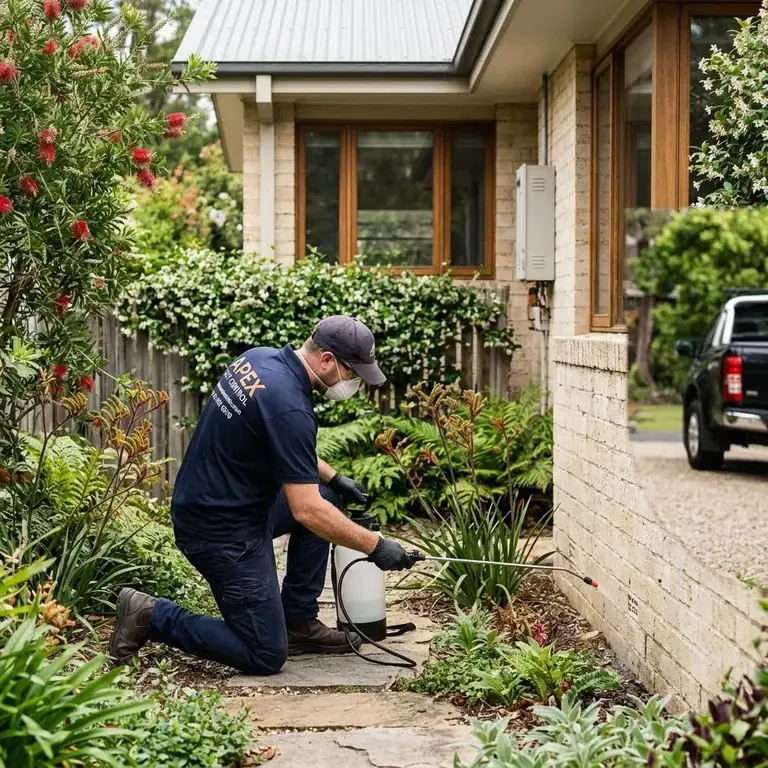
If you’ve seen cockroaches during the day more than once, skip the aerosol can and book a professional inspection. A licensed technician — licensed through state regulators such as the NSW EPA or Queensland Health — will identify the species, locate the harbourage and apply APVMA-approved gel baits and growth regulators that eliminate the colony at its source. Chemical treatments should always be applied by a licensed pest management technician, following label directions.
Frequently Asked Questions
What does it mean if I see a cockroach during the day?
Cockroaches are nocturnal, so daytime sightings usually signal an established infestation. A large, overcrowded colony forces roaches out of hiding, or their harbourage has been disturbed by renovations, moving appliances or DIY spraying. For every roach you see in daylight, dozens more are likely hiding nearby, so treat the sighting as a warning sign rather than a one-off oddity.
Which cockroach species is most often seen during the day in Australian homes?
The small, tan German cockroach (Blattella germanica) lives almost exclusively indoors and is the main culprit behind daytime sightings in Australian kitchens and bathrooms. The reddish-brown Australian cockroach prefers gardens, sheds and subfloors but moves indoors during hot, wet summer weather, while American cockroaches and smokybrowns favour drains, sewers and roof voids and are driven inside by heavy rain or extreme heat.
Why are repellent sprays from the hardware store a bad idea for daytime cockroach activity?
Repellent aerosol sprays often scatter the colony into new harbourages rather than killing it, which can make the problem worse. If you notice a spike in visible roaches after spraying, you have pushed them deeper into walls instead of solving anything. German cockroaches have also developed resistance to many over-the-counter insecticides, so retail sprays rarely eliminate an established colony.
What warning signs suggest my daytime sighting means an infestation?
Repeated sightings over a week, tiny tan nymphs near the kettle or dishwasher, black pepper-like droppings in drawers and cupboards, brown pill-shaped egg cases holding 30 to 40 nymphs, a persistent musty oily odour, shed skins near hiding spots, and increased activity after spraying all point to an established colony actively breeding in your home.
How do professionals treat cockroaches differently to DIY methods?
Licensed technicians use APVMA-approved gel baits and insect growth regulators that roaches carry back to the nest, killing the colony at its source and breaking the breeding cycle. They also rotate actives and use non-repellent formulations to manage resistance. DIY sprays and bombs typically scatter roaches, leave egg cases viable, and fail to stop nymphs maturing.
Why does Australian housing style affect cockroach problems?
Older Queenslanders and weatherboard homes have gaps around stumps, verandahs and timber cladding that give roaches easy entry. Brick-veneer homes on concrete slabs often harbour cockroaches in weep holes and wall cavities, while homes with suspended subfloors provide cool, damp voids that larger species love. Australia's warm climate also lets populations breed year-round, peaking between November and February.
Are daytime cockroaches a health risk?
Yes. Cockroaches spread Salmonella and E. coli and their presence can trigger asthma, so acting quickly on daytime sightings is a health measure, not just a comfort one. A persistent musty, oily odour in the kitchen or bathroom indicates a heavy, long-standing population, which increases contamination risk on benchtops, pantry items and food preparation surfaces.
What should I do while waiting for professional treatment?
Cut off what the colony needs: store pantry items in sealed containers, never leave pet food out overnight, fix dripping taps, wipe sinks dry before bed, seal gaps around pipes and skirting boards with silicone, recycle cardboard clutter, and place sticky traps behind the fridge and under the sink to monitor hot spots until treatment begins.
Can Aussie Pest Strike tell whether I have cockroaches or a similar pest problem?
Yes. Aussie Pest Strike starts with an inspection so a technician can identify the species involved, because small tan German cockroach nymphs, beetle larvae and other insects are easily confused by homeowners. Correct identification matters, since treatment differs between species — gel baiting programs target German cockroaches specifically, while large outdoor species respond better to residual sprays around the home's exterior.
What is the best next step after seeing cockroaches during the day more than once?
Skip the aerosol can and book a professional inspection with Aussie Pest Strike. A licensed technician will identify the species, locate the harbourage and apply APVMA-approved gel baits and growth regulators that eliminate the colony at its source, breaking the breeding cycle in weeks rather than months. You will receive an exact quote based on your property and infestation severity.
Sources & further reading
Found Something
Dangerous?
Don’t touch it. Don’t spray it. Keep kids and pets clear, take a photo from a safe distance, and call us — or book a free inspection and we’ll come to you.
02 7235 0050