American Cockroaches inAustralia: IDand Control Guide
American cockroaches in Australia — ID the 40mm sewer roach, understand why they invade after rain, and how to control them. Free inspection available.
The american cockroach is Australia’s largest common pest roach — a glossy reddish-brown insect up to 40 mm long that most of us know as a “sewer roach” or “water bug”. Found in homes right across the country, it lives mainly in drains, grease traps and subfloors, and usually enters buildings from outside when conditions push it indoors.
Because this species nests outside the living areas, controlling it takes a different approach to tackling German cockroaches. Effective control means sealing entry points, treating outdoor and sub-surface harbourage, and eliminating the moisture that sustains it. This guide covers identification, warning signs, DIY versus professional pest control options, realistic costs and seasonal activity, so you can deal with the problem properly the first time.
- The american cockroach (Periplaneta americana) reaches 35–40 mm and is glossy reddish-brown with a pale figure-8 marking behind the head.
- It lives mainly in drains, sewers, grease traps, subfloors and mulch, entering homes from outside — especially after heavy rain or during humid summer weather.
- Each egg case holds around 14–16 eggs and females can live beyond a year, so a few roaches indoors often signals a larger hidden population.
- Exclusion (drain covers, sealed gaps, screens) plus moisture control is the foundation; professional treatment of drains, subfloors and perimeters is usually needed for established infestations.
- Typical professional cockroach treatment in Australia costs roughly $180–$450 AUD depending on property size and severity.
Why the American Cockroach Is a Problem Across Australia
The american cockroach matters in Australia because our warm, humid climate — particularly in Queensland, northern New South Wales and the Top End — provides near-ideal breeding conditions year-round. It is now well established across the country, despite having originated in Africa and spread worldwide through trade.
Housing style plays a big role. Older Queenslanders on stumps, brick veneer homes with subfloor voids, and even slab-on-ground builds with ageing drainage all offer the dark, damp harbourage this species prefers. Brisbane, the Gold Coast, Sydney’s older suburbs and coastal regional towns see regular activity, especially during the December–February wet season when drains flood and roaches are pushed indoors. They also pose a genuine hygiene risk: travelling through sewers and grease traps, they can transfer bacteria onto food preparation surfaces.
How to Identify an American Cockroach
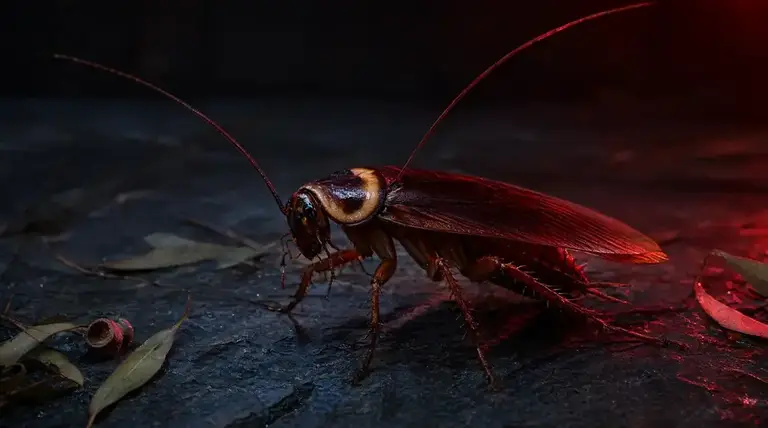
You can identify an american cockroach by its large size (35–40 mm — roughly three times a German cockroach), glossy reddish-brown colour, and a pale yellowish figure-8 marking on the shield behind the head. Adults have fully developed wings and can glide short distances in hot weather.
Size alone usually separates it from the small, striped German cockroach, which is a very different problem indoors. For a closer look at why that species behaves differently, read our article on German cockroach infestations and why they’re so hard to kill. Getting the species right matters, because treatment that works on one often fails on the other.
Warning Signs of an American Cockroach Problem
The clearest warning sign is seeing large reddish-brown roaches emerging from drains, subfloor vents or around the perimeter of your home, particularly at night or after rain. Because this species breeds out of sight, visible adults usually mean a bigger population nearby.
- Large dark droppings — cylindrical, blunt-ended pellets found in subfloors, garages, laundries and behind appliances.
- Musty odour — a lingering oily smell in enclosed spaces such as cupboards, roof voids and under sinks.
- Egg cases (oothecae) — dark brown capsules, around 8 mm long, hidden near moist harbourage areas.
- Night-time sightings — roaches scattering when you switch on lights in kitchens, bathrooms or laundries.
- Post-rain invasions — sudden indoor activity after heavy rain flooding drains and subfloors.
- Smear marks — dark streaks along walls, pipe penetrations and floor edges where roaches travel.
For the full checklist, see our guide to the 7 signs of a cockroach infestation you shouldn’t ignore.
DIY vs Professional Cockroach Control
DIY measures — drain covers, sealing gaps, reducing moisture — are essential prevention, but they rarely eliminate an established population breeding in drains and subfloors. Professional treatment reaches the harbourage driving the problem, using residual products, targeted baits and void dusting applied by licensed technicians. Here’s how the two approaches compare:
| Factor | DIY approach | Professional treatment |
|---|---|---|
| Reach | Surface areas and accessible entry points only | Drains, subfloors, roof voids, wall voids and full perimeter |
| Products | Supermarket sprays and baits, short residual life | Professional-grade residuals, gel baits and dusts |
| Cost | $20–$80 in products, often repeated | $180–$450 typical, with service warranty |
| Outcome | Reduces sightings; source usually survives | Targets breeding harbourage for lasting control |
If roaches keep reappearing despite your efforts, our article on why cockroaches keep coming back (and how to end it) explains the common causes. Chemical treatments should always be handled by a licensed pest control technician in line with APVMA-approved label directions.
How Much Does American Cockroach Treatment Cost in Australia?
Across the Australian pest control industry, a standard residential cockroach treatment generally runs between $180 and $450 AUD, with larger homes or severe infestations sitting at the higher end of the market. What operators typically charge varies with property size, access to subfloors and roof voids, and whether follow-up visits are needed.
| Service | Typical cost (AUD) | What’s included/notes |
|---|---|---|
| Standard cockroach treatment | $180–$280 | Internal and perimeter residual spray, gel baiting of key areas |
| Severe infestation treatment | $280–$450 | Adds drain, subfloor and roof void treatment; may include void dusting |
| Follow-up visit | $100–$180 | Re-treatment or monitoring, usually 2–4 weeks later |
| Ongoing prevention plan | $250–$500 per year | Scheduled visits for high-pressure properties near drains or commercial kitchens |
These figures reflect typical Australian market rates — what the industry generally charges rather than any single company’s pricing. Full details of what’s covered are on our Cockroach Control & Treatment page.
It’s worth knowing that Aussie Pest Strike typically comes in well under these market rates, without cutting corners on treatment quality. For an exact quote tailored to your property, give us a call on [aps_phone] today.
Seasonal American Cockroach Activity in Australia
American cockroach activity peaks during Australia’s hot, humid summer from December to February, when breeding accelerates and heavy rain flushes roaches out of drains and subfloors. Activity drops through the cooler months but never fully stops in warmer states.
Jan
Feb
Mar
Apr
May
Jun
Jul
Aug
Sep
Oct
Nov
Dec
Typical activity pattern across Australia: a strong summer peak (December–March) when heat, humidity and storm rain drive roaches indoors, tapering through winter, then building again from spring. Northern regions maintain higher year-round activity.
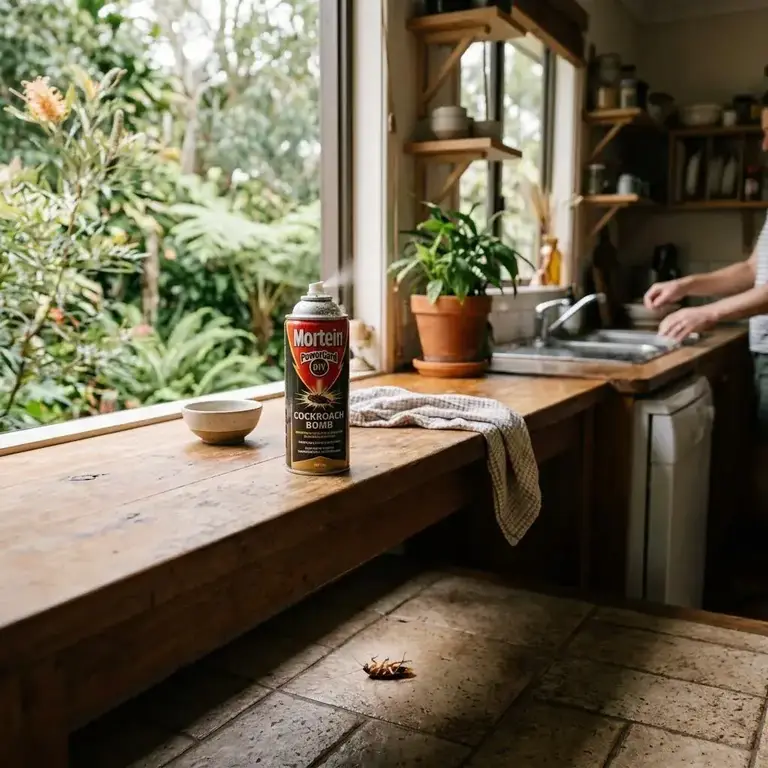
Nine times out of ten, the roaches you see in the kitchen aren’t nesting there — they’re coming up from a drain or in from the subfloor. Spraying the benchtop does nothing. Treat the harbourage, seal the entry points, and the problem actually ends.
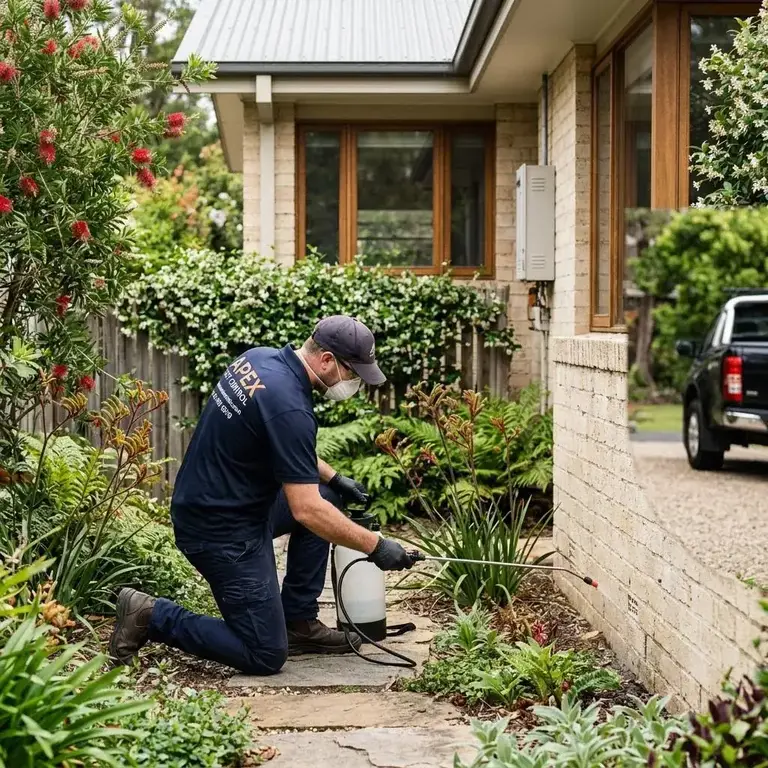
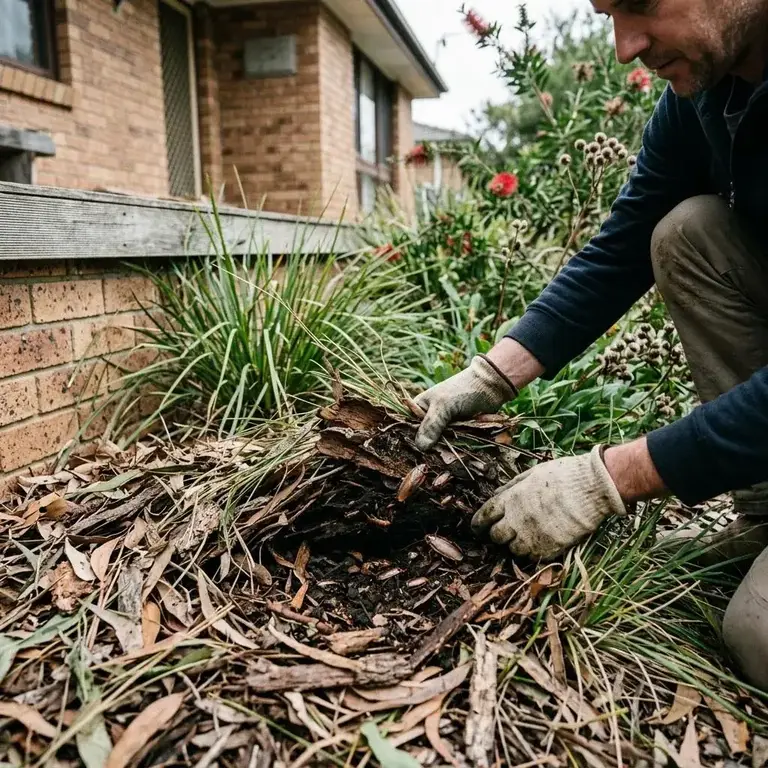
Start with exclusion and moisture control: fit drain and floor-waste covers, seal gaps around pipe penetrations and door thresholds, fix leaks and clear mulch away from walls. If you’re still seeing roaches after two to three weeks — or you’re finding them regularly after rain — book a professional treatment that targets drains, subfloors and the perimeter. That combination is what delivers lasting control, not repeated surface spraying.
Frequently Asked Questions
How big is an American cockroach and how do I identify it?
The American cockroach (Periplaneta americana) is Australia's largest common pest roach, reaching 35–40 mm — roughly three times the size of a German cockroach. It has a glossy reddish-brown body and a pale yellowish figure-8 marking on the shield behind its head. Adults have fully developed wings and can glide short distances in hot weather.
Where do American cockroaches live and how do they get inside homes?
American cockroaches live mainly in drains, sewers, grease traps, subfloors and mulch, nesting outside your living areas. They usually enter buildings from outside when conditions push them indoors, especially after heavy rain floods drains or during hot, humid summer weather. Older Queenslanders on stumps, brick veneer homes with subfloor voids and slab builds with ageing drainage all offer ideal harbourage.
What warning signs indicate an American cockroach infestation?
Key signs include large reddish-brown roaches emerging from drains, subfloor vents or around the perimeter at night or after rain. Other indicators are cylindrical, blunt-ended droppings in subfloors and laundries, a lingering musty or oily odour in enclosed spaces, dark brown egg cases around 8 mm long near moist areas, night-time scattering when lights come on, and dark smear marks along walls and pipe penetrations.
Why does seeing a few American cockroaches indoors suggest a bigger problem?
Because this species breeds out of sight in drains, subfloors and other hidden harbourage, visible adults usually mean a larger population nearby. Each egg case holds around 14–16 eggs, and females can live beyond a year, so populations can build steadily. The roaches you see in the kitchen often aren't nesting there — they're coming up from a drain or in from the subfloor.
Can I control American cockroaches myself with DIY methods?
DIY measures such as drain covers, sealing gaps around pipe penetrations and door thresholds, fixing leaks and clearing mulch from walls are essential prevention, but they rarely eliminate an established population breeding in drains and subfloors. Supermarket sprays and baits have short residual life and only reduce sightings — the source usually survives. Professional treatment targets the breeding harbourage for lasting control.
When should I book a professional American cockroach treatment?
Start with exclusion and moisture control first. If you're still seeing roaches after two to three weeks, or you're finding them regularly after rain, book a professional treatment that targets drains, subfloors and the perimeter. Licensed technicians use professional-grade residual products, gel baits and void dusting to reach the harbourage driving the problem, which repeated surface spraying cannot achieve.
When are American cockroaches most active in Australia?
Activity peaks during Australia's hot, humid summer from December to February, when breeding accelerates and heavy rain flushes roaches out of drains and subfloors and pushes them indoors. Activity tapers through winter but never fully stops in warmer states, and northern regions such as Queensland and the Top End maintain higher year-round activity due to their warm, humid climate.
Are American cockroaches a hygiene risk in my home?
Yes. Because they travel through sewers and grease traps, American cockroaches can transfer bacteria onto food preparation surfaces as they move through kitchens and bathrooms. This makes controlling them more than just an aesthetic issue. Treating the outdoor and sub-surface harbourage where they breed, rather than just spraying surfaces, is what reduces this hygiene risk properly.
What should I discuss with an Aussie Pest Strike technician about my American cockroach problem?
Be ready to describe where you're seeing roaches, whether sightings happen at night or after rain, and any signs like droppings, odours or smear marks you've noticed. Mention your home's construction — such as stumps, a subfloor void or slab-on-ground — plus any drainage issues, leaks or mulch against walls. This helps the technician plan treatment of drains, subfloors and the perimeter rather than just surface areas.
What practical next step should I take if American cockroaches keep coming back after DIY efforts?
If roaches keep reappearing despite fitting drain covers, sealing gaps and reducing moisture, contact Aussie Pest Strike for a quote tailored to your property. Before calling, note how often you see roaches, where they emerge from, and whether activity spikes after rain. A professional treatment targeting drains, subfloors and the perimeter addresses the hidden harbourage that DIY methods can't reach, delivering lasting control instead of repeated surface spraying.
Sources & further reading
Found Something
Dangerous?
Don’t touch it. Don’t spray it. Keep kids and pets clear, take a photo from a safe distance, and call us — or book a free inspection and we’ll come to you.
02 7235 0050