Why Cockroaches KeepComing Back (And Howto End It)
Why cockroaches keep — cockroaches keep coming back because surface sprays kill only the roaches you can see while the hidden breeding population, egg cases...
Cockroaches keep coming back because surface sprays kill only the roaches you can see while the hidden breeding population, egg cases and food and moisture sources survive untouched. Lasting control means removing harbourage, eliminating attractants and using bait that roaches carry back to the colony — a shift from “knockdown” to genuine colony management, or what technicians call the “o” of integrated pest work: observe, outsmart, outlast.
If you have sprayed, scrubbed and still find cockroaches every few weeks, you are not doing anything wrong — you are up against biology. This article explains the real reasons cockroaches keep coming back in Australian homes and units, why DIY efforts stall, and the professional approach that finally breaks the cycle for good.
- Roughly 75% of a German cockroach population hides in cracks, appliance motors and wall voids, so killing visible roaches barely dents the colony.
- Repellent supermarket sprays scatter roaches deeper into walls and neighbouring units, and many populations now resist common pyrethroids.
- Food, grease, moisture and cardboard clutter will undo any treatment unless they are fixed at the same time.
- Professional gel baiting plus insect growth regulators collapses most infestations within two to four weeks.
- Re-infestation from deliveries, second-hand appliances and neighbouring units is common — prevention habits matter as much as treatment.
Why Recurring Cockroaches Are Such an “o” Problem Across Australia
Recurring cockroach problems are so widespread in Australia because our climate and housing stock give roaches warmth, moisture and harbourage all year round. The “o” in any lasting control plan stands for understanding the organism — its biology, hiding spots and food sources — before treating.
From Brisbane’s humid summers to Melbourne’s heated apartment blocks, conditions rarely turn hostile enough to wipe a colony out naturally. Queenslanders on stumps offer cool, shaded subfloor voids that peridomestic species love, while brick veneer homes on concrete slabs still provide wall cavities, weep holes and weep-prone wet areas. Units and townhouses add another layer: shared plumbing risers and wall voids let roaches travel between dwellings regardless of how clean one kitchen is. Add grocery deliveries, flat-pack cardboard and second-hand appliances arriving weekly, and most Australian households face constant re-seeding pressure. That is why a one-off spray so often turns into a monthly frustration.
Warning Signs Your Cockroach Problem Is Still Active
The clearest sign treatment has failed is seeing live roaches again within a few weeks, but several quieter clues appear earlier. Run through this checklist at night, when roaches are most active:
- Night-time sightings — roaches scattering when you flick on the kitchen light, especially near the fridge, dishwasher or stove.
- Droppings — small black specks like ground pepper along benchtop edges, in drawers and inside cupboards.
- Egg cases (oothecae) — brown, purse-shaped capsules tucked into hinges, appliance motors and cardboard.
- Smear marks — dark, greasy streaks along wall-floor junctions and around water sources.
- Musty odour — a lingering oily smell in heavy infestations, strongest inside enclosed cabinets.
- Daytime activity — roaches out in daylight usually signal overcrowding and a well-established colony.
If several of these sound familiar, our guide to the 7 signs of a cockroach infestation you shouldn’t ignore will help you gauge how far things have gone.
Reason 1: You Are Only Killing the Visible Roaches
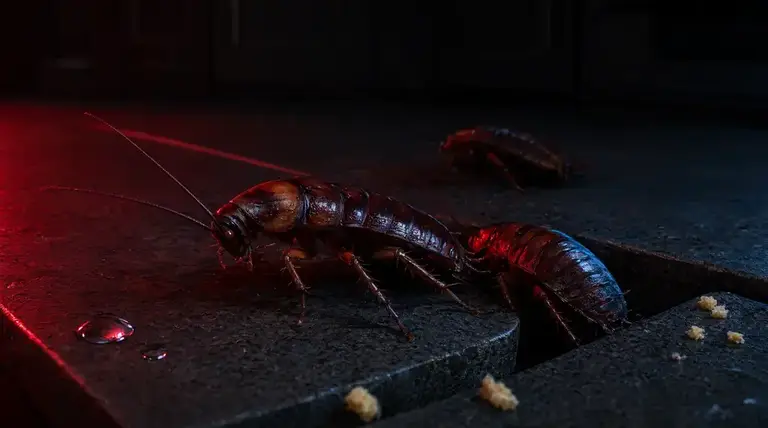
Sprays fail because they only contact the fraction of the colony that is out foraging. At any moment, roughly 75% of a German cockroach population is hidden in cracks, appliance motors and wall voids.
Knocking down the visible 25% with a spray leaves the breeding core intact, and the population rebounds within weeks. Female German cockroaches carry an ootheca holding up to 40 eggs, so recovery is fast. This hidden-majority dynamic is exactly why German cockroach infestations are so hard to kill compared with the larger outdoor species.
Reason 2: Insecticide Resistance
Many cockroach populations no longer respond to the chemicals sold over the counter. German cockroaches have documented resistance to several common pyrethroid sprays, and some have evolved bait aversion to older glucose-based baits.
Supermarket products often use the very chemistry roaches shrug off, which is a core reason DIY efforts stall — the same pattern we cover in our DIY versus professional comparison. Professional pest control rotates active ingredients and bait matrices specifically to stay ahead of resistant populations.
Reason 3: Repellent Sprays Scatter the Colony
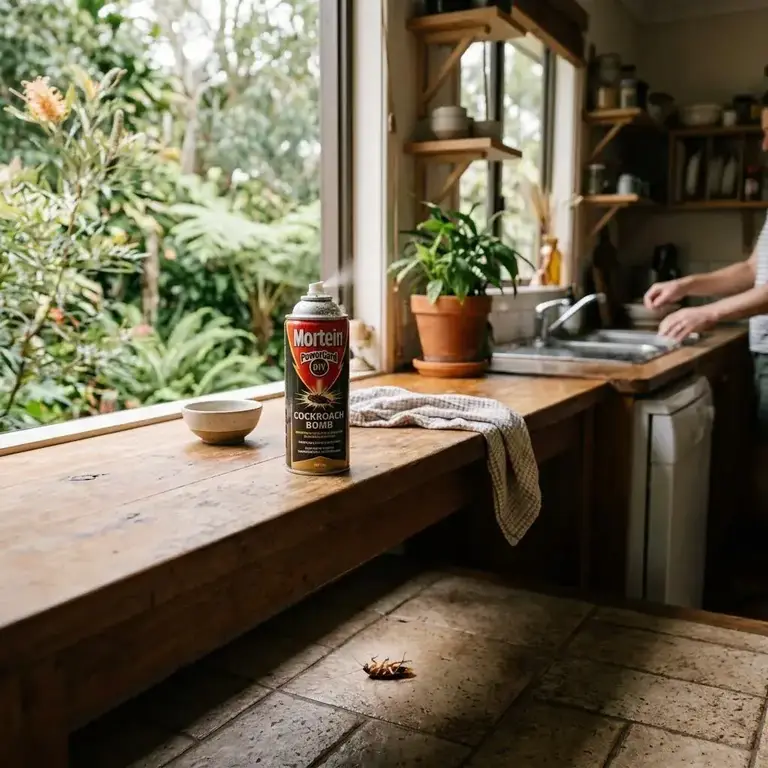
Repellent aerosols make the problem worse by pushing roaches into new hiding places rather than killing them. Instead of eliminating roaches, they drive them deeper into wall cavities and adjoining rooms — or, in units, into the neighbour’s kitchen and back again.
This is why apartment infestations bounce between dwellings for months. Non-repellent products, by contrast, let roaches walk through treated zones, pick up the active ingredient and carry it back to the harbourage.
Reason 4: The Attractants Are Still There
Even flawless treatment fails if roaches keep finding food and water. Sanitation is not optional — it is half the treatment.
| Attractant | Fix |
|---|---|
| Grease film behind stove | Degrease weekly |
| Leaking sink trap / condensation | Repair leaks; dry surfaces overnight |
| Pet food left out | Store sealed, lift bowls at night |
| Cardboard and paper clutter | Remove — it harbours eggs |
Reason 5: Hitchhikers Keep Arriving
Even a perfectly treated home can be re-seeded from outside. German cockroaches and their egg cases travel in cardboard boxes, second-hand appliances, grocery deliveries and shopping bags, while larger Australian and American cockroaches wander in from drains and gardens during the humid December–February summer.
If you keep finding roaches soon after treatment, check what has recently come into the house: inspect and flatten cardboard immediately, decant deliveries at the door, and screen floor wastes and weep holes so peridomestic species cannot stroll back in overnight. Our American cockroach ID and control guide covers the outdoor invaders in detail.
DIY vs Professional Cockroach Control
DIY sprays can knock down a few stragglers, but recurring infestations almost always need colony-level treatment with professional-grade baits and growth regulators. Here is how the two approaches compare:
| Factor | DIY sprays & bombs | Professional treatment |
|---|---|---|
| What it kills | Visible roaches only | Whole colony via bait transfer |
| Egg cases | Untouched | Managed with growth regulators |
| Resistance risk | High — common pyrethroids | Low — rotated actives |
| Colony spread | Often scatters roaches wider | Non-repellent, targeted placement |
| Typical outcome | Rebound within weeks | Collapse in 2–4 weeks |
What Professional Cockroach Control Costs in Australia (2025–26)
Across the Australian pest control industry, professional cockroach treatment for a standard home generally runs between $180 and $450 AUD, depending on species, severity and property size. Here are the typical market rates you’ll see quoted around the country:
| Service | Typical cost (AUD) | What’s included / notes |
|---|---|---|
| General cockroach treatment (unit/flat) | $180 – $260 | Gel baiting, residual treatment of wet areas and harbourages |
| Standard house treatment | $220 – $350 | Interior and exterior, roof void/subfloor where accessible |
| Heavy German cockroach infestation | $300 – $450 | Intensive baiting program plus follow-up visit |
| Follow-up / monitoring visit | $90 – $150 | Re-baiting and checking for newly hatched nymphs |
These figures reflect what the industry generally charges — actual quotes vary by operator, region and the specifics of your job. Regardless of price, all chemical treatments should be carried out by a licensed technician using APVMA-registered products, applied strictly to label directions. Our Cockroach Control & Treatment page outlines exactly what a visit covers.
Worth knowing: Aussie Pest Strike typically comes in well under these typical market rates, without cutting corners on products or thoroughness. For an exact quote tailored to your property and infestation, give us a call on [aps_phone].
Seasonal Cockroach Activity in Australia
Cockroach activity peaks in the warm, humid months from late spring through early autumn, then dips — but rarely stops — over winter. Indoor German cockroaches stay active year-round in heated kitchens, while outdoor species surge after summer rain.
Jan
Feb
Mar
Apr
May
Jun
Jul
Aug
Sep
Oct
Nov
Dec
Typical Australian pattern: activity builds through spring, peaks across the humid December–February summer, and eases over winter — though heated indoor infestations persist all year.
How Professionals Break the Cycle
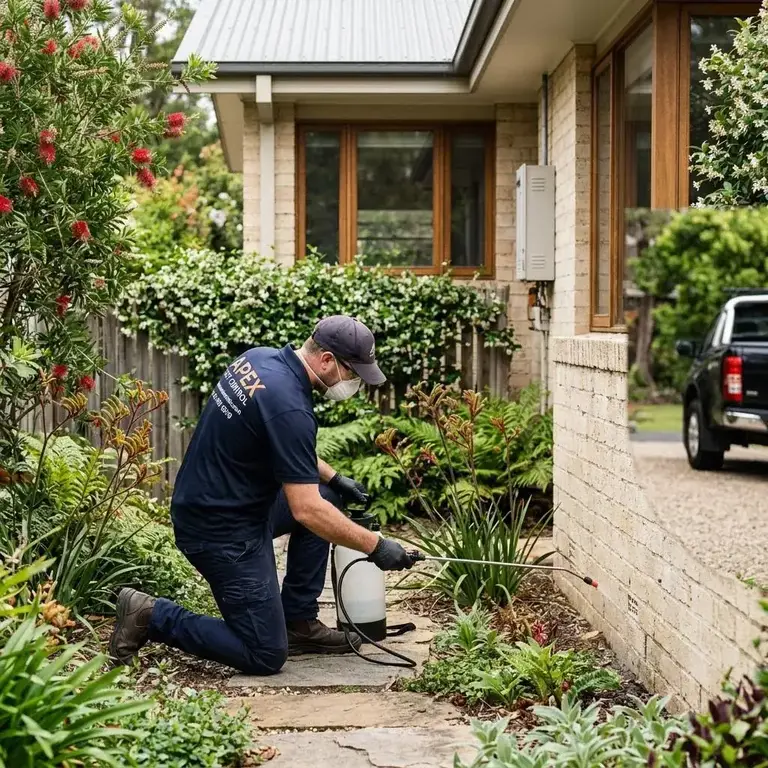
A lasting result relies on an integrated approach rather than a single spray. Professional pest control targets the colony, the eggs and the conditions that sustain them at the same time:
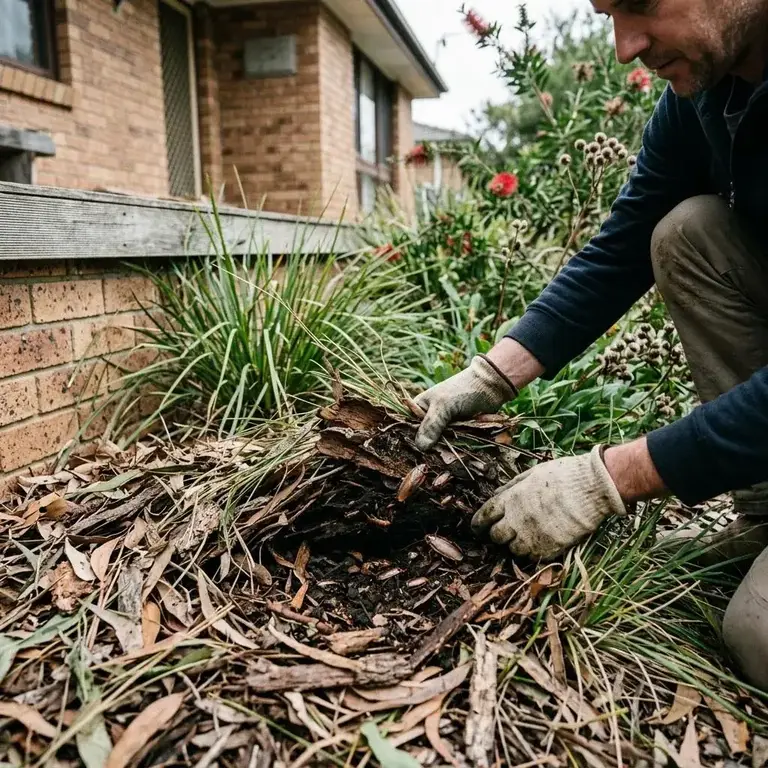
- Inspection to map harbourage and identify the species accurately.
- Non-repellent gel baits placed directly at harbourage, which roaches ingest and carry back, causing secondary kill through the colony.
- Insect growth regulators that stop nymphs reaching breeding age.
- Sealing entry points and advising on the moisture and food fixes above.
For apartments, coordinated treatment across affected units is often essential, otherwise roaches simply migrate back through shared wall and pipe voids.
Nine times out of ten, when a customer says the roaches “came back”, the colony never actually left — the spray just thinned the foragers. Once we switch to gel bait and growth regulators, and the customer fixes the grease and moisture, the whole population collapses within the month. Treat the colony, not the symptom.
Stop spending on aerosol sprays. Book a licensed inspection, have gel baits and growth regulators applied at the harbourages, fix the food and moisture sources listed above, and screen entry points — especially in units, where you should also ask the strata manager about coordinated treatment.
FAQ: Cockroaches Keep Coming Back
Why do cockroaches keep coming back after spraying?
Spraying kills visible roaches but leaves the hidden breeding population, egg cases and food sources untouched, so the colony rebuilds within weeks. Repellent sprays can also scatter roaches into wall voids and neighbouring rooms. Bait-based colony control combined with sanitation is what actually stops the return.
How long until cockroaches are gone for good?
With professional gel baiting and insect growth regulators, most infestations collapse within two to four weeks. A follow-up visit is often scheduled to catch newly hatched nymphs from surviving egg cases. Severe German cockroach infestations or multi-unit buildings may take longer and require coordinated treatment.
Can cockroaches come back from neighbouring units?
Yes — in strata buildings roaches travel freely through shared plumbing risers, wall voids and ceiling spaces. Treating one unit in isolation often fails because roaches migrate back within weeks. A building-wide or at least adjoining-unit treatment approach works far better for lasting control.
Tired of the cockroach comeback? Aussie Pest Strike targets the colony, not just the stragglers — with licensed pest control technicians, professional-grade baits and honest advice on keeping them out for good. Call Aussie Pest Strike on [aps_phone] or book your free inspection and on-site quote today through our Cockroach Control & Treatment page, and finally end the cycle.
Sources & further reading
Found Something
Dangerous?
Don’t touch it. Don’t spray it. Keep kids and pets clear, take a photo from a safe distance, and call us — or book a free inspection and we’ll come to you.
02 7235 0050