Cockroach Treatment: Whatto Expect Froma Professional Visit
Cockroach treatment what — a professional cockroach treatment starts with an inspection to identify the species and harbourage, followed by targeted gel...
Booking a professional cockroach treatment is straightforward once you know what the visit involves. Across Australia, from humid Brisbane Queenslanders to Melbourne brick-veneer homes and Sydney units, a licensed technician follows the same methodical process: inspect, identify, treat precisely, and follow up where needed.
A professional cockroach treatment starts with an inspection to identify the species and harbourage, followed by targeted gel baiting, insect growth regulators and crack-and-crevice work — not blanket spraying. A typical visit takes 45–90 minutes, with a follow-up if the infestation is heavy. Understanding each step helps you prepare properly and get the most from your pest control investment. If you’re weighing up your options, our Cockroach Control & Treatment page covers the full service, and the details below explain exactly what happens on the day.
- A professional cockroach treatment begins with species identification, because German and peridomestic cockroaches need very different approaches.
- Modern treatment relies on gel bait, insect growth regulators and crack-and-crevice application — not whole-room spraying.
- Simple preparation (clearing cupboards, not pre-spraying retail products) significantly improves results.
- Seeing more cockroaches for a few days after treatment is normal and a sign the bait is working.
- Typical professional costs range from around $150 for a small unit to $600+ for severe infestations with follow-ups.
Why Cockroach Treatment Matters in Australian Homes
Cockroaches thrive in Australia’s warm, humid conditions, and our housing styles give them easy harbourage and entry points. That makes professional cockroach treatment one of the most commonly booked pest control services in the country.
In Queensland and northern New South Wales, heat and humidity let cockroaches breed year-round, and elevated Queenslander homes with open subfloors provide ideal shelter for larger peridomestic species. Further south, slab-on-ground brick veneer homes see seasonal surges as cockroaches move indoors seeking warmth, moisture and food. Apartments and terraces create shared-wall problems, where an infestation in one kitchen can spread through pipe chases to neighbouring units.
Species matters enormously. The small German cockroach (12–15 mm) breeds exclusively indoors, usually in kitchens and bathrooms, while larger species such as the American and Australian cockroach (35–40 mm) enter from drains, gardens and subfloors. If you’re unsure what you’re dealing with, our guides to German Cockroach Infestations: Why They’re So Hard to Kill and American Cockroaches in Australia: ID and Control Guide break down identification and behaviour in detail.
Warning Signs You Need a Professional Cockroach Treatment
If you spot even one or two of the following signs, an established infestation is likely and professional treatment is warranted. Cockroaches are nocturnal, so visible daytime activity usually means the population is already large.
- Live roaches during the day — daytime sightings suggest harbourages are overcrowded and the infestation is advanced.
- Droppings — small black specks like ground pepper (German) or larger cylindrical pellets (American/Australian) near sinks, cupboards and appliances.
- Egg cases (oothecae) — brown, purse-shaped capsules tucked behind appliances, in hinges or along cupboard edges.
- Musty, oily odour — a distinctive smell that intensifies as the population grows.
- Smear marks — dark streaks along skirting boards, benchtop edges and wall junctions in damp areas.
- Shed skins — nymphs moult several times, leaving translucent skins near harbourage.
- Night-time activity — roaches scattering when you switch on the kitchen light.
For a deeper checklist, see 7 Signs of a Cockroach Infestation You Shouldn’t Ignore.
DIY vs Professional Cockroach Treatment
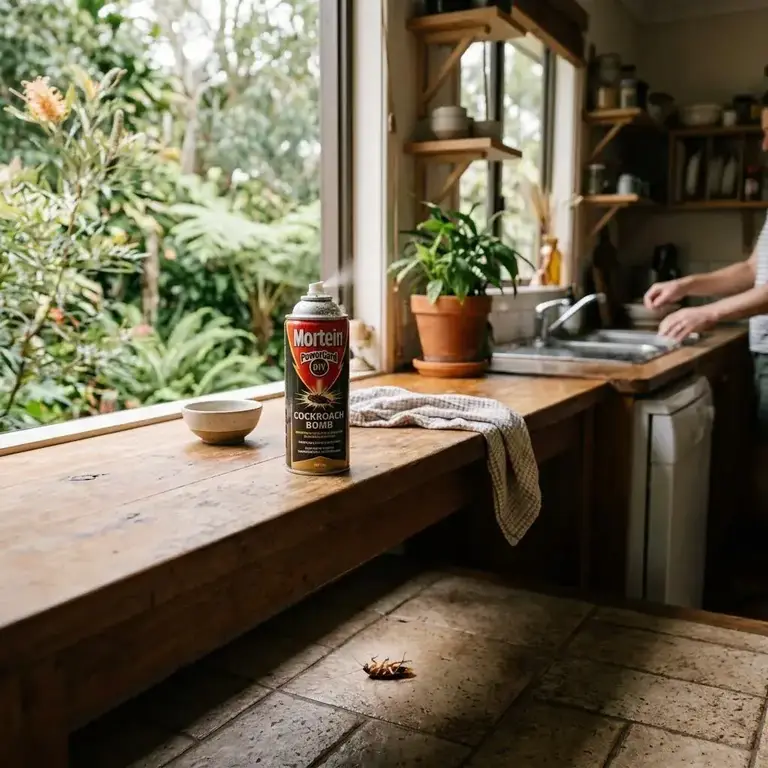
DIY sprays and baits can suppress a handful of roaches, but they rarely eliminate an established infestation — and repellent aerosols often scatter cockroaches deeper into wall voids, making professional treatment harder. Licensed technicians use non-repellent products, commercial-grade gel baits and growth regulators that attack the colony itself.
| Factor | DIY approach | Professional treatment |
|---|---|---|
| Species identification | Guesswork; wrong products for the species | Accurate ID drives the treatment plan |
| Products used | Retail aerosols and traps, often repellent | Non-repellent residuals, gel bait, IGRs, dusts |
| Breeding cycle control | Kills visible adults only; eggs and nymphs survive | Growth regulators break the breeding cycle |
| Time to results | Weeks to months, often with recurrence | Sharp decline in 7–14 days; collapse by 3–4 weeks |
| Long-term cost | Repeated product purchases add up | One or two visits usually resolve the problem |
What Happens During the Visit
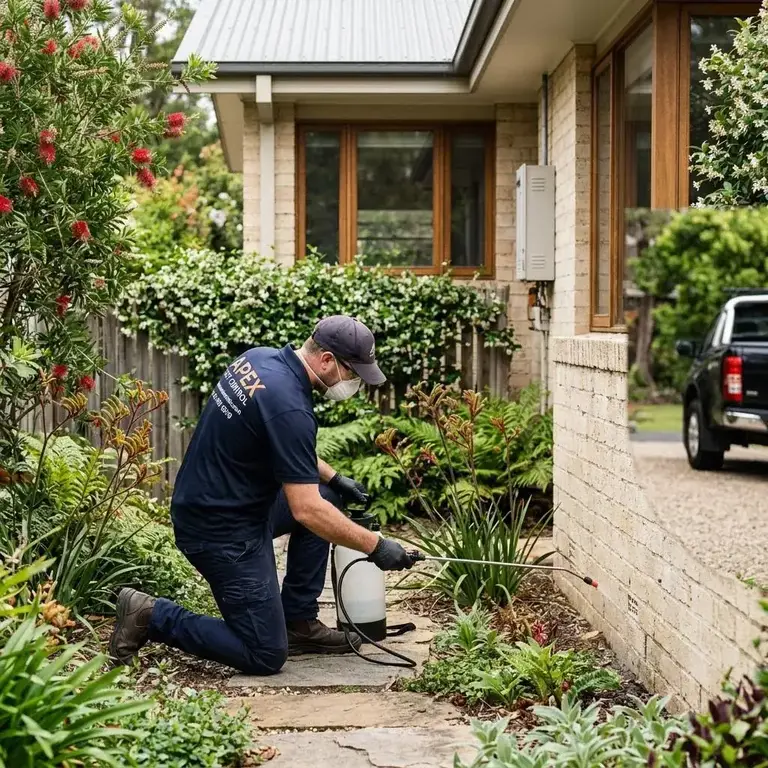
A professional cockroach treatment follows four clear stages: inspection, targeted treatment, preparation guidance, and post-treatment monitoring. The whole visit typically takes 45–90 minutes for an average home.
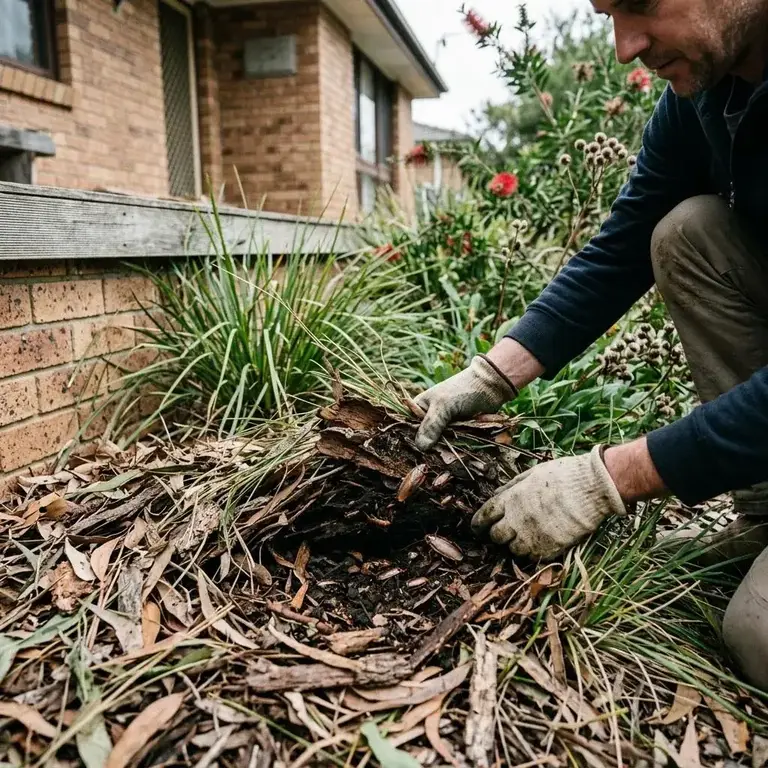
Step 1: Inspection and species ID. The technician identifies whether you have German cockroaches (indoor breeders) or larger peridomestic species entering from drains, gardens and the subfloor. Species dictates the treatment: German roaches demand intensive indoor baiting, while larger species need attention to entry points, drains and subfloor areas.
Step 2: Targeted treatment. Modern cockroach treatment is precise, not a fog of spray across your kitchen. Expect:
- Gel bait placed in cracks, hinges and appliance voids. Roaches feed, return to harbourage and die, and others feed on the carcasses and droppings, spreading the active ingredient through the colony.
- Insect growth regulators (IGRs) that stop nymphs maturing, breaking the breeding cycle.
- Crack-and-crevice application of non-repellent residual products in voids and behind kickboards.
- Dust in wall cavities and the subfloor where liquids can’t reach.
Step 3: How to prepare. A little prep improves results considerably. Clear under the sink and kitchen cupboards so the technician can access prime harbourage. Don’t spray retail insecticide beforehand — repellents make roaches avoid the bait. Wipe away grease and food debris so bait competes with less food, and note where you’ve seen roaches so you can direct the technician.
Step 4: After the treatment. Expect to see more roaches for a few days as bait draws them out — this is normal and a sign it is working. Avoid cleaning bait placements or spraying over them. Most German infestations decline sharply within 7–14 days, with the population collapsing by 3–4 weeks; heavy cases may warrant a follow-up visit. Treatments are low-toxicity when applied to label standards by licensed technicians, and treated areas are generally fine around pets and children once dry and out of reach.
How Much Does a Cockroach Treatment Cost in Australia?
In 2025–26, the typical Australian market rate for a professional cockroach treatment sits between $150 and $600, depending on property size, species and infestation severity. Across the industry, German cockroach infestations command the higher end because they demand intensive baiting and often a follow-up visit.
| Service | Typical market rate (AUD) | What’s included/notes |
|---|---|---|
| Standard treatment — unit or small home | $150–$250 | Inspection, gel baiting, crack-and-crevice work in kitchen and wet areas |
| Standard treatment — 3–4 bedroom house | $220–$350 | Interior baiting plus external perimeter, drains and subfloor where accessible |
| Heavy German cockroach infestation | $350–$600+ | Intensive baiting, IGRs and one or more follow-up visits |
| Follow-up visit | $90–$180 | Re-baiting and monitoring, sometimes included in the initial quote |
These are general industry rates — market prices vary by region, access and property style, with subfloor homes and multi-level Queenslanders taking longer to treat. Always confirm whether a follow-up is included before booking a pest control service.
Here’s the good news: Aussie Pest Strike typically comes in well under these market rates, without cutting corners on treatment quality. For an exact quote tailored to your property, give us a call on [aps_phone] today.
Seasonal Cockroach Activity in Australia
Cockroach activity peaks through the warmer months from October to March and drops during winter in southern states, though German cockroaches remain active indoors year-round. In tropical and subtropical regions, activity stays high in every month.
Jan
Feb
Mar
Apr
May
Jun
Jul
Aug
Sep
Oct
Nov
Dec
Indicative outdoor cockroach activity across temperate Australia. Activity climbs from September, peaks December–March, and dips over winter — though indoor German cockroach infestations persist year-round regardless of season.
Booking treatment in late winter or early spring, before populations explode, gives the best long-term result. That said, an active infestation should never wait for the “right” season.
The biggest mistake homeowners make is hitting roaches with a supermarket spray before we arrive. It scatters them into the wall voids and they won’t touch our bait for days. Leave them be, let us bait properly, and the colony does the work for us — one feeding roach takes the active ingredient back to dozens of others.
If you’re seeing cockroaches regularly — especially during the day or in the kitchen — book a professional inspection rather than reaching for a retail spray. Identify the species first, prepare your cupboards and skip the pre-spraying, and let targeted baiting and growth regulators do their work over three to four weeks. For anything beyond the occasional stray roach, a licensed technician is the fastest and most cost-effective path to a roach-free home.
Frequently Asked Questions
What happens during a professional cockroach treatment visit?
A professional visit follows four stages: inspection and species identification, targeted treatment, preparation guidance, and post-treatment monitoring. The technician identifies whether you have German cockroaches or larger peridomestic species, then applies gel bait, insect growth regulators, crack-and-crevice products and dusts where needed. A typical visit takes 45–90 minutes for an average home, with a follow-up visit if the infestation is heavy.
Why does species identification matter before treating cockroaches?
Species dictates the entire treatment plan. German cockroaches are small indoor breeders found in kitchens and bathrooms, so they demand intensive indoor gel baiting. Larger peridomestic species such as American and Australian cockroaches enter from drains, gardens and subfloors, so treatment focuses on entry points, drains and subfloor areas. Guessing the species often means using the wrong products and poor results.
What methods do professionals use instead of spraying?
Modern cockroach treatment is precise rather than a blanket spray. Technicians place gel bait in cracks, hinges and appliance voids; roaches feed, return to harbourage and die, spreading the active ingredient through the colony. Insect growth regulators stop nymphs maturing and break the breeding cycle. Non-repellent residuals are applied into cracks and crevices, and dusts treat wall cavities and subfloors where liquids cannot reach.
How should I prepare my home for a cockroach treatment?
Clear under the sink and kitchen cupboards so the technician can access prime harbourage areas. Do not spray retail insecticide beforehand, because repellents make roaches avoid the bait. Wipe away grease and food debris so the bait competes with less alternative food, and note where you have seen roaches so you can direct the technician to those spots on the day.
Is it normal to see more cockroaches after treatment?
Yes. Seeing more cockroaches for a few days after treatment is expected and actually a sign the bait is working, as it draws roaches out of their harbourage. Avoid cleaning or wiping away bait placements and never spray over them. Most German cockroach infestations decline sharply within 7–14 days, with the population collapsing by 3–4 weeks.
What are the warning signs I need a professional cockroach treatment?
Key signs include live roaches seen during the day, droppings that look like ground pepper (German) or larger cylindrical pellets (American/Australian), brown purse-shaped egg cases behind appliances or in cupboard hinges, a musty oily odour, dark smear marks along skirting boards, shed translucent skins near harbourage, and roaches scattering when you switch on the kitchen light at night.
How long does it take for professional cockroach treatment to work?
Most infestations show a sharp decline within 7–14 days of treatment, with the population collapsing by 3–4 weeks as the gel bait spreads through the colony and growth regulators break the breeding cycle. Heavy German cockroach infestations may need one or more follow-up visits to fully resolve, so ask whether a follow-up is included when you book.
When is the best time of year to book cockroach treatment in Australia?
Outdoor cockroach activity climbs from September, peaks from December to March, and dips over winter in southern states, while tropical and subtropical regions stay active year-round. Booking in late winter or early spring, before populations explode, gives the best long-term result. However, an active infestation should never wait for the right season — indoor German cockroaches persist regardless of season.
How can Aussie Pest Strike help me tell German cockroaches apart from larger outdoor species?
Getting the species right changes everything about the treatment approach, and it is not always obvious to homeowners. Aussie Pest Strike technicians identify whether you are dealing with small indoor-breeding German cockroaches in kitchens and bathrooms, or larger peridomestic species like American and Australian cockroaches entering from drains, gardens and subfloors. That accurate identification drives whether you need intensive indoor baiting or attention to entry points and external areas.
What should I do next if I suspect a cockroach infestation in my home?
Start by noting where and when you have seen roaches, any droppings, egg cases or smear marks, and avoid using retail aerosol sprays, which can scatter cockroaches deeper into wall voids and make professional treatment harder. Then contact Aussie Pest Strike to arrange an inspection. A licensed technician will confirm the species, assess how established the infestation is, and recommend targeted gel baiting and crack-and-crevice treatment suited to your home.
Sources & further reading
Found Something
Dangerous?
Don’t touch it. Don’t spray it. Keep kids and pets clear, take a photo from a safe distance, and call us — or book a free inspection and we’ll come to you.
02 7235 0050