Cockroaches and YourHealth: TheReal Disease Risks
Cockroaches and your — cockroach diseases are a genuine health risk: cockroaches mechanically spread bacteria such as Salmonella and E. coli , contaminate...
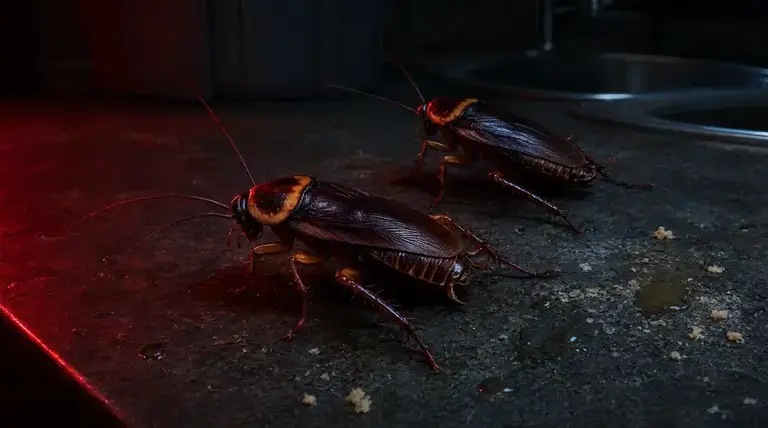
Cockroaches and your health are more closely linked than most Australians realise. Cockroach diseases are a genuine public-health concern across Australia: these pests mechanically spread bacteria such as Salmonella and E. coli, contaminate food and preparation surfaces, and their droppings, saliva and shed skins are a proven trigger for asthma and allergies, especially in children. Unlike mosquitoes, cockroaches don’t bite or inject pathogens — the danger is contamination.
Put simply, cockroach diseases are the illnesses caused by bacteria and allergens that cockroaches physically carry and deposit throughout your home, rather than diseases they transmit directly. It’s easy to dismiss a roach sighting as merely unpleasant, but the health risks are backed by decades of public-health research. Below, we separate what cockroaches actually do to your health from the myths, so you can judge how urgently to act and whether professional pest control is warranted.
- Cockroaches spread Salmonella, E. coli and Staphylococcus mechanically, causing gastroenteritis and food poisoning.
- Cockroach allergen in droppings, saliva and shed skins is one of the most significant indoor asthma triggers, particularly for children.
- Spotless homes get infestations too — roaches need only warmth, water and tiny food traces.
- Australia’s warm, humid climate lets cockroach populations and allergen loads build year-round.
- Licensed professional treatment typically costs $180–$450 AUD for a standard home and targets the source, not the symptoms.
Why Cockroach Diseases Matter So Much in Australia
Cockroach diseases matter more in Australia than in cooler climates because our warmth and humidity let infestations thrive and breed all year. In much of Queensland, northern New South Wales and the Top End, cockroach activity barely pauses in winter, meaning allergen and bacteria loads accumulate continuously rather than seasonally.
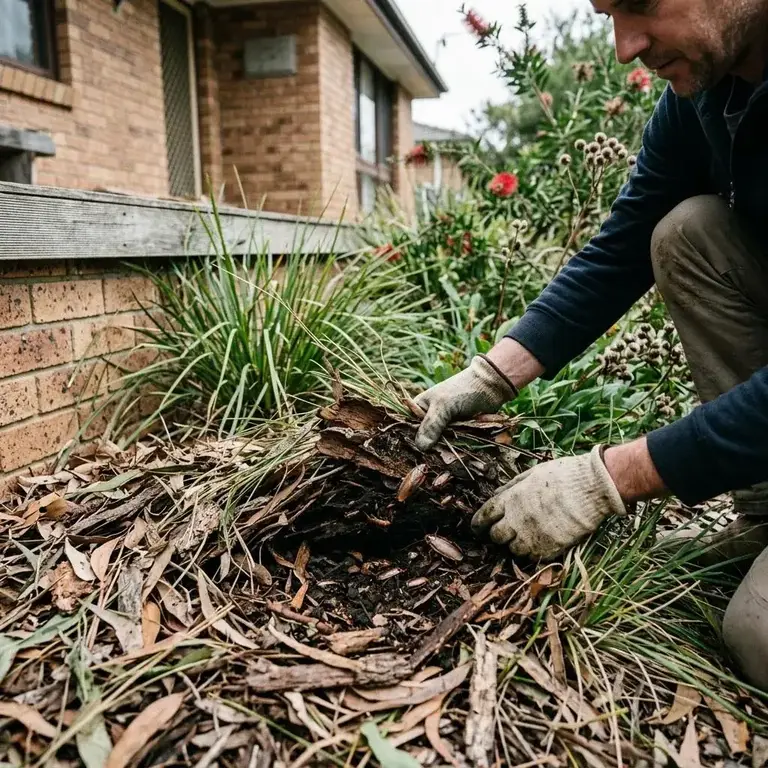
Housing style plays a big role too. Older Queenslanders with raised subfloors give American cockroaches dark, damp harbourage directly beneath living areas. Brick-veneer homes on concrete slabs — the standard across most southern capitals — still offer wall cavities, weep holes and subfloor drainage lines where roaches shelter. Apartments and townhouses share plumbing penetrations, so one unit’s problem quickly becomes the whole block’s. German cockroaches, the species most strongly linked to indoor allergen build-up, live almost entirely inside kitchens and bathrooms, which is why a German cockroach infestation is so hard to kill without professional help.
Warning Signs Cockroaches Are Threatening Your Health
The clearest warning sign is any daytime sighting, because cockroaches are nocturnal and visible roaches usually mean overcrowded harbourage. If you recognise several items on this checklist, contamination of food surfaces is likely already happening — review the full list of signs of a cockroach infestation you shouldn’t ignore and act promptly.
- Droppings — small black specks like ground pepper (German cockroaches) or larger cylindrical pellets (American cockroaches) in drawers, cupboards and along splashbacks.
- Smear marks — brown, irregular streaks where roaches travel along walls and bench edges in humid areas.
- Egg cases (oothecae) — tan to dark-brown capsules tucked behind appliances, in pantry corners and under sinks.
- Shed skins — cast exoskeletons near harbourages, a direct source of airborne allergen.
- Musty odour — an oily, lingering smell that worsens as the population grows.
- Unexplained gastro or worsening asthma — recurring stomach illness or increased wheezing at home can correlate with an active infestation.
- Night-time activity — roaches scattering when you switch on the kitchen light after dark.
Myth vs Fact: Cockroach Health Risks
Most people underestimate cockroach health risks because the common myths sound plausible. This table separates what cockroaches actually do from what they don’t.
| Claim | Reality |
|---|---|
| “Cockroaches bite people” | Very rare; the real risk is contamination, not bites |
| “They only matter in dirty homes” | Spotless kitchens get infestations too — roaches need only warmth, water and tiny food traces |
| “A few roaches are harmless” | Even small numbers shed allergens and spread bacteria across food surfaces |
| “Spraying makes food safe again” | Contaminated surfaces still need thorough cleaning |
How Cockroaches Actually Make You Sick
Cockroaches make you sick in two ways: by physically transferring bacteria onto food and surfaces, and by shedding allergens that inflame airways. Neither requires a bite or sting.
Bacterial contamination
Cockroaches feed on rubbish, drains and faeces, then walk across benches, cutlery and stored food. They carry pathogens including Salmonella, E. coli and Staphylococcus on their legs and bodies and deposit them wherever they travel. This mechanical transfer can cause gastroenteritis and food poisoning — the core mechanism behind most cockroach diseases reported in homes and food premises.
Asthma and allergy triggers
Cockroach allergen — found in droppings, saliva and shed exoskeletons — is one of the most significant indoor asthma triggers. Research consistently links exposure to higher rates of asthma sensitisation in children living with infestations. In humid Australian conditions where German cockroaches thrive, allergen levels can build quickly in kitchens and bedrooms.
Who is most at risk
- Children — developing airways and more floor contact.
- People with asthma or COPD — allergen exposure can trigger attacks.
- Elderly and immune-compromised people — higher risk from foodborne bacteria.
- Food businesses — contamination carries legal and reputational consequences under food-safety law.
For cafes, restaurants and any premises handling food, cockroaches are a compliance failure, not just a nuisance. The Australia New Zealand Food Standards Code requires food businesses to take all practicable measures to prevent pests, and councils treat cockroach evidence in kitchens, cool rooms and dishwashing areas as a critical non-conformance. That’s why food operators typically run documented, scheduled pest-management programs with monitoring records.
DIY vs Professional Treatment for Cockroach Diseases
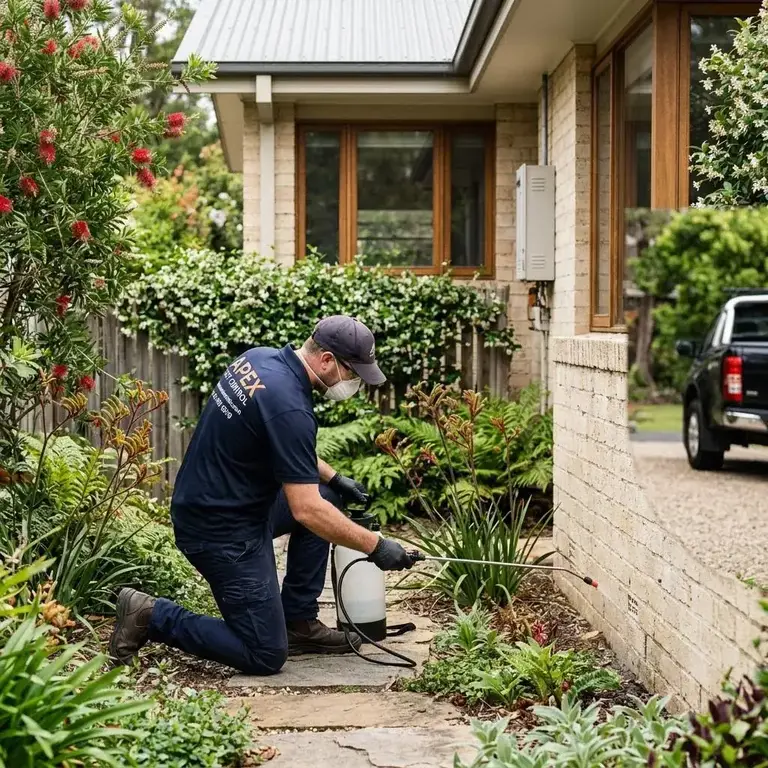
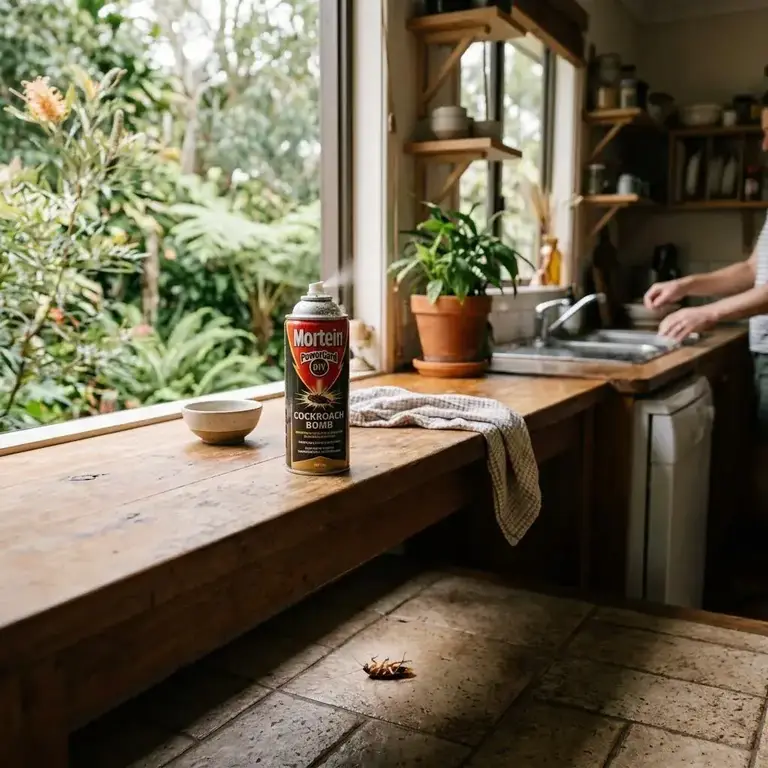
DIY sprays kill the roaches you see but rarely touch the harbourage where eggs and bacteria reservoirs sit, so the health risk returns within weeks. Professional pest control targets the source with gel baits, insect growth regulators and residual treatments applied by licensed technicians using APVMA-registered products — the reliable way to eliminate the contamination cycle.
| Factor | DIY approach | Professional treatment |
|---|---|---|
| Reach | Visible roaches only | Harbourages, wall voids, breeding sites |
| Products | Supermarket sprays, limited residual effect | Professional-grade gels and IGRs, applied by licensed technicians |
| Health risk reduction | Temporary; allergens and bacteria persist | Source elimination plus guidance on cleaning and allergen removal |
| Warranty | None | Service warranty and follow-up visits typically included |
What Does Cockroach Treatment Cost in Australia?
Across the Australian pest control industry, professional cockroach treatment generally runs between $180 and $450 AUD for a standard home in 2025–26, with the final figure shaped by property size, species and infestation severity. German cockroach programs typically sit at the higher end of the market because they demand multiple visits and bait rotation. The table below shows what the industry generally charges — these are typical market rates, not quotes.
| Service | Typical market rate (AUD) | What’s included/notes |
|---|---|---|
| Standard general treatment (house) | $180–$280 | Internal/external spray, dusting of voids, 3–6 month warranty |
| German cockroach program | $300–$450 | Gel baiting, IGR, 2–3 follow-up visits |
| Apartment/unit treatment | $150–$250 | Targeted internal baiting and crack-and-crevice work |
| Commercial/food business program | $90–$200 per visit | Scheduled service, monitoring records for compliance |
Those figures reflect typical Australian market rates — and here’s the good news: Aussie Pest Strike typically comes in well under these market rates, without cutting corners on treatment quality or warranty. For an exact quote tailored to your property and situation, give us a call on [aps_phone] today.
Seasonal Cockroach Activity Across Australia
Cockroach activity in Australia peaks from late spring through summer and remains elevated in autumn, dipping only modestly in the cooler southern winter months. Warm, wet periods accelerate breeding, while humidity keeps allergen levels high indoors.
Jan
Feb
Mar
Apr
May
Jun
Jul
Aug
Sep
Oct
Nov
Dec
Typical Australian pattern: activity climbs from September, peaks December–February, and eases through winter — though in northern Australia indoor German cockroach activity stays high year-round.
“Most families call us after months of gastro bugs or a child’s asthma flaring up, never connecting it to the roaches. Once we clear the infestation and they deep-clean the allergens, the difference is often noticeable within weeks. Treat the source early — a few roaches today is a colony next month.”
If you’ve seen even one or two roaches, book a professional Cockroach Control & Treatment inspection now. Alongside treatment, disinfect all surfaces roaches may have crossed, discard exposed food, wash affected cutlery on a hot cycle, and vacuum with a HEPA filter to remove allergen-laden droppings and skins. Fix moisture and food access — those fundamentals stop an infestation taking hold in the first place.
FAQ: Cockroach Diseases and Your Health
Can cockroach diseases make you sick?
Yes — cockroaches spread bacteria such as Salmonella and E. coli onto food and surfaces, causing gastroenteritis and food poisoning. Their droppings, saliva and shed skins also release allergens that trigger asthma and allergic reactions, particularly in children, so even hidden infestations carry a genuine health risk.
Do cockroaches cause asthma?
Cockroach allergens are a recognised indoor asthma trigger, not a direct cause. Droppings, saliva and shed skins are linked to higher asthma sensitisation in children exposed to infestations, and exposure can provoke attacks in people with asthma or COPD. Removing the infestation and HEPA-vacuuming residue reduces the respiratory burden.
Are cockroaches dangerous if I only see a few?
Yes — even a few cockroaches contaminate surfaces and shed allergens, and small numbers usually signal a larger hidden population. Because roaches breed rapidly, especially German cockroaches in warm kitchens, early sightings should prompt a professional inspection rather than a wait-and-see approach.
Protecting your family’s health starts with removing the source. Aussie Pest Strike provides a free on-site inspection and a targeted, family-conscious treatment plan from licensed technicians, backed by a service warranty. Whether you’re battling German cockroaches in the kitchen or American roaches under the subfloor, our pest control team will identify the harbourage, eliminate the population and show you how to keep allergen levels down for good. Call Aussie Pest Strike on [aps_phone] to book your free inspection today.
Sources & further reading
Found Something
Dangerous?
Don’t touch it. Don’t spray it. Keep kids and pets clear, take a photo from a safe distance, and call us — or book a free inspection and we’ll come to you.
02 7235 0050