Kitchen CockroachPrevention: TheComplete Guide
Kitchen cockroach prevention means cutting food and water access, sealing cracks and reducing warmth. Follow the full checklist — book a free inspection.
Kitchen cockroaches are the most common complaint we hear from homeowners right across Australia, and for good reason — the kitchen offers everything a roach needs: food scraps, moisture and warm hiding spots behind appliances. Kitchen cockroaches are any cockroach species (most often the German or American cockroach in Australian homes) that establish themselves in food-preparation areas, drawn by warmth, crumbs and water.
The good news: prevention is largely in your hands. Deny roaches food, water and shelter, and you make your kitchen genuinely inhospitable. This guide covers why Australian kitchens are such a target, how to spot early warning signs, what you can handle yourself versus when to call in cockroach control and treatment, realistic 2025–26 pricing, and a weekly routine that keeps populations from ever establishing.
- Kitchen cockroaches thrive where food, water and warm hiding spots overlap — remove all three and infestations struggle to start.
- German cockroaches rarely stray more than a metre from a food source, so kitchen hygiene is your single most effective defence.
- Roaches can squeeze through gaps as fine as 1.6 mm — sealing entry points matters as much as cleaning.
- Professional cockroach treatments in Australia typically range from around $180 to $450+ depending on severity and property size.
- Summer (Dec–Feb) is peak breeding season — tighten your routine before populations explode.
Why Kitchen Cockroaches Are Such a Problem in Australian Homes
Australia’s warm climate gives cockroaches near-ideal breeding conditions for much of the year, and our housing stock — from elevated Queenslanders with dark subfloor voids to slab-on-ground brick veneer homes with weep holes — offers countless entry points straight into kitchens. In humid coastal regions and throughout Queensland, warmth and moisture accelerate breeding cycles dramatically, meaning a small problem in spring can become a full infestation by Christmas.
The kitchen concentrates everything roaches need in one room. German cockroaches in particular — the most common indoor species in Australia — can mature from egg to breeding adult in as little as six to eight weeks, and they almost never venture far from food and water. That’s why our guide on German cockroach infestations and why they’re so hard to kill stresses early intervention. Larger species like the American cockroach tend to enter from drains, subfloors and roof voids — our American cockroach identification and control guide covers those entry habits in detail. Either way, the kitchen is where you’ll first notice them.
Warning Signs of Kitchen Cockroaches You Shouldn’t Ignore
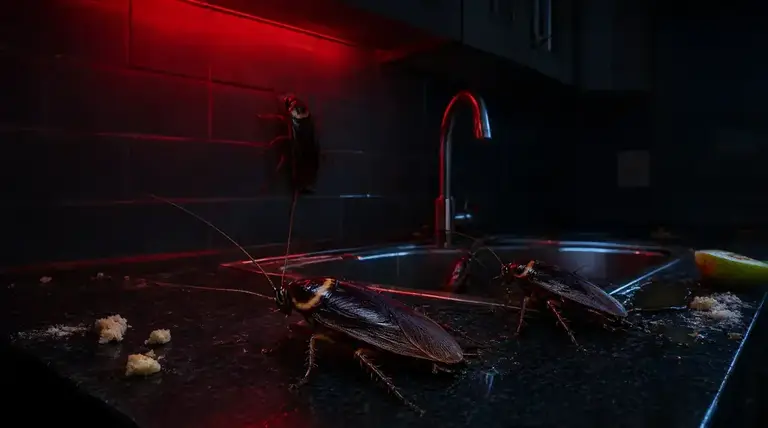
The earliest signs of kitchen cockroaches are subtle — droppings, smear marks and shed skins appear long before you see a live roach in daylight. Spotting these indicators early is the difference between a quick fix and a colony that requires professional pest control. Run through this checklist monthly:
- Pepper-like droppings — small dark specks in cupboards, drawer corners and along benchtop edges.
- Smear marks — brown, irregular streaks on splashbacks, skirtings and around sinks where roaches travel.
- Egg cases (oothecae) — small brown capsules tucked behind appliances, in cardboard or inside cupboard hinges.
- Shed skins — translucent cast-off shells near warm spots like fridge motors and dishwasher cavities.
- Musty, oily odour — a distinctive smell that intensifies as a population grows.
- Night-time sightings — roaches scattering when you flick the light on after dark.
- Daytime sightings — a serious red flag; roaches seen in daylight usually mean overcrowding and a well-established colony.
For a deeper run-down, see our article on the 7 signs of a cockroach infestation you shouldn’t ignore.
Cut Off Food, Water and Shelter: The Prevention Fundamentals
Effective prevention comes down to three things: remove food and water access, seal the cracks roaches hide and enter through, and reduce warmth and clutter around appliances. Cockroaches can survive weeks without food but only about a week without water, so moisture control is often the difference-maker in humid Australian kitchens.
- Store dry goods (flour, rice, cereal, pet food) in sealed glass or hard plastic containers — roaches chew through cardboard and thin plastic.
- Wipe benches and stovetops nightly; a single grease film can feed a colony.
- Empty the bin daily and keep it lidded.
- Don’t leave pet bowls down overnight.
- Sweep or vacuum crumbs from under the toaster, kettle and appliance gaps.
- Fix dripping taps and leaking sink traps; dry the sink and splashback before bed.
- Wipe condensation from the fridge seal and check dishwasher and washing-machine connections for weeping.
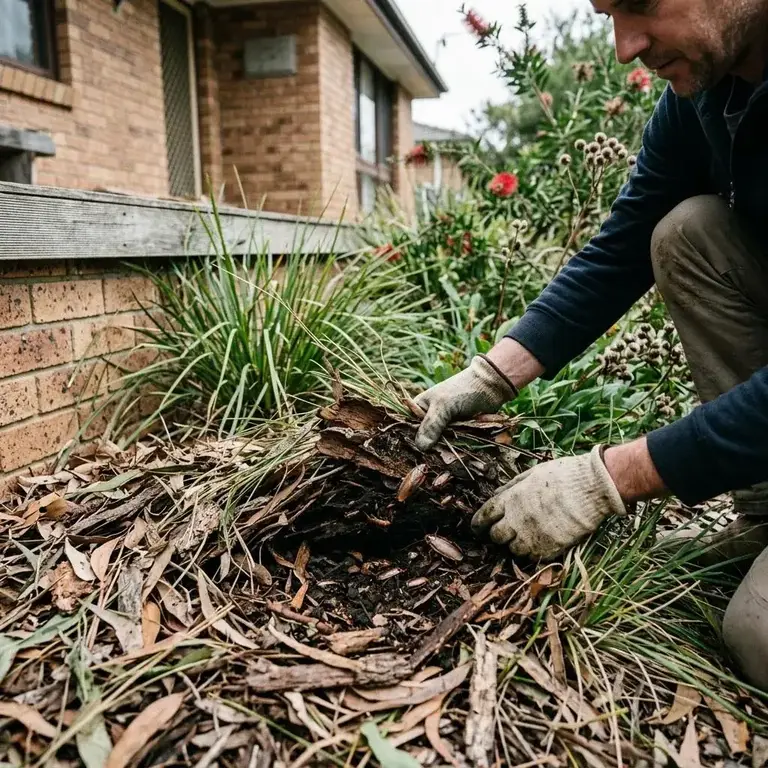
Roaches exploit gaps as fine as 1.6 mm, so work methodically: seal pipe penetrations under the sink with silicone or expanding foam, repair cracked grout and tiling, fill voids behind kickboards, remove cardboard and paper storage (which harbours egg cases), and screen wall vents and weep holes where appropriate. Finally, pull appliances out periodically to clean the warm, dark motor compartments of fridges, dishwashers and microwaves — prime harbourage — and declutter cupboards so there are fewer hiding spots.
DIY Prevention vs Professional Treatment
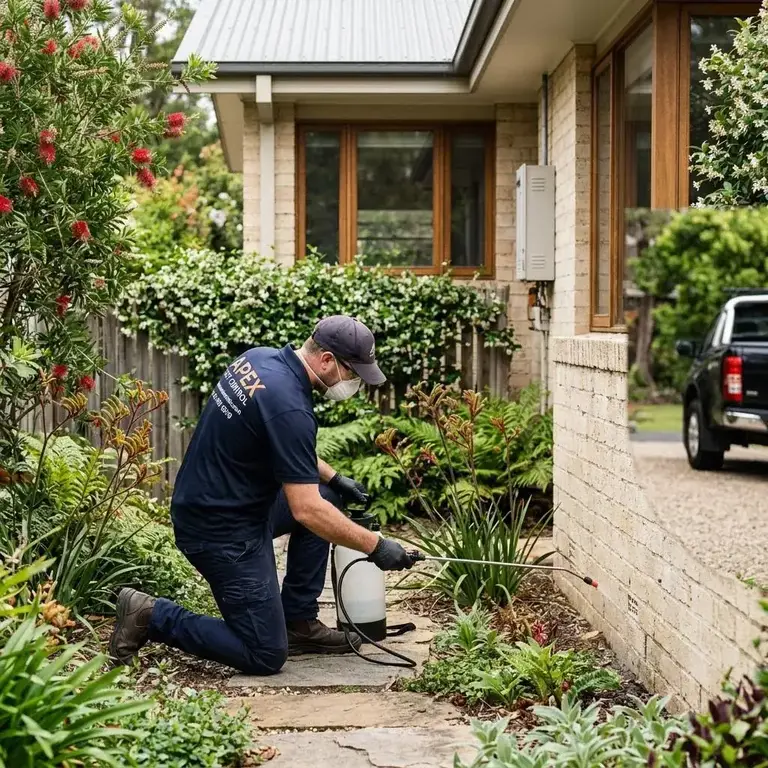
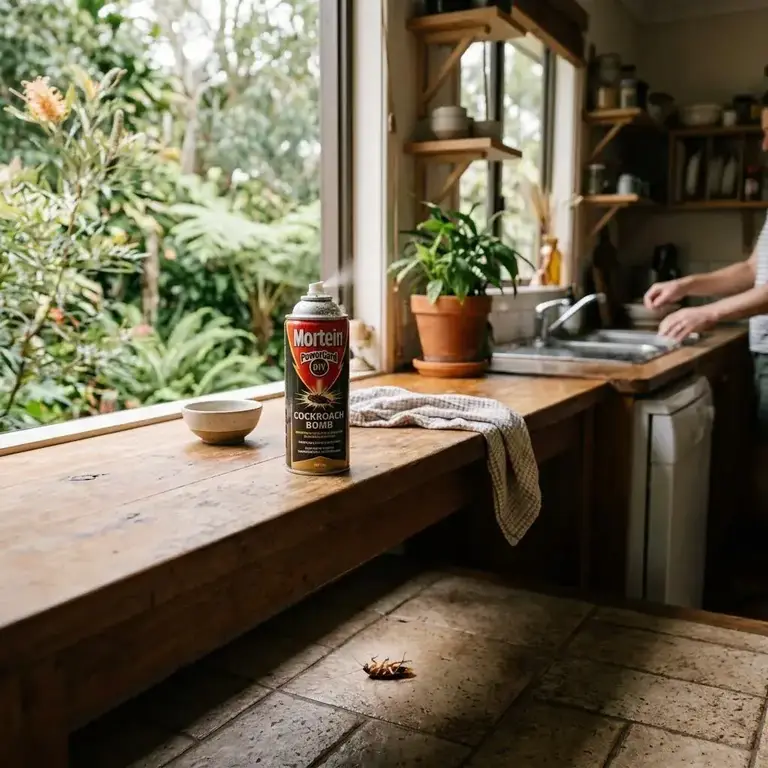
Most kitchen cockroach prevention is well within a homeowner’s ability — hygiene, sealing and moisture control cost little and work. But once a breeding population is established, especially German cockroaches, DIY sprays and baits often scatter the problem rather than solve it. Chemical treatments should always be applied by a licensed technician in line with APVMA-registered product labels.
| Factor | DIY approach | Professional treatment |
|---|---|---|
| Best for | Prevention and very early sightings | Established or recurring infestations |
| Typical cost | $10–$60 (sealants, baits, traps) | $180–$450+ per treatment |
| Effectiveness | Good for prevention; limited against colonies | Targets harbourages, egg cycles and hidden voids |
| Timeframe | Ongoing routine | Usually 1–2 visits plus follow-up |
| Risks | Repellent sprays can scatter roaches deeper into walls | Must use licensed technicians and label-compliant products |
How Much Does Cockroach Pest Control Cost in Australia?
In 2025–26, the typical Australian market rate for a professional cockroach treatment on a standard kitchen and home sits between $180 and $450, with severe German cockroach infestations or larger properties pushing higher. Industry rates vary by state, property size, construction type (subfloor access on a Queenslander adds time) and how many follow-up visits are needed. The ranges below reflect what the Australian pest control industry generally charges — not a quote from any one company.
| Service | Typical market rate (AUD) | What’s included / notes |
|---|---|---|
| Standard cockroach treatment (unit/small home) | $180–$280 | Gel baits, residual treatment to kitchen and harbourages |
| Standard treatment (3–4 bedroom house) | $250–$450 | Interior and exterior treatment, subfloor/roof void if accessible |
| Severe German cockroach infestation | $400–$700+ | Multiple visits, bait rotation, crack-and-crevice work |
| Follow-up / warranty visit | $0–$150 | Often included within a service warranty period |
These figures are general market rates across the Australian pest control industry — at Aussie Pest Strike, our pricing typically comes in well under these ranges without cutting corners on treatment quality. For an exact quote tailored to your property, give us a call on [aps_phone].
Seasonal Cockroach Activity in Australia
Cockroach activity in Australian kitchens peaks through the warmer months, with the December–February summer delivering the fastest breeding and highest sighting rates. Activity dips over winter in southern states but barely pauses in Queensland and northern coastal areas, where warmth and humidity persist year-round.
Jan
Feb
Mar
Apr
May
Jun
Jul
Aug
Sep
Oct
Nov
Dec
Indicative cockroach activity levels in Australian kitchens by month. Warmth and humidity accelerate breeding, so populations expand fastest from late spring through summer and contract during the southern winter.
Because German cockroaches can mature in as little as six to eight weeks, a simple repeatable routine catches problems well before a colony establishes — and it costs nothing but a few minutes. Nightly: wipe benches and the stovetop, empty the bin, dry the sink and put pet bowls away. Weekly: pull out the toaster and kettle to sweep crumbs, degrease behind the stove, and check under-sink pipes for the first sign of a leak. Monthly: pull the fridge and dishwasher out to clean the warm motor compartments, and inspect grout and kickboard gaps for new cracks.
Nine times out of ten, when we open up a kitchen with a cockroach problem, the culprit is a slow leak under the sink and crumbs behind the fridge motor. Fix the moisture, clean the warm spots, and you’ve done half our job for us. The other half is sealing the gaps most people never think to look at.
Start with the nightly and weekly routine above and seal every gap you can find — prevention is always cheaper than treatment. If you’re seeing droppings, egg cases or roaches during the day, book a licensed technician promptly; established German cockroach colonies rarely respond to supermarket products alone.
Kitchen Cockroaches: Frequently Asked Questions
How do I keep cockroaches out of my kitchen permanently?
Permanently denying kitchen cockroaches food, water and shelter is the only reliable long-term strategy. Seal dry goods in hard containers, fix leaks and dry sinks nightly, close cracks and gaps down to 1.6 mm, and keep appliance areas clean and decluttered. Consistency is what stops roaches from re-establishing after you’ve cleared them out.
What smells keep cockroaches away?
No smell reliably keeps cockroaches away. Some people report deterrence from bay leaves, peppermint or eucalyptus oil, but these only nudge roaches elsewhere and won’t clear an infestation. Removing food and water sources, sealing entry points and using baits or professional treatment where needed is far more effective than any scent-based repellent.
Does a clean kitchen guarantee no cockroaches?
No, a spotless kitchen doesn’t guarantee you’ll stay roach-free. Cockroaches can enter through drains, grocery deliveries, cardboard packaging and neighbouring units or adjoining walls, so even immaculate homes get caught out. Pair your cleaning routine with sealing entry points, and act promptly on any sighting before a small problem becomes a breeding colony.
Want a professional to pinpoint and seal the weak spots in your kitchen? Aussie Pest Strike offers a free on-site inspection with prevention advice tailored to your home’s construction and your local conditions. Whether you’re dealing with your first sighting or a stubborn recurring problem, our licensed technicians deliver pest control Australia-wide — call Aussie Pest Strike on [aps_phone] today to book your free inspection and keep kitchen cockroaches out for good.
Sources & further reading
Found Something
Dangerous?
Don’t touch it. Don’t spray it. Keep kids and pets clear, take a photo from a safe distance, and call us — or book a free inspection and we’ll come to you.
02 7235 0050