Australian CockroachSpecies:Identification Guide
Australian cockroach species — Cockroach species australia — australia's four main pest cockroaches are the German (12 15 mm, tan with two dark stripes),...
If you’ve spotted a cockroach in your home, the first question a professional will ask is: which species is it? Searching “cockroach species australia” is where most Australians start, and for good reason — the four main pest cockroaches found across the country behave very differently, and the wrong treatment wastes time and money. In short: cockroach species in Australia fall into two camps — the German cockroach, which breeds entirely indoors, and the larger outdoor species (American, Australian and Oriental) that invade from gardens, drains and subfloors.
Getting the identification right changes everything about the treatment plan. A German cockroach problem needs intensive indoor gel baiting, while an American cockroach problem needs exclusion work and drain treatment. This guide covers how to identify each of the main Australian species, where they hide, what they cost to treat, and when professional pest control is the smarter call.
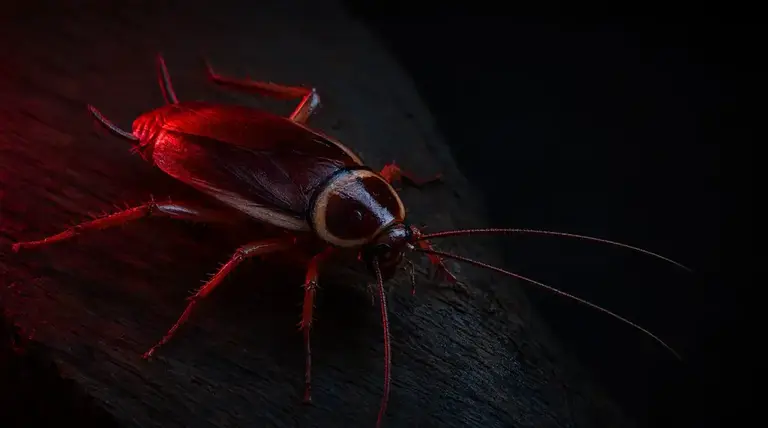
- Australia’s four main pest cockroaches are the German (12–15 mm, tan with two dark stripes), American (35–40 mm, reddish-brown), Australian (30–35 mm, dark with yellow wing margins) and Oriental (20–25 mm, dark and glossy).
- The German cockroach is the indoor breeder and the hardest to eliminate; the larger species mostly wander in from outside.
- Egg cases (oothecae) and nymphs are reliable identification clues alongside the adults.
- Professional cockroach treatments in Australia typically range from $180 to $450 depending on species and severity.
- Correct species identification is the first step — a licensed technician confirms it during a free inspection.
Why Cockroach Species Australia-Wide Thrive in Our Climate and Housing
Australia’s warm, humid climate gives cockroaches near-ideal breeding conditions for much of the year, and our housing stock gives them plenty of ways in. From tropical Queensland to temperate Melbourne, at least one pest species is active in every region.
Traditional Queenslanders with open subfloors, older homes on piers, and even modern brick veneer houses on concrete slabs all offer harbourage. Subfloor voids stay dark and damp, slab edges develop weep holes and cracks, and floor wastes in laundries and bathrooms connect kitchens straight to the drainage system. In northern Australia, warmth and humidity let outdoor species stay active year-round; in southern states, populations surge through summer and retreat into heated wall voids and roof spaces over winter. Understanding which of the cockroach species australia-wide you’re dealing with tells you whether the problem lives inside your walls or outside your fence line.
Warning Signs: How to Tell You Have a Cockroach Problem
The clearest warning signs are live or dead cockroaches, droppings, egg cases and a musty odour — and the details of each clue point to the species responsible. Check these indicators around kitchens, bathrooms, subfloors and garages.
- Night-time sightings — small tan roaches scattering when the kitchen light comes on almost always means German cockroaches breeding indoors.
- Droppings and smear marks — German cockroach droppings look like ground pepper around hinges and drawer runners; larger species leave cylindrical pellets.
- Egg cases (oothecae) — pale tan 5–8 mm capsules signal German cockroaches; darker ~8 mm capsules in sheltered spots point to American cockroaches.
- Shed skins and nymphs — young German cockroaches are dark with a pale stripe down the back; many nymphs indoors confirm active breeding, not stray wanderers.
- Musty, oily odour — a persistent smell in cupboards or under sinks indicates an established population.
- Daytime activity — seeing roaches in daylight usually means the harbourage is overcrowded and the infestation is advanced.
For a fuller rundown, read our guide to 7 Signs of a Cockroach Infestation You Shouldn’t Ignore.
Species Identification Guide: The Four Main Offenders
Size, colour and location are the three fastest ways to separate the four main pest species. Use the table below as a quick reference.
| Species | Size | Colour / marks | Where found |
|---|---|---|---|
| German | 12–15 mm | Tan, two dark pronotal stripes | Kitchens, appliances (indoor breeder) |
| American | 35–40 mm | Reddish-brown, pale figure-8 mark | Drains, subfloors, grease traps |
| Australian | 30–35 mm | Dark brown, yellow wing edges | Gardens, subfloors, entering from outside |
| Oriental | 20–25 mm | Dark, glossy, sluggish | Cool damp areas, drains, basements |
The German cockroach is the species behind most serious home and restaurant infestations. It breeds entirely indoors, matures in as little as 6–8 weeks, and a female’s ootheca can hold up to 40 eggs. Populations explode fast and resist many sprays, which is why we explain in detail in German Cockroach Infestations: Why They’re So Hard to Kill. The American cockroach is the big reddish invader from drains and grease traps — it can even fly short distances in hot weather, and our American Cockroaches in Australia: ID and Control Guide covers it in depth. The Australian cockroach looks similar but carries distinctive yellow margins on its wings and lives mainly in gardens. The Oriental cockroach is the damp-lover, favouring cool, wet subfloors, drains and basements — moisture control is central to managing it.
Egg cases are a second fingerprint: a German female carries her pale capsule almost until hatching, while American cockroaches drop darker capsules of around 16 eggs in sheltered spots. Finding many oothecae and nymphs indoors confirms breeding and pushes the plan toward intensive baiting rather than perimeter work alone.
DIY vs Professional Cockroach Treatment
DIY sprays and baits can knock down the occasional outdoor wanderer, but established infestations — especially German cockroaches — almost always need professional pest control with commercial-grade gel baits, insect growth regulators and proper harbourage treatment. Here’s an honest comparison.
| Factor | DIY approach | Professional treatment |
|---|---|---|
| Species identification | Guesswork from photos | Confirmed on-site by a licensed technician |
| Products | Supermarket sprays, surface bombs | APVMA-registered gel baits, IGRs, dusts |
| German cockroaches | Rarely successful; sprays can scatter them | Targeted baiting program with follow-up visits |
| Outdoor species | Can help with sealing gaps and hygiene | Perimeter, drain and subfloor treatment plus exclusion advice |
| Typical cost | $20–$80 in products, often repeated | $180–$450 with warranty on most services |
Cockroach Treatment Costs in Australia (2025–26)
Across the Australian pest control industry, a standard home cockroach treatment generally sits somewhere between $180 and $450 in typical market rates, with severe German cockroach infestations at the higher end because they demand multiple visits. What the market charges varies with property size, species and access.
| Service | Typical market rate (AUD) | What’s included / notes |
|---|---|---|
| General cockroach treatment (unit/ apartment) | Industry rates typically $180–$260 | Gel baiting, residual spray, dusting of voids |
| Standard house treatment | Industry rates typically $220–$320 | Interior plus perimeter, subfloor where accessible |
| German cockroach program | Industry rates typically $300–$450+ | Intensive baiting, IGR, 2–3 follow-up visits |
| Commercial / food premises | Industry rates from $80 per visit (scheduled) | Ongoing service agreement, monitoring, compliance reporting |
Chemical treatments should always be applied by a licensed technician using APVMA-registered products in line with the label. No reputable operator will promise a chemical is “100% safe” — they will explain the products, preparation and re-entry times clearly.
It’s worth knowing that Aussie Pest Strike typically comes in well under these general market rates while still delivering a fully licensed, professional service. For an exact quote tailored to your property, give us a call on [aps_phone].
Seasonal Cockroach Activity in Australia
Cockroach activity peaks from late spring through early autumn, when warmth and humidity drive breeding and push outdoor species indoors. German cockroaches stay active year-round inside heated buildings, but even indoor infestations surge in summer.
Jan
Feb
Mar
Apr
May
Jun
Jul
Aug
Sep
Oct
Nov
Dec
Typical activity pattern for outdoor cockroach species across most of Australia — peaking December to February, dipping over winter, with indoor German cockroaches active year-round.
Nine times out of ten, the “one big roach” a customer shows us is an American or Australian cockroach that’s wandered in from the garden — easy fix. It’s the small tan ones near the kettle that worry me, because where there’s one German cockroach there’s a breeding population hiding in the appliances. Identifying the species correctly is half the job done before we even open the kit.
Don’t treat blind. Photograph or trap a specimen, note where you saw it, and book a free inspection so the species is confirmed and the treatment matched to it. For anything beyond an occasional outdoor wanderer, professional Cockroach Control & Treatment is faster, safer and cheaper than months of repeated DIY sprays.
FAQ: Cockroach Species Australia
What is the most common cockroach species found in Australian homes?
The German cockroach is the most common and problematic species in Australian homes and food businesses. It breeds entirely indoors year-round, matures in 6–8 weeks and multiplies rapidly. The larger American, Australian and Oriental species usually live outdoors and only wander inside, making them far easier to manage.
How can I tell a German cockroach from an American cockroach?
Size and colour are the giveaways. German cockroaches are small (12–15 mm), tan, with two dark stripes behind the head, and live indoors in kitchens. American cockroaches are large (35–40 mm), reddish-brown with a pale figure-8 marking, and typically come from drains, subfloors and grease traps.
Do big cockroaches mean a worse infestation?
No — big cockroaches usually mean a less serious problem. Large American or Australian cockroaches generally wander in from outside as individuals, while small German cockroaches seen indoors typically signal a rapidly breeding, established population that is much harder and more costly to eliminate without professional treatment.
Correct identification is the foundation of effective cockroach pest control — treat a German infestation like an outdoor invader, or vice versa, and you’ll be chasing roaches for months. Aussie Pest Strike’s licensed technicians identify the species, locate the harbourage and match the treatment to it, with APVMA-registered products applied safely and a service warranty for peace of mind. Book your free on-site inspection with Aussie Pest Strike’s cockroach control team today — call us on [aps_phone] and get the right plan the first time.
Sources & further reading
Found Something
Dangerous?
Don’t touch it. Don’t spray it. Keep kids and pets clear, take a photo from a safe distance, and call us — or book a free inspection and we’ll come to you.
02 7235 0050