Why You Only SeeCockroaches at Night(And What It Means)
Why You Only See Cockroaches at Night (And What It Means): practical advice from Aussie Pest Strike. Free inspection — call 1300 782 273 today.
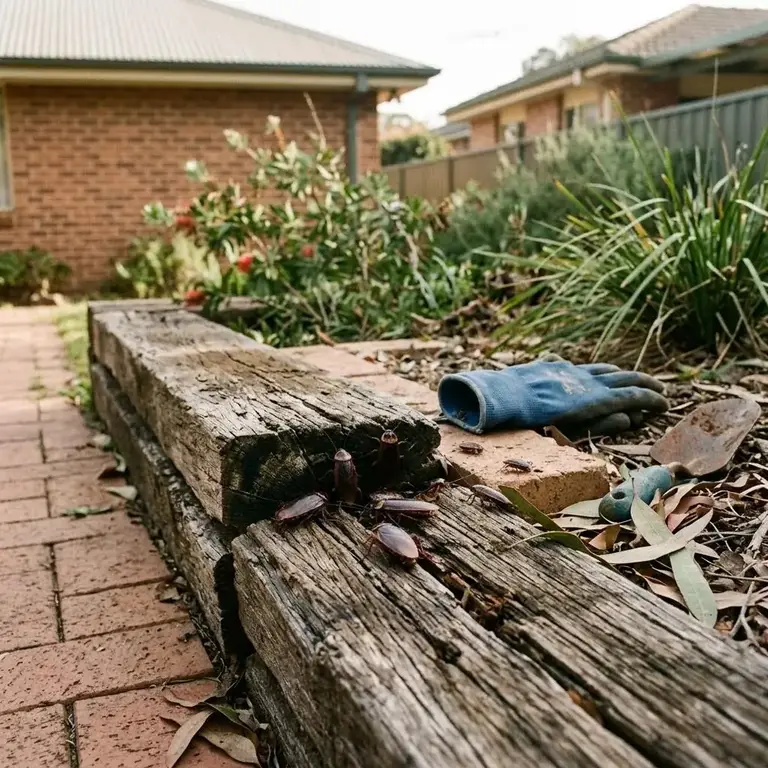
Spotting cockroaches at night is one of the most common pest complaints in Australian homes, and there’s a simple reason for it: cockroaches are nocturnal insects that hide in warm, dark crevices during daylight hours and emerge after lights-out to feed, drink and breed. If you only ever see them scurrying across the kitchen floor after dark, that’s normal cockroach behaviour — but it’s still a sign there’s a colony living somewhere in your home.
Put simply, seeing cockroaches only at night means they are following their natural nocturnal cycle, while seeing them during the day usually signals a well-established infestation that needs urgent attention. In this guide we’ll explain why cockroaches prefer darkness, which Australian species you’re most likely dealing with, the warning signs that matter, what treatment typically costs in 2025-26, and when to call in a licensed pest control technician.
- Cockroaches are nocturnal by nature — night-time sightings are normal behaviour, not a small problem.
- Daytime sightings are a red flag, usually meaning overcrowding, food scarcity or a large hidden colony.
- For every cockroach you see, dozens or even hundreds may be hiding in wall voids, appliances and cupboards.
- German cockroaches breed year-round indoors and escalate fast; larger species often wander in from gardens and drains.
- Professional cockroach treatment in Australia typically costs $180–$450+ depending on species and severity.
Why Cockroaches at Night Are Such an Australian Problem
Australia’s warm climate and housing styles create near-perfect conditions for nocturnal cockroach activity all year round. Cockroaches have survived for more than 300 million years partly because they’ve learned to avoid danger — light means predators such as birds, lizards, pets and people, so they’ve evolved a strong aversion to it, with flattened bodies built for squeezing into cracks where darkness is guaranteed.
Climate plays a huge role. In Queensland and northern New South Wales, hot humid summers drive American and smokybrown cockroaches indoors from drains, subfloors and garden beds on warm nights. In southern cities like Melbourne and Adelaide, cooler winters push cockroaches toward the warmth of fridges, ovens and hot water systems. Housing construction matters too: older Queenslanders on stumps offer shaded subfloor harbourages, brick veneer homes have wall cavities cockroaches love, and slab-on-ground builds still provide entry points around plumbing penetrations and weep holes.
Night-time also offers ideal feeding conditions. Kitchens are quiet, scraps sit on benches and in sinks, and humidity rises as the house cools. A cockroach’s antennae and leg hairs are extremely sensitive to air movement, which is why they scatter the instant you flick a light switch — they feel the change before they see you.
Australian Cockroach Species You’re Likely Seeing After Dark
The species you see at night determines how serious the problem is and how it should be treated. Three groups account for the vast majority of night-time cockroach sightings in Australian homes.
German cockroach. The small, tan-coloured German cockroach is the most common indoor species in Australia, particularly in kitchens, cafés and apartment blocks. It breeds year-round indoors, and a single female can produce thousands of offspring in a year — which is why infestations escalate so quickly in Sydney, Melbourne and Brisbane units. Our guide on German cockroach infestations and why they’re so hard to kill explains why this species defeats most DIY efforts.
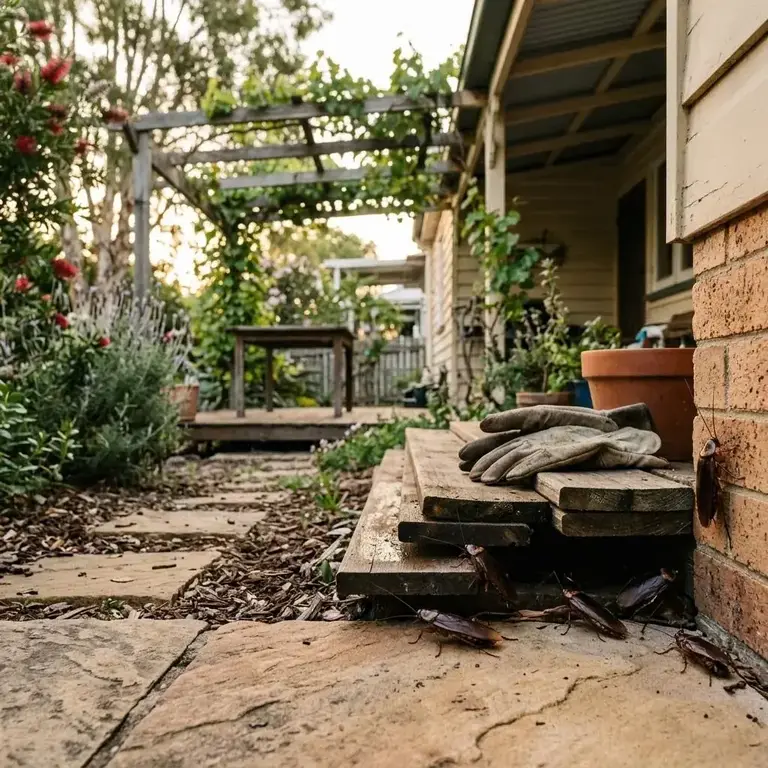
American and smokybrown cockroaches. The large reddish-brown American cockroach and the dark smokybrown prefer warm, humid conditions and are especially active through Queensland and New South Wales summers. They often enter homes from drains, subfloors and garden beds on hot nights, and both can glide short distances when disturbed. See our American cockroach identification and control guide for detailed advice.
Australian cockroach. Despite the name, this is an introduced species that favours gardens, mulch and greenhouses, wandering indoors on warm evenings — particularly during the northern wet season.
Warning Signs Your Night-Time Sightings Mean an Infestation
Occasional sightings of a large outdoor cockroach may be nothing, but certain signs confirm an established colony. Use a torch after dark and check for the following:
- Nightly sightings — seeing cockroaches every night, especially small tan ones, points to an indoor breeding population.
- Daytime sightings — cockroaches only abandon hiding spots in daylight when overcrowding forces weaker individuals out, food and water run short, or a DIY treatment has disturbed their harbourage.
- Droppings like ground pepper — small dark specks along benchtops, in cupboards and around appliances.
- Brown egg cases (oothecae) — capsule-shaped cases tucked into hinges, cardboard and crevices.
- Musty, oily odour — a distinctive smell that intensifies as numbers grow.
- Smear marks — dark streaks along skirting boards and around pipes in humid areas.
As a rule of thumb, for every cockroach you see there may be dozens — sometimes hundreds — hidden in wall voids, behind fridges and inside cupboards. Our article on the 7 signs of a cockroach infestation you shouldn’t ignore covers this in more detail.
DIY vs Professional Cockroach Treatment
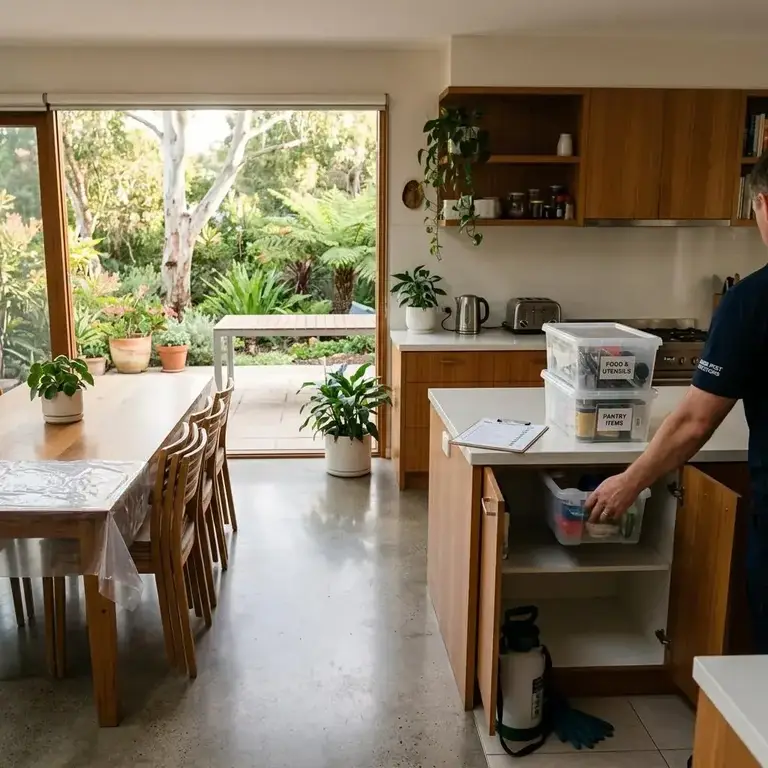
Good sanitation genuinely helps: wipe benches before bed, store food in sealed containers, empty the kitchen bin nightly, fix dripping taps, don’t leave pet food out overnight, and seal gaps around pipes with silicone. Sticky traps along skirting boards can monitor activity. However, be cautious with supermarket sprays — repellent products often scatter cockroaches deeper into wall voids and can contaminate the professional gel baits applied later. Licensed pest control technicians use APVMA-approved gel baits, insect growth regulators and residual treatments that reach harbourages DIY products can’t.
| Factor | DIY approach | Professional treatment |
|---|---|---|
| Upfront cost | $20–$80 in sprays and traps | $180–$450+ per treatment |
| Reach | Surface areas only; scatter risk | Wall voids, harbourages, breeding sites |
| Species identification | Guesswork | Correct ID drives the treatment plan |
| German cockroaches | Rarely effective long term | Gel baits + growth regulators target the colony |
| Chemical safety | Over-application risk | APVMA-approved products applied by licensed technicians |
Cockroach Treatment Costs in Australia (2025-26)
Across the Australian pest control industry, professional cockroach treatment generally costs between $180 and $450 for a standard home, with severe German cockroach infestations or large properties sitting higher. Market rates vary by state, property size and species, but the ranges below reflect what the industry typically charges.
| Service | Typical market rate (AUD) | What’s included/notes |
|---|---|---|
| General cockroach treatment (unit/apartment) | $180–$260 | Gel baiting, residual spray to kitchens and wet areas |
| Standard house treatment | $220–$350 | Internal and external treatment, subfloor where accessible |
| German cockroach program | $300–$450+ | Multi-visit baiting with insect growth regulators |
| Follow-up visit | $90–$150 | Re-baiting and monitoring, usually 2–4 weeks later |
These figures are general Australian market rates, not our pricing. Aussie Pest Strike typically comes in well under these industry rates while still delivering a thorough, guaranteed treatment. For an exact quote tailored to your property, give us a call on [aps_phone] today.
Seasonal Cockroach Activity Across Australia
Cockroach activity in Australia peaks through the warmer months from October to March, when heat and humidity drive breeding and outdoor species move indoors. German cockroaches remain active year-round inside heated kitchens, but visible activity in most homes follows the pattern below.
Jan
Feb
Mar
Apr
May
Jun
Jul
Aug
Sep
Oct
Nov
Dec
Typical cockroach activity pattern in Australian homes: activity climbs from spring, peaks in the humid summer months of December to March, then tapers through winter — except in tropical Queensland, where activity stays high year-round.
When a customer tells me they only see cockroaches at night, I tell them that’s actually the good news — it usually means we’ve caught it before the colony outgrows its harbourage. The moment someone reports daytime sightings, I know we’re dealing with a serious population and I’ll plan a multi-visit baiting program. Correct species identification is everything; treating a German cockroach problem like an outdoor species wastes everyone’s time and money.
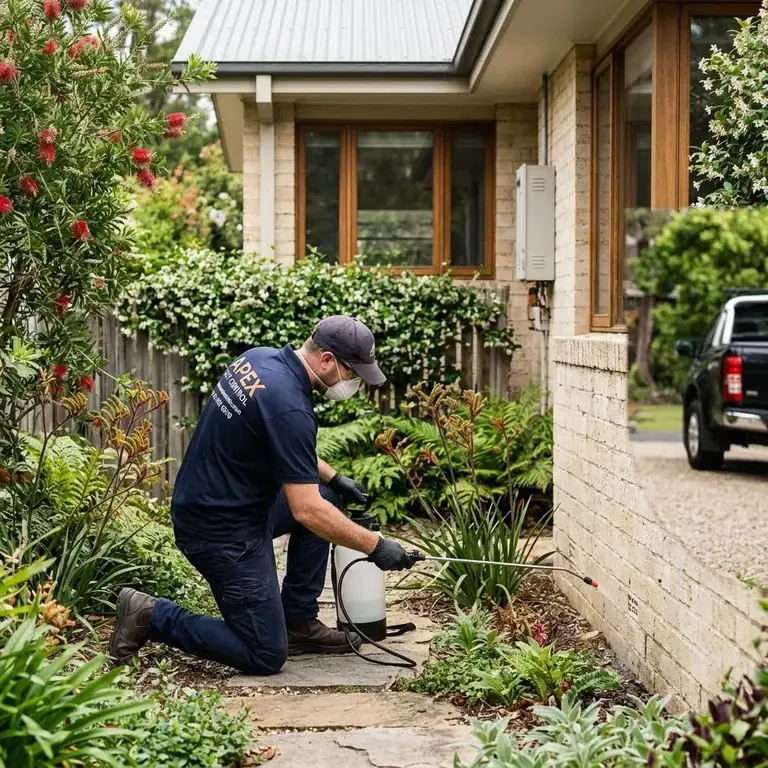
Don’t wait for daytime sightings to act. If you’re seeing cockroaches nightly, book a professional inspection now — early treatment is faster, cheaper and far more effective than tackling an established colony. Combine professional cockroach control and treatment with the sanitation steps above for the best long-term result.
Frequently Asked Questions
Why do I only see cockroaches at night?
Cockroaches are nocturnal insects that hide in warm, dark crevices during the day and emerge after lights-out to feed, drink and breed. They have evolved a strong aversion to light because it signals predators such as birds, lizards, pets and people. Their antennae and leg hairs are extremely sensitive to air movement, so they scatter the instant you flick a light switch.
Does seeing cockroaches only at night mean I have an infestation?
Night-time sightings are normal cockroach behaviour, but they still indicate a colony living somewhere in your home. For every cockroach you see, dozens or even hundreds may be hiding in wall voids, behind fridges and inside cupboards. Seeing them nightly, especially small tan ones, points to an indoor breeding population and is worth acting on early.
What does it mean if I see cockroaches during the day?
Daytime sightings are a red flag. Cockroaches only abandon their hiding spots in daylight when overcrowding forces weaker individuals out, food and water run short, or a DIY treatment has disturbed their harbourage. It usually signals a well-established infestation with a large hidden colony that needs urgent professional attention rather than casual monitoring.
Which cockroach species am I most likely seeing after dark?
Three groups account for most night-time sightings in Australian homes: German cockroaches (small, tan, common indoors), American and smokybrown cockroaches (large, favouring warm humid conditions and entering from drains, subfloors and garden beds), and Australian cockroaches (an introduced species that favours gardens and mulch and wanders indoors on warm evenings). Correct species identification drives the treatment plan.
Why do German cockroaches come out more after dark than other species?
German cockroaches breed year-round indoors, and a single female can produce thousands of offspring in a year, which is why infestations escalate quickly in units and kitchens. They defeat most DIY efforts; supermarket sprays often scatter them deeper into wall voids and can contaminate professional gel baits applied later. A multi-visit baiting program with insect growth regulators targets the colony itself.
What warning signs confirm a cockroach infestation?
Use a torch after dark and check for nightly sightings, daytime sightings, droppings like ground pepper along benchtops and cupboards, brown capsule-shaped egg cases (oothecae) tucked into hinges and crevices, a musty oily odour that intensifies as numbers grow, and dark smear marks along skirting boards and around pipes in humid areas.
What can I do myself to reduce cockroach activity at night?
Good sanitation helps: wipe benches before bed, store food in sealed containers, empty the kitchen bin nightly, fix dripping taps, don't leave pet food out overnight, and seal gaps around pipes with silicone. Sticky traps along skirting boards can monitor activity. Be cautious with supermarket sprays, as repellent products can scatter cockroaches deeper into wall voids.
Do cockroaches become more active in warmer months at night?
Activity peaks through the warmer months from October to March, when heat and humidity drive breeding and outdoor species move indoors. Visible activity climbs from spring, peaks across the humid summer months of December to March, then tapers through winter. In tropical Queensland, activity stays high year-round, while German cockroaches remain active year-round inside heated kitchens.
How can Aussie Pest Strike tell whether my night-time pest problem is actually cockroaches?
Correct species identification is everything, and Aussie Pest Strike technicians can distinguish cockroach activity from similar-looking issues such as beetle or cricket intrusions by examining droppings, egg cases, smear marks and harbourage patterns. Identifying whether you're dealing with German, American, smokybrown or Australian cockroaches determines whether surface treatments or a multi-visit baiting program is the right approach for your home.
What should I do next if I'm seeing cockroaches every night?
Don't wait for daytime sightings to act. Aussie Pest Strike recommends booking a professional inspection as soon as night-time sightings become regular, since early treatment is faster, cheaper and far more effective than tackling an established colony. Combine any professional treatment with the sanitation steps in this article — sealed food, emptied bins and fixed leaks — for the best long-term result.
Sources & further reading
Found Something
Dangerous?
Don’t touch it. Don’t spray it. Keep kids and pets clear, take a photo from a safe distance, and call us — or book a free inspection and we’ll come to you.
02 7235 0050