Do Cockroach BombsWork? An HonestAnswer for Australians
Do Cockroach Bombs Work? An Honest Answer for Australians: practical advice from Aussie Pest Strike. Free inspection — call 1300 782 273 today.
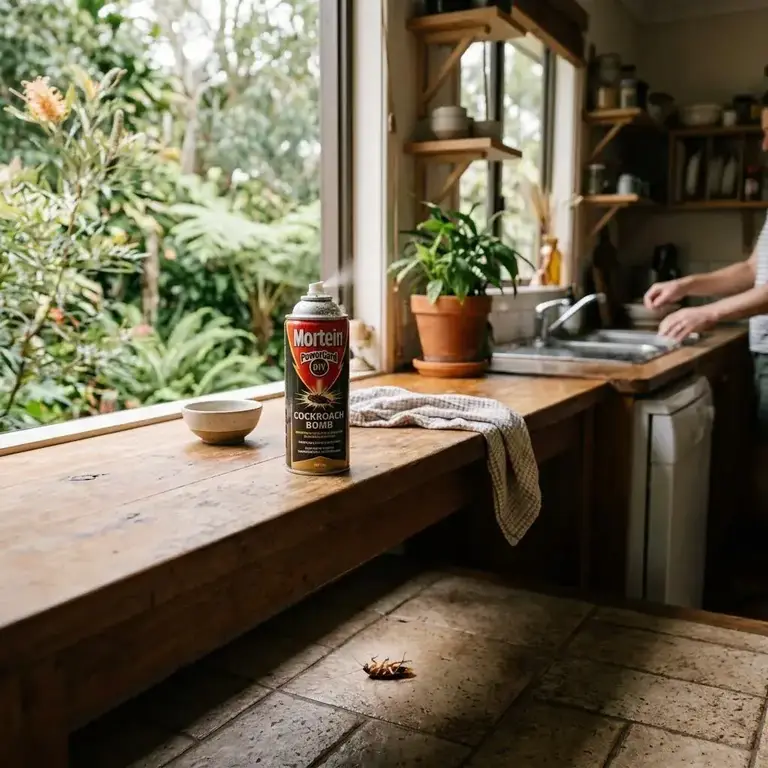
The short answer: cockroach bombs (also called foggers) can kill some exposed roaches, but they rarely wipe out an infestation on their own. In most Australian homes the nest hides in wall cavities, under fridges and inside cupboards where the fog can’t reach. A cockroach bomb is a total-release aerosol that floods a room with insecticide mist to kill pests caught in the open — that’s the honest definition, and it’s also the product’s biggest limitation.
If you’ve been Googling “do cockroach bombs work” at midnight after spotting one scuttle across the kitchen floor, you’re not alone. Every summer, Australians spend millions on supermarket foggers hoping for a quick fix. This guide gives you the straight answer on when they help, when they fail, the real safety risks, and what licensed pest control actually does differently — with realistic 2025-26 pricing so you can weigh up your options.
- Cockroach bombs kill exposed roaches but can’t penetrate wall voids, drains, fridge motors or the tight harbourages where infestations actually live.
- Egg cases survive fogging — nymphs typically hatch within two to four weeks, so infestations bounce back fast.
- Pyrethroid mist can scatter German cockroaches deeper into the building, spreading the problem to new rooms.
- Foggers carry real fire and chemical-exposure risks if label directions aren’t followed to the letter.
- Gel baits, insect growth regulators and targeted dusts applied by a licensed technician break the breeding cycle — bombs don’t.
Why Cockroach Bombs Are So Tempting in Australia
Cockroaches thrive in Australian conditions, which is exactly why so many households reach for a quick fogging fix. Warm, humid summers across Queensland and northern New South Wales supercharge breeding, while heated kitchens in Sydney and Melbourne let German cockroaches breed indoors all year round.
Housing styles play a big part too. Older Queenslanders on stumps give American and smokybrown cockroaches easy access through subfloor voids and drains. Brick-veneer homes on concrete slabs still have wall cavities, weep holes and expansion joints that shelter roaches. Apartment living — now the norm in many capital-city suburbs — means roaches can travel between units through shared plumbing and service ducts, so a bomb in one kitchen barely dents a building-wide problem. Add the fact that a two-pack of foggers costs under $30 at the supermarket while professional treatment feels like a bigger commitment, and the DIY temptation is obvious. The catch is that cheap-and-easy often turns into expensive-and-repeated.
Warning Signs a Cockroach Bomb Won’t Be Enough
If you’re seeing any of the following, the infestation is established and a fogger is very unlikely to fix it. Use this checklist before you spend another cent at the hardware store.
- Daytime sightings — cockroaches are nocturnal, so seeing them in daylight usually means overcrowding at the nest.
- Droppings like ground pepper — small dark specks along benchtops, in drawers and near the fridge signal active harbourages.
- A musty, oily odour — a noticeable smell in the kitchen or pantry points to a heavy, long-running infestation.
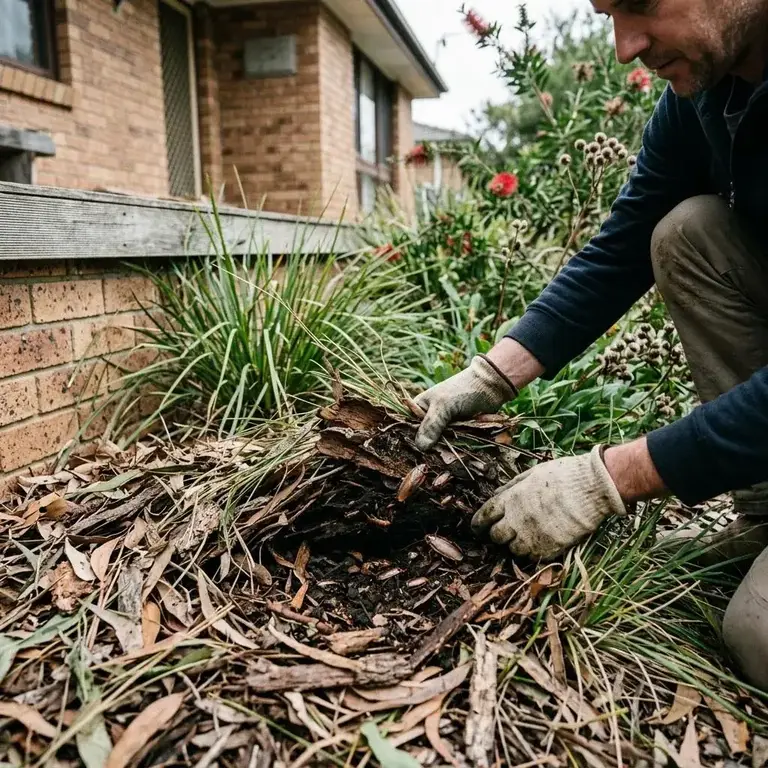
- Egg cases or shed skins — brown capsule-shaped oothecae behind appliances mean breeding is underway on-site.
- Smear marks — dark streaks along skirting boards, splashbacks and around plumbing penetrations in humid areas.
- Roaches in multiple rooms — activity beyond the kitchen suggests the population has already spread through wall voids.
Recognising two or more of these? Read our guide to the 7 signs of a cockroach infestation you shouldn’t ignore — it’ll help you gauge how far things have gone.
DIY Cockroach Bombs vs Professional Treatment
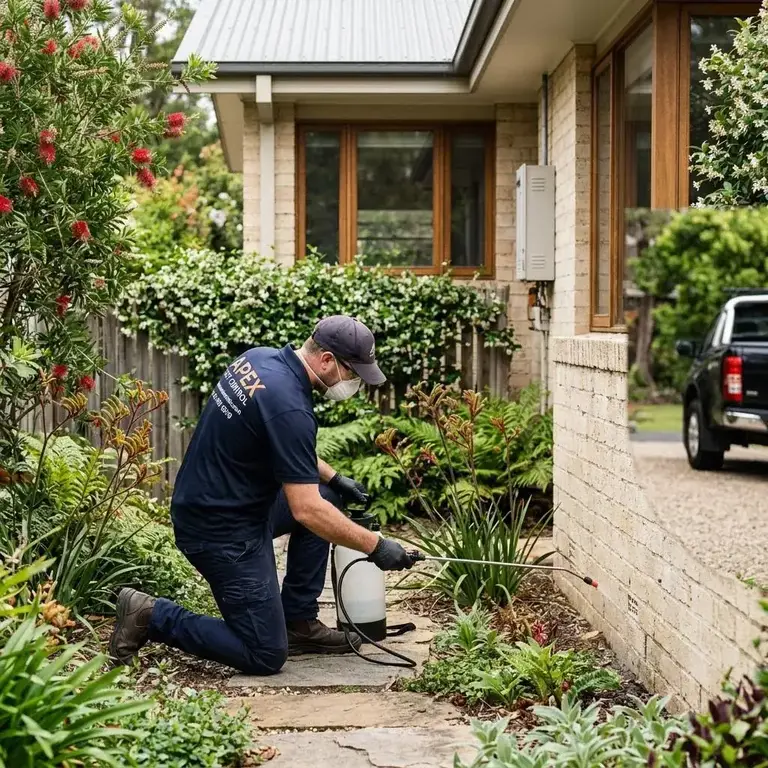
Bombs treat the air; professionals treat the nest. Licensed pest managers use gel baits placed directly into harbourages, insect growth regulators that stop survivors breeding, and insecticidal dusts for wall voids and roof spaces — a combination that collapses the colony rather than thinning it.
| Factor | Cockroach bomb (DIY) | Licensed professional |
|---|---|---|
| Reaches hidden harbourages | No — open air and flat surfaces only | Yes — baits and dusts placed in wall voids, hinges, motor housings |
| Kills eggs | No — egg cases shield eggs from the mist | Indirectly — growth regulators and bait transfer break the cycle |
| Species identification | None — one-size-fits-all pyrethroid | Yes — treatment tailored to German, American, Australian or smokybrown roaches |
| Risk of spreading the infestation | High — low-dose pyrethroid repels survivors deeper | Low — non-repellent baits create a domino kill effect |
| Typical upfront cost | $10–$30 per pack (often repeated) | $180–$450 for standard treatment |
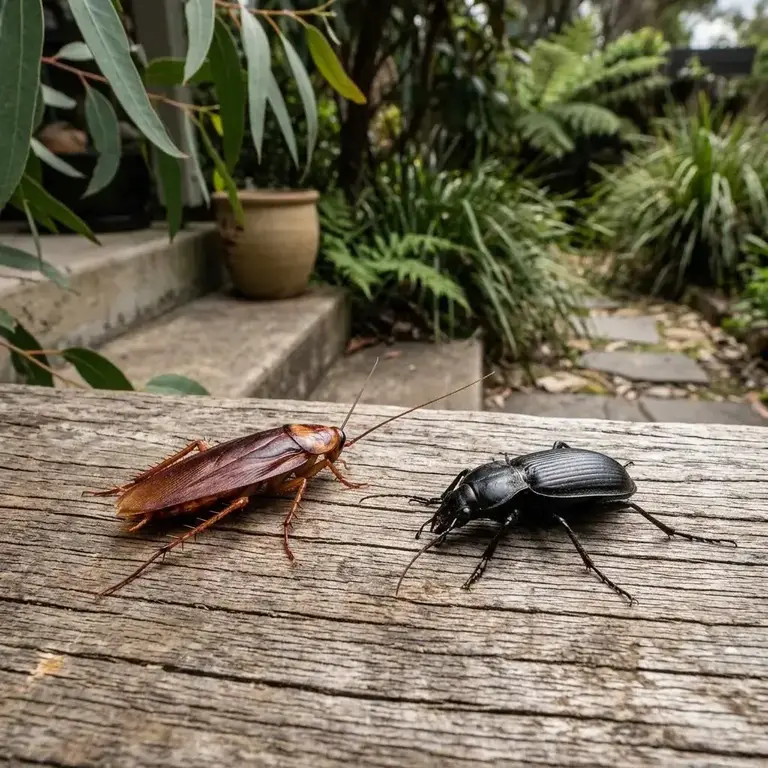
Species matters more than most people realise. German cockroach infestations are notoriously hard to kill because they breed indoors year-round and hide in gaps barely a millimetre wide — behind splashbacks, inside hinges, under benchtops. Larger outdoor species are a different game entirely; our American cockroach identification and control guide explains how subfloor, drain and garden sources need perimeter treatment rather than indoor fogging.
Safety Concerns You Should Know About Before Fogging
Foggers aren’t risk-free — they’re pressurised cans of flammable insecticide, and misuse sends a steady stream of calls to Australian poisons information centres every year. Fire authorities have also warned that multiple cans set off near pilot lights or gas stoves can ignite.
If you do decide to use one, follow the label to the letter:
- Switch off gas appliances, pilot lights and unnecessary electrical equipment first.
- Never use more cans than the label specifies for the room size.
- Remove or cover food, pet bowls, fish tanks and children’s toys.
- Stay out for the full label period — usually two to four hours — then ventilate well.
- Wipe down benchtops and food-preparation surfaces afterwards, as residue settles everywhere.
Households with young children, asthma sufferers, fish tanks or open-plan kitchens connected to gas should think twice. A licensed technician using APVMA-registered gel baits applies far less chemical, in far more precise locations — which is why professional pest control is often the lower-exposure option overall.
What Does Cockroach Treatment Cost in Australia (2025–26)?
Across the Australian market, a professional cockroach treatment generally costs between $180 and $450 for a standard home, with severe German cockroach infestations running higher due to follow-up visits. Industry rates vary by state, property size and species, but these are realistic market ranges you’ll see quoted around the country.
| Service | Typical market rate (AUD) | What’s included / notes |
|---|---|---|
| DIY cockroach bomb (2–3 cans) | $15–$35 | Supermarket fogger; kills exposed roaches only, often needs repeating |
| Standard professional treatment (unit/3-bed home) | $180–$300 | Inspection, gel baiting, dusts, targeted spray; suited to larger species |
| German cockroach program | $280–$450 | Intensive baiting plus growth regulator, usually with a follow-up visit |
| Severe or multi-room infestation | $400–$700+ | Multiple visits, void dusting, monitoring traps, sanitation advice |
| Annual pest control plan | $300–$600/yr | Scheduled treatments covering cockroaches and general pests |
Compare those market rates with the DIY treadmill: many households bomb two or three times, add surface sprays and traps, and still end up booking a professional — often having spent $100+ and lost a month while the population grew. Our cockroach control and treatment service starts with an inspection that identifies the species and finds the source, so the treatment plan actually matches the problem.
Here’s the good news: Aussie Pest Strike typically comes in well under these typical Australian market rates, without cutting corners on products or follow-up. For an exact quote tailored to your property and infestation, give us a call on [aps_phone] — we’ll talk you through the options and lock in a fair price on the spot.
Seasonal Cockroach Activity in Australia
Cockroach activity in Australia peaks from late spring through early autumn, with the worst pressure between November and March. Warm, humid weather accelerates breeding — eggs that take four weeks to hatch in winter can emerge in two during a Queensland summer — while winter sees indoor species like the German cockroach keep ticking along in heated kitchens.
Jan
Feb
Mar
Apr
May
Jun
Jul
Aug
Sep
Oct
Nov
Dec
Typical Australian cockroach activity by month: pressure builds from October, peaks over the humid summer months (December–March), and dips in winter — though indoor German cockroach activity never truly stops.
The practical takeaway: if you’re going to treat, do it before the summer breeding surge. A colony knocked down in September is far easier to control than one left to multiply through three humid months.
Most of the worst German cockroach jobs we walk into started with someone fogging the place two or three times. Each bomb pushes the survivors deeper into the wall cavities and spreads them into new rooms, so by the time we’re called the infestation is twice the size it needed to be. Spend the money once on a proper baiting program and you’ll spend less overall — and actually sleep at night.
Skip the bomb. Place a few sticky traps near the fridge, sink and dishwasher to confirm hot spots, tighten up sanitation — sealed food, fixed leaks, less cardboard clutter — and book a licensed inspection. If traps show activity beyond two weeks, a professional gel-bait and growth-regulator program is the fastest, lowest-exposure way to actually end the infestation rather than chase it around the house.
Frequently Asked Questions
Do cockroach bombs actually work?
Cockroach bombs can kill roaches that are caught in the open, but they rarely wipe out an infestation on their own. The insecticide mist only reaches open air and flat surfaces, while the nest typically hides in wall cavities, under fridges and inside cupboards where the fog cannot penetrate. Egg cases also survive fogging, with nymphs usually hatching within two to four weeks, so the problem often bounces back quickly.
Why don't foggers reach the cockroaches hiding in my home?
Foggers release a total-release aerosol mist that settles on exposed surfaces. Australian homes offer plenty of sheltered harbourages the mist cannot enter, including wall voids, drains, fridge motors, cupboard hinges and gaps barely a millimetre wide behind splashbacks and benchtops. German cockroaches in particular hide in these tight spaces, so a bomb thins out exposed individuals while the breeding population stays protected.
Can a cockroach bomb make an infestation worse?
Yes. Most bombs use low-dose pyrethroid insecticides that repel rather than kill hidden roaches. This can scatter survivors deeper into the building, pushing them through wall voids into new rooms or even neighbouring units in apartments connected by shared plumbing and service ducts. Many severe German cockroach infestations begin after someone has fogged a home two or three times, spreading the population instead of collapsing it.
What safety risks come with using cockroach bombs?
Foggers are pressurised cans of flammable insecticide, and misuse leads to calls to Australian poisons information centres every year. Fire authorities have warned that cans set off near pilot lights or gas stoves can ignite. Follow the label exactly: switch off gas appliances and unnecessary electrical equipment, never exceed the stated number of cans for the room size, remove food and pet items, stay out for the full label period, then ventilate and wipe down surfaces.
How do I know if a bomb won't be enough for my infestation?
Watch for warning signs of an established infestation: daytime sightings, droppings like ground pepper along benchtops and drawers, a musty oily odour in the kitchen or pantry, brown capsule-shaped egg cases or shed skins behind appliances, dark smear marks along skirting boards and plumbing penetrations, or activity in multiple rooms. If you notice two or more of these signs, the colony is established and a fogger is very unlikely to fix it.
How does professional treatment differ from using a cockroach bomb?
Bombs treat the air; professionals treat the nest. Licensed pest managers place gel baits directly into harbourages, apply insect growth regulators that stop survivors breeding, and use insecticidal dusts in wall voids and roof spaces. Non-repellent baits create a domino kill effect as roaches transfer the product to each other, breaking the breeding cycle rather than just thinning exposed numbers. Treatment is also tailored to the specific species involved.
How much does professional cockroach treatment cost compared with bombs?
A pack of supermarket foggers is cheap upfront, but because bombs rarely reach the cracks where cockroaches hide, most households end up buying several rounds without solving the problem. Professional treatment costs more per visit, yet it targets harbourages directly with gels and residual products, so it usually needs fewer repeat applications. For persistent infestations, especially German cockroaches, professional work often proves better value than repeated DIY attempts.
When is the best time of year to treat cockroaches in Australia?
Cockroach pressure builds from October and peaks over the humid summer months from December to March, when warm weather accelerates breeding — eggs that take four weeks to hatch in winter can emerge in two during a Queensland summer. Indoor species like German cockroaches keep breeding year-round in heated kitchens. The practical takeaway is to treat before the summer surge: a colony knocked down in September is far easier to control than one left to multiply through three humid months.
What should I discuss with Aussie Pest Strike about whether a cockroach bomb will fix my problem?
When you contact Aussie Pest Strike, expect to talk through where you are seeing roaches, how long the activity has been going on, and whether you have noticed signs like daytime sightings, droppings, egg cases or musty odours. Mention any bombs or sprays you have already used, since prior fogging can scatter roaches deeper into wall voids. The technician will identify the species involved and explain which treatment approach matches your situation.
What is a practical next step if I have been relying on cockroach bombs without success?
Stop spending money on repeated fogging, which often spreads survivors deeper into the building while the population keeps growing. Instead, book an inspection with Aussie Pest Strike so the species and source of the infestation can be identified properly. A treatment plan built around gel baits, growth regulators and targeted dusts addresses the nest itself rather than just exposed roaches, giving you a realistic path to breaking the breeding cycle.
Sources & further reading
Found Something
Dangerous?
Don’t touch it. Don’t spray it. Keep kids and pets clear, take a photo from a safe distance, and call us — or book a free inspection and we’ll come to you.
02 7235 0050