Fly Screens: YourFirst Lineof Pest Defence
Fly screens are one of the simplest and most effective ways to keep flies, mosquitoes and other unwanted pests out of your Australian home. Fitted to...
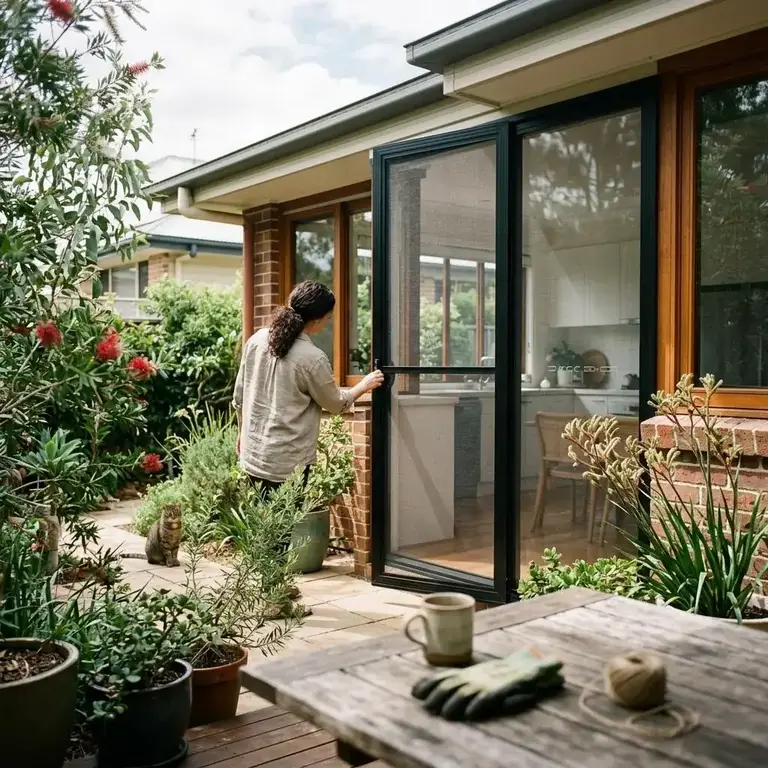
When it comes to keeping flies, mosquitoes and other winged intruders out of your home, fly screens are the first line of pest defence for Australian households — a simple l-shaped frame and mesh that does the hard work so chemical sprays don’t have to. Fitted to windows and doors, they let the breeze in while blocking insects, cutting the need for repeated pest control call-outs and reducing the risk of bites, food contamination and insect-borne disease.
In plain terms, a fly screen is a framed mesh barrier installed over a window or door opening that physically excludes flying insects while still allowing ventilation — making it one of the most cost-effective, chemical-free pest management tools available to Australian homeowners. This guide covers why screens matter across Australia’s varied climates, the warning signs your screens are failing, DIY versus professional fitting, realistic 2025–26 costs in AUD, and the seasonal patterns that should shape your maintenance routine.
- Fly screens are a physical, chemical-free barrier that stops flies, mosquitoes and midges before they enter — working around the clock for households with kids and pets.
- Standard fibreglass mesh blocks flies and most mosquitoes; biting midges (sandflies) require a finer midge mesh, especially near waterways and the coast.
- Expect to pay roughly $150–$400 per window screen and $350–$900 for hinged or sliding screen doors in 2025–26, depending on mesh type and frame.
- Inspect screens every spring and after summer storms — a torn corner or a few millimetres of frame gap undoes the whole system.
- Screens exclude pests but won’t fix an established infestation; breeding sources inside need a licensed technician.
Why Fly Screens Matter Across Australia
Fly screens matter across Australia because our climate is tailor-made for flying insects, and our housing styles — from elevated Queenslanders to slab-on-ground brick veneer — give pests countless entry points. A well-fitted screen creates a physical barrier that stops insects before they enter, working 24 hours a day without chemicals.
From the bush fly (Musca vetustissima) that swarms through spring and summer in most states, to blowflies and house flies that breed rapidly in warm weather, Australian homes face constant pressure. Mosquitoes are more than a nuisance — species such as Aedes notoscriptus and Culex annulirostris can carry Ross River virus and Barmah Forest virus, while Far North Queensland also manages dengue risk during the wet season. In coastal areas, biting midges (often called sandflies) make evenings miserable from about September through April.
Housing style shapes your risk. Older Queenslanders on stumps have gaps around verandah doors and casement windows that rarely seal without purpose-fitted screens. Brick veneer homes on concrete slabs often have aluminium sliding windows that take standard fixed screens easily, but weep holes and vents still need attention. Homes with subfloors can harbour fly breeding sites beneath the floorboards — screens stop the adults getting in, but not the source. For food businesses, screening also supports compliance with FSANZ Standard 3.2.2, which requires practicable measures to exclude pests from food handling areas.
Screens are equally relevant if you’re changing address or renting. Our Moving House? The Pest Checklist Nobody Gives You walks through screen and seal checks before you unpack, while tenants unsure who pays for screening should read Pest Control in Rentals: Your Rights as a Tenant. Owners, meanwhile, can review Landlord Pest Control Obligations in Australia to understand where screens sit within a property’s overall pest-readiness.
Warning Signs Your Fly Screens Aren’t Doing Their Job
The clearest warning sign of failing fly screens is finding live flies or mosquitoes indoors despite windows being screened — a screen only works when the mesh is intact and the frame seals snugly. Run through this checklist each spring:
- Tears, holes or frayed edges — even a small tear in a corner is an open door for flies and mosquitoes; patch small holes or rescreen the frame.
- Gaps between frame and jamb — a few millimetres of daylight around the frame is an open invitation, particularly on older timber windows that have warped.
- Brittle or faded mesh — harsh Australian sun degrades fibreglass mesh over time; if it crumbles at the touch, replacement is due.
- Corroded frames or mesh — coastal salt air eats through cheaper aluminium mesh; pitting and white oxidation signal it’s time to upgrade, possibly to stainless steel.
- Doors that don’t self-close — a screen door left ajar defeats the purpose; check closers, latches and door sweeps.
- Increased indoor insect activity — constant swatting despite closed windows suggests either screen failure or a breeding source nearby that needs professional pest control attention.
DIY vs Professional Fly Screen Installation
Simple fixed screens and magnetic renter-friendly options are genuine DIY jobs, but awkward window shapes, security-rated mesh and whole-house fit-outs are usually better handled by a professional installer with the right tools and l-series frame stock. The difference comes down to fit: a professional measures to the millimetre so the frame seals against the jamb, which is where most DIY jobs fall short.
| Factor | DIY | Professional |
|---|---|---|
| Best for | Standard sliding windows, magnetic screens, rescreening existing frames | Odd-shaped windows, bifold/servery openings, security and bushfire-rated screens |
| Fit and seal | Risk of small gaps if measuring is off | Measured and fitted to seal snugly against the jamb |
| Cost | Materials only — kits from roughly $30–$120 | Higher upfront, but includes warranty and correct mesh selection |
| Renters | Magnetic, drill-free options avoid lease issues | Usually requires landlord approval for fixed fittings |
Fly Screen Costs in Australia (2025–26)
Typical Australian market rates for fly screens range from around $30 for a DIY rescreening kit to over $1,500 for a stainless steel security door, with most households spending a few hundred dollars per opening at standard industry rates for a professional fit. What the market generally charges varies with mesh type, frame material and whether you opt for midge-proof, pet-resistant or bushfire-rated options.
| Service | Typical cost (AUD) | What’s included/notes |
|---|---|---|
| DIY rescreening kit | $30–$120 | Mesh, spline and roller tool; suits standard frames |
| Fixed window screen, supplied and fitted | $150–$400 per window | Aluminium frame, fibreglass mesh; midge mesh adds cost |
| Hinged or sliding screen door | $350–$900 | Frame, mesh, closer and lock; pet mesh upgrade available |
| Retractable screen (servery/bifold) | $500–$1,500 | Cassette system sized to opening; wide spans cost more |
| Stainless steel security/bushfire-rated screen door | $900–$1,800+ | Corrosion-resistant; can support ember protection under AS 3959 for certain BAL ratings |
Keep in mind these figures are typical Australian market rates across the industry, not fixed prices. Aussie Pest Strike typically comes in well under these market rates while still delivering a quality, professional fit. For an exact quote tailored to your home or business, give us a call on [aps_phone] — we’ll sort you out with a fair price and a fast turnaround.
Seasonal Fly and Mosquito Pressure in Australia
Fly and mosquito pressure across Australia builds through spring, peaks in the hot, wet months of summer and early autumn, then eases through winter — though tropical northern regions see meaningful activity year-round. Time your screen inspections and repairs for late winter or early spring so everything is sealed before the season ramps up.
Jan
Feb
Mar
Apr
May
Jun
Jul
Aug
Sep
Oct
Nov
Dec
Indicative flying-insect pressure across temperate southern Australia. Activity climbs from September, peaks December to February with heat and summer storms, and drops away over winter. Tropical Far North Queensland sustains higher year-round activity, with mosquito risk spiking in the wet season.
Nine times out of ten, when a customer says their screens “don’t work”, we find a warped frame or a tear the size of a coin — that’s all a blowfly needs. Screens are brilliant at exclusion, but they’re only one layer. If flies are breeding in the subfloor or there’s a wasp nest in the eaves, no mesh in the world will fix it; you need the source found and treated properly.
Inspect every screen in your home this spring: repair or rescreen damaged mesh, confirm frames seal against the jamb, fit door sweeps and self-closers, and drain standing water from gutters, bird baths and pot plant saucers. Choose midge mesh near waterways and the coast, pet-resistant mesh for high-traffic doors, and stainless steel in corrosive coastal air. If insects keep appearing despite intact screens, book a licensed technician to locate and treat the breeding source.
Frequently Asked Questions
What is a fly screen and how does it keep pests out of my home?
A fly screen is a framed mesh barrier fitted over a window or door opening that physically excludes flying insects while still letting fresh air through. Because it blocks flies, mosquitoes and midges before they enter, it works around the clock without chemicals, reducing the need for repeated pest control call-outs and lowering the risk of bites, food contamination and insect-borne disease.
What mesh type do I need to keep out biting midges or sandflies?
Standard fibreglass mesh will block flies and most mosquitoes, but biting midges (often called sandflies) are small enough to pass through ordinary mesh. If your home is near waterways or the coast, where midges are active from about September through April, you should choose a finer midge mesh. Midge mesh typically adds to the cost of a professionally fitted screen.
How much do fly screens cost in Australia in 2025–26?
Fly screen pricing varies widely depending on the type you choose. A basic DIY rescreening kit sits at the budget end, while fixed window screens generally cost less than hinged, sliding or retractable options. Stainless steel security screens and specialty mesh, such as pet-resistant or bushfire-rated varieties, sit at the premium end. Frame material, screen size and installation method all influence the final figure, so comparing quotes for your specific windows and doors is the best way to gauge cost.
What are the warning signs that my fly screens are failing?
The clearest sign is finding live flies or mosquitoes indoors despite screened windows. Check each spring for tears, holes or frayed edges; gaps of even a few millimetres between the frame and the jamb; brittle or faded mesh degraded by harsh sun; corroded frames or mesh in coastal salt air; screen doors that no longer self-close properly; and increased indoor insect activity despite closed windows.
Can I install fly screens myself or should I hire a professional?
Many fly screens are well suited to DIY installation. Fixed screens on standard sliding windows, magnetic options for renters and rescreening existing frames are straightforward projects for most households. However, awkward window shapes, bifold or servery openings, security-rated mesh and whole-house fit-outs generally benefit from a professional installer, who measures precisely so the frame seals snugly against the jamb — the point where most DIY jobs fall short.
When is the best time of year to inspect and repair my fly screens?
Fly and mosquito pressure builds through spring, peaks over the hot, wet summer months and early autumn, then eases through winter, though tropical northern regions see activity year-round. Time your inspections and repairs for late winter or early spring so every screen is sealed before the season ramps up, and recheck after summer storms, which can tear mesh or knock frames out of alignment.
Do fly screens work if I already have an insect infestation?
No. Screens are excellent at excluding pests but they will not fix an established infestation. If flies are breeding in your subfloor, or there is a wasp nest in the eaves, no amount of mesh will solve the problem because the source remains untreated. In those situations you need a licensed technician to locate and treat the breeding source, with screens serving as one layer of defence.
Which mesh should I choose for coastal homes or homes with pets?
Coastal salt air corrodes cheaper aluminium mesh, so pitting and white oxidation signal it is time to upgrade, possibly to corrosion-resistant stainless steel. For high-traffic doors where claws and constant use wear mesh quickly, pet-resistant mesh is a worthwhile upgrade. Near waterways and the coast, choose finer midge mesh to exclude biting midges that pass through standard fibreglass.
Can I check whether Aussie Pest Strike can help with my fly screen or flying insect problem?
Yes. Aussie Pest Strike can advise on fly screen fitting, repairs and the flying insect pressure affecting your home, including issues like midge mesh selection near waterways or breeding sources that screens alone cannot fix. The simplest way to confirm what is available for your situation is to get in touch directly and describe your property and the problem, so the team can talk you through suitable options.
What is the practical next step if insects keep getting inside despite intact screens?
If insects continue appearing indoors even though your mesh is undamaged and frames seal against the jamb, the likely cause is a breeding source nearby, such as a subfloor, gutters or standing water in pot plant saucers. Aussie Pest Strike can arrange a licensed technician to locate and treat that source properly, complementing your screens rather than replacing them, so exclusion and source control work together.
Sources & further reading
Found Something
Dangerous?
Don’t touch it. Don’t spray it. Keep kids and pets clear, take a photo from a safe distance, and call us — or book a free inspection and we’ll come to you.
02 7235 0050