Vacant Properties:Why Pests MoveIn Fast
Vacant properties why — Vacant property pests — vacant properties attract pests within days because empty buildings offer undisturbed shelter, dry drains...
An empty home attracts pests fast — often within days of the last person walking out the door. Across Australia, vacant property pests find exactly what they’re looking for in an unoccupied house: undisturbed shelter, drying drains and zero human activity, with rodents, cockroaches and spiders first in line. A vacant property is any home left unoccupied for weeks or months — between tenants, during a sale, after a deceased estate, or as an unused holiday house — and it is one of the highest-risk scenarios for infestation.
There’s a persistent myth that an empty house is safer from pests because there’s no food. The reality is the opposite: pests want warmth, shelter and safety far more than they need a stocked pantry. If you’re managing an empty rental, preparing a place for sale, or working through a moving house pest checklist, this guide explains why pests move in so quickly, what to watch for, and how to protect a vacant property before a small issue becomes an expensive one.
- Pests can establish in a vacant property within days — spiders and ants first, cockroaches within 2–3 weeks, rodents within a month.
- Dry drain traps are a direct highway from the sewer into the home; refill them monthly or add oil to slow evaporation.
- The most damaging invaders — termites and rodents in wall cavities — work out of sight, so proactive inspections beat waiting for visible signs.
- A documented pest inspection at the start of a vacancy protects landlords, agents and executors by recording the property’s condition.
- Professional vacant-property pest control in Australia typically costs $150–$450 for general treatments, with termite inspections from around $250.
Why Vacant Property Pests Target Empty Homes Across Australia
A vacant property attracts pests quickly because Australian conditions — warmth, humidity and housing styles with accessible roof and subfloor spaces — let insects and rodents establish almost immediately once disturbance stops. The absence of people removes the single biggest deterrent most pests face.
Australian homes are particularly vulnerable when empty. Older Queenslanders and weatherboard homes on stumps have open subfloors that rodents and possums exploit. Brick veneer houses on concrete slabs still have weep holes, expansion joints and roof voids that give entry to mice (which squeeze through a 6mm gap) and insects. In tropical and subtropical regions, summer heat dries out floor waste and shower traps within two to three weeks, opening a direct path for cockroaches and drain flies from the sewer network. In southern states, vacant homes through autumn and winter become warm, dry refuges for rats and mice moving indoors.
Container-breeding mosquitoes complete their life cycle in about a week in any forgotten bucket, pot plant base or blocked gutter. And over longer vacancies — three months or more — termite activity can progress completely unchecked, which is a serious concern given how common subterranean termites are across mainland Australia. If the property is a rental sitting empty between tenancies, it’s worth understanding landlord pest control obligations in Australia, because an infestation that takes hold during a vacancy can become a compliance and cost problem fast.
Warning Signs: Pests in a Vacant Property
The clearest warning signs of pests in a vacant property are droppings, webbing, gnaw marks and musty odours found during walk-through inspections. Because the most destructive pests hide in wall cavities, roof voids and subfloors, you need to look actively rather than wait for obvious evidence. Check for the classic signs of rats and mice in the home on your very first visit back.
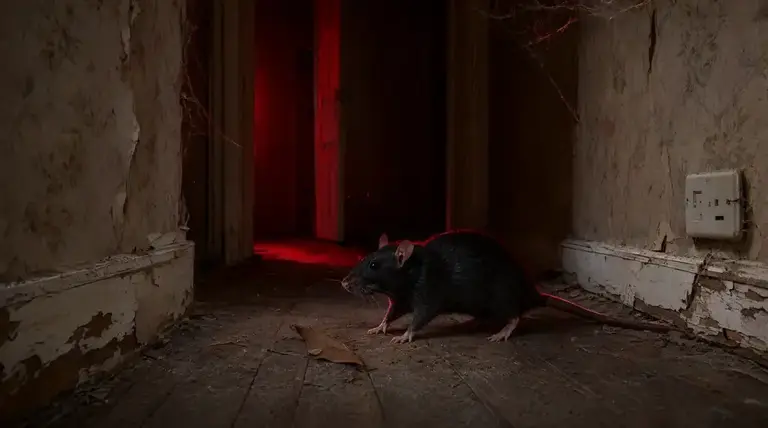
- Droppings in kitchens, pantries and along skirting — small, dark pellets indicating rodent activity, often near forgotten food items.
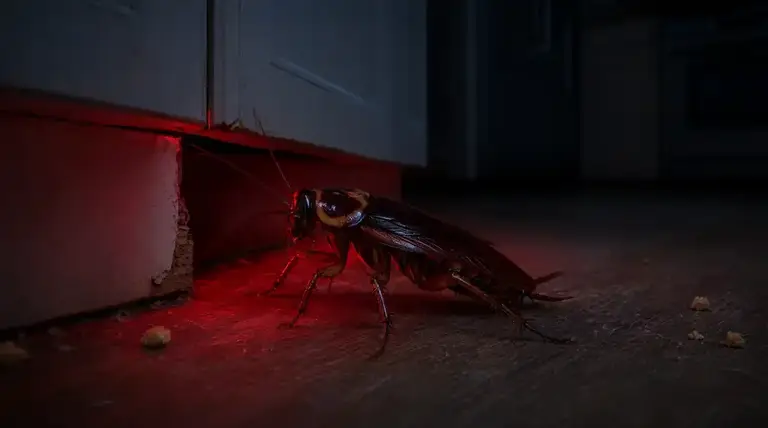
- Cockroach sightings or egg cases near drains — a telltale sign that floor waste or shower traps have dried out and opened the sewer pathway.
- Heavy spider webbing in corners, garages and eaves — a reliable indicator the home has been undisturbed for weeks.
- Gnaw marks on wiring, timber or stored boxes — rodents chew constantly and can create fire risks in an unoccupied building.
- Scratching sounds in the roof or walls — often rats, or possums testing the roof void after a month or two of vacancy.
- Mud tubes on foundations, stumps or internal walls — termite workings that signal active, progressing damage.
- Swarms of small flies near floor drains — drain or sewer flies breeding in stagnant or dry-trap pipework.
- Mosquito activity around the yard — pointing to standing water in gutters, pots or containers around the property.
DIY vs Professional Pest Control for a Vacant Property
Basic DIY measures — refilling drain traps, sealing gaps and regular walk-throughs — are genuinely effective for prevention, but established infestations in a vacant property usually need a licensed technician. Chemical treatments should always be applied by a licensed pest control professional using APVMA-registered products, as no product is 100% safe or guaranteed in every situation.
| Approach | Best for | Limitations |
|---|---|---|
| DIY prevention (traps refilled, gaps sealed, mesh on vents, monthly walk-throughs) | Short vacancies, low-risk properties, early-stage prevention | Won’t reach nests in wall cavities, roof voids or subfloors; no detection of hidden termites |
| Store-bought sprays and baits | Minor ant or spider activity | Treats symptoms, not the source; overuse can scatter cockroach colonies |
| Licensed professional treatment | Established rodent, cockroach or termite activity; pre-sale or pre-tenancy clearance | Higher upfront cost, but includes inspection, targeted treatment and a service warranty |
Practical DIY steps that do work: refill drain traps monthly (or add a little cooking oil to slow evaporation), seal external gaps over 6mm, fit insect mesh to vents, keep grass and vegetation cut back from walls, and remove every edible item — even a forgotten pantry staple draws rodents that then chew wiring. These dovetail with general pest prevention for Australian homes, scaled up against vacant property pests in an unoccupied building, and mirror the approach used for holiday home pest control.
How Much Does Vacant Property Pest Control Cost in Australia?
Across Australia, the going market rate for vacant property pest control typically sits between $150 and $450 for a general treatment, while most operators charge somewhere in the $350 to $600 range for a combined pest and termite inspection on an empty home, depending on property size and location. The figures below reflect what the industry generally charges in 2025–26 — they’re typical Australian market rates, not any one company’s price list.
| Service | Typical Australian market rate (AUD) | What’s included/notes |
|---|---|---|
| General pest treatment (cockroaches, spiders, ants) | $150–$350 is what the industry generally charges | Internal and external spray, roof void and subfloor dusting where accessible |
| Rodent control program | $200–$450 is the typical market rate | Bait stations, trapping, entry-point advice, follow-up visit |
| Termite inspection (vacant property) | $250–$400 is the going industry rate | Full timber pest inspection with written report — ideal at the start of a vacancy |
| Combined pest + termite package | $350–$600 is what most operators charge | Inspection plus general treatment; best value before sale or new tenancy |
| Quarterly monitoring (long vacancies) | $90–$180 per visit is the usual market rate | Scheduled checks, bait servicing and activity reporting for agents and executors |
For property managers, agents and executors handling a deceased estate, a documented inspection at the start of a vacancy does double duty: it records the condition of the property and flags any active infestation before it worsens on your watch. Tenants moving into a previously vacant rental should also know their position — see Pest Control in Rentals: Your Rights as a Tenant — because pests present at the start of a lease are generally the landlord’s responsibility.
One more thing worth knowing: Aussie Pest Strike typically comes in well under these general market rates. Call us on [aps_phone] and we’ll give you an exact quote for your property — no guesswork, no obligation.
Seasonal Pest Pressure on a Vacant Property
Pest pressure on a vacant property in Australia peaks through the warmer months (October to March), when insects breed fastest and drain traps dry out quickest, and lifts again in autumn as rodents move indoors ahead of winter. There is no genuinely “safe” season for an empty home.
Jan
Feb
Mar
Apr
May
Jun
Jul
Aug
Sep
Oct
Nov
Dec
Indicative pest pressure on vacant Australian homes by month. Summer heat drives cockroach, ant, mosquito and termite activity while drying drain traps fastest; autumn and winter see sustained rodent pressure as rats and mice seek shelter indoors.
The jobs that surprise people most are the vacant ones — owners assume an empty house is a safe house. In reality, we regularly find rodent nests in roof voids and cockroaches coming up through dry floor wastes within weeks of a property being left. A quick inspection at the start of a vacancy saves owners thousands compared to what we find after six months of neglect.
Book a professional pest inspection the week any property becomes vacant, refill drain traps monthly, seal gaps over 6mm, and arrange walk-throughs at least once a month. For vacancies beyond three months, schedule quarterly professional checks with a termite inspection included — it is far cheaper than repairing established damage.
Frequently Asked Questions
How quickly do pests move into a vacant property?
Pests can establish in a vacant property within days of the last person leaving. Spiders and ants typically arrive first, cockroaches within two to three weeks, and rodents within about a month. Over longer vacancies of three months or more, termite activity can progress completely unchecked. The absence of human activity removes the biggest deterrent most pests face, so an empty home is not a safe home.
Why do pests target empty homes if there is no food?
The idea that an empty house is safer from pests because there is no food is a myth. Pests want warmth, shelter and safety far more than they need a stocked pantry. A vacant Australian home offers undisturbed shelter, accessible roof voids and subfloors, drying drains connected to the sewer network, and zero human disturbance — everything rodents, cockroaches and spiders need to settle in quickly.
What warning signs show pests have moved into a vacant property?
Look for droppings in kitchens, pantries and along skirting; cockroach sightings or egg cases near drains; heavy spider webbing in corners, garages and eaves; gnaw marks on wiring, timber or stored boxes; scratching sounds in the roof or walls; mud tubes on foundations or internal walls indicating termites; swarms of small flies near floor drains; and mosquito activity around the yard pointing to standing water. Because destructive pests hide out of sight, active inspection beats waiting for obvious evidence.
Why are dry drain traps a problem in vacant homes?
In tropical and subtropical regions, summer heat can dry out floor waste and shower traps within two to three weeks of a home being empty. Once the water seal in a trap evaporates, it opens a direct highway from the sewer network into the house for cockroaches and drain flies. Refill drain traps monthly, or add a little cooking oil to slow evaporation and keep the seal intact.
What DIY steps actually help protect a vacant property from pests?
Effective DIY measures include refilling drain traps monthly (or adding cooking oil to slow evaporation), sealing external gaps over 6mm, fitting insect mesh to vents, keeping grass and vegetation cut back from walls, removing every edible item, and doing regular walk-through inspections. These suit short vacancies and early-stage prevention, but they will not reach nests hidden in wall cavities, roof voids or subfloors, or detect hidden termite activity.
When does a vacant property need professional pest control instead of DIY?
Established rodent, cockroach or termite activity usually needs a licensed technician, as does pre-sale or pre-tenancy clearance. Chemical treatments should always be applied by a licensed pest control professional using APVMA-registered products. Store-bought sprays and baits treat symptoms rather than the source, and overuse can scatter cockroach colonies. Professional treatment includes inspection, targeted treatment of hidden harbourages and follow-up support that DIY cannot match.
How much does vacant property pest control cost in Australia?
Vacant property pest control costs depend on the type of service, the size of the property, and how long it has been empty. A general pest treatment usually costs less than a combined pest and termite package, while ongoing monitoring for long vacancies is typically charged per visit. Termite inspections on vacant homes often cost more than standard inspections because they require more thorough checks. The best way to know what you will pay is to request a quote tailored to your specific property and situation.
When is pest pressure highest on a vacant property?
Pest pressure peaks through the warmer months from October to March, when insects breed fastest and drain traps dry out quickest, driving cockroach, ant, mosquito and termite activity. Pressure lifts again in autumn as rats and mice move indoors seeking warm, dry shelter ahead of winter. There is no genuinely safe season for an empty home, so year-round vigilance matters regardless of when the vacancy begins.
What should I discuss with Aussie Pest Strike about protecting my vacant property?
A technician can talk through how long the property has been empty, its construction style and region, any signs you noticed during walk-throughs such as droppings, webbing or drain flies, and whether the vacancy is short-term or open-ended. They can explain which treatments suit the situation, whether a termite inspection is worthwhile at the start of the vacancy, and what ongoing monitoring might look like for agents or executors managing the property.
What is a practical next step before my property sits vacant?
Arrange a documented pest inspection at the start of the vacancy. For landlords, agents and executors handling deceased estates, this records the property's condition and flags any active infestation before it worsens. Aussie Pest Strike can inspect the home, refill advice on drain traps, identify entry points needing sealing, and set up a monitoring schedule for longer vacancies, giving you a clear baseline to compare against at each future visit.
Sources & further reading
Found Something
Dangerous?
Don’t touch it. Don’t spray it. Keep kids and pets clear, take a photo from a safe distance, and call us — or book a free inspection and we’ll come to you.
02 7235 0050