Holiday HomePest Control: VacantProperty Risks
Holiday house pest control: holiday home pest control is the challenge of protecting a property that sits empty for weeks or months at a time. Vacant...
Holiday home pests are the uninvited guests that move in while a place sits empty for weeks or months: rodents in the pantry, spiders under the eaves, cockroaches behind the fridge, termites in damp timber and possums in the roof. Across Australia, from coastal shacks in Queensland to bush retreats in Victoria, vacant holiday houses are prime targets because the damage is usually discovered on the next visit, once it is well established.
Coastal and bushland holiday homes face the highest risk, where humidity, dense surrounding vegetation and mild winters keep pests active year-round. This guide sets out why empty homes become pest havens, the warning signs to look for on arrival, what you can handle yourself versus when to call a licensed technician, realistic 2025-26 costs, and how to leave your holiday home protected between stays. For the full definition in one line: holiday home pest control is the combination of departure preparation, between-stay monitoring and scheduled professional inspections that keeps a vacant property pest-free.
- Vacant holiday homes attract rodents, spiders, cockroaches and possums because stillness, dry drain traps and stored food create ideal undisturbed habitat.
- Coastal and bushland properties carry the highest risk thanks to humidity, surrounding vegetation and proximity to natural pest reservoirs.
- Termites are the costliest threat — an unoccupied home gives a colony months of uninterrupted feeding, with damage often running to thousands of dollars.
- A departure checklist (food removal, drain traps, sealed gaps, trimmed vegetation) plus a monthly walk-through prevents most infestations.
- Seasonal professional inspections, typically $250-$450 for a timber pest inspection in 2025-26, are the best insurance for a property you cannot check often.
Holiday Home Pests Australia: Why Empty Homes Become Pest Havens
Empty homes become pest havens because pests thrive on stillness — with no foot traffic, no running water flushing drains, and no lights or vibration, a vacant house is a quiet, safe habitat. Dry drain traps let cockroaches and sewer flies travel up from the pipes, undisturbed rooms invite spiders to build webs in every corner, and rodents nest in wall cavities and roof voids without ever being challenged. Many of the same vacant-property dynamics are explained in our guide to why pests move into vacant properties fast.
Australia’s climate makes this worse than in many other countries. Much of the coastline and eastern seaboard stays mild through winter, so there is no hard frost to knock pest populations back. Housing styles matter too: older Queenslanders on stumps have open subfloors that shelter rodents and funnel termites upward, while brick veneer homes on slabs can hide termite entry behind weep holes and garden beds. A beach house left over the December-February wet season in tropical Queensland can develop mould and cockroach issues within weeks. Bushland retreats in Victoria and New South Wales face a different set of risks — possums testing the roofline, and paralysis ticks carried in on wildlife that then wait in overgrown vegetation near the house.
There is also a financial angle owners overlook. If you rent the property out between your own stays, pest problems become a legal as well as practical issue. Our guides on landlord pest control obligations in Australia and pest control in rentals: your rights as a tenant explain who is responsible for what — and if you are moving house or settling a new holiday property purchase, our moving house pest checklist covers the inspections worth doing before you unpack.
Warning Signs: What to Check the Moment You Arrive
The first walk-through after a long absence tells you almost everything — check these signs before you unpack. Work room by room, then move outside, and treat anything on this list as a prompt to act before the problem spreads.
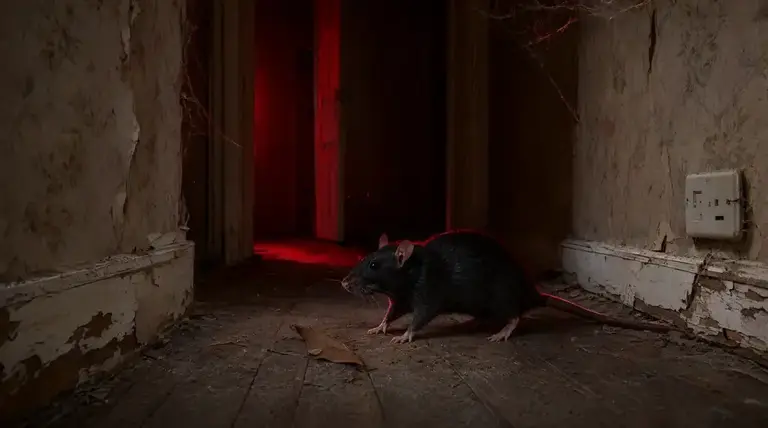
- Droppings in cupboards, pantries or along skirting boards — small dark pellets indicate mice or rats; larger tapered droppings near the roofline suggest possums.
- Gnaw marks on food packaging, timber or wiring — rodents chew constantly, and damaged wiring in a vacant home is a genuine fire risk.
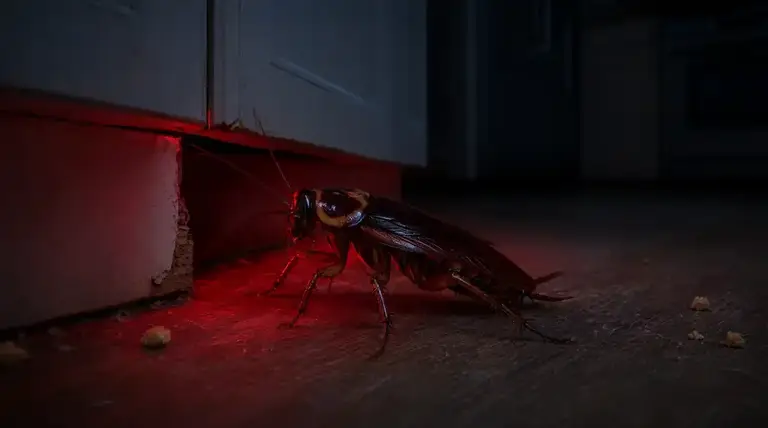
- Cockroach smear marks and egg cases — dark streaks around hinges, behind fridges and near drains, plus oval brown oothecae in warm corners.
- Heavy spider webbing in corners, eaves and window frames — a few weeks undisturbed is all it takes for web-building species to take over.
- Mud tubes on stumps, piers or slab edges — the classic sign of subterranean termites bridging into the structure.
- Sewer smell or flies near floor drains — dry traps mean the pipe is open to cockroaches and drain flies.
- Scratching sounds in the roof at night — possums or rodents established in the roof void.
- Frass or fine timber dust near skirtings and window frames — possible borer or termite activity that needs professional assessment.
DIY vs Professional Holiday Home Pest Control
Most departure and monitoring tasks are well within an owner’s ability, but anything involving chemical treatment, termites or roof-void work belongs with a licensed pest control technician. DIY prevention is cheap and effective; DIY treatment of an established infestation in a property you rarely visit is usually a false economy, because you will not be there to confirm it worked.
| Task | DIY | Professional |
|---|---|---|
| Departure checklist (food removal, drain traps, linen storage) | Yes — quick, free, do it every visit | Not required |
| Sealing gaps, trimming vegetation, gutter clearing | Yes — basic tools and a ladder | Only if working at height is unsafe |
| Rodent baiting and trapping between stays | Limited — snap traps only, checked by a manager | Yes — tamper-proof stations, safe placement, regular servicing |
| Termite inspection and treatment | No — visual checks only | Essential — licensed timber pest inspection at least annually |
| Cockroach, spider and ant treatments | Surface sprays offer short-term relief only | Yes — APVMA-registered products applied by licensed technicians |
| Possum removal from roof void | No — possums are protected wildlife | Yes — legal trapping, relocation and entry-point proofing |
Remember that APVMA-registered chemicals should always be applied by a licensed pest control technician, especially in a home that will sit empty — ventilation, re-entry timing and product selection all matter when nobody is on site to monitor the result.
Your Departure Checklist and Between-Stay Monitoring
The single most effective habit against holiday home pests is a consistent departure routine combined with a simple monitoring schedule between visits. Run through the checklist every time you leave, and lock in the monitoring tasks below with a neighbour, property manager or your pest control provider.
- Empty the fridge, pantry and bins — remove every food source.
- Pour a little water and a splash of cooking oil into floor and shower drains to seal traps against evaporation.
- Wash all bedding and store linen in sealed tubs.
- Seal external gaps and vents; the same steps as rodent-proofing before winter apply year-round for a vacant home.
- Trim vegetation back at least 1 metre from walls to remove pest bridges.
| Interval | Task | Purpose |
|---|---|---|
| Monthly | Neighbour or manager walk-through | Spot droppings, leaks and entry points early |
| Quarterly | Refill drain traps, check bait stations | Block cockroach and drain-fly entry; maintain rodent pressure |
| Seasonally | Professional inspection | Catch termites, rodents and possum activity before damage escalates |
Following our general pest prevention tips for Australian homes at each departure keeps the workload small and the surprises rare.
Holiday Home Pest Control Costs in Australia (2025-26)
Across the Australian pest control industry, a sensible vacant-property program generally runs somewhere between $250 and $700 per year, depending on size, location and pest pressure. Market rates vary between metro and regional areas, and coastal or tropical properties often sit at the higher end because pest pressure is year-round. Review typical service arrangements on our pricing page to plan a schedule that suits your property.
| Service | Typical market rate (AUD) | What’s included/notes |
|---|---|---|
| General pest treatment (spiders, cockroaches, ants) | $180 – $350 | Internal and external spray, roof void and subfloor dusting where accessible |
| Timber pest (termite) inspection | $250 – $450 | Full inspection to Australian Standard, moisture readings, written report |
| Rodent control program | $200 – $400 | Tamper-proof bait stations, placement and a follow-up service |
| Possum removal and proofing | $300 – $600 | Legal trapping, relocation and sealing of entry points |
| Scheduled quarterly inspection plan | $500 – $900 per year | Four seasonal visits with reporting — ideal for absent owners |
| Termite barrier treatment (if activity found) | $2,000 – $5,000+ | Chemical soil treatment or baiting system, depending on construction |
These figures reflect what the industry generally charges across Australia, and they underline why termites are the standout concern for any unoccupied home — a colony gets months of uninterrupted feeding, and by the time an owner returns for a summer stay the structural damage can already run to thousands of dollars. A seasonal timber-pest inspection catches this early, and at typical market rates it is far cheaper than any repair bill.
The good news is that Aussie Pest Strike typically comes in well under these market rates, so you get full protection for your holiday home without paying top-of-market prices. Call us on [aps_phone] for an exact quote tailored to your property.
Seasonal Pest Activity at Holiday Homes
Pest pressure on vacant holiday homes peaks through the warmer, wetter months and dips in mid-winter, but it never drops to zero in most of Australia. Humidity drives cockroaches and ants from late spring through autumn, rodents push indoors as temperatures fall, and termites stay active whenever soil is warm and moist.
Jan
Feb
Mar
Apr
May
Jun
Jul
Aug
Sep
Oct
Nov
Dec
Indicative combined pest pressure on vacant Australian holiday homes: peak activity over the December-March warm and wet period (cockroaches, ants, spiders, termite swarmers), easing through winter when rodents become the dominant indoor invader, then rebuilding from September as temperatures climb.
The holiday homes that cost owners the most are the ones nobody looks at for six months. Nine times out of ten the termite damage or rodent mess we find could have been stopped with a drain trap top-up, a monthly walk-through and one seasonal inspection. An hour of prevention before you lock the door beats a five-figure repair every time.
Treat your holiday home like an asset that needs scheduled servicing, not a place you check when you happen to visit. Lock in a departure checklist, arrange a monthly walk-through by a neighbour or manager, and book a professional timber pest and general pest inspection at least seasonally. For coastal, tropical or bushland properties, a quarterly service plan is money well spent.
Frequently Asked Questions
Why do vacant holiday homes attract pests so quickly?
Empty homes offer stillness, which pests love. With no foot traffic, running water or vibration, a vacant house becomes a quiet, safe habitat. Dry drain traps let cockroaches and drain flies travel up from pipes, undisturbed corners invite spiders to web freely, and rodents nest in wall cavities and roof voids without being challenged. Because nobody is there to notice, damage is usually only discovered on the next visit, once the problem is well established.
Which Australian holiday homes face the highest pest risk?
Coastal and bushland properties carry the highest risk. Humidity, dense surrounding vegetation and mild winters keep pests active year-round, with no hard frost to knock populations back. Tropical Queensland beach houses left over the December-February wet season can develop mould and cockroach issues within weeks, while bushland retreats in Victoria and New South Wales face possums testing the roofline and paralysis ticks carried in on wildlife waiting in overgrown vegetation.
What warning signs should I check when I first arrive at my holiday home?
Walk through room by room before unpacking. Look for droppings in cupboards or along skirting boards, gnaw marks on packaging, timber or wiring, cockroach smear marks and egg cases behind fridges and near drains, heavy spider webbing in eaves and window frames, mud tubes on stumps or slab edges indicating termites, sewer smells from dry floor drains, scratching in the roof at night, and frass or fine timber dust near skirtings suggesting borer or termite activity.
Why are termites such a serious threat to an unoccupied holiday home?
Termites are the costliest threat because an empty home gives a colony months of uninterrupted feeding. Nobody hears the telltale signs or notices mud tubes on stumps, piers or slab edges, so a subterranean colony can bridge into the structure and feed without challenge. Damage often runs to thousands of dollars by the time it is discovered on the next visit, which is why licensed timber pest inspections at least annually are considered essential for vacant properties.
What should be on my departure checklist before leaving my holiday home?
Empty the fridge, pantry and bins so no food source remains. Pour a little water and a splash of cooking oil into floor and shower drains to seal traps against evaporation. Wash all bedding and store linen in sealed tubs. Seal external gaps and vents, and trim vegetation back at least one metre from walls to remove pest bridges. Running this routine every time you leave keeps the workload small and surprises rare.
How often should a vacant holiday home be checked between stays?
A monthly walk-through by a neighbour or property manager spots droppings, leaks and entry points early. Quarterly, refill drain traps and check bait stations to block cockroach and drain-fly entry and maintain rodent pressure. Seasonally, arrange a professional inspection to catch termite, rodent and possum activity before damage escalates. This combination of departure preparation, between-stay monitoring and scheduled professional inspections is what keeps a vacant property pest-free.
Which holiday home pest tasks can I handle myself and which need a professional?
DIY suits departure checklists, sealing gaps, trimming vegetation, gutter clearing and limited rodent control using snap traps checked by a manager. Professional help is essential for termite inspection and treatment, chemical treatments using APVMA-registered products, tamper-proof rodent stations, and possum removal, since possums are protected wildlife requiring legal trapping, relocation and entry-point proofing. DIY treatment of an established infestation is usually a false economy when you cannot confirm it worked.
Why does damaged wiring from rodents matter so much in a vacant home?
Rodents chew constantly to keep their teeth worn down, and in an occupied home gnawed wiring is usually noticed and repaired quickly. In a vacant holiday home, nobody is present to spot gnaw marks on wiring in wall cavities or roof voids, so exposed conductors can sit unrepaired for months. Damaged wiring in an empty property is a genuine fire risk, which is why checking for gnaw marks on your arrival walk-through matters.
How can Aussie Pest Strike help me tell whether roof noises are possums or rodents?
Scratching in the roof at night could mean possums or rodents, and the distinction matters because possums are protected wildlife requiring legal trapping and relocation, while rodents need baiting or trapping programs. A technician from Aussie Pest Strike can inspect the roof void, identify droppings and entry points, and confirm which animal is present before recommending proofing or a control program suited to a property you rarely visit.
Can Aussie Pest Strike set up a monitoring plan for my holiday home between visits?
Yes. A scheduled quarterly inspection plan with reporting is ideal for absent owners, catching termites, rodents and possum activity before damage escalates. Aussie Pest Strike can also coordinate between-stay monitoring tasks such as refilling drain traps and servicing bait stations alongside a neighbour or property manager, and carry out timber pest inspections to Australian Standard with moisture readings and a written report each season.
Sources & further reading
Found Something
Dangerous?
Don’t touch it. Don’t spray it. Keep kids and pets clear, take a photo from a safe distance, and call us — or book a free inspection and we’ll come to you.
02 7235 0050