Rodent-Proofing Your HomeBefore Winter:A Step-by-Step Guide
Rodent-proofing your home — Rodent-proofing home winter — Rodent proofing — to rodent-proof your home before winter, seal every gap larger than 12 mm with...
When the nights start cooling across Melbourne, Sydney, Adelaide and the rest of southern Australia, rats and mice start looking for a warm place to spend winter — and your roof void is at the top of their list. Rodent proofing is the process of physically sealing, screening and managing your home so rodents can’t get in, and it’s far cheaper and easier than dealing with an established infestation in June.
Rodent proofing is a prevention job, and timing is everything: do it before the first cold snap and you keep rats and mice out; wait until you hear scratching in the ceiling and you’re already managing an infestation. This guide walks you through the process step by step, explains when DIY makes sense and when to call a licensed pest control technician, and gives you realistic 2025–26 costs in Australian dollars.
- Rodent proofing works best in autumn (March–May), before the cold drives rats and mice indoors.
- Mice fit through gaps of just 6–7 mm; rats need only about 12 mm — seal anything larger than a pencil.
- Use steel wool and galvanised metal mesh, not foam or plastic, which rodents gnaw straight through.
- Cutting off food, water and harbourage is just as important as sealing entry points.
- A professional inspection catches roof void, subfloor and hidden penetrations most homeowners miss.
Why Rodent Proofing Matters in the Australian Climate
Winter doesn’t kill rats and mice in Australia — it drives them indoors. As overnight temperatures drop through autumn in Melbourne, Canberra, Adelaide and the highlands, rodents actively seek the steady warmth of roof voids, wall cavities and subfloors, and a heated home is an irresistible target.
Australian housing makes this worse. Older weatherboard homes and Queenslanders on stumps have open subfloors and countless gaps where pipes and cables pass through. Brick veneer homes on slabs have weep holes that mice treat as open doors. Even well-maintained houses develop roof-to-fascia gaps and cracked tiles over a hot summer. A house that felt sealed in summer can be breached the moment the pressure to find shelter rises, which is why proofing in March or April beats scrambling in July. The same seasonal shift that brings rodents indoors also drives other winter pest problems in Melbourne and other cooler regions. In warmer northern areas — where humidity and pests on the Gold Coast are linked year-round — the seasonal swing is smaller, but food storage and vegetation control still make the biggest difference. Many of the common summer pests in Sydney homes set up harbourage in autumn that carries straight into winter.
Warning Signs Rodents Are Already Targeting Your Home
The clearest warning signs are droppings, gnaw marks and night-time scratching noises — if you notice any of these in autumn, act immediately before breeding begins. Check for the following:
- Droppings — small, dark, rice-sized pellets in pantries, under sinks, in the garage or roof void.
- Gnaw marks — chewed timber, plastic, wiring insulation or food packaging.
- Scratching or scurrying sounds — most often in ceilings and walls after dark.
- Grease marks — dark smudges along skirting boards and around gaps where bodies brush past.
- Nesting material — shredded paper, insulation or fabric gathered in quiet corners.
- Pet behaviour — dogs or cats fixating on a wall, cupboard or appliance.
- Burrows or tracks — disturbed soil along fences, or dusty footprints in the garage or subfloor.
For a fuller rundown, see our guide to the early signs of rats or mice in the home.
Step-by-Step: How to Rodent Proof Your Home
The short version: seal every gap larger than 12 mm with steel wool and metal mesh, remove food and water sources, clear harbourage, and set monitoring in place early. Follow these five steps in order for the best result across an Australian winter.
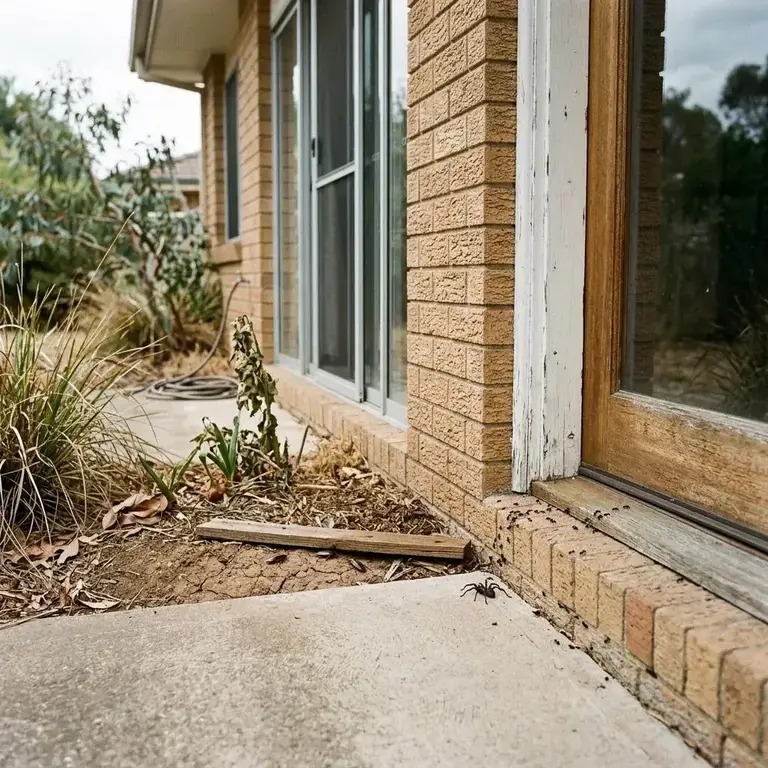
Step 1 — Inspect the perimeter. Walk the outside of the house looking for gaps rodents can exploit: weep holes and brick gaps, points where pipes, cables and air-conditioning lines enter walls, eaves and roof-to-fascia gaps, broken roof tiles, under and around external doors, vents, subfloor access points and garage door edges.
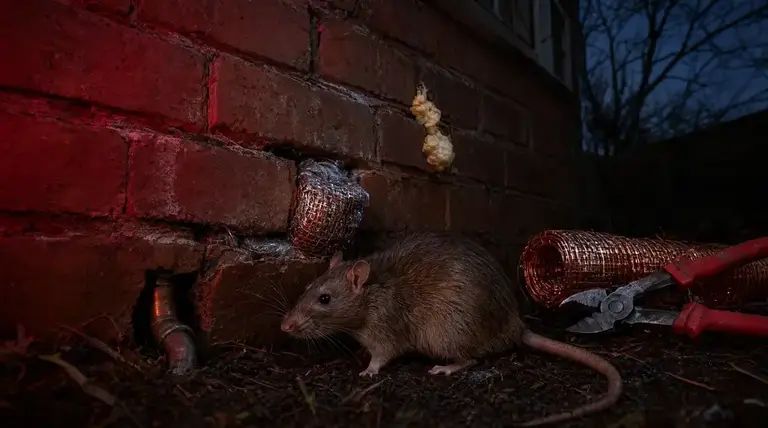
Step 2 — Seal the gaps properly. Rodents gnaw through foam, plastic and timber, so use durable materials. Pack small holes and pipe gaps with steel wool then seal over them; cover larger openings with galvanised metal mesh or sheet; fit brush strips or weather seals to door gaps; and install purpose-made weep-hole covers.
Step 3 — Remove food and water. Store pantry staples and pet food in sealed containers, empty bins regularly, pick up fallen fruit, and fix leaking taps and pooling water. A hungry rodent has far more incentive to chew its way in.
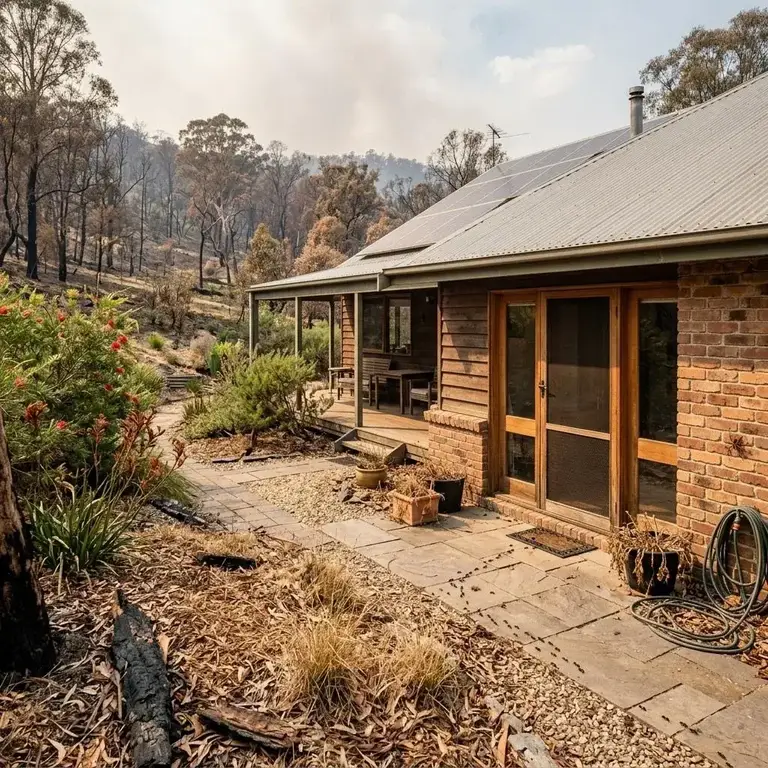
Step 4 — Clear harbourage. Trim tree branches back about a metre from the roofline to block aerial access for roof rats, move woodpiles and stored items away from walls, and keep the garden tidy so there’s nowhere to nest close to the house.
Step 5 — Monitor early. Set a couple of monitoring stations or traps in the roof void and garage in autumn so you catch the first arrivals before they breed.
DIY Rodent Proofing vs Professional Pest Control
Handy homeowners can handle much of the basic sealing work themselves, but a licensed technician finds the entry points you can’t see and backs the job with a service warranty. Here’s how the two approaches compare:
| Factor | DIY | Professional |
|---|---|---|
| Upfront cost | $50–$200 in materials | $250–$900 depending on scope |
| Finding hidden entry points | Roof voids, subfloors and wall penetrations easily missed | Trained inspection of all voids and penetrations |
| Materials | Hardware-store steel wool, mesh, seals | Commercial-grade proofing materials and fittings |
| Existing infestation | Traps may catch a few; breeding cycle often continues | Baiting and trapping programs applied by licensed technicians to APVMA-approved label directions |
| Warranty / follow-up | None | Service warranty and scheduled monitoring |
If you’ve already heard activity in the roof, DIY proofing alone can trap rodents inside — always combine sealing with a treatment plan, and leave any chemical baiting to a licensed pest control professional.
What Does Rodent Proofing Cost in Australia?
Across the Australian pest control industry, most homeowners are quoted between $250 and $900 for professional rodent proofing and treatment in 2025–26, depending on house size, construction type and whether an active infestation is present. These are typical market rates — here’s what the industry generally charges:
| Service | Typical market rate (AUD) | What’s included/notes |
|---|---|---|
| Inspection and assessment | $0–$150 | Often free with a booked treatment; identifies entry points and activity |
| Basic rodent treatment (baiting/trapping) | $250–$450 | Lockable bait stations, roof void and subfloor treatment, follow-up visit |
| Proofing/exclusion work | $300–$900 | Sealing entry points, mesh, door seals, weep-hole covers; larger homes cost more |
| Ongoing monitoring program | $60–$120 per visit | Quarterly checks, station servicing and reporting |
| DIY materials | $50–$200 | Steel wool, galvanised mesh, brush seals, weep-hole covers |
Across the market, subfloor homes and multi-storey Queenslanders usually attract quotes at the higher end because of access and the sheer number of penetrations to seal.
Here’s the good news: Aussie Pest Strike typically comes in well under these general market rates, without cutting corners on materials or workmanship. For an exact quote tailored to your property, give us a call on [aps_phone] — it takes a couple of minutes and there’s no obligation.
Seasonal Rodent Activity Across Australia
Rodent pressure on Australian homes climbs sharply from March and peaks through the winter months of June, July and August, when rats and mice are established indoors. Activity eases in spring as food becomes available outside again, but rodents that have nested in a roof void rarely leave on their own.
Jan
Feb
Mar
Apr
May
Jun
Jul
Aug
Sep
Oct
Nov
Dec
Indicative rodent pressure on Australian homes: activity builds through autumn, peaks in mid-winter as rodents shelter indoors, and tapers off through spring and summer. Northern regions show a flatter year-round pattern.
Nine times out of ten, the rodents aren’t chewing their way in — they’re walking through a gap that’s been there for years. The jobs that go well are the ones where the homeowner calls in autumn, before the scratching starts. Once they’re breeding in the roof void, you’re paying for treatment on top of proofing.
Book an inspection in March or April, seal every gap over 6–12 mm with steel wool and galvanised mesh, lock down food and water, and set monitoring stations in the roof void and garage. If you already have signs of activity, combine proofing with a professional treatment program rather than sealing alone.
Frequently Asked Questions
When is the best time to rodent proof my home in Australia?
Autumn is the ideal window. Rodent pressure on Australian homes builds from March and peaks through June, July and August, when rats and mice are already established indoors. Proofing in March or April, before the first cold snap drives rodents towards roof voids and wall cavities, keeps them out entirely. Waiting until you hear scratching in the ceiling means you are managing an infestation rather than preventing one.
How small a gap can rats and mice squeeze through?
Mice can fit through gaps of just 6 to 7 millimetres, while rats need only about 12 millimetres. A practical rule of thumb is to seal anything larger than a pencil. Common entry points include weep holes, gaps where pipes and cables enter walls, roof-to-fascia gaps, broken tiles, vents, subfloor access points and the edges of external doors.
What materials should I use to seal rodent entry points?
Use durable materials that rodents cannot gnaw through. Pack small holes and pipe gaps with steel wool, then seal over them. Cover larger openings with galvanised metal mesh or sheet metal, fit brush strips or weather seals to door gaps, and install purpose-made weep-hole covers. Avoid foam, plastic and timber alone, because rats and mice chew straight through these softer materials.
What warning signs suggest rodents are targeting my home?
The clearest signs are droppings, gnaw marks and night-time scratching noises. Also look for dark grease smudges along skirting boards, shredded paper or insulation used as nesting material, disturbed soil along fences, dusty footprints in garages or subfloors, and pets fixating on a wall, cupboard or appliance. If you notice any of these in autumn, act immediately before breeding begins.
Besides sealing gaps, what else helps keep rodents out?
Removing food, water and harbourage matters just as much as sealing. Store pantry staples and pet food in sealed containers, empty bins regularly, pick up fallen fruit, and fix leaking taps and pooling water. Trim tree branches back about a metre from the roofline to block aerial access for roof rats, move woodpiles away from walls, and keep the garden tidy so there is nowhere to nest nearby.
Can I rodent proof my home myself, or should I hire a professional?
Handy homeowners can handle much of the basic sealing work with hardware-store steel wool, mesh and door seals. However, a licensed technician is trained to inspect roof voids, subfloors and wall penetrations that are easily missed, uses commercial-grade materials, and can run baiting and trapping programs if an infestation exists. If you have already heard activity in the roof, combine sealing with a professional treatment plan rather than DIY alone.
Why can sealing a roof void be risky if rodents are already inside?
If you seal every gap while rodents remain inside, you can trap them within the roof void or wall cavities. Trapped animals may cause further damage as they try to escape, and any existing breeding cycle continues unchecked. The article advises always combining proofing with a treatment plan once activity is present, and leaving any chemical baiting to a licensed pest control professional working to approved label directions.
How does rodent activity change through the year in Australia?
Rodent pressure climbs sharply from March, peaks through winter in June, July and August, then eases in spring as outdoor food becomes available again. Winter does not kill rats and mice in Australia; it drives them indoors seeking warmth. Northern regions show a flatter, more year-round pattern, but rodents that have nested in a roof void rarely leave on their own once established.
Can I check whether Aussie Pest Strike handles rodent proofing in my area?
Yes. Aussie Pest Strike provides rodent proofing and treatment services, and the article notes that quotes depend on house size, construction type and whether an active infestation is present. Because coverage varies by location, the simplest way to confirm service availability for your property is to get in touch directly and describe your rodent problem, including any signs of activity such as droppings or ceiling noises.
What is a practical next step before winter if I want Aussie Pest Strike to help?
Book an inspection in March or April, before the cold weather pushes rats and mice indoors. An inspection identifies entry points across the roof void, subfloor and perimeter, and confirms whether any activity is already present. You can contact Aussie Pest Strike for a quote tailored to your property, which takes only a few minutes and carries no obligation, allowing you to plan proofing work ahead of winter.
Sources & further reading
Found Something
Dangerous?
Don’t touch it. Don’t spray it. Keep kids and pets clear, take a photo from a safe distance, and call us — or book a free inspection and we’ll come to you.
02 7235 0050