Are Rodents Dangerous?Health, Wiring andFire Risks Explained
Rodent fire risk — Are rodents dangerous — yes, rodents are genuinely dangerous: rats and mice spread more than 35 known diseases worldwide, contaminate...
Are rodents dangerous? Yes — rats and mice are among the most hazardous pests found in Australian homes, and the rat health risks they carry are recognised by public health authorities across Australia, not invented to sell services. Rodents spread more than 35 known diseases worldwide, contaminate food-preparation surfaces, and their relentless gnawing on electrical wiring is a documented contributor to house fires.
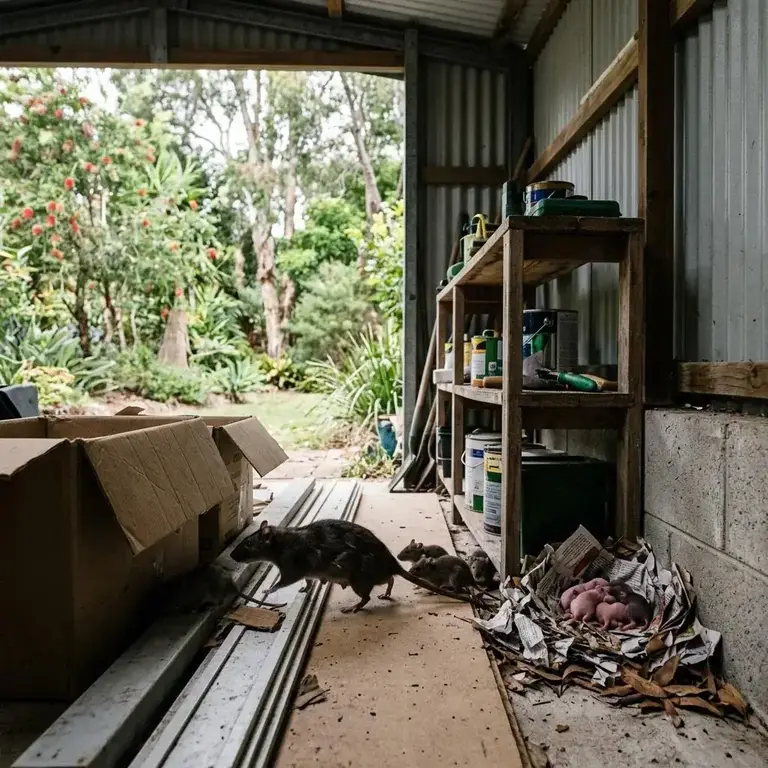
Two species cause most of the trouble: the black rat (Rattus rattus), an agile climber that nests in roof voids, and the house mouse (Mus musculus), which can squeeze through a gap of just 6–7 mm. This guide explains the health, wiring and fire risks in plain terms, shows you what an infestation costs to fix, and tells you when it’s time to call a licensed pest control professional.
- Rat health risks include leptospirosis, salmonellosis and lymphocytic choriomeningitis, spread via droppings, urine, saliva and parasites.
- A single mouse leaves 50–80 droppings per day and dribbles urine constantly across surfaces it travels.
- Rodent incisors grow roughly 12 mm per week, forcing constant gnawing — a leading hidden cause of roof-void fires.
- Professional rodent control in Australia typically costs $250–$700 depending on severity, with proofing extra.
- Activity peaks in autumn and winter as rodents push indoors for warmth; act early before a colony establishes.
Why Rat Health Risks Matter So Much in Australian Homes
Rodents are dangerous in Australia because our climate and housing styles give them year-round food, shelter and easy access indoors. Warm, humid summers across Sydney, Brisbane and the Gold Coast accelerate black rat breeding, while cooler southern winters drive mice and rats inside for warmth.
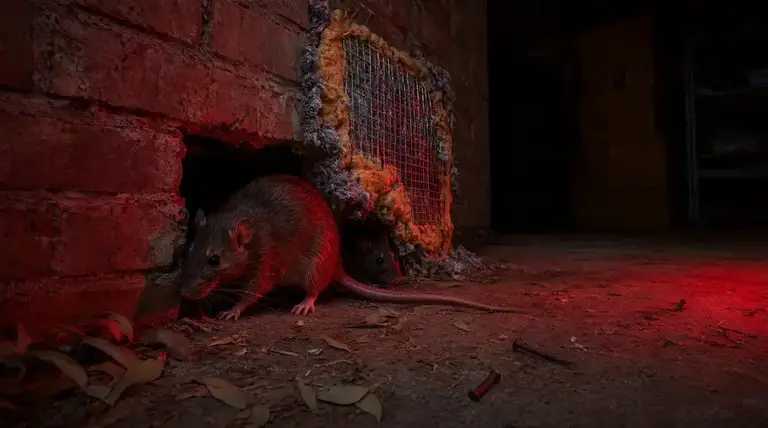
Housing design plays a big role. Homes on stumps with open subfloors, older Queenslanders with wall cavities and gaps around stumps, and brick veneer houses with weep holes and unsealed penetrations all offer entry points. Even modern slab homes aren’t immune — mice enter through gaps around plumbing rough-ins and garage doors. Add fruit trees, chicken coops, unsecured compost bins or a nearby waterway, and your property becomes a magnet. Families with infants, elderly members or anyone immune-compromised face a higher danger from the bacterial and allergen loads rodents leave behind. If you’re unsure whether activity is already present, our Signs of Rats or Mice in Your Home: The Full Checklist walks you through every tell-tale clue.
The Health Risks Are Real: Disease, Allergens and Contamination
Rodents transmit disease through their droppings, urine, saliva and the fleas and mites they carry — this is the core of why rat health risks should never be shrugged off. In Australia the most relevant concerns are leptospirosis (spread via urine-contaminated water and soil), salmonellosis from contaminated food surfaces, and lymphocytic choriomeningitis.
Contamination happens faster than most people realise. A single mouse produces 50–80 droppings per day and dribbles urine almost constantly as it travels, meaning one mouse crossing your kitchen bench leaves an invisible trail across food-preparation surfaces. Dried droppings disturbed during sweeping can aerosolise and be inhaled — which is why you should never dry-brush contaminated areas.
Beyond acute illness, rodent dander, urine proteins and droppings are recognised indoor allergens that can worsen asthma, particularly in children. Nests hidden in wall cavities and roof insulation quietly release these allergens for months, long after the rodents themselves have moved on. Cockroaches create a similar bacterial contamination problem — you can compare the disease risks of cockroaches for the full picture of indoor hygiene threats.
Warning Signs of Rodents in Your Home
The clearest signs of a rodent problem are droppings, gnaw marks, night-time noises and greasy rub marks along walls. Catching even one of these early can prevent a small issue becoming a health and fire hazard.
- Droppings — small, dark pellets in cupboards, along skirting boards, near food storage or in the roof void.
- Gnaw marks — chewed timber, food packaging, cable insulation or plastic pipes.
- Scratching and scurrying sounds — especially in ceilings and walls at night, a classic sign of roof rats in Australia.
- Grease and rub marks — dark smears along walls and entry points where oily fur repeatedly brushes past.
- Nesting material — shredded paper, insulation or fabric gathered in hidden corners.
- Strong musty odour — a persistent ammonia-like smell from urine in enclosed spaces.
- Pet behaviour changes — dogs or cats fixating on a wall, cupboard or appliance.
Wiring, Fire and Structural Damage — The Hidden Danger
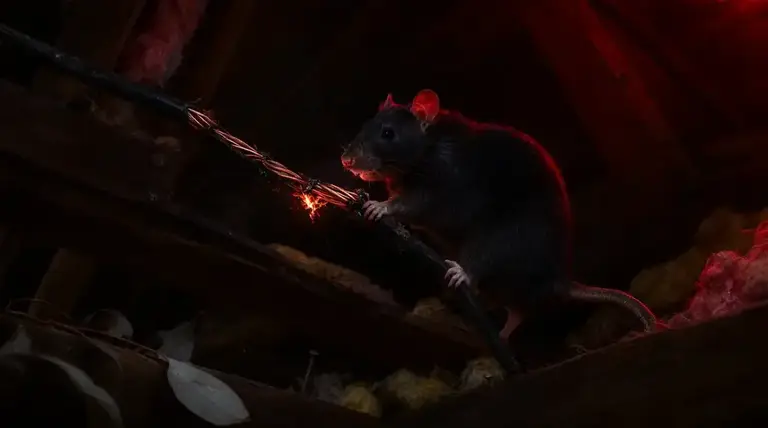
Rodents must gnaw constantly because their incisors never stop growing — roughly 12 mm per week — and electrical cabling is ideal chewing material. Stripped insulation exposes live copper, which can arc and ignite dust or insulation batts in a roof void; fire authorities internationally attribute a meaningful share of otherwise undetermined structural fires to rodent-damaged wiring, and insurers frequently cite gnawed cabling in roof-void claims.
The damage doesn’t stop at wiring. Chewed plumbing and irrigation lines cause slow leaks and water damage; pool pumps, solar cabling and air-conditioning looms are common targets; and gnawed structural timber and insulation quietly degrade your home’s integrity. A proper Rodent Control & Removal program addresses both the animals and the conditions that let this damage happen.
DIY vs Professional Rodent Control
DIY traps and supermarket baits can knock down a handful of mice, but they rarely eliminate an established colony — and misused rodenticides pose risks to children, pets and native wildlife. Licensed pest control technicians use APVMA-registered products correctly, locate entry points, and remove the source rather than the symptoms.
| Factor | DIY approach | Professional treatment |
|---|---|---|
| Effectiveness | Catches a few individuals; colony usually survives | Targets the whole population and nesting sites |
| Safety | Risk of bait exposure to kids, pets, wildlife | Tamper-resistant stations placed by licensed technicians |
| Entry points | Often missed — rodents re-enter | Identified and proofed as part of service |
| Warranty | None | Service warranty typically included |
| Fire/wiring risk | Roof void rarely inspected | Roof void inspected; damage flagged early |
For a deeper look at methods, read Rat Control: How Professionals Actually Eliminate Rats.
How Much Does Rodent Control Cost in Australia?
Across the Australian market, professional rodent control generally runs between $250 and $700 for an initial treatment program in 2025-26, with exclusion and proofing work typically quoted separately based on the size and construction of the home. Industry rates vary with property size, infestation severity and access to roof voids or subfloors.
| Service | Typical market rate (AUD) | What’s included/notes |
|---|---|---|
| Inspection and assessment | Free – $150 | Roof void, subfloor and perimeter check; many operators offer free inspections |
| Standard baiting/trapping program | $250 – $450 | Tamper-resistant stations, follow-up visit, typical suburban home |
| Severe or large-property treatment | $450 – $700+ | Multiple visits, larger roof voids, acreage or commercial sites |
| Rodent proofing and exclusion | $300 – $900 | Sealing entry points with mesh and steel; see Rodent Proofing & Exclusion |
| Ongoing monitoring plan | $40 – $90 per visit | Quarterly checks for high-risk properties |
These figures reflect typical Australian market rates — and Aussie Pest Strike typically comes in well under them while still delivering a thorough, guaranteed treatment. For an exact quote tailored to your property, call us on [aps_phone] today.
Seasonal Rodent Activity in Australia
Rodent pressure on Australian homes peaks from late autumn through winter, when rats and mice push indoors for warmth and food. Activity stays elevated in early spring as established colonies breed, then eases over summer when outdoor food is abundant — though roof rats remain active in ceilings year-round in warm northern regions.
Jan
Feb
Mar
Apr
May
Jun
Jul
Aug
Sep
Oct
Nov
Dec
Indicative indoor rodent pressure across Australia. Reports climb sharply from April as temperatures fall, peak in June–July, and taper through spring. Northern regions see steadier year-round roof rat activity.
How to Reduce the Danger
Prevention comes down to denying rodents food, water and entry. Seal gaps around pipes with steel wool or mesh, store dry goods in sealed containers, keep gutters clear, and trim tree branches back at least a metre from the roofline — black rats use them as bridges onto your roof.
Act fast, because rodents breed rapidly: a female house mouse can produce up to 10 litters a year. A couple of mice in March can be a full colony by June. Learn the early warning signs, respond at the first dropping or scratch in the ceiling, and don’t attempt chemical treatments yourself — a licensed technician will apply APVMA-registered products safely in tamper-resistant stations.
“Most homeowners call us about the scratching noise, but the real problem is what they can’t see — chewed wiring in the roof void and urine trails across the insulation. By the time you hear them, they’ve usually been there for weeks. The earlier we inspect, the cheaper and safer the fix.”
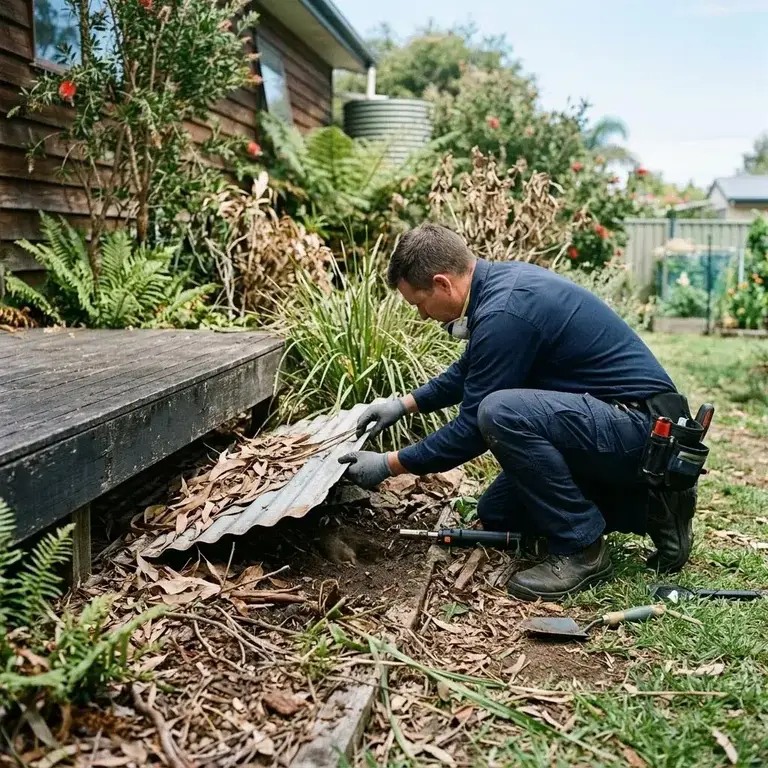
If you’ve noticed any warning sign — droppings, night noises, gnaw marks or a musty odour — book a professional inspection now rather than waiting. Combine a professional baiting and trapping program with proper exclusion work to seal entry points, and schedule a roof-void check before winter peaks. That pairing removes the current colony and stops the next one, protecting both your family’s health and your home’s wiring.
Frequently Asked Questions
Are rodents actually dangerous to have in your home?
Yes. Rats and mice are among the most hazardous pests found in Australian homes, and public health authorities recognise the risks they carry. They spread more than 35 known diseases worldwide, contaminate food-preparation surfaces with droppings and urine, and their constant gnawing on electrical wiring is a documented contributor to house fires. Households with infants, elderly members or immune-compromised people face higher danger from the bacteria and allergens rodents leave behind.
What diseases can rats and mice spread in Australia?
The most relevant rodent-borne diseases in Australia are leptospirosis, which spreads through urine-contaminated water and soil; salmonellosis, picked up from contaminated food surfaces; and lymphocytic choriomeningitis. Rodents transmit these through their droppings, urine, saliva and the fleas and mites they carry. Dried droppings disturbed during sweeping can also aerosolise and be inhaled, which is why contaminated areas should never be dry-brushed.
How do rodents contaminate kitchen surfaces?
A single mouse produces 50–80 droppings per day and dribbles urine almost constantly as it travels. That means one mouse crossing a kitchen bench leaves an invisible trail of urine across food-preparation surfaces. Rodent dander, urine proteins and droppings are also recognised indoor allergens that can worsen asthma, particularly in children, and nests hidden in wall cavities or roof insulation can release these allergens for months.
Why do rodents chew electrical wiring?
Rodent incisors never stop growing — roughly 12 mm per week — so rats and mice must gnaw constantly to keep them worn down. Electrical cabling is ideal chewing material for them. Stripped insulation exposes live copper, which can arc and ignite dust or insulation batts in a roof void. Fire authorities internationally attribute a meaningful share of otherwise undetermined structural fires to rodent-damaged wiring, and insurers frequently cite gnawed cabling in roof-void claims.
Can a rodent infestation really increase the risk of house fires?
Key signs include small dark droppings in cupboards, along skirting boards or in the roof void; gnaw marks on timber, packaging, cable insulation or plastic pipes; scratching and scurrying sounds in ceilings and walls at night; dark greasy rub marks along walls where oily fur brushes past; shredded nesting material; a persistent ammonia-like musty odour from urine; and pets fixating on walls, cupboards or appliances.
Which rodent species cause most problems in Australian homes?
Two species cause most of the trouble: the black rat (Rattus rattus) and the house mouse (Mus musculus). Black rats are agile climbers that nest in roof voids and often use overhanging tree branches as bridges onto roofs. House mice can squeeze through gaps of just 6–7 mm, entering even modern slab homes through gaps around plumbing rough-ins and garage doors.
When is rodent activity highest in Australia?
Rodent pressure on homes peaks from late autumn through winter, when rats and mice push indoors seeking warmth and food. Reports climb sharply from April, peak around June and July, then taper through spring as established colonies breed. Activity eases over summer when outdoor food is abundant, though roof rats remain active in ceilings year-round in warm northern regions such as Queensland.
Is DIY rodent control effective compared with professional treatment?
DIY traps and supermarket baits can knock down a handful of mice but rarely eliminate an established colony, and misused rodenticides pose risks to children, pets and native wildlife. DIY approaches often miss entry points, so rodents simply re-enter, and roof voids are rarely inspected for fire-risk damage. Licensed technicians use APVMA-registered products correctly, identify and proof entry points, inspect roof voids and target the whole population rather than just visible individuals.
How can Aussie Pest Strike help me deal with a suspected rodent problem?
If you have noticed droppings, gnaw marks or night-time noises in your ceiling, Aussie Pest Strike can arrange an inspection covering the roof void, subfloor and perimeter to confirm activity and locate entry points. A licensed technician can then recommend a baiting or trapping program suited to the severity of the infestation, flag any wiring or structural damage found during inspection, and advise on proofing work to stop rodents re-entering.
What should I do first if I think rodents are in my roof?
Start by confirming the signs: look for droppings along skirting boards and in cupboards, check for gnawed cables or packaging, and listen for scurrying at night. Avoid dry-brushing any droppings you find, since dried material can aerosolise and be inhaled. Then contact Aussie Pest Strike to book an inspection — acting early matters, because a female house mouse can produce up to 10 litters a year and a couple of mice can become a full colony within months.
Sources & further reading
Found Something
Dangerous?
Don’t touch it. Don’t spray it. Keep kids and pets clear, take a photo from a safe distance, and call us — or book a free inspection and we’ll come to you.
02 7235 0050