What a RatInfestation Smells Like (AndWhat to Do)
If you're wondering what rat infestation smells like, think damp socks, stale ammonia or a wet dog. A strong, musky odour coming from your roof void,...
That stale, musky smell you can’t quite place — a bit like damp socks, stale ammonia or a wet dog — is often the first sign of a rat infestation in an Australian home. If a room, roof void or subfloor smells off no matter how much you clean, rodents are a likely culprit, and the sooner you act, the cheaper and simpler the fix.
This guide explains what a rat infestation smells like, why those odours develop, which Australian rat species are responsible, and what to do next. A rat infestation smell is the accumulated odour of rat urine, body oils, droppings and nesting material concentrated in enclosed spaces — and it’s one of the most reliable early-warning signs a homeowner can use.
- A rat infestation typically smells musky and ammonia-like — like damp socks, stale urine or a wet dog — strongest in roof voids, wall cavities, subfloors and behind appliances.
- A sweet, sickly, rotten smell usually means a dead rat decomposing in a wall or ceiling, and can linger two to three weeks in warm conditions.
- Smell complaints spike from late autumn through winter (roughly April to July) when rats move indoors, and after heavy rain on the east coast.
- Masking odours with air freshener delays treatment; a detectable smell usually means rats have been present for weeks.
- Lasting results need professional removal, sanitisation and entry-point proofing — not just a clean-up.
Why Rat Smells Matter in Australian Homes
A rat smell matters because it usually signals an established infestation in a part of your home you rarely inspect — and Australian housing gives rats plenty of those spaces. Our climate and construction styles create ideal conditions for odours to build and spread before anyone notices the animals themselves.
Rats are creatures of habit. They travel the same routes every night, urinating as they go to mark territory. Over time, these deposits build into what pest technicians call urine pillars — small, greasy mounds of dried urine, dirt and body oil that give off a sharp, ammonia-heavy stench. Combined with oily sebum from their fur, which rubs off along skirting boards and entry points, the result is a stale, musky smell that never quite goes away on its own.
Housing type shapes where the smell concentrates. Older Queenslanders and weatherboard homes on stumps have open subfloors where brown rats nest and odours rise through floorboards. Brick-veneer homes on concrete slabs push rats into roof voids and wall cavities instead, where summer heat intensifies the smell and drives it down through downlights and ceiling vents. If a room smells musty no matter how much you clean or ventilate, it’s time for a proper signs of rats or mice in your home check.
Warning Signs: What a Rat Infestation Smells and Looks Like
The clearest warning sign is a persistent musky, ammonia-like odour in an enclosed space, backed up by physical evidence. Use this checklist to confirm whether rats — not damp, mould or a pet — are the source.
- Musky, ammonia-like urine smell — the classic signature of an active infestation, strongest in the morning before household activity stirs the air, and worse in humid weather. Many homeowners compare it to a poorly maintained pet enclosure or damp laundry left in a basket.
- Sweet, sickly, rotten odour — the unmistakable smell of a dead rat decomposing in a wall cavity or under insulation, often after DIY baiting. It usually peaks within the first week and can linger two to three weeks, sometimes attracting blowflies.
- Stale, humid nest smell — nests built from shredded insulation, cardboard and fabric soak up urine and develop a damp, stale odour, with droppings adding a sharp faecal note.
- Spindle-shaped droppings 10–15 mm long — found along runways, in pantries, roof voids and under sinks.
- Greasy smear marks — dark rub marks along skirting boards, walls and entry points left by oily fur.
- Gnaw marks — on timber, wiring, plastic pipes and food packaging.
- Scratching or scurrying sounds at night — especially in ceilings and walls, which helps confirm the smell source.
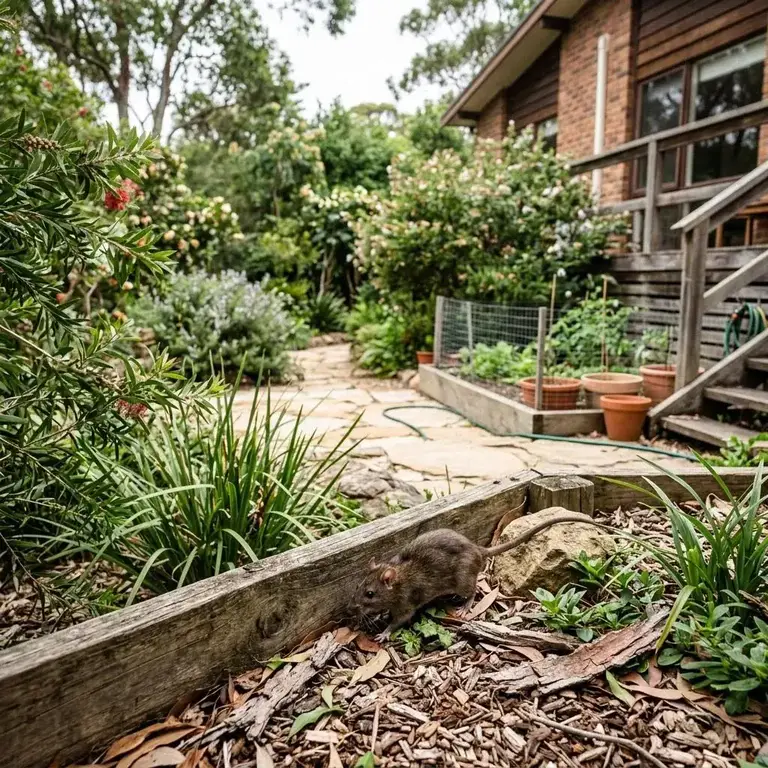
Two introduced species cause most household infestations in Australia. The black rat (Rattus rattus), or roof rat, is an agile climber common in Brisbane, Sydney and coastal Queensland and New South Wales; it nests in roof voids, so its odour drifts down from the ceiling — see our guide to roof rats in Australia for detail on its behaviour. The brown rat (Rattus norvegicus), or Norway rat, is a burrower more common in Melbourne, Adelaide and cooler southern regions, living under floors, in sheds and around drains — its smell rises from below.
DIY vs Professional Rat Removal
You can reduce mild odours yourself, but while rats remain the smell will return — so DIY is best limited to investigation and hygiene, with a licensed technician handling elimination. Here’s an honest comparison.
| Factor | DIY approach | Professional pest control |
|---|---|---|
| Finding the source | Follow your nose; limited access to roof voids and wall cavities | Traced systematically, including carcasses inside wall cavities with minimal damage |
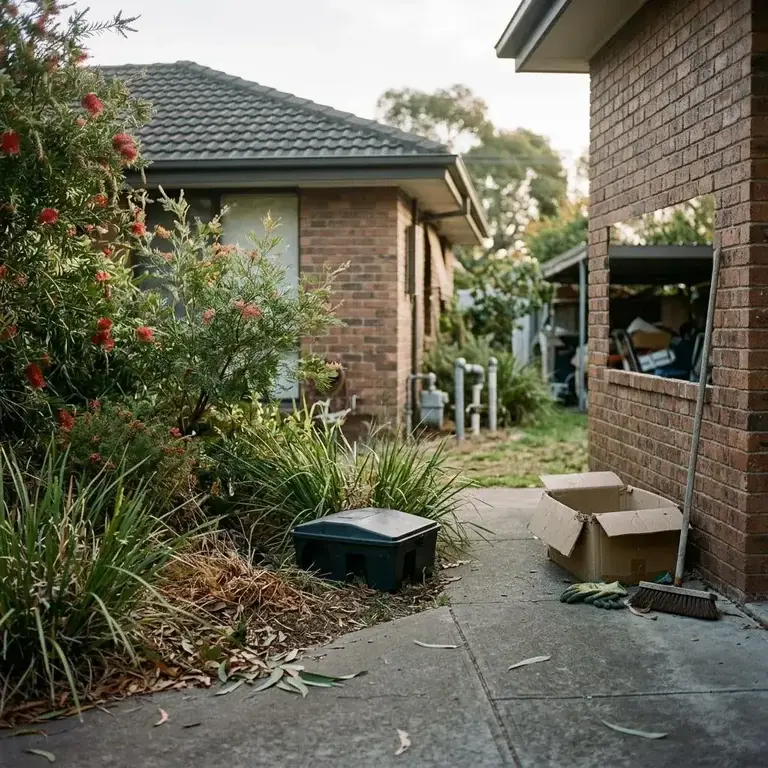
| Elimination | Traps and supermarket baits; baited rats often die in inaccessible spots, worsening odour | Licensed technicians using APVMA-compliant products in tamper-resistant stations, placed to suit the species and site |
| Odour removal | Ventilation, gloves and disinfectant; temporary while rats remain | Sanitisation of affected areas after removal, so smells don’t return |
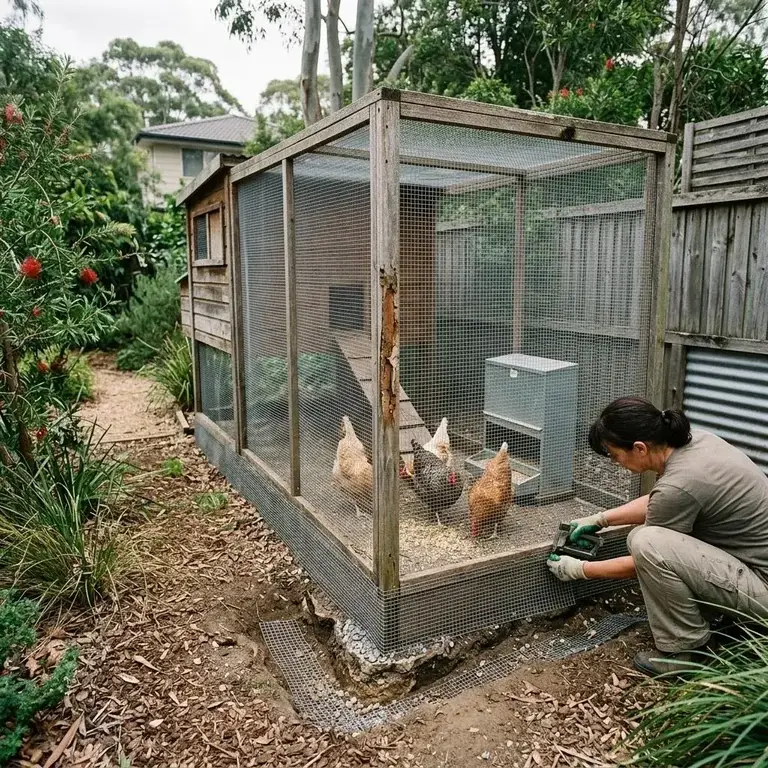
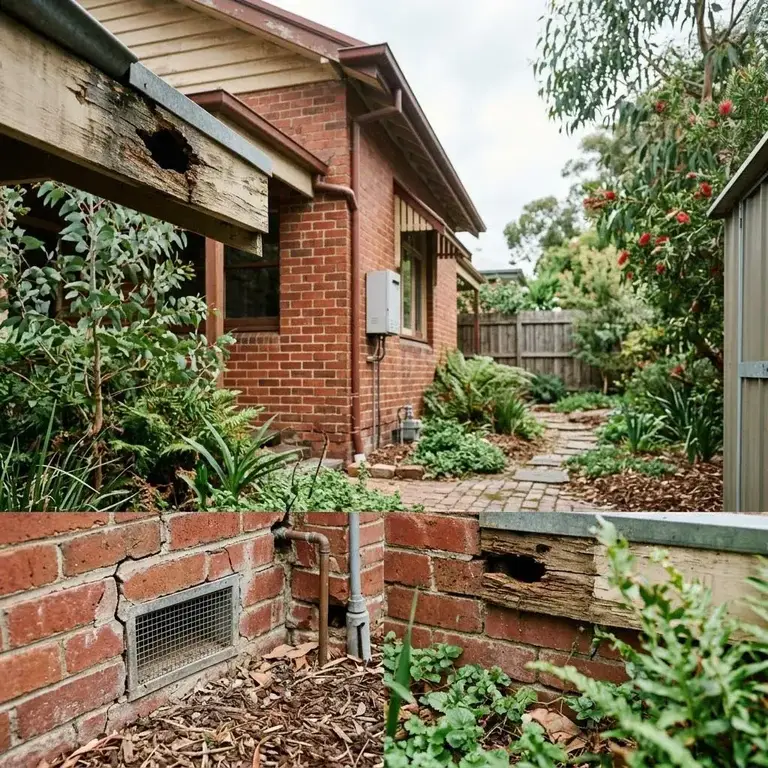
| Stopping re-infestation | Rarely addresses entry points | Rodent proofing and exclusion seals entry points for a lasting fix |
| Health safety | Risk of exposure to leptospirosis and salmonella when disturbing droppings | Trained handling and sanitisation reduces exposure risk |
For a deeper look at methods and what actually works, read Rat Control: How Professionals Actually Eliminate Rats.
How Much Does Rat Treatment Cost in Australia?
Across Australia, professional rat treatment generally costs between $250 and $900 AUD depending on the severity of the infestation, property size and whether proofing is included. The table below shows typical 2025–26 industry ranges charged by pest control providers nationwide.
| Service | Typical market rate (AUD) | What’s included/notes |
|---|---|---|
| Inspection and quote | $0–$150 | Many providers offer free inspections; others charge for detailed roof/subfloor assessments |
| Standard rat treatment (baiting/trapping program) | $250–$450 | Tamper-resistant bait stations, traps, placement plan and a follow-up visit |
| Severe or multi-visit infestation | $450–$700 | Multiple visits, carcass retrieval, larger properties or heavy activity |
| Dead rat removal and odour treatment | $180–$350 | Locating and removing carcass, sanitising and deodorising the area |
| Rodent control and removal with proofing/exclusion | $500–$900+ | Full elimination plus sealing of entry points; cost varies with access and home construction |
Acting early keeps you at the cheaper end of these market ranges — a smell you can detect usually means rats have been present for weeks, and a breeding pair can produce dozens of offspring in a few months.
These figures reflect what the Australian industry generally charges. Aussie Pest Strike typically comes in well under these market rates, so it’s worth calling [aps_phone] for an exact quote tailored to your property.
Seasonal Rat Activity in Australia
Rat smell complaints spike from late autumn through winter, roughly April to July, when rats move indoors seeking warmth and food. Activity stays elevated through early spring, while heavy rain and flooding along the east coast can drive rats out of stormwater systems and into homes within days at any time of year.
Jan
Feb
Mar
Apr
May
Jun
Jul
Aug
Sep
Oct
Nov
Dec
Indicative indoor rat activity and smell complaints across Australia. Reports climb from April as temperatures fall, peak through June–July when rats shelter indoors, and ease in late spring — though summer storms and east coast flooding can trigger sudden spikes at any time.
Queensland Health regularly warns about leptospirosis after wet weather, when rat activity increases around homes and sheds. Rat urine and droppings can carry leptospirosis, salmonella and other pathogens; contaminated benchtops, pantry goods and pet bowls are common transmission points, and dried droppings can release particles into the air when swept. If anyone in the household develops flu-like symptoms after cleaning up rodent waste, see a doctor and mention the exposure. Wear gloves and ventilate the area before disturbing droppings, nests or carcasses — and don’t mask odours with air freshener, which only delays treatment while the infestation grows.
By the time a homeowner rings us about a smell, the rats have usually been there a month or more. The nose is honestly one of the best detection tools we’ve got — if you can smell it, don’t wait and don’t just spray air freshener. Find the source, remove the rodents and seal the entry points, or you’ll be smelling it again next winter.
If you notice a persistent musky or sweet, rotten smell in your roof void, subfloor or behind appliances, arrange a professional inspection promptly — ideally before the April–July breeding surge. A licensed technician can locate the source, remove the rodents (including carcasses in wall cavities), sanitise affected areas and proof your home against re-entry. Chemical treatments should always be applied by licensed pest control technicians in line with APVMA requirements, not as a DIY guess.
Frequently Asked Questions
What does a rat infestation smell like?
A rat infestation typically smells musky and ammonia-like, often compared to damp socks, stale urine or a wet dog. The odour comes from accumulated rat urine, body oils, droppings and nesting material concentrated in enclosed spaces such as roof voids, wall cavities, subfloors and behind appliances. It is usually strongest in the morning before household activity stirs the air, and worse in humid weather.
Why does my house smell musty even after cleaning?
If a room smells off no matter how much you clean or ventilate, rats are a likely culprit. Rats travel the same routes each night, urinating to mark territory, so deposits build into greasy mounds of dried urine, dirt and body oil that give off a sharp ammonia stench. Oily sebum from their fur also rubs off along skirting boards and entry points, creating a stale smell that will not go away on its own while the rodents remain.
What does a dead rat in the wall smell like?
A dead rat decomposing in a wall cavity or under insulation produces a sweet, sickly, rotten odour. It often follows DIY baiting, because baited rats can die in inaccessible spots. The smell usually peaks within the first week and can linger two to three weeks in warm conditions, sometimes attracting blowflies. Locating and removing the carcass, then sanitising and deodorising the area, is generally needed to clear it.
Where do rat smells concentrate in Australian homes?
It depends on your housing type. Older Queenslanders and weatherboard homes on stumps have open subfloors where brown rats nest, so odours rise through floorboards. Brick-veneer homes on concrete slabs push rats into roof voids and wall cavities instead, where summer heat intensifies the smell and drives it down through downlights and ceiling vents. Black rats commonly nest in roof voids, while brown rats burrow under floors, in sheds and around drains.
Which physical signs confirm rats are causing the smell?
Look for spindle-shaped droppings 10–15 mm long along runways, in pantries, roof voids and under sinks; dark greasy smear marks on skirting boards and entry points; gnaw marks on timber, wiring, plastic pipes and food packaging; and scratching or scurrying sounds at night in ceilings and walls. Damp, stale nest smells from shredded insulation, cardboard and fabric soaked with urine add further confirmation.
When are rat smells worst in Australia?
Smell complaints spike from late autumn through winter, roughly April to July, when rats move indoors seeking warmth and food, peaking through June–July. Activity stays elevated through early spring and eases in late spring. Heavy rain and flooding along the east coast can also drive rats out of stormwater systems and into homes within days at any time of year, triggering sudden spikes in activity.
How long does the smell of a rat infestation last after the rats are removed?
You can reduce mild odours yourself with ventilation, gloves and disinfectant, but while rats remain the smell will return, so DIY is best limited to investigation and hygiene. Supermarket baits can make things worse if baited rats die in inaccessible spots. Lasting results need professional removal, sanitisation of affected areas and rodent proofing to seal entry points, otherwise you may be smelling it again next winter.
Is cleaning up rat droppings dangerous?
Rat urine and droppings can carry leptospirosis, salmonella and other pathogens. Contaminated benchtops, pantry goods and pet bowls are common transmission points, and dried droppings can release particles into the air when swept. Wear gloves and ventilate the area before disturbing droppings, nests or carcasses. If anyone develops flu-like symptoms after cleaning up rodent waste, see a doctor and mention the exposure.
Can rat infestation smells affect my health if I keep breathing them in?
Aussie Pest Strike can help plan next steps when a persistent musky smell suggests rats have moved into your roof void, subfloor or walls. A technician can trace the source systematically, including carcasses inside wall cavities, carry out an elimination program suited to the species involved, sanitise affected areas so odours do not linger, and seal entry points through proofing and exclusion for a lasting fix rather than a temporary clean-up.
What should I do first if I notice a persistent rat smell in my home?
Do not mask the odour with air freshener, as this only delays treatment while the infestation grows. Avoid disturbing droppings without gloves and ventilation, and note where the smell is strongest, such as ceilings, skirting boards or subfloor access points. Then contact Aussie Pest Strike for an inspection and quote tailored to your property, so the source can be identified and a removal, sanitisation and proofing plan put in place.
Sources & further reading
Found Something
Dangerous?
Don’t touch it. Don’t spray it. Keep kids and pets clear, take a photo from a safe distance, and call us — or book a free inspection and we’ll come to you.
02 7235 0050