Storm Damageand Pests: TheHidden Invasion
Storm damage and — storm damage pests get in because high winds, fallen limbs and roof damage open new entry points while wet debris creates instant shelter...
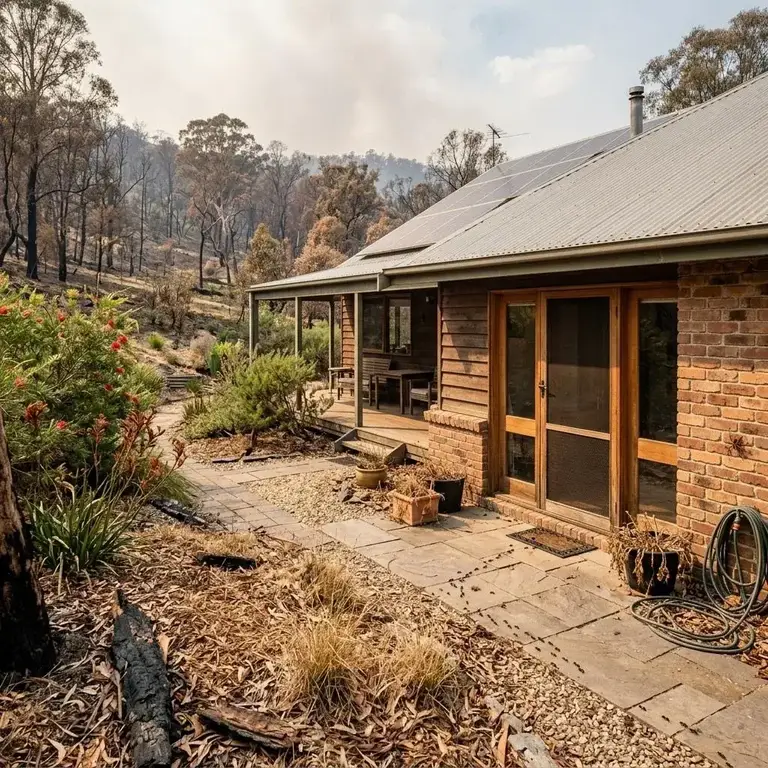
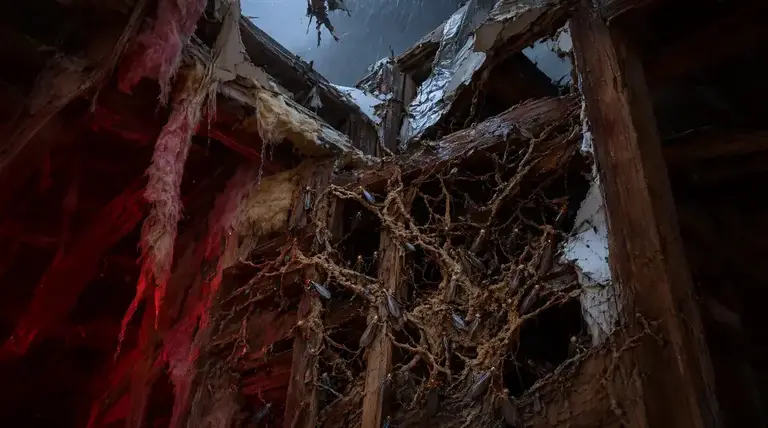
Storm damage pests are the insects and rodents that invade homes and properties in the aftermath of severe weather — a hidden invasion that storms open the door to. The most common storm damage pests, from rodents and cockroaches to ants and mosquitoes, move in fast because high winds, fallen limbs and roof damage create new entry points, while wet debris offers instant shelter and food. Across storm-prone parts of Australia, from Sydney’s summer hailstorms to Queensland’s cyclone season, the real pest problem often shows up days after the clean-up begins.
Put simply, storm damage pest invasions occur when severe weather breaks a building’s protective envelope and displaces pests from their usual harbourage, driving them into homes through fresh gaps and moisture-damaged areas. This guide explains how storms trigger infestations, what to check first, and when to call in professional pest control to stop a temporary problem becoming a permanent one.
- A single storm can undo years of pest-proofing by lifting roof tiles, cracking eaves and tearing flyscreens.
- A gap of just 6mm admits a young mouse; possums exploit larger roof breaches.
- Debris piles and blocked gutters provide nesting sites and mosquito breeding water for weeks.
- Seal entry points within days, then treat — never trap pests inside a freshly closed building.
- Australia’s summer storm season (November–March) overlaps peak pest activity, so act fast.
Why storm damage pest problems hit Australian homes so hard
Storm damage pest problems hit Australian homes hard because our climate combines violent seasonal storms with year-round pest pressure, and our housing styles — elevated Queenslanders, brick veneer on slab, and homes with timber subfloors — each fail in different ways under wind and water.
In eastern Australia the summer storm season runs from November to March, exactly when cockroaches, ants, spiders and rodents are most active. A hailstorm in Sydney’s western suburbs or a supercell rolling through Brisbane doesn’t just break tiles; it evicts pests from their usual harbourage. Rodents whose burrows have collapsed and possums whose tree hollows have fallen actively seek new shelter, and a storm-damaged roof is an open invitation.
Housing style matters too. Older Queenslanders on stumps develop gaps where stumps shift or bearers move in saturated ground, giving rodents and cockroaches subfloor access. Brick veneer homes on concrete slabs cope better with water but still suffer lifted ridge capping, cracked eaves and torn flyscreens — each one a doorway. Homes in humid coastal regions face a double hit, since moisture-laden wall cavities accelerate cockroach and ant activity, much like the patterns covered in our guide to humidity and pests on the Gold Coast. And if you’re already dealing with the warm-season surge described in Common Summer Pests in Sydney Homes (And How to Stop Them), a storm simply fast-tracks everything.
Blocked, debris-filled gutters then hold water that breeds mosquitoes for weeks, while waterlogged garden beds become nesting sites for ants and spiders. Storms and floods frequently arrive together, so it pays to read this alongside our guide to pest control after floods and the post-flood surge.
Warning signs: what to look for after the storm passes
The clearest warning signs of a post-storm pest invasion are droppings, gnaw marks, insect trails and nesting material appearing within days of the event. Work through the property methodically, pairing building repairs with a pest sweep.
- Droppings or urine stains in roof voids, garages, subfloors or along skirting boards — a sign rodents have already moved in through new gaps.
- Scratching or scurrying sounds in the ceiling at night, often possums or rats exploiting a lifted tile or cracked eave.
- Ant trails and cockroach activity in kitchens and bathrooms, driven indoors by waterlogged soil and debris.
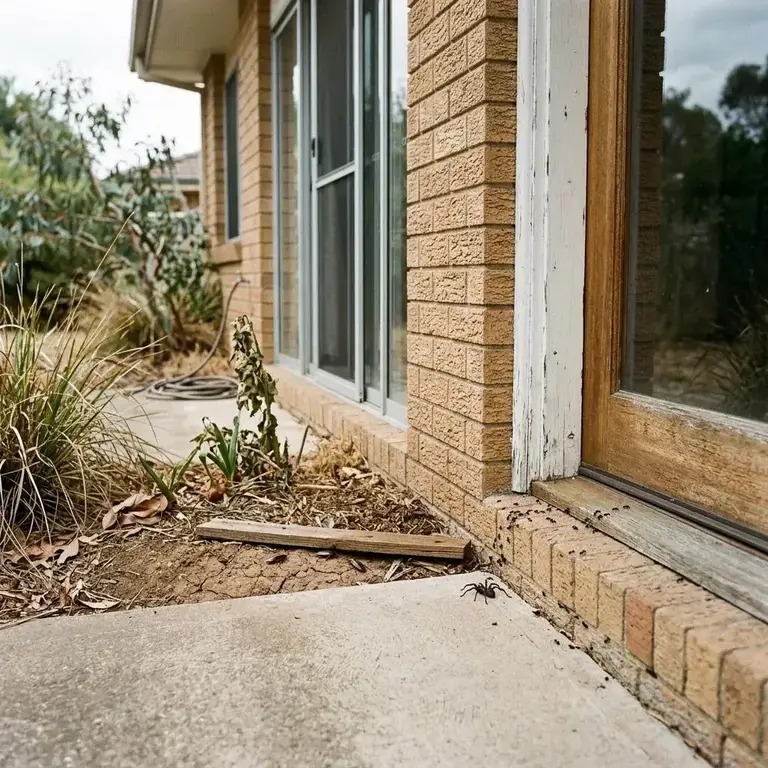
- Spider webs multiplying around eaves, sheds and debris piles within a week of the storm.
- Mosquito swarms near gutters, pot plant bases or any pooled stormwater.
- Visible entry points: torn flyscreens, displaced weatherboards, gaps around pipes, and roof damage you can see from ground level.
- Nesting material — shredded insulation, leaves or paper — dragged into roof voids or wall cavities.
Check four areas in particular: the roof and eaves for lifted tiles and possum or rodent entry points; gutters for debris and pooled water; the yard for fallen branches and debris piles harbouring nests; and the subfloor for moisture and displaced pests seeking dry shelter. As cooler weather follows the storm season, use any gaps you find as a starting list to rodent-proof your home before winter — the same openings that admit storm-displaced rats will invite them back when temperatures drop, just as described in our article on winter pest problems in Melbourne.
DIY vs professional pest control after a storm
Minor post-storm tasks — clearing debris, cleaning gutters and sealing small gaps — are reasonable DIY jobs, but storm damage pests, established infestations, roof-void activity and any chemical treatment belong with a licensed pest control technician. The single most effective DIY step is sealing new entry points quickly, before pests establish nests inside.
| Task | DIY | Professional |
|---|---|---|
| Debris and gutter clearing | Suitable — wear gloves, watch for spiders | Not usually required |
| Sealing small gaps and flyscreens | Suitable with quality sealant and mesh | Recommended for roof-line and subfloor work |
| Rodents in roof void or walls | Traps only; limited reach | Recommended — baiting, exclusion and monitoring |
| Possums in the roof | Not suitable — protected native animal | Required — licensed removal and one-way doors |
| Cockroach or ant treatment | Surface sprays offer short-term relief | Recommended — APVMA-registered products applied by licensed technicians |
| Mosquito breeding sites | Tip out standing water weekly | Recommended for persistent activity |
Timing matters more than anything. Seal first and treat second, rather than the reverse — otherwise you trap pests inside a freshly closed-up building. If storm water pooled around or under the house, treat the property as you would after flooding and prioritise drying out subfloors before they draw termites and cockroaches. Chemical treatments should always be carried out by licensed technicians using APVMA-registered products in line with label directions.
What does post-storm pest control cost in Australia?
Across the Australian pest control industry, post-storm treatments typically sit between $150 and $600 AUD for standard services, with rodent programs, possum removal and combined storm-damage inspections at the higher end of the market. The figures below reflect typical 2025–26 industry-wide market rates and vary with property size, access and severity.
| Service | Typical market rate (AUD) | What’s included/notes |
|---|---|---|
| Post-storm pest inspection | $0–$250 | Roof void, subfloor, yard and entry-point assessment; the industry often waives this with a treatment booking |
| General pest treatment (cockroaches, ants, spiders) | $180–$350 | Internal/external spray, roof void and subfloor dusting where accessible |
| Rodent control program | $250–$550 | Bait stations, trapping and follow-up visits over 4–8 weeks |
| Possum removal and proofing | $300–$600 | Licensed removal, one-way door and entry-point sealing |
| Mosquito treatment | $150–$300 | Barrier spray to yard and breeding-site treatment |
| Exclusion and gap sealing | $200–$800 | Mesh, sealant and screening of identified entry points; roof work priced on access |
Storm-related damage to the building itself may fall under your home insurance, so photograph everything before repairs begin. Pest treatments, however, are generally considered maintenance and are rarely claimable.
Keep in mind the figures above are typical Australian market rates — what the industry generally charges. Aussie Pest Strike typically comes in well under these rates for the same post-storm services, so it’s worth getting an exact quote for your property. Give us a call on [aps_phone] and we’ll sort you out with straightforward, no-obligation pricing.
Seasonal activity: when storm damage pests strike
Storm damage pest activity in Australia peaks from November to March, when the eastern storm season overlaps maximum insect and rodent activity, then tapers through autumn as displaced pests either establish indoors or die off. Winter still carries risk, because rodents that entered after summer storms breed on inside roof voids.
Jan
Feb
Mar
Apr
May
Jun
Jul
Aug
Sep
Oct
Nov
Dec
Indicative pattern: post-storm pest pressure peaks November–March with the eastern Australian storm season, eases over winter, then rebuilds from September as spring storms return. Northern regions may see elevated activity year-round.
After every big storm we get a wave of calls about a week later — that’s how long it takes a rat or a cockroach population to find the new gap and settle in. The homeowners who fare best are the ones who seal the roof within days and get us in before anything nests. Wait a month and you’re no longer excluding pests, you’re evicting them.
Within 72 hours of any storm that damages your roof, screens or cladding: clear gutters and debris piles, photograph all damage for insurance, and seal accessible gaps. Then book a professional post-storm inspection — a licensed technician will check the roof void and subfloor you can’t safely reach, treat anything already inside, and give you a prioritised exclusion list. Acting in the first week is far cheaper than treating an established infestation in the first month.
Frequently Asked Questions
Why do pests invade homes after storms?
Severe weather breaks a building's protective envelope and displaces pests from their usual harbourage. High winds lift roof tiles, crack eaves and tear flyscreens, creating new entry points, while collapsed burrows and fallen tree hollows force rodents and possums to seek fresh shelter. Wet debris offers instant food and nesting sites, so pests move in fast — often within days of the clean-up beginning.
Which pests are most common after storm damage?
The most common storm damage pests are rodents, cockroaches, ants, mosquitoes, spiders and possums. Rodents enter through gaps as small as 6mm, while possums exploit larger roof breaches. Cockroaches and ants are driven indoors by waterlogged soil and humid wall cavities, mosquitoes breed in pooled water held by blocked gutters, and spiders multiply around eaves, sheds and debris piles.
What warning signs should I look for after a storm?
Look for droppings or urine stains in roof voids, garages or along skirting boards; scratching or scurrying sounds in the ceiling at night; ant trails and cockroach activity in kitchens and bathrooms; multiplying spider webs near eaves and debris piles; mosquito swarms near pooled water; torn flyscreens and visible roof damage; and nesting material such as shredded insulation dragged into roof voids or wall cavities.
Which areas of my property should I check first after a storm?
Check four key areas: the roof and eaves for lifted tiles and possum or rodent entry points; gutters for debris build-up and pooled water that breeds mosquitoes; the yard for fallen branches and debris piles harbouring nests; and the subfloor for moisture and displaced pests seeking dry shelter. Work through the property methodically, pairing building repairs with a pest sweep.
Should I seal entry points before or after treating for pests?
Seal first and treat second. If you treat first and then close up the building, you risk trapping pests inside a freshly sealed structure, where they will continue nesting and causing damage. The single most effective DIY step is sealing new entry points quickly with quality sealant and mesh, before pests establish nests inside, then arranging treatment for any established activity.
How does storm damage to my roof make it easier for possums and other wildlife to get inside?
No. Possums are protected native animals, so DIY removal is not suitable. Possum removal requires a licensed technician who can carry out lawful removal using one-way doors and seal entry points afterwards. If you hear heavy thumping or scurrying in the ceiling at night after a storm has damaged your roof, arrange licensed removal rather than attempting to block or trap the animal yourself.
When is post-storm pest activity highest in Australia?
Post-storm pest pressure peaks from November to March, when eastern Australia's summer storm season overlaps maximum insect and rodent activity. Activity tapers through autumn as displaced pests either establish indoors or die off, but winter still carries risk because rodents that entered after summer storms breed inside roof voids. Northern regions may see elevated activity year-round, and pressure rebuilds from September as spring storms return.
How do different Australian housing styles affect storm pest risk?
Housing styles fail differently under wind and water. Older Queenslanders on stumps develop gaps where stumps shift or bearers move in saturated ground, giving rodents and cockroaches subfloor access. Brick veneer homes on slabs cope better with water but suffer lifted ridge capping, cracked eaves and torn flyscreens. Humid coastal homes face added moisture in wall cavities, accelerating cockroach and ant activity.
How can Aussie Pest Strike tell whether I have rats or possums in my roof after a storm?
Aussie Pest Strike technicians can inspect your roof void and entry points to distinguish between rodent and possum activity, which matters because each requires a different response. Rats leave droppings, gnaw marks and can be managed through baiting, trapping and exclusion, while possums are protected native animals needing licensed removal with one-way doors. An inspection identifies the species, the storm-created gaps they used, and the right proofing approach.
What should my next step be after spotting storm damage and possible pest signs?
Photograph all storm damage before repairs begin, clear debris and gutters while wearing gloves, and seal small gaps you can safely reach. Then contact Aussie Pest Strike for a post-storm inspection covering the roof void, subfloor, yard and entry points. Because sealing must come before treatment to avoid trapping pests inside, getting a professional assessment early helps you sequence repairs and pest control correctly.
Sources & further reading
Found Something
Dangerous?
Don’t touch it. Don’t spray it. Keep kids and pets clear, take a photo from a safe distance, and call us — or book a free inspection and we’ll come to you.
02 7235 0050