How Much DoesPest ControlCost in Australia?
How much does — pest control cost in Australia typically ranges from around $150 to $350 for a standard general treatment of an average home, while...
When Australians search for how much pest control costs, the honest answer is that a standard general treatment for an average home typically runs between $150 and $350, while specialised work like termite barriers or bed bug heat treatment climbs into the thousands. Whether your property is a Brisbane Queenslander, a Melbourne brick veneer or a Perth slab home, the final price — and the grade of result, from A-grade to e-grade — depends on pest type, property size, severity and location, so an on-site quote is always the accurate figure.
To define it plainly: pest control cost in Australia is the price a licensed technician charges to inspect, treat and warranty a property against common pests, calculated from the pest species involved, the size and construction of the building, the severity of the infestation and the products required. Understanding what sits behind that number helps you compare quotes properly, avoid under-qualified operators and budget realistically for 2025-26.
- A general treatment for ants, spiders and cockroaches typically costs $150–$350 across the Australian market.
- Termite barriers ($2,000–$5,000+) dwarf other services because of the labour, trenching and chemical volume involved.
- Property size, pest type, severity, access and location are the five main price drivers.
- Ongoing annual plans often work out cheaper per year than repeated emergency call-outs.
- Always confirm a current state licence, public liability insurance and a written scope before accepting any quote.
Why Pest Control Pricing Matters Right Across Australia
Pest control pricing matters across Australia because our climate and housing styles create year-round pest pressure that almost every household eventually has to budget for. From tropical Darwin to temperate Hobart, no region is genuinely pest-free — the species and seasons simply change.
Australia’s warm, humid zones — Queensland, northern New South Wales and the Top End — drive explosive populations of cockroaches, ants, spiders and termites for much of the year. Southern states get a summer surge of the same pests plus a winter rodent migration indoors as temperatures drop. Housing construction multiplies the risk. Classic Queenslanders on stumps have open subfloors that invite termites and rodents; older weatherboard and brick veneer homes develop cracks and weep holes that ants and cockroaches exploit; modern slab-on-ground homes can hide termite entry points along the slab edge that are invisible until damage is done.
Because construction type changes the amount of inspection time, product and labour required, it directly shapes the quote. A raised timber home with a crawl space takes longer to inspect and treat than a flat-roofed unit. Understanding this context stops you comparing a quote for a five-bedroom two-storey home against your neighbour’s townhouse price and assuming you’ve been overcharged.
Warning Signs You Need a Professional Treatment
The clearest warning sign is seeing pests repeatedly during the day, because most common Australian pests are nocturnal and daytime activity means the population has outgrown its hiding spots. Beyond that, a practical checklist helps you decide when a $150–$350 general treatment is money well spent.
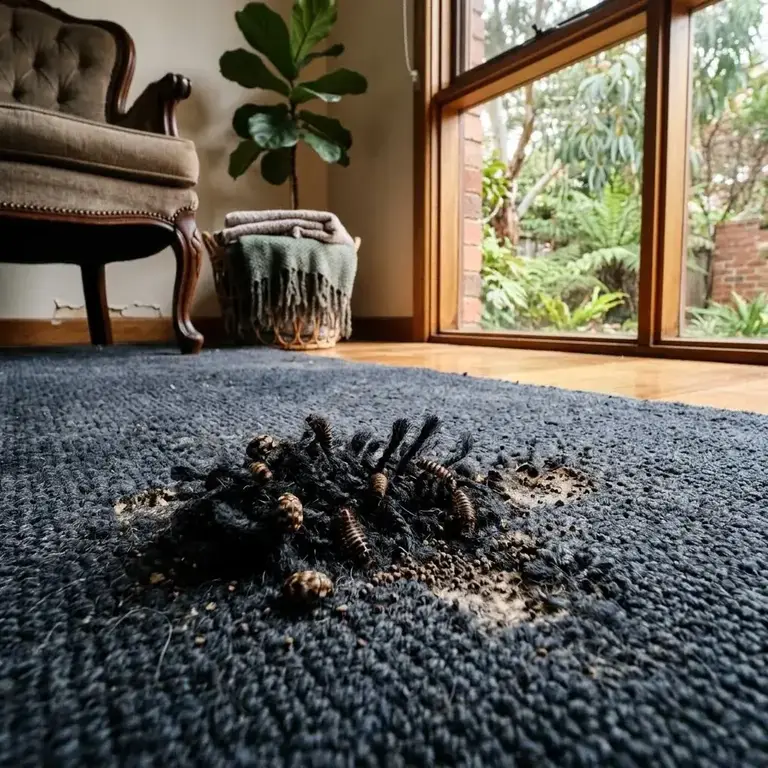
- Droppings or smear marks — small dark pellets in cupboards or along skirting boards signal rodents or cockroaches.
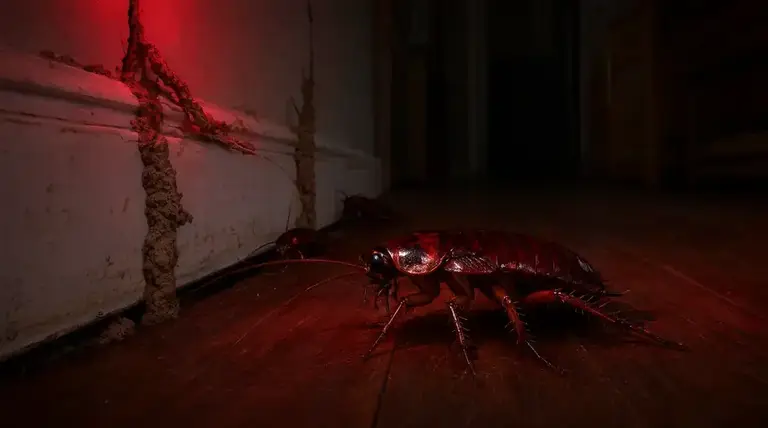
- Mud tubes on foundations — pencil-width earthen tunnels on brickwork or stumps mean active termites and an urgent inspection.
- Discarded wings — piles of translucent wings near windowsills indicate a termite or ant swarm.
- Night-time sightings — cockroaches scattering when you switch on the kitchen light confirms an established infestation.
- Bite marks or blood spots on bedding — a classic early sign of bed bugs that will not resolve without treatment.
- Rustling in walls or ceilings — scratching sounds at night usually mean rats or mice in the roof void.
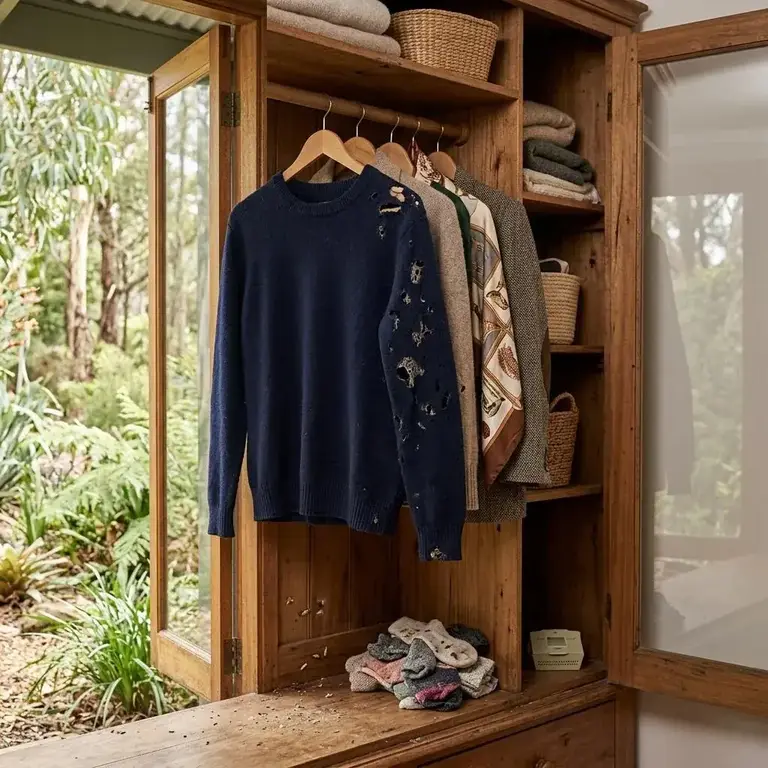
- Damaged timber or sagging floors — hollow-sounding architraves or bubbling paint can point to concealed termite activity.
DIY vs Professional: What Are You Actually Paying For?
DIY products are cheaper up front but rarely cheaper overall, because supermarket sprays kill the pests you see while licensed technicians treat the nest, entry points and harbourage areas you can’t. A $30 aerosol might knock over a few ants; a professional general treatment applies a residual barrier, dusts roof voids and subfloors, gels cockroach harbourages and carries a service warranty — commonly 3 to 12 months. Chemical treatments should always be applied by licensed technicians following APVMA-registered label rates, particularly where children and pets live in the home. Our article on whether pest control is safe for pets and children explains the precautions involved, and the full breakdown sits in our DIY pest control vs professional comparison.
| Factor | DIY products | Professional treatment |
|---|---|---|
| Up-front cost | $20–$80 in products | $150–$350 typical |
| Target | Visible pests only | Nests, harbourages and entry points |
| Resistant pests (German cockroaches, bed bugs) | Rarely effective | Multi-visit programs with follow-up |
| Warranty | None | Commonly 3–12 months |
| Chemical handling | Untrained application risk | Licensed technician, label rates |
| Long-term value | Repeat purchases add up | One proper job usually costs less |
Typical Pest Control Costs in Australia (2025-26)
Across the Australian market in 2025-26, the industry generally charges around $150–$350 for a general treatment, while specialised work typically ranges from a few hundred dollars for rodents to $5,000 or more for a full termite barrier. The table below sets out typical industry-wide market rates to help you budget — these are general market estimates for what Australian providers charge, not fixed quotes, and the actual figure varies by provider, region and infestation level.
| Service | Typical market rate (AUD) | What’s included/notes |
|---|---|---|
| General pest treatment (ants, spiders, cockroaches) | $150–$350 | Internal/external spray, dusting, warranty |
| Termite inspection | $250–$450 | Full visual inspection with written report |
| Full termite barrier / treatment | $2,000–$5,000+ | Trenching, drilling, 100+ litres of termiticide |
| Rodent control program | $200–$500 | Baiting, trapping, follow-up visits |
| Bed bug treatment | $300–$1,500+ | Multiple visits; heat treatment at the top end |
| Cockroach treatment | $150–$400 | Gel baiting and residual spray; German cockroaches may need repeat visits |
For a deeper look at termite figures, see our guide to termite treatment cost in Australia. Across the industry, termite work dwarfs everything else for a simple reason: a full perimeter chemical barrier involves trenching and drilling around the entire footprint of the home and injecting 100-plus litres of termiticide, whereas a general treatment is a couple of hours of targeted spraying. That gap in labour, product volume and equipment explains why the typical market ranges sit so far apart.
Many Australians also assume pest control is a single transaction. In reality, the industry offers two models: a one-off treatment that fixes an existing problem now, or an annual or six-monthly plan that spreads cost and keeps a warranty active. For a family home in a warm climate, an ongoing plan often works out cheaper per year than repeated emergency call-outs. Our guide on how often you should book pest control in Australia breaks down the scheduling, and you can review our service options to see what a plan covers.
It’s worth noting that Aussie Pest Strike typically comes in well under these general market rates, so the figures above are a ceiling rather than what you should expect to pay with us. For an exact quote tailored to your property and pest problem, give us a call on [aps_phone].
Seasonal Pest Activity Across the Australian Year
Pest activity in Australia peaks from late spring through summer and dips in mid-winter, though rodents buck the trend by moving indoors as temperatures fall. Booking before the spring build-up — rather than during the summer rush — often means faster appointments and better value.
Jan
Feb
Mar
Apr
May
Jun
Jul
Aug
Sep
Oct
Nov
Dec
Indicative pattern: insect activity (cockroaches, ants, spiders, termite swarms) climbs from September and peaks December–February, eases through autumn, and bottoms out in June–July — when rodent call-outs rise as rats and mice shelter indoors. Northern regions stay active for longer than the southern states.
The cheapest quote is rarely the cheapest job. When I walk through a property, I’m pricing the time it takes to actually find the nest, treat the entry points and stand behind the work with a warranty — not just wave a spray wand around. Pay for a proper treatment once and you’ll spend less than the household that books three bargain call-outs a year.
Budget $150–$350 for a general treatment, and before accepting any quote confirm the operator holds a current state pest management licence, carries public liability insurance, and provides a written scope listing pests covered, products used and the warranty period. A refusal to put these details in writing is itself a warning sign — a slightly higher quote from a fully licensed, insured technician is almost always better value than the lowest number on the market.
Frequently Asked Questions
How much does a general pest control treatment cost in Australia?
A general pest control treatment covering common household pests such as ants, spiders and cockroaches usually falls within a moderate price range for a standard-sized home. The exact cost varies with the size and construction of your property, how severe the infestation is, which pests are present and where you live. Because of these variables, an on-site inspection and quote from a technician is the most reliable way to know what you will pay.
Why do termite barriers cost so much more than other pest treatments?
Termite barriers cost more because they involve far more labour, equipment and chemical volume than a standard spray or baiting job. A technician must trench and drill around the entire footprint of the home, then inject large volumes of termiticide into the soil to create a continuous treated zone. The work can take a full day or longer, requires specialised application gear, and the chemical itself is a significant cost component.
What are the main factors that affect pest control cost?
Five factors drive most quotes: the pest species involved, the size of the property, the severity of the infestation, access to the affected areas, and your location. Construction type matters too — a raised timber Queenslander with open subfloors takes longer to inspect and treat than a modern slab home or a townhouse. Because these variables change the inspection time, product volume and labour required, comparing quotes without considering them can be misleading.
Is DIY pest control cheaper than hiring a professional?
DIY pest control can look cheaper at first because supermarket sprays and baits have a low upfront price. However, these products typically only kill the pests you can see, leaving nests, entry points and harbourage areas untouched. For stubborn pests such as German cockroaches or bed bugs, DIY methods often fail, leading to repeated purchases that add up over time. A professional treatment addresses the source of the problem, which can make it more cost-effective overall.
How much does termite inspection cost compared with full termite treatment?
A full visual termite inspection with a written report is a relatively modest outlay compared with complete barrier installation or treatment. The inspection identifies whether termites are active, how extensive any activity is and which treatment approach suits your construction type. It is a worthwhile first step before committing to treatment, since catching activity early through inspection is far less costly than dealing with concealed structural damage later.
When should I book pest control during the year?
Insect activity climbs from September and peaks between December and February across most of Australia, then eases through autumn and bottoms out in June and July. Rodents move in the opposite direction, sheltering indoors as temperatures fall in winter. Booking before the spring build-up rather than during the summer rush often means faster appointments and better value. Northern regions stay active for longer than southern states, so timing varies by location.
What warning signs suggest I need professional pest control?
Key signs include seeing pests repeatedly during the day, since most common Australian pests are nocturnal and daytime activity suggests an established population. Other indicators are droppings or smear marks in cupboards, pencil-width mud tubes on foundations signalling active termites, discarded wings near windowsills, cockroaches scattering when lights come on, bite marks or blood spots on bedding, rustling in walls or ceilings at night, and hollow-sounding or damaged timber.
Should I choose a one-off treatment or an ongoing pest control plan?
The industry offers both models: a one-off treatment that fixes an existing problem now, or an annual or six-monthly plan that spreads the cost and keeps coverage active. For a family home in a warm climate with year-round pest pressure, an ongoing plan often works out cheaper per year than repeated emergency call-outs. Consider your local pest pressure, housing construction and budget when deciding which model suits your household.
Can I check whether Aussie Pest Strike covers my area for this kind of pest problem?
Yes. Aussie Pest Strike services properties across different regions, and availability for your specific suburb and pest problem can be confirmed when you get in touch. Aussie Pest Strike typically comes in well under general market rates, so an exact quote tailored to your property is worth requesting.
What is the best next step before accepting a pest control quote?
Then request an exact quote tailored to your property rather than relying on market averages. Aussie Pest Strike can provide a tailored figure based on your pest type, building construction and infestation severity, and typically prices below the general market ranges, so it pays to compare properly.
Sources & further reading
Found Something
Dangerous?
Don’t touch it. Don’t spray it. Keep kids and pets clear, take a photo from a safe distance, and call us — or book a free inspection and we’ll come to you.
02 7235 0050