Asian House Geckos:Pest orFree Pest Control?
Asian house geckos (Hemidactylus frenatus) are an introduced species that has spread rapidly through Queensland, the Northern Territory and coastal New...
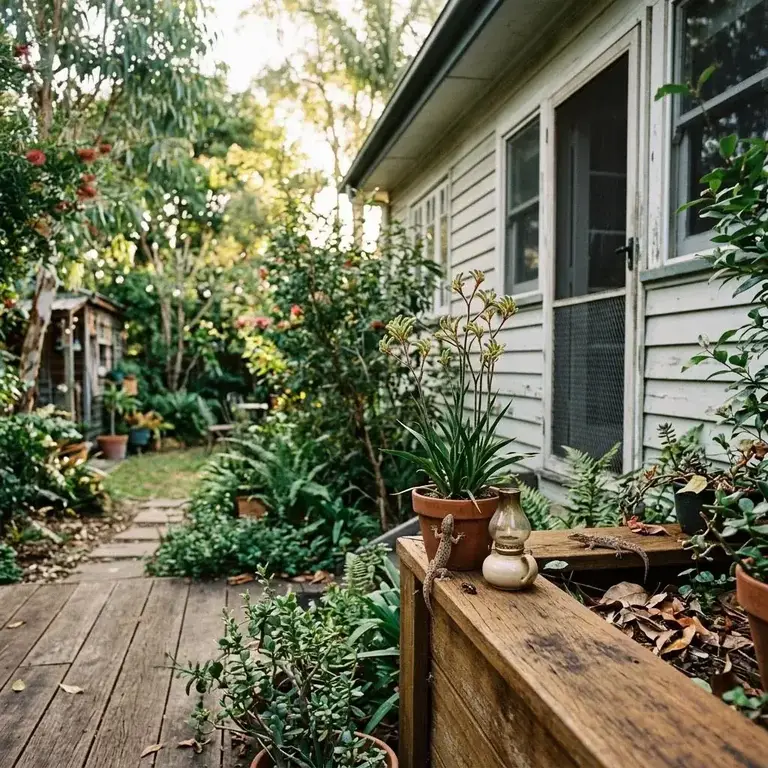
Asian house geckos (Hemidactylus frenatus) are one of the most debated backyard creatures in Australia: some households welcome them as a free pest control service, while others wage war on their droppings, noise and sheer numbers. If you’ve heard that distinctive chuck-chuck-chuck call echoing down the hallway at 2am, you already know which side you’re probably on.
This introduced species has spread rapidly through Queensland, the Northern Territory and coastal New South Wales since it first hitched a ride in shipping cargo. In this guide, we’ll help you identify Asian house geckos, weigh up whether they’re helping or harming your home, and show you practical ways to manage them — including when it’s worth calling a licensed pest control technician.
- Asian house geckos are an introduced, unprotected species first recorded in Darwin in the 1960s and now common across subtropical Australia.
- They do eat moths, mosquitoes and small cockroaches, but they won’t control a genuine insect infestation.
- Their droppings can harbour Salmonella, their chirping disturbs sleep, and they can short out air-conditioning units and electrical fittings.
- Correct identification matters — native geckos are protected wildlife in every state and territory.
- Professional pest control typically costs between $150 and $450 depending on the property and treatment scope.
What Are Asian House Geckos and Why Do They Matter in Australia?
The Asian house gecko is a small, pale lizard, usually 10 to 15 centimetres long including the tail, with translucent grey-brown skin, small spines along its back and tail, and a loud, repeated chuck-chuck-chuck call. It matters in Australia because it is an introduced species that aggressively outcompetes our protected native geckos while creating hygiene and nuisance problems inside homes.
Originally from South-East Asia, the species arrived in shipping cargo and was first recorded in Darwin in the 1960s. It has since colonised Brisbane, Cairns, Townsville and much of the subtropical east coast, and it is still steadily moving south. In practical terms, that means more Australian households every year are dealing with gecko droppings on benchtops, geckos behind picture frames and that unmistakable night-time chirping.
How to Tell Them Apart from Native Geckos
Asian house geckos have small spines along their backs and tails and a loud, repetitive call. Native species such as the dtella (Gehyra) have smoother skin and softer voices. Correct identification matters because native geckos are protected wildlife in every Australian state and territory, while the Asian house gecko is not. If you’re unsure, arrange a professional identification before you act.
Warning Signs Your Home Has a Gecko Problem
A few geckos around the porch light is normal in warm climates; a genuine problem looks quite different. Watch for these signs that numbers have tipped from tolerable to infestation:
- Droppings everywhere: small dark pellets with a distinctive white tip on walls, windowsills, benchtops and outdoor furniture.
- Night-time noise: repeated chuck-chuck-chuck calls disturbing light sleepers, often from multiple individuals.
- Heavy congregation around lights: more than two or three geckos hunting around a single outdoor light most nights.
- Electrical issues: geckos sheltering in air-conditioning units, meter boxes and electrical fittings, sometimes causing short circuits.
- No native geckos left: if the only lizards you see are pale and spiny, the introduced species has likely displaced local natives.
- Egg clutches: pairs of hard-shelled eggs glued into crevices, behind furniture or inside wall cavities.
DIY Management vs Professional Pest Control
You will never eliminate geckos entirely, but you can make your property far less inviting. DIY methods work well for mild problems; heavy infestations — especially where droppings are contaminating kitchens — usually need professional insect control to remove the geckos’ food source. Here’s how the two approaches compare:
| Factor | DIY approach | Professional approach |
|---|---|---|
| Typical cost | $20–$80 (bulbs, sealant, mesh) | $150–$450 per treatment |
| Food source reduction | Partial — lighting and screens help | Comprehensive insect treatment around the home |
| Species identification | Uncertain — risk with protected natives | Confirmed by a licensed technician |
| Hygiene management | Clean-up only, ongoing | Source reduction plus advice on harbourages |
| Best for | Low numbers, prevention | Heavy infestations, recurring problems |
Practical DIY steps include swapping bright white outdoor lights for warm-yellow bulbs (which attract fewer insects and therefore fewer geckos), sealing gaps around windows, doors, eaves and wall vents with flyscreen mesh and silicone sealant, cleaning up droppings promptly with disinfectant, and cutting back dense shrubs and climbing plants from external walls. Because the Asian house gecko is introduced, no permit is needed to remove one from your home — but animal welfare laws in every state require humane treatment, so glue traps and poisons are off the table.
How Much Does Pest Control for Geckos Cost in Australia?
In 2025–26, the typical Australian market rate for professional treatments targeting the insects that attract geckos sits between $150 and $450 for a standard home, with larger or heavily infested properties at the higher end of what the industry generally charges. Rates vary by state, property size and treatment scope — for a full breakdown of industry pricing, see our guide on how much pest control costs in Australia.
| Service | Typical market rate (AUD) | What’s included/notes |
|---|---|---|
| General insect treatment (standard home) | $180–$320 | Interior/exterior spray targeting insects geckos feed on |
| Large home or acreage treatment | $300–$450+ | Extended perimeter and subfloor/roof void coverage |
| Inspection and species identification | Often free–$150 | Confirms introduced vs native species before action |
| Quarterly maintenance plan | $120–$200 per visit | Ongoing insect suppression through wet season |
These figures reflect what pest control companies across Australia generally charge, not a quote from any single provider. How often you book matters too — most homes in gecko-prone regions benefit from treatment every three to six months. Read more in our guide on how often you should book pest control in Australia. And if you have kids or animals at home, it’s worth understanding whether pest control is safe for pets and children before any treatment — licensed technicians use APVMA-approved products applied to label directions, but no chemical treatment should ever be described as 100% safe, and professional application is always the right call.
Worth knowing: Aussie Pest Strike typically comes in well under these general market rates, so the figures above are a conservative benchmark rather than what you’d actually pay with us. For an exact quote tailored to your property, give us a call on [aps_phone] — we’ll sort you out quickly and at a fair price.
Seasonal Activity: When Are Asian House Geckos Most Active?
Gecko activity peaks during the warm, humid wet season from November to April and drops sharply through the cooler, drier winter months. Warm conditions suit them perfectly, which is why numbers explode across Queensland and the Top End each summer.
Jan
Feb
Mar
Apr
May
Jun
Jul
Aug
Sep
Oct
Nov
Dec
Typical relative gecko activity across the year in subtropical and tropical Australia. Activity peaks with wet-season heat and humidity (November–April) and falls through the cooler dry season, when insects are scarcer and geckos are less visible.
Homes with bright exterior lighting, dense garden vegetation and gaps around windows, eaves and rooflines give geckos everything they need: food, shelter and breeding sites. Females glue pairs of hard-shelled eggs into crevices, so a minor problem in October can become a major one by February. This is especially true in Queenslanders with open subfloors and wall cavities, though brick veneer and slab homes with weep holes and roofline gaps are far from immune.
Most customers call us about the droppings, but the geckos are really just the symptom. Take away the insects swarming around their lights and eaves, and the gecko problem mostly takes care of itself. That’s why a proper perimeter treatment beats chasing lizards with a broom every time.
Treat the food source, not the lizard. Start with lighting changes, sealing entry points and prompt dropping clean-ups. If gecko numbers stay high after a month of DIY effort, book a professional insect treatment — and always confirm you’re dealing with the introduced Asian house gecko, not a protected native, before taking any removal action.
FAQ
Are Asian house geckos dangerous to humans?
Asian house geckos don’t bite aggressively and aren’t venomous, so they pose little direct danger. The real concern is their droppings, which can carry Salmonella and contaminate kitchen surfaces. Clean affected areas with disinfectant, keep food covered, and address heavy infestations promptly, especially in homes with young children or elderly residents.
Do geckos really keep cockroaches and mosquitoes away?
Geckos do eat insects, but they won’t control an infestation. They take only small, soft-bodied prey and ignore cockroach egg cases and hidden harbourages. If you’re seeing geckos in large numbers, it usually signals a healthy insect population nearby — meaning you may need professional insect control rather than relying on the lizards.
Is it legal to remove geckos from my house?
Yes. The Asian house gecko is an introduced, unprotected species, so no permit is required to remove it from your property. You must still treat it humanely under state animal welfare laws. Native geckos, however, are protected wildlife across Australia and must not be harmed or relocated without authority.
Whether you see Asian house geckos as pest or helper, a home overrun with droppings, noise and insects is a home that needs attention. Aussie Pest Strike’s licensed technicians offer a free inspection and a tailored treatment plan for homes and businesses across Australia — call Aussie Pest Strike on [aps_phone] today to book your free inspection and take back control of your home.
Sources & further reading
Found Something
Dangerous?
Don’t touch it. Don’t spray it. Keep kids and pets clear, take a photo from a safe distance, and call us — or book a free inspection and we’ll come to you.
02 7235 0050