Baby Cockroaches: WhatThey Look Like andWhat They Mean
Baby cockroaches — properly called nymphs — are small, wingless juvenile cockroaches that hatch from egg cases hidden around your home. Seeing baby...
Baby cockroaches — properly called nymphs — are the small, wingless juvenile stage of a cockroach’s life cycle, hatching from egg cases hidden around your home. If you’ve spotted a baby cockroach in a kitchen drawer or scuttling near the sink, it’s worth treating seriously: nymphs almost always mean a breeding population is established nearby. Fast action is the difference between a minor problem and a full-blown infestation.
Baby cockroaches are juvenile cockroaches that hatch from an egg case (ootheca), and their presence indoors confirms that cockroaches are actively breeding on the property rather than simply wandering in from outside. In this guide, we’ll show you how to identify nymphs by species, what they mean for your home, and how to get rid of them — including when to call in professional pest control.
- Baby cockroaches (nymphs) are wingless, smaller than adults, and scatter quickly when disturbed — German cockroach nymphs are around 3 mm long with a pale stripe down the back.
- Seeing a nymph almost always means a female has laid an egg case nearby; one German cockroach female carries 30–40 eggs per case.
- Australian conditions — humid northern summers, heated southern homes, subfloor cavities — let infestations grow fast.
- Gel baits, sanitation and sealing entry points help, but daytime nymph sightings mean the infestation is established and needs professional treatment.
- Licensed technicians use APVMA-registered products, including insect growth regulators that stop nymphs reaching breeding age.
Why Baby Cockroaches Are a Serious Problem Across Australia
Baby cockroaches matter in Australia because our climate and housing styles give breeding populations ideal conditions almost year-round. Humid springs and summers across Queensland, New South Wales and Western Australia push roach activity into overdrive, while in cooler states like Victoria, German cockroaches breed continuously inside heated homes.
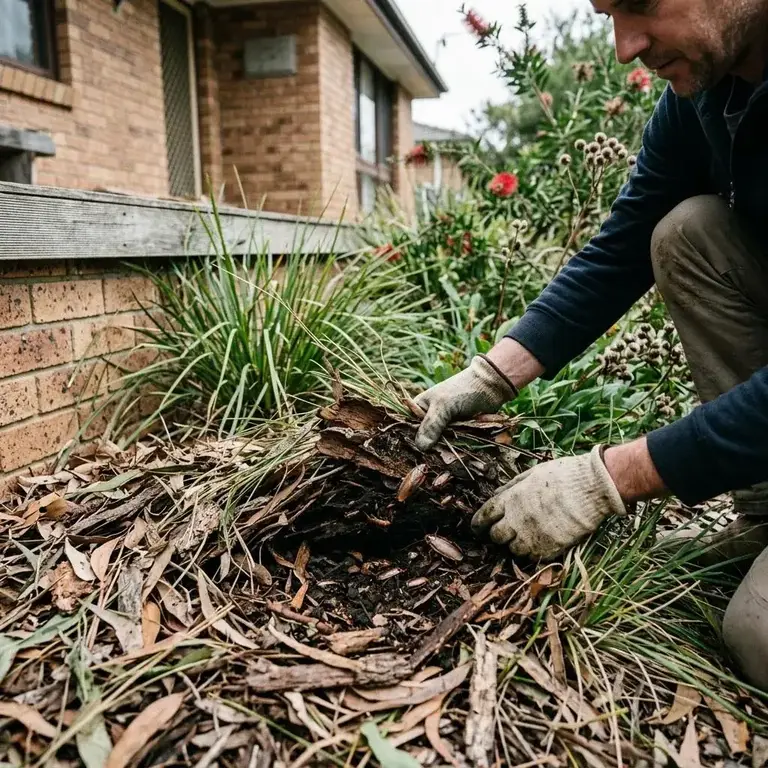
Housing construction plays a role too. Older Queenslanders on stumps and homes with raised subfloors offer warm, damp cavities where American and Australian cockroach nymphs thrive. Brick veneer homes on concrete slabs still provide plenty of harbourage — wall voids near hot water systems, gaps around plumbing penetrations, and the warm motors behind fridges and dishwashers. Apartment living concentrates the problem further: roaches move between units through shared walls, pipes and ceiling voids, so one neglected unit can seed an entire block.
The health stakes are real. Cockroaches spread bacteria such as Salmonella, contaminate food preparation surfaces, and their droppings and shed skins are known triggers for asthma and allergies — particularly in children. Because nymphs stay close to where they hatched, a single sighting tells you there’s an active harbourage, often just a metre or two away.
How to Identify Baby Cockroaches: A Checklist
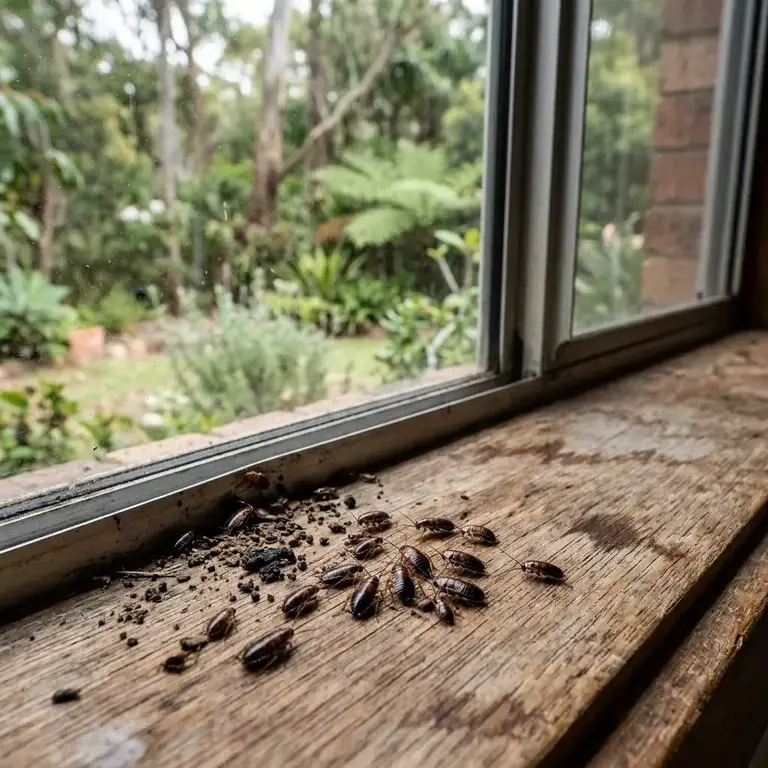
You can identify baby cockroaches by their small size, lack of wings and oval, flattened bodies with long antennae and six spiny legs. Straight after hatching — and again after each moult — a nymph is soft and creamy white, darkening within hours as its shell hardens. Use this checklist to confirm what you’re dealing with:
- Size: German cockroach nymphs are around 3 millimetres when newly hatched; American and Australian cockroach nymphs start larger, around 6 millimetres.
- Colour: German nymphs are dark brown to black with a distinctive pale stripe down the middle of the back; American and Australian nymphs are reddish-brown.
- Wings: All nymphs are completely wingless — wings only appear at the final moult into adulthood.
- Location: German nymphs cluster near food and moisture — dishwashers, fridges, sinks — while larger species favour subfloors, drains, garages and garden beds.
- Behaviour: Nymphs scatter fast when a light comes on; daytime sightings suggest overcrowding and a heavy infestation.
- Supporting evidence: Look for pepper-like droppings, smear marks, shed skins and brown egg cases in cupboard hinges and drawer runners — all classic signs of a cockroach infestation.
If you’re unsure which species you have, our American cockroach identification and control guide covers the larger species in detail, while German cockroaches deserve their own attention — our article on why German cockroach infestations are so hard to kill explains their rapid breeding cycle and resistance issues.
DIY vs Professional Treatment for Baby Cockroaches
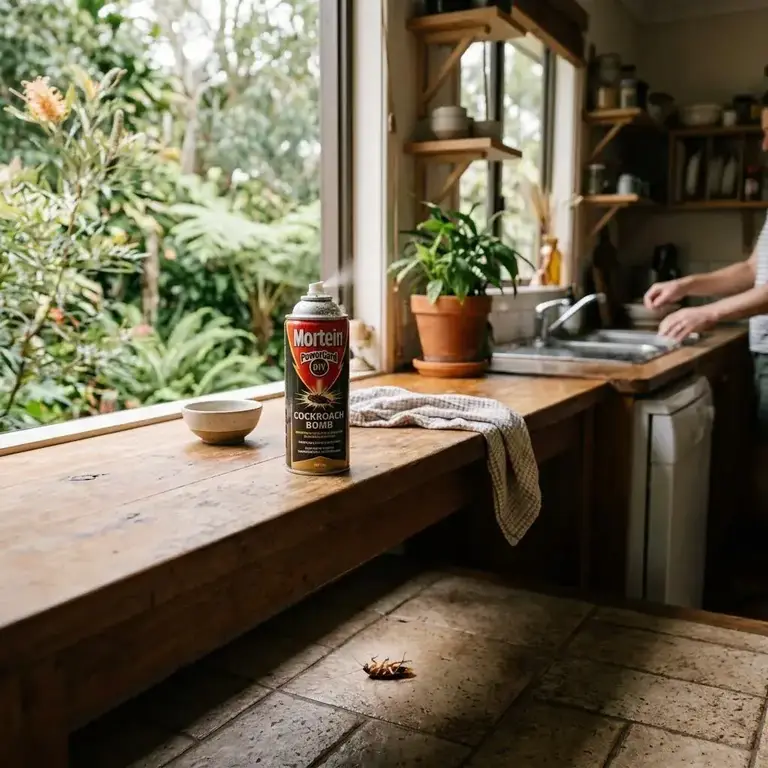
DIY methods can knock back a small, early-stage problem, but because nymphs hide deep in crevices, surface sprays alone rarely work — a combined baiting, sanitation and sealing approach is far more effective, and established infestations need a licensed technician. Gel baits placed in hinges, corners and crevices work well because roaches carry the active ingredient back to the harbourage. Pair that with nightly cleaning of crumbs and grease, storing food (including pet food) in sealed containers, fixing leaking taps, wiping sinks dry, and sealing gaps around pipes, skirting and cabinetry with silicone. Sticky traps help you monitor numbers and confirm whether treatment is working.
| Factor | DIY approach | Professional treatment |
|---|---|---|
| Best for | One or two nymphs, single room, caught early | Daytime sightings, multiple rooms, recurring activity |
| Products | Hardware-store gel baits, sticky traps, surface sprays | APVMA-registered professional baits, residual treatments and insect growth regulators |
| Effect on nymphs | Kills foragers; may miss harbourages and egg cases | Growth regulators stop nymphs maturing, breaking the breeding cycle |
| Time to result | Weeks, with ongoing effort and monitoring | Noticeable reduction in days, with follow-up visits as needed |
| Typical cost | $20–$80 in products | $180–$450 depending on severity and property size |
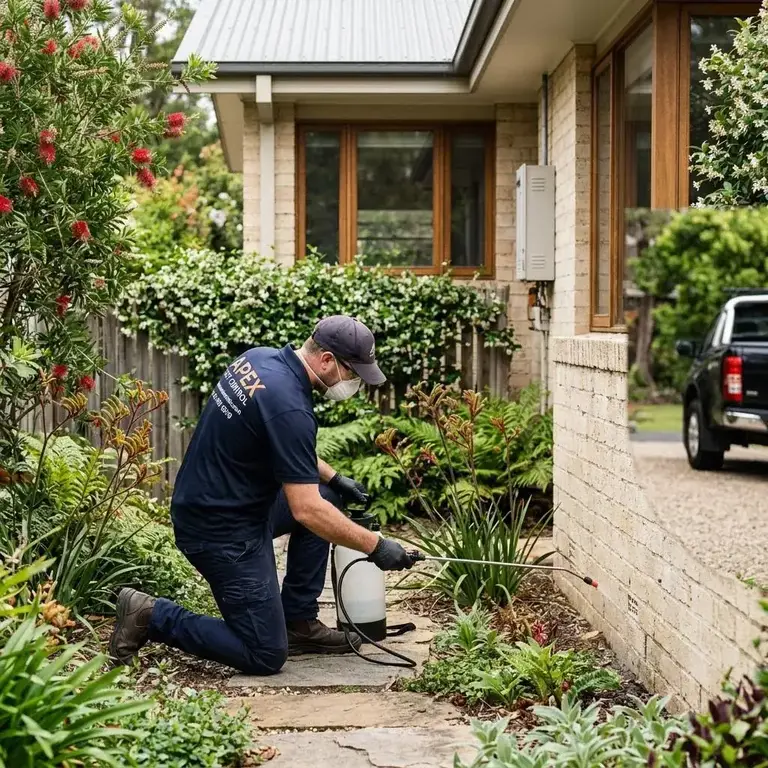
If you see nymphs during the day or in several rooms, the infestation is well established and DIY is unlikely to get on top of it. Food businesses have an extra obligation: commercial kitchens must meet pest-control requirements under the Australia New Zealand Food Standards Code, so immediate professional treatment is the sensible path. For a full breakdown of what a technician does, see our cockroach control and treatment service.
How Much Does Cockroach Treatment Cost in Australia?
Across the Australian pest control industry, professional cockroach treatment generally costs between $180 and $450 for a standard home, depending on the species, severity and property size. German cockroach infestations usually sit at the higher end of the market because they need multiple visits and growth-regulator treatments. Below are the typical 2025–26 industry rates charged across Australia — what you’ll actually pay depends on your situation.
| Service | Typical market rate (AUD) | What’s included / notes |
|---|---|---|
| General cockroach treatment (standard home) | $180–$300 industry-wide | Internal and external treatment, gel baiting in kitchens and bathrooms |
| German cockroach program | $280–$450 industry-wide | Gel baits plus insect growth regulators; usually 2–3 visits |
| Large home or severe infestation | $350–$550+ industry-wide | Subfloor or void treatments, multiple follow-ups, monitoring traps |
| Commercial kitchen treatment | $250–$600 per visit industry-wide | After-hours service, documentation for food-safety compliance |
These figures reflect what the Australian market generally charges — not what you’ll pay with us. Aussie Pest Strike typically comes in well under these market rates while still delivering a thorough, guaranteed treatment. For an exact quote tailored to your property, give us a call on [aps_phone] today.
When Are Baby Cockroaches Most Active in Australia?
Baby cockroach activity in Australia peaks through the warm, humid months from October to March, when eggs hatch faster and nymphs develop quickly. In cooler southern states, indoor German cockroach populations keep breeding year-round, but sightings still climb in summer. The chart below shows typical relative activity across the year:
Jan
Feb
Mar
Apr
May
Jun
Jul
Aug
Sep
Oct
Nov
Dec
Typical relative cockroach activity across Australia. Activity peaks December–March in humid northern and coastal regions; indoor German cockroach breeding continues year-round in heated homes, keeping winter activity moderate rather than zero.
When a customer shows me a nymph, I know we’re not dealing with a stray — we’re dealing with a nest. Nine times out of ten the harbourage is within a couple of metres: behind the fridge motor, in the dishwasher cavity, or around the hot water system. Treat the harbourage properly and the problem collapses; spray the benchtops and you’ll be chasing roaches for months.
Treat any baby cockroach sighting as a confirmed infestation. Start gel baiting and deep sanitation tonight, seal gaps around plumbing, and set sticky traps to monitor. If you’re seeing nymphs in daylight, in more than one room, or activity returns within a fortnight, book a licensed pest control technician — insect growth regulators are the most reliable way to stop a breeding cycle before summer turns it into hundreds of roaches.
Frequently Asked Questions
What does a baby cockroach look like?
Baby cockroaches, called nymphs, are small, wingless and oval with flattened bodies, long antennae and six spiny legs. German cockroach nymphs are around 3 millimetres long, dark brown to black with a pale stripe down the middle of the back. American and Australian cockroach nymphs start larger at about 6 millimetres and are reddish-brown. Straight after hatching or moulting they appear soft and creamy white before darkening within hours.
What does finding a baby cockroach in my home mean?
A nymph indoors almost always means cockroaches are actively breeding on the property rather than wandering in from outside. A female has laid an egg case nearby — a single German cockroach female carries 30 to 40 eggs per case. Because nymphs stay close to where they hatched, the harbourage is often just a metre or two away, such as behind the fridge motor, in the dishwasher cavity or near the hot water system.
Why are baby cockroaches wingless?
All cockroach nymphs are completely wingless because wings only develop at the final moult into adulthood. Nymphs go through several moults as they grow, shedding their skins each time. This makes size and wing absence useful identification clues: any small, wingless, oval-bodied insect with long antennae scuttling near your sink or in a drawer is likely a cockroach nymph rather than an adult that has flown in from outside.
Where do baby cockroaches hide?
Nymphs stay close to their hatching site. German cockroach nymphs cluster near food and moisture, such as dishwashers, fridges, sinks and cupboard hinges. Larger species like American and Australian cockroach nymphs favour subfloors, drains, garages and garden beds. In homes, warm harbourages include wall voids near hot water systems, gaps around plumbing penetrations and the motors behind fridges and dishwashers. Apartments allow roaches to move between units through shared walls, pipes and ceiling voids.
When are baby cockroaches most active in Australia?
Baby cockroach activity peaks during the warm, humid months from October to March, when eggs hatch faster and nymphs develop quickly. Humid springs and summers across Queensland, New South Wales and Western Australia push activity into overdrive. In cooler states such as Victoria, German cockroaches breed continuously inside heated homes, so indoor sightings continue year-round but still climb in summer. Winter activity is moderate rather than zero in heated homes.
Can I get rid of baby cockroaches myself?
DIY methods can knock back a small, early-stage problem of one or two nymphs in a single room. Gel baits placed in hinges, corners and crevices work well because roaches carry the active ingredient back to the harbourage. Pair this with nightly cleaning, sealed food storage, fixing leaks and sealing gaps with silicone. Sticky traps help monitor numbers. However, surface sprays alone rarely work because nymphs hide deep in crevices.
When should I call a professional for baby cockroaches?
If you see nymphs during the day, in more than one room, or activity returns within a fortnight, the infestation is well established and DIY is unlikely to succeed. Daytime sightings suggest overcrowding and a heavy infestation. Licensed technicians use APVMA-registered products, including insect growth regulators that stop nymphs reaching breeding age and break the cycle. Food businesses must also meet pest-control requirements under the Australia New Zealand Food Standards Code.
Are baby cockroaches a health risk?
Yes. Cockroaches spread bacteria such as Salmonella, contaminate food preparation surfaces, and their droppings and shed skins are known triggers for asthma and allergies, particularly in children. Because nymphs stay close to where they hatched, even a single sighting points to an active harbourage nearby. Supporting signs include pepper-like droppings, smear marks, shed skins and brown egg cases tucked into cupboard hinges and drawer runners.
How can Aussie Pest Strike tell whether I have baby cockroaches or another pest problem?
Small wingless insects can be confused with other pests, so correct identification matters before treatment. Aussie Pest Strike technicians can distinguish cockroach nymphs from similar-looking insects by checking size, colouring, wing development and location patterns — for example, German nymphs show a pale stripe down the back and cluster near kitchen moisture sources. They will also look for supporting evidence such as egg cases, droppings and shed skins to confirm what you are dealing with.
What should I do first after spotting a baby cockroach?
Treat the sighting as a confirmed breeding population. Start gel baiting and deep sanitation straight away, seal gaps around plumbing, skirting and cabinetry, and set sticky traps to monitor numbers. If you are seeing nymphs in daylight, in several rooms, or activity returns within a fortnight, contact Aussie Pest Strike to arrange a licensed technician who can locate and treat the harbourage directly rather than just spraying visible surfaces.
Sources & further reading
Found Something
Dangerous?
Don’t touch it. Don’t spray it. Keep kids and pets clear, take a photo from a safe distance, and call us — or book a free inspection and we’ll come to you.
02 7235 0050