Gel vs Sprayvs Dust: PestControl Methods Explained
Pest control methods compared: gel vs spray vs dust, which method suits each pest and why professionals combine them. Book a free on-site inspection today.
Gel vs spray — gel, spray and dust are the three main pest control methods a technician chooses between, and each suits a different pest, property and location across Australia. Even a single search term like “e” won’t tell you which method your home needs, because the right answer depends on the pest species, where it’s harbouring, and the construction of your house. This guide explains how each method works, what it costs, and how professionals combine them for lasting results.
Gel, spray and dust pest control methods are the three core application types used by licensed technicians: gels bait insects to carry poison back to the nest, sprays create a residual surface barrier, and dusts sit in voids and cavities where liquids can’t reach. Choosing the right method is what separates a lasting result from a temporary knockdown — and it’s why a professional inspection usually beats guesswork at the hardware store.
- Gels exploit colony behaviour — insects feed, return to the harbourage and spread the active ingredient through the nest.
- Residual sprays create an invisible surface film that stays active for weeks to months, ideal for perimeter barriers and spiders.
- Dusts are puffed into wall cavities, roof voids and subfloors, lasting months in dry, undisturbed spaces.
- Professionals typically combine all three methods so the products reinforce each other rather than conflict.
- DIY product mixing — especially repellent sprays over gel baits — is a common mistake that can make infestations worse.
Why the right pest control methods matter in Australian homes
Australia’s climate and housing styles mean the wrong application method often fails completely, no matter how good the chemical is. Our warm, humid conditions along the east coast and tropical north keep cockroaches, ants and spiders active for most of the year, and the way our homes are built creates exactly the hidden voids these pests love.
Queenslanders on stumps have open subfloors where dusts excel and sprays wash away. Brick veneer homes have wall cavities that act as ant highways, unreachable by any surface spray. Slab-on-ground construction funnels cockroaches and ants through weep holes and expansion joints, where a well-placed gel or dust outperforms litres of surface spray. Add our wet seasons, harsh UV and regular outdoor cleaning, and a perimeter spray that might last months in Europe can break down in weeks here. That’s why a licensed technician will walk the property, note the construction type and microclimates, and only then decide between gel, spray and dust — or, more commonly, a combination of all three.
How Each Method Works (Gel, Spray, Dust — and “e” Searches Aside)
In short: gels kill the colony from the inside, sprays kill on contact with treated surfaces, and dusts guard hidden voids for months. If you’ve been typing vague searches like “e” or “best spray for roaches”, here’s the clear breakdown of each application type.
Gel baits
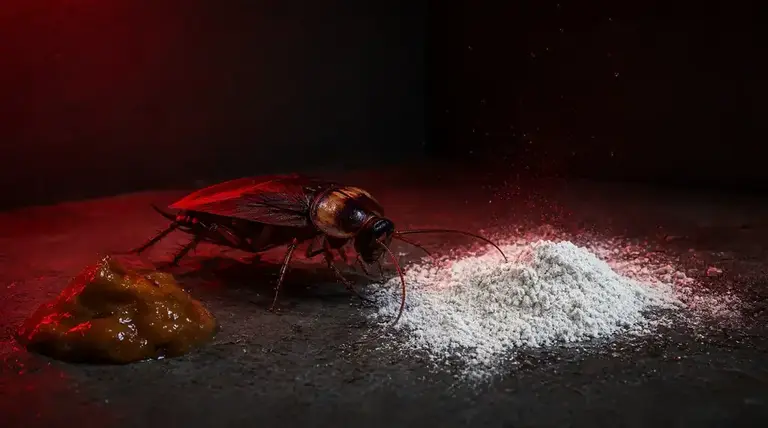
Gel is a paste containing a slow-acting active such as fipronil or indoxacarb. Insects feed, return to the harbourage, and the active spreads through the colony — a “domino” effect that is highly effective for German cockroaches and many ant species. Gels are discreet, low-odour and ideal in kitchens where you don’t want wet spray residue near food preparation areas.
Residual sprays
A residual spray leaves an invisible film on surfaces that stays active for weeks to months. Non-repellent sprays let pests walk across and pick up the active without detecting it, which improves transfer through the population. Learn more in our guide to how residual sprays work.
Dusts
Dusts, such as those based on deltamethrin, are puffed into wall cavities, roof voids, subfloors and power points. They stay active for months in dry, undisturbed spaces where sprays would soon break down — perfect for wasp entry points and hidden ant runs in the wall cavities of brick veneer homes.
Warning Signs You Need a Targeted Treatment
Certain signs around the home tell you which method — gel, spray or dust — the job is calling for. Watch for these indicators and note exactly where you see them, because location drives method choice:
- Small cockroaches in the kitchen at night — German cockroaches near the fridge motor, dishwasher or coffee machine point to a gel-bait job.
- Ant trails disappearing into wall cracks or power points — the nest is in the cavity, so dust or gel is needed, not a surface spray.
- Wasps or bees flying to a single hole in brickwork — a dust application at the entry point is the standard professional fix.
- Webbing and spiders building along eaves, fences and window frames — a residual spray over those surface zones is the right tool.
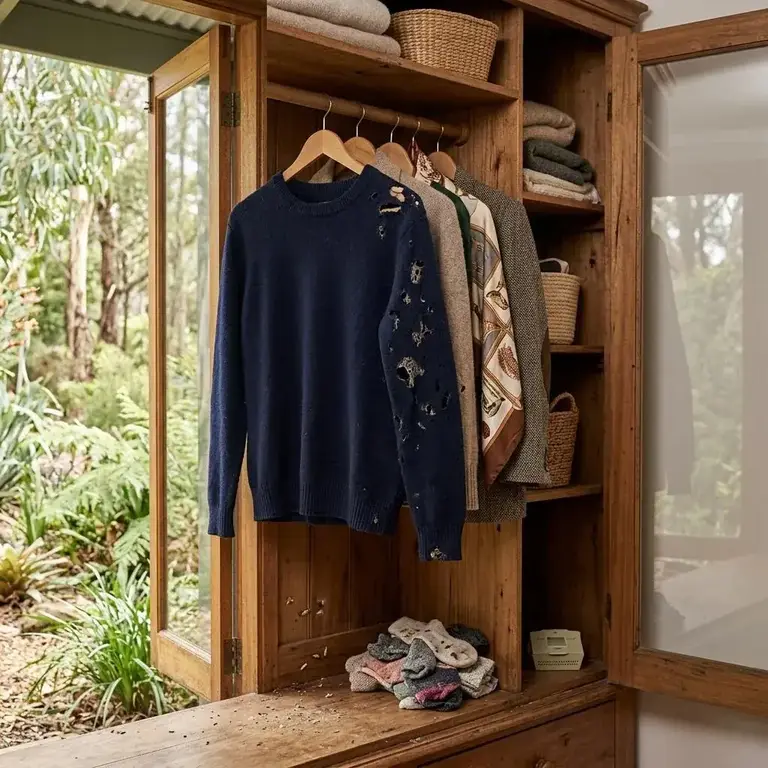
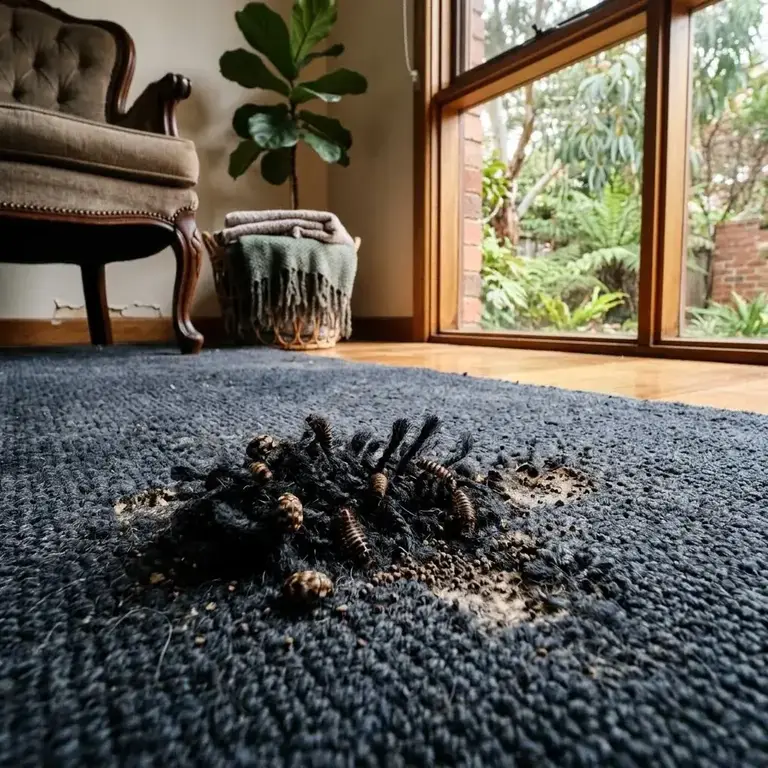
- Droppings, egg cases or a musty odour in cupboards — an established harbourage that needs colony-level treatment, not knockdown spray.
- Recurring activity a week after DIY spraying — the colony or nest was never reached; the method, not the effort, was wrong.
DIY vs Professional Application
DIY products can handle a stray spider or a minor ant trail, but they’re mostly repellent aerosols that scatter colonies rather than destroy them. Licensed technicians use non-repellent actives, professional-grade gels and dusting equipment, and — critically — they sequence the methods so the products work together. Here’s how the two approaches compare:
| Factor | DIY products | Professional treatment |
|---|---|---|
| Active ingredients | Mostly repellent pyrethroids | Non-repellent actives (e.g. fipronil, indoxacarb) |
| Reach into voids | Poor — no dusting equipment | Wall cavities, roof voids, subfloors treated directly |
| Colony elimination | Rare — kills visible insects only | Gel transfer reaches the nest |
| Product compatibility | Mixing often undoes the treatment | Sequenced so gel, spray and dust reinforce each other |
| Longevity | Days to a few weeks | Weeks to months of residual protection |
If you’re weighing up the spend, our guide on how much pest control costs in Australia breaks down what drives the price. And if you have kids or animals at home, it’s worth reading is pest control safe for pets and children? before deciding who applies what, and where.
What Gel, Spray and Dust Treatments Cost in Australia
For 2025-26, the typical Australian market rate for a standard combined gel/spray/dust treatment on an average home sits between $180 and $450, with targeted single-pest jobs at the lower end. What the industry generally charges varies with property size, construction type, pest severity and state. The figures below are typical market rates across the Australian pest control industry — not any one company’s pricing:
| Service | Typical market rate (AUD) | What’s included / notes |
|---|---|---|
| General pest treatment (spray + dust) | $180 – $350 | Internal/external residual spray, roof void and subfloor dusting; covers spiders, cockroaches, ants, silverfish |
| German cockroach treatment (gel-led) | $220 – $450 | Gel baiting in kitchen and wet areas, dust behind appliances; may need a follow-up visit |
| Ant treatment (gel + dust) | $180 – $350 | Baiting of trails, dust into cavity entry points, perimeter spray where suitable |
| Wasp nest treatment (dust) | $150 – $300 | Dust applied to entry point and void; nest removal extra if accessible |
| Large or difficult properties | $350 – $600+ | Acreage, two-storey, heavy infestations or combined treatments |
Because residuals wear off, most households benefit from a regular schedule — see our advice on how often you should book pest control in Australia for realistic intervals by pest and region.
Worth knowing: Aussie Pest Strike typically comes in well under these market rates for the same scope of work. For an exact quote tailored to your property and pest problem, give us a call on [aps_phone].
Seasonal Activity Across Australia
Pest pressure — and therefore demand for all three treatment methods — peaks in the warmer, wetter months from about October through March, then eases over winter in the southern states. In the tropical north, activity stays high almost year-round. The chart below shows a typical activity pattern for a temperate Australian city:
Jan
Feb
Mar
Apr
May
Jun
Jul
Aug
Sep
Oct
Nov
Dec
Typical combined pest activity (cockroaches, ants, spiders, wasps) in a temperate Australian climate. Spring and summer drive peak demand for sprays and dusts, while winter is the ideal time for preventative gel baiting and void treatments before populations build.
Repellent vs Non-Repellent Actives
Beyond the physical form, the active ingredient’s behaviour matters just as much as whether it’s a gel, spray or dust. Repellent products — many older synthetic pyrethroids — drive insects away from treated surfaces, which sounds good but can scatter a cockroach or ant colony and make an infestation worse. Non-repellent actives such as fipronil are undetectable to the insect, so it walks through, picks up a dose and carries it back — ideal for gels and modern perimeter sprays.
This affects your result in three practical ways:
- A repellent spray applied over a gel bait can stop insects feeding on the bait entirely.
- Mixing incompatible products is a common DIY mistake that undoes the whole treatment.
- Professionals sequence products so gel, spray and dust reinforce rather than fight each other.
Each method also carries trade-offs. Gel is precise and low-exposure but useless against fast-moving surface pests. Spray is broad and fast but breaks down on porous or washed surfaces. Dust is long-lasting in voids but must stay dry and undisturbed. Rarely does one method do everything — a cockroach job might pair gel in the kitchen with dust behind appliances, while a general treatment uses a perimeter spray plus dust in the roof void. This layered thinking is the heart of the professional cockroach treatment process and of good pest control generally.
After years on the tools, the biggest difference between a job that holds and one that bounces back is method selection, not chemical strength. I can put the best product in the country on a wall, but if the nest is in the cavity, I’ve wasted your money. Gel where they feed, dust where they hide, spray where they walk — that’s the formula.
Don’t pick a method off a shelf. Book a licensed technician to inspect first, let them identify the pest and its harbourage, and approve a combined gel, spray and dust plan matched to your property’s construction. For anything beyond a single stray spider, professional application delivers better reach, longer residual life and far fewer callbacks.
Gel vs Spray vs Dust: Frequently Asked Questions
Is gel or spray better for cockroaches?
Gel is usually better for German cockroaches because they carry the bait back to their harbourages, killing insects you never see. Spray only affects roaches that cross treated surfaces. Most professionals use both together — gel in kitchens and wet areas, with dust or spray supporting other zones.
How long does a residual spray last?
On protected internal surfaces, a residual spray typically stays active for several weeks to a few months. On external or regularly washed areas, sun, rain and cleaning shorten that considerably, which is why Australian homes generally need re-treatment at least annually, often more often in harsh climates.
Is dust safe to use inside a home?
Yes, when applied by a licensed technician into inaccessible voids, roof spaces and wall cavities, insecticidal dust stays out of living areas and remains effective for months. It should never be puffed openly into rooms, and all chemical treatments should follow APVMA label directions applied by licensed professionals.
Not sure which method your problem needs? Aussie Pest Strike matches the right combination of gel, spray and dust to your pest and property during a free, no-obligation on-site inspection — anywhere we service across Australia. Call Aussie Pest Strike on [aps_phone] or book your free inspection today at aussiepeststrike.com and get a lasting result, not a temporary knockdown.
Sources & further reading
Found Something
Dangerous?
Don’t touch it. Don’t spray it. Keep kids and pets clear, take a photo from a safe distance, and call us — or book a free inspection and we’ll come to you.
02 7235 0050