Fumigation in Australia:When andHow It Works
Fumigation in Australia explained: when gas treatment is genuinely needed, how it works and safer alternatives for home pests. Get a free honest quote.
Fumigation is the use of a toxic gas inside a sealed space to penetrate every crack and kill pests at all life stages, from egg to adult. Across Australia, fumigation is used far less often than most people think — it is reserved for timber, shipping containers, stored grain and severe structural infestations, not routine household cockroaches or ants.
Knowing when gas treatment is genuinely needed saves you from paying for the wrong pest control service. This guide explains what fumigation actually involves, when it is and isn’t required in Australian homes and businesses, what it typically costs in 2025-26, and how to decide between gas and a targeted treatment.
- Fumigation uses a registered toxic gas (such as sulfuryl fluoride or phosphine) inside a sealed space to kill pests at every life stage.
- In Australia it is mainly used for biosecurity (containers and timber), stored grain, and severe drywood termite or borer infestations — not everyday household pests.
- Occupants, pets and plants must vacate for the full exposure and aeration period until clearance testing confirms safe re-entry.
- Structural work typically costs several thousand dollars; most homes are better served by targeted gel, spray or heat treatments.
- Only licensed fumigators may perform this work under APVMA and Work Health and Safety controls.
Why Fumigation Matters in the Australian Context
Fumigation matters in Australia chiefly because of biosecurity and our timber-heavy housing stock, not because of routine suburban pest problems. The Department of Agriculture requires many imported goods, timber products and shipping containers to be treated to strict standards before they clear the border, because a single hitchhiking pest can establish and cause enormous agricultural damage.
Our climate and construction styles add to the picture. Warm, humid conditions from Brisbane to Darwin favour timber pests such as drywood termites and powderpost borers, which can infest the framing of Queenslanders, the subfloors of older weatherboard homes and even the roof voids of brick veneer houses on concrete slabs. Because these insects live entirely inside the timber, surface sprays cannot reach them — which is precisely the scenario where a whole-structure gas treatment may be considered. Grain fumigation with phosphine similarly protects stored commodities from weevils and beetles during long storage periods in silos across the wheat belt.
For most households, though, the practical question is simpler: is your problem one that gas can solve better than targeted pest control? Understanding how often you should book pest control in Australia helps you stay ahead of infestations before they ever reach the point where drastic measures are discussed.
Warning Signs You May Need More Than a Standard Treatment
Most pest problems never justify gas treatment, but certain warning signs suggest a deep-seated timber or commodity infestation that targeted methods may not reach. Check for the following:
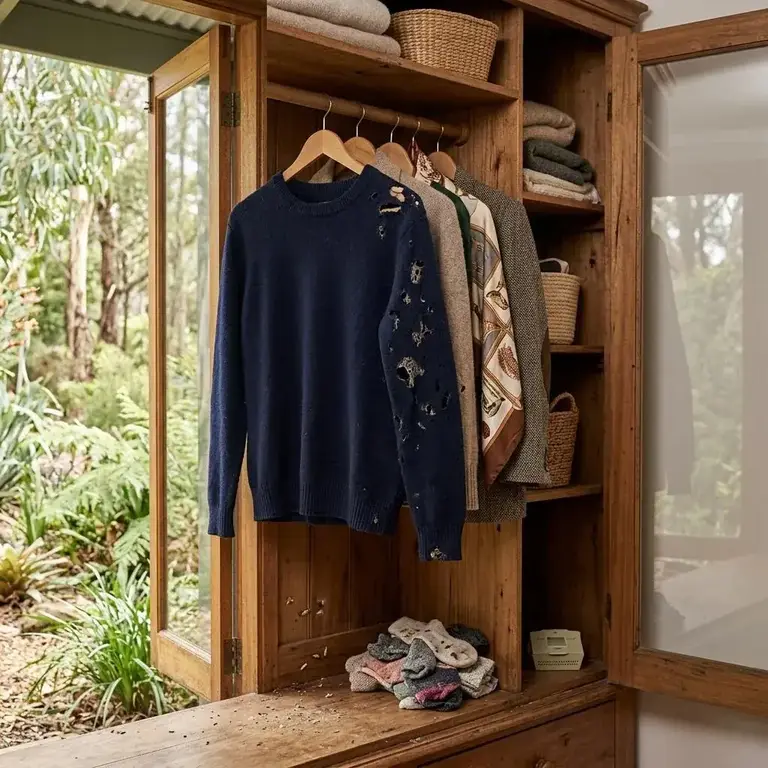
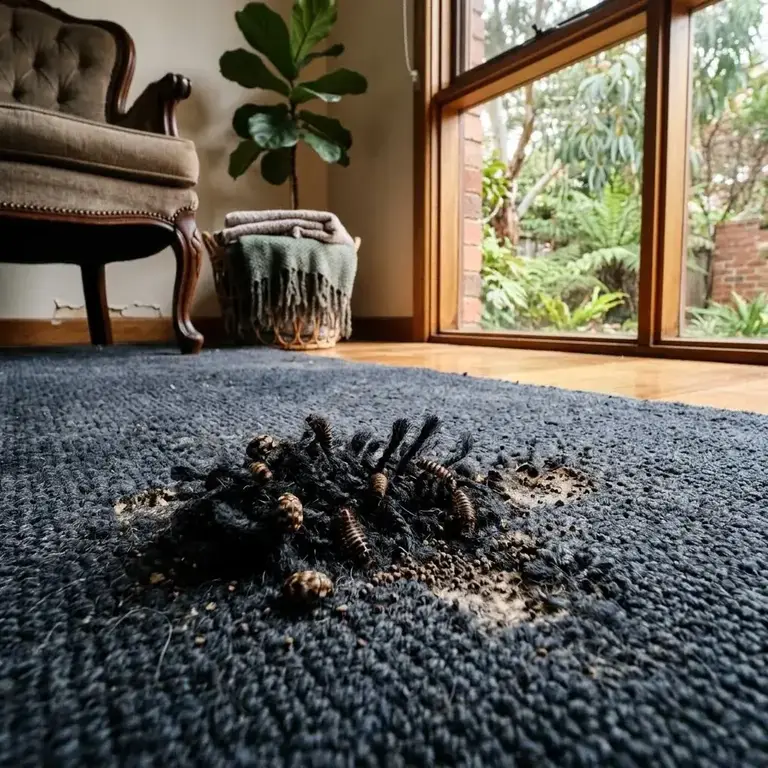
- Frass or fine powder — small piles of sand-like droppings or dust beneath furniture, skirting boards or roof timbers indicate borer or drywood termite activity inside the wood.
- Hollow-sounding timber — tapping beams, floorboards or window frames that sound papery or hollow suggests internal galleries.
- Exit holes in timber — tiny round holes (1-3 mm) in flooring, joists or furniture where adult beetles have emerged.
- Recurring infestations after treatment — pests that return within weeks of thorough gel or spray work may be breeding in inaccessible voids or stored goods.
- Infested stored product — weevils, moths or beetles spreading through bulk grain, seed or dried commodities in silos or warehouses.
- Quarantine or export requirements — containers, pallets or timber goods that must meet import or export certification standards.
If several of these apply, arrange a professional inspection before assuming the worst — a licensed technician can confirm the pest species and whether it is truly beyond the reach of conventional treatment.
DIY vs Professional Fumigation and Treatment
There is no DIY version of fumigation: fumigants are acutely toxic, APVMA-controlled substances that only licensed fumigators may legally handle in Australia. What homeowners can do themselves is limited to prevention — sealing food, reducing moisture, and using supermarket surface sprays for minor ant or cockroach activity. Anything beyond that, and certainly anything involving gas, belongs with a licensed professional.
| Feature | Fumigation | Standard treatment |
|---|---|---|
| Method | Toxic gas in a sealed space | Gel, spray, dust or heat |
| Who can perform it | Licensed fumigators only | Licensed technician (some DIY options) |
| Occupants out | Yes, mandatory — often 24 hours or more | Often stay after surfaces dry |
| Typical use | Timber, grain, containers, severe structural infestations | Household pests — cockroaches, ants, spiders, bed bugs |
| Cost band | High (industry estimate) | Lower |
Even stubborn pests are usually beaten without gas. Bed bugs, for example, are typically resolved with heat or targeted chemical rounds — see our guide to bed bug heat vs chemical treatment. For heavy cockroach jobs, review when cockroach fumigation is actually needed before assuming it is your only option. And whenever chemical treatments are used around the home, it is worth reading whether pest control is safe for pets and children so you can prepare the household properly.
How a Fumigation Is Carried Out
Fumigation is a technical, licensed process with strict safety controls under Australian workplace and chemical law. It follows a defined sequence that cannot be shortcut or rushed — the safety margin is the entire point.
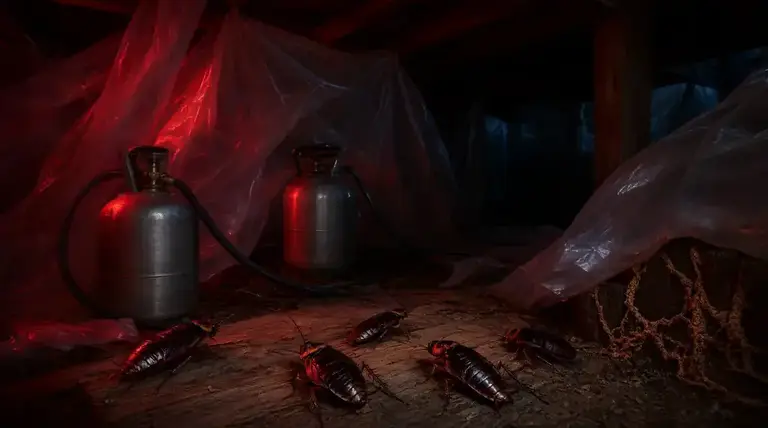
- Sealing: the structure or container is made gas-tight with tarpaulins or seals.
- Gas release: the fumigant is introduced at a calculated dose and held for a set exposure period, often 24 hours or more.
- Monitoring: concentrations are measured to confirm a lethal, even distribution throughout the space.
- Aeration: the space is ventilated and gas-tested to safe levels before re-entry.
Because fumigants are acutely toxic, operators must place warning placards, restrict the exclusion zone, and use gas-detection equipment to confirm concentrations have dropped to safe parts-per-million before anyone re-enters. Occupants, pets and houseplants must all be removed for the full exposure and aeration period.
Fumigation Costs in Australia (2025-26)
Across the Australian market, fumigation work typically ranges from around $1,500 for a single container to $10,000 or more for a large whole-structure job, depending on volume, pest and access. These are general industry rates, and structural work sits well above routine treatments — which is why a free on-site quote is essential before committing. For context on everyday market pricing, see our guide to how much pest control costs in Australia.
| Service | Typical market rate (AUD) | What’s included/notes |
|---|---|---|
| Shipping container treatment | $1,500 – $3,500 | Sealing, dosing, monitoring, certification for biosecurity compliance |
| Silo or stored-grain treatment | $2,000 – $6,000 | Phosphine application, exposure period, aeration and clearance testing |
| Whole-structure (house) treatment | $5,000 – $10,000+ | Tenting, gas, 24+ hour exposure, aeration, re-entry clearance; priced by volume |
| Standard targeted pest treatment (comparison) | $150 – $450 | Gel, spray and dust for cockroaches, ants, spiders; the right answer for most homes |
The figures above reflect typical Australian market rates across the industry — not any one company’s pricing. Building size, construction type (a raised Queenslander versus a slab-on-ground brick veneer), gas type and exposure time all move the final figure at any provider.
Here’s the good news: Aussie Pest Strike typically comes in well under these market rates while delivering the same licensed, fully compliant fumigation work. Every job is different, so the only way to know your exact cost is a tailored assessment — call us on [aps_phone] for a free, no-obligation quote.
Seasonal Pest Pressure Across the Year
Pest pressure that leads to fumigation enquiries peaks in the warmer, wetter months from October to March, when timber pests, stored-product insects and general household pests are most active. Winter sees the lowest activity, though heated homes and stored grain can harbour pests year-round.
Jan
Feb
Mar
Apr
May
Jun
Jul
Aug
Sep
Oct
Nov
Dec
Indicative seasonal pest pressure across Australia: activity climbs through spring, peaks over the humid summer months, and eases through autumn and winter. Northern regions stay active for longer than the southern states.
Nine times out of ten, when a customer asks for gas, a targeted treatment solves the problem for a fraction of the cost. The exceptions are real — borers deep in structural timber or a container that has to clear quarantine — and that’s when sealing up and gassing is worth every dollar. An honest inspection tells you which situation you’re in.
Book a professional inspection before committing to any gas treatment. A licensed technician will identify the pest, confirm whether it can be reached with targeted methods, and only recommend fumigation where timber, grain or biosecurity requirements genuinely demand it. Never attempt gas treatments yourself — APVMA-controlled fumigants must only be applied by licensed fumigators.
Frequently Asked Questions
What is fumigation and how does it kill pests?
Fumigation is the use of a registered toxic gas, such as sulfuryl fluoride or phosphine, inside a sealed space. Because the gas penetrates every crack and void, it kills pests at all life stages, from egg to adult, including insects living deep inside timber or stored goods that surface sprays cannot reach.
When is fumigation actually needed in Australia?
In Australia, fumigation is reserved mainly for biosecurity work on shipping containers and imported timber, phosphine treatment of stored grain in silos, and severe structural infestations such as drywood termites or borers living entirely inside timber. It is not used for routine household problems like cockroaches or ants, which respond to targeted treatments.
What warning signs suggest a problem may need fumigation?
Signs include frass or fine powder beneath furniture or skirting boards, hollow-sounding timber when tapped, tiny round exit holes (1-3 mm) in flooring or joists, infestations that recur within weeks of thorough gel or spray treatment, weevils or beetles spreading through bulk stored grain, and quarantine or export certification requirements for containers or timber goods.
Can I fumigate my own home?
No. There is no DIY version of fumigation. Fumigants are acutely toxic substances controlled by the APVMA, and only licensed fumigators may legally handle them in Australia. Homeowners can manage prevention themselves, such as sealing food, reducing moisture and using supermarket surface sprays for minor ant or cockroach activity, but anything involving gas belongs with a licensed professional.
How is a fumigation carried out step by step?
The process follows a strict sequence: the structure or container is sealed gas-tight with tarpaulins or seals; the fumigant is released at a calculated dose and held for an exposure period often exceeding 24 hours; concentrations are monitored to confirm even, lethal distribution; then the space is aerated and gas-tested to safe levels before anyone re-enters.
Do I need to leave my home during fumigation?
Yes. Occupants, pets and houseplants must vacate for the full exposure and aeration period, which is often 24 hours or more for structural work. Re-entry is only permitted once gas-detection equipment confirms concentrations have dropped to safe parts-per-million levels through clearance testing.
How much does fumigation cost in Australia in 2025-26?
Fumigation pricing varies widely depending on the scale of the job. Treating a shipping container generally sits at the lower end of the market, silo or stored-grain work falls in a mid-range band, and whole-structure treatments cost the most because they demand more gas, sealing labour and longer exposure periods. Factors such as building size, construction type, chosen fumigant and required exposure time all influence the final figure, so obtaining an on-site quote before committing is strongly recommended.
When is pest activity highest in Australia?
Pest pressure peaks in the warmer, wetter months from October to March, when timber pests, stored-product insects and general household pests are most active. Winter sees the lowest activity, although heated homes and stored grain can harbour pests year-round. Northern regions stay active for longer than the southern states.
What should I discuss with a technician about whether fumigation is right for my property?
Aussie Pest Strike technicians will typically confirm the pest species through inspection, check whether the activity sits inside inaccessible timber voids or stored goods, and explain whether targeted gel, spray or heat treatment would solve the problem instead of gas. Ask about the sealing method, exposure period, aeration process, clearance testing and what you need to remove from the property beforehand.
What is the practical next step if I suspect I need fumigation?
Arrange a professional inspection with Aussie Pest Strike before assuming gas treatment is necessary. Nine times out of ten, a targeted treatment solves the problem at a fraction of the cost, but genuine cases such as borers deep in structural timber or a container needing quarantine clearance do justify fumigation. An honest assessment tells you which situation applies to your property.
Sources & further reading
Found Something
Dangerous?
Don’t touch it. Don’t spray it. Keep kids and pets clear, take a photo from a safe distance, and call us — or book a free inspection and we’ll come to you.
02 7235 0050