Cockroach Fumigation:When It’sActually Needed
Cockroach fumigation when — Myth: every serious roach problem needs full fumigation. Fact: true cockroach fumigation, sealing a structure and filling it...
Searching for “cockroach fumigation when” is common among Australian homeowners facing a stubborn roach problem — but here’s the truth most pest control companies won’t lead with: genuine fumigation is rarely the answer, o matter how severe the infestation looks. True structural fumigation is a specialist, last-resort technique, not a routine kitchen fix, and in Australia it’s tightly regulated for good reason.
Cockroach fumigation is the process of sealing or tenting a building and filling it with a lethal gas that penetrates every void, requiring full evacuation and specially licensed operators using APVMA-registered products. For the vast majority of Australian homes, targeted methods like gel baiting and residual sprays clear infestations faster, more safely and at a fraction of the cost. This guide explains when fumigation is genuinely warranted, what it costs, and what to try first.
- True cockroach fumigation — sealing a structure and gassing it — is almost never needed for household roaches in Australia.
- Gel baiting combined with residual sprays and insect growth regulators outperforms fumigation for German cockroach colonies.
- Fumigation gas leaves no residual protection, so re-infestation is likely without follow-up baiting and monitoring.
- Expect to pay $250–$550 for targeted professional treatment, versus several thousand dollars for structural fumigation.
- Be wary of any operator who leads with fumigation for a normal home roach problem — it’s a red flag.
Why cockroach fumigation matters in the Australian context
Australia’s warm climate means cockroaches breed year-round in most regions, which is exactly why understanding the right treatment — rather than the most extreme one — matters so much. From humid Brisbane and Darwin summers to the temperate south, roaches thrive wherever warmth, moisture and food combine.
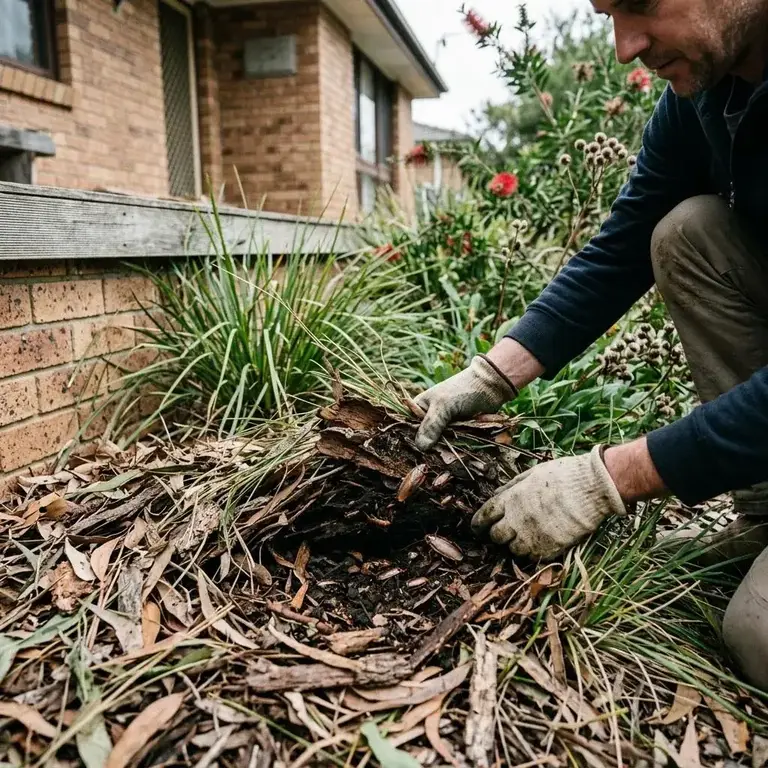
Housing style plays a big role too. Queenslanders on stumps, older homes with subfloor voids, and brick veneer houses on slabs all give roaches different harborage points. American cockroaches (Periplaneta americana) love subfloors, drains and roof voids, while German cockroaches (Blattella germanica) set up inside kitchens — behind fridges, inside dishwashers and within cupboard hinges. Because these infestations are driven by breeding females tucked into accessible voids, targeted treatments reach them directly. Fumigation, by contrast, is a blunt instrument designed for extreme, structure-wide situations — and it comes with evacuation, regulatory and cost burdens that simply aren’t justified for a typical home.
For species-specific identification and control strategies, see our guide to American Cockroaches in Australia: ID and Control Guide, and our breakdown of German Cockroach Infestations: Why They’re So Hard to Kill.
Warning signs you need professional treatment (not necessarily fumigation)
Most cockroach infestations signal a need for professional pest control long before fumigation ever enters the conversation. Watch for these signs:
- Daytime sightings — roaches are nocturnal, so seeing them in daylight usually means overcrowding and a large established population.
- Droppings and smear marks — small dark pellets like ground pepper around cupboards, or brown streaks along walls and benchtops.
- Egg cases (oothecae) — brown, capsule-shaped cases tucked behind appliances, in pantry corners or inside cardboard boxes.
- Musty, oily odour — a persistent unpleasant smell in kitchens or laundries often indicates a heavy German cockroach presence.
- Shed skins — nymphs moult several times, leaving pale skins near harbourages.
- Activity after DIY sprays — if supermarket bombs and sprays haven’t worked, the colony is entrenched and needs professional-grade treatment.
If several of these apply, read our full checklist of 7 Signs of a Cockroach Infestation You Shouldn’t Ignore — then book a proper assessment. Even heavy infestations almost always respond to targeted methods first.
DIY vs professional cockroach fumigation and treatment options
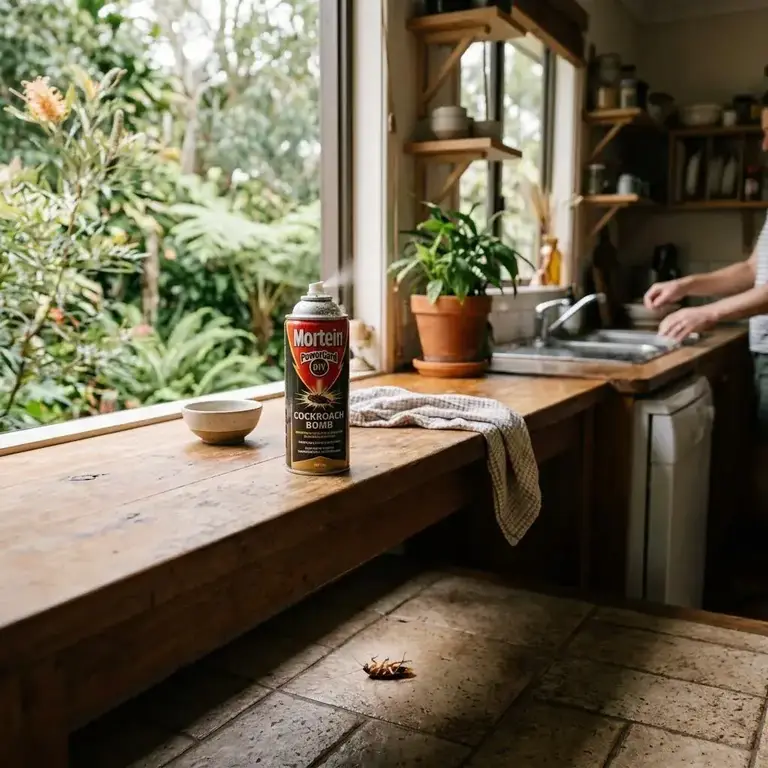
DIY products can knock down light activity, but they rarely eliminate a breeding colony — and DIY “fumigation” (fogger bombs) is not real fumigation at all, just a surface-level aerosol. Here’s how the options compare:
| Method | Best for | Disruption |
|---|---|---|
| Gel bait | German cockroach colonies | Minimal — stay at home |
| Residual spray | American cockroach entry points | Low — brief re-entry wait |
| Insect growth regulator (IGR) | Breaking the breeding cycle | Minimal |
| Fumigation | Extreme, structure-wide cases only | High — full evacuation required |
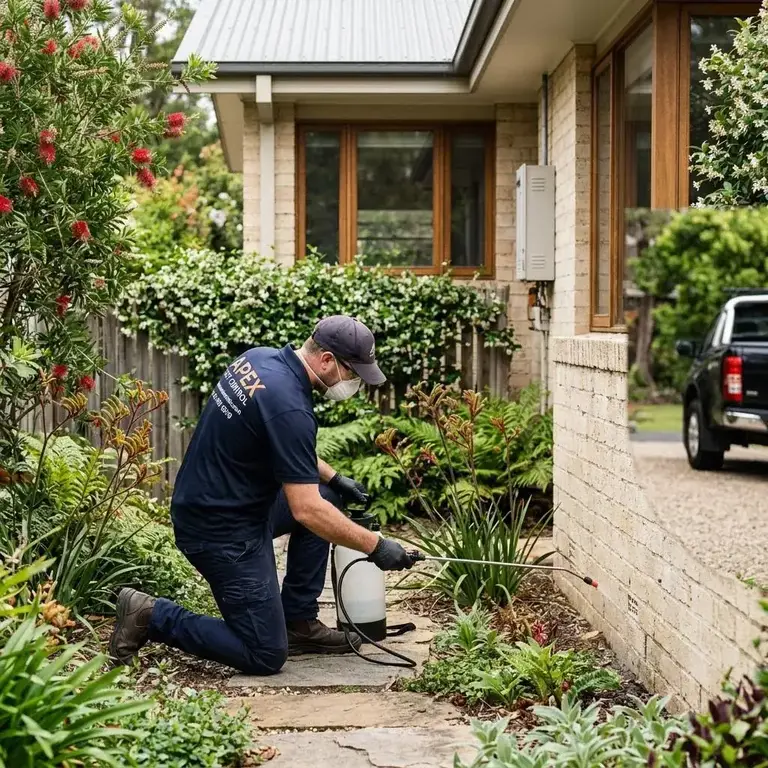
The staged professional approach — gel bait plus an IGR, with residual treatment at entry points — clears infestations without the cost, disruption and evacuation of fumigation. You stay in your home, there’s no lengthy re-entry period, and follow-up visits catch survivors before they rebuild. A licensed technician will always try targeted methods first; anyone pushing fumigation for a standard domestic problem deserves scepticism.
Cockroach treatment and fumigation costs in Australia (2025–26)
Across the Australian market, targeted professional cockroach treatment generally runs to a few hundred dollars, while true structural fumigation typically runs into the thousands depending on building size and complexity. Typical industry ranges you’ll see quoted across Australia:
| Service | Typical cost (AUD) | What’s included / notes |
|---|---|---|
| Standard cockroach treatment (unit/small home) | $250–$400 | Gel baiting, residual spray, entry-point treatment |
| Heavy infestation treatment (house) | $350–$550 | Bait + IGR program, initial and follow-up visit |
| Follow-up / monitoring visit | $120–$200 | Re-baiting, trap checks, colony assessment |
| Structural fumigation (rare, extreme cases) | $3,000–$10,000+ | Sealing/tenting, gassing, evacuation, clearance testing — varies widely by building size |
Market rates vary with property size, infestation severity and location. For most homes, a staged baiting program is dramatically cheaper — and more effective — than fumigation ever would be. Learn more about what’s involved in our Cockroach Control & Treatment service overview.
It’s worth knowing that Aussie Pest Strike typically comes in well under these typical Australian market rates. If you’d like an exact quote for your property, give us a call on [aps_phone] and we’ll sort you out.
Seasonal cockroach activity across Australia
Cockroach activity peaks in the warmer months and dips in winter, but in tropical and subtropical regions infestations stay active all year. The pattern below reflects typical activity across most of Australia:
Jan
Feb
Mar
Apr
May
Jun
Jul
Aug
Sep
Oct
Nov
Dec
Cockroach activity surges from late spring through summer across most of Australia, peaking in January–February. In Queensland and the Northern Territory, activity remains high year-round; southern states see a clearer winter lull — the ideal time for preventative treatment.
In all my years treating cockroach infestations across Australia, I can count on one hand the number of times structural fumigation was genuinely the right call. Nine times out of ten, a proper gel bait and IGR program clears what foggers and panic-buy sprays never could — and the family stays in their home the whole time.
Start with a professional inspection and targeted treatment before fumigation is even discussed. A licensed technician will assess the species, severity and harbourages, then apply gel baiting, residual sprays and growth regulators in a staged program. Only extreme, structure-wide cases — typically commercial or multi-unit settings — justify fumigation, and even then it must be paired with follow-up monitoring.
Cockroach fumigation when: Frequently Asked Questions
Do I need fumigation for a bad cockroach problem?
In most cases, no. Even heavy household cockroach infestations are cleared more safely and effectively with gel baiting, insect growth regulators and residual treatments. True fumigation is reserved for extreme, structure-wide situations such as commercial premises or multi-unit buildings where targeted methods cannot reach.
Is cockroach fumigation dangerous?
Yes, fumigation carries real risks. It uses potent gaseous fumigants that require full building evacuation, strict safety controls and specialist licensing beyond a standard pest technician’s licence. It must only be performed by qualified, endorsed operators using APVMA-approved products, with clearance testing before re-entry.
How much does cockroach fumigation cost in Australia?
Structural fumigation typically costs several thousand dollars, varying widely by building size and complexity. By comparison, standard targeted cockroach treatments usually range from $250 to $550. A free on-site assessment is the best way to confirm whether fumigation is even necessary for your situation.
Not sure whether your roach problem needs fumigation or a targeted treatment? Aussie Pest Strike will assess your property honestly and recommend the least disruptive, most effective pest control fix — no upselling, no unnecessary chemicals. Call Aussie Pest Strike on [aps_phone] to book a free inspection today and get your home back under control.
Sources & further reading
Found Something
Dangerous?
Don’t touch it. Don’t spray it. Keep kids and pets clear, take a photo from a safe distance, and call us — or book a free inspection and we’ll come to you.
02 7235 0050