Residual Sprays:The Science ofLong-Lasting Protection
Residual sprays the — a residual spray is an insecticide designed to stay active on a surface for weeks or months, killing pests that cross it long after...
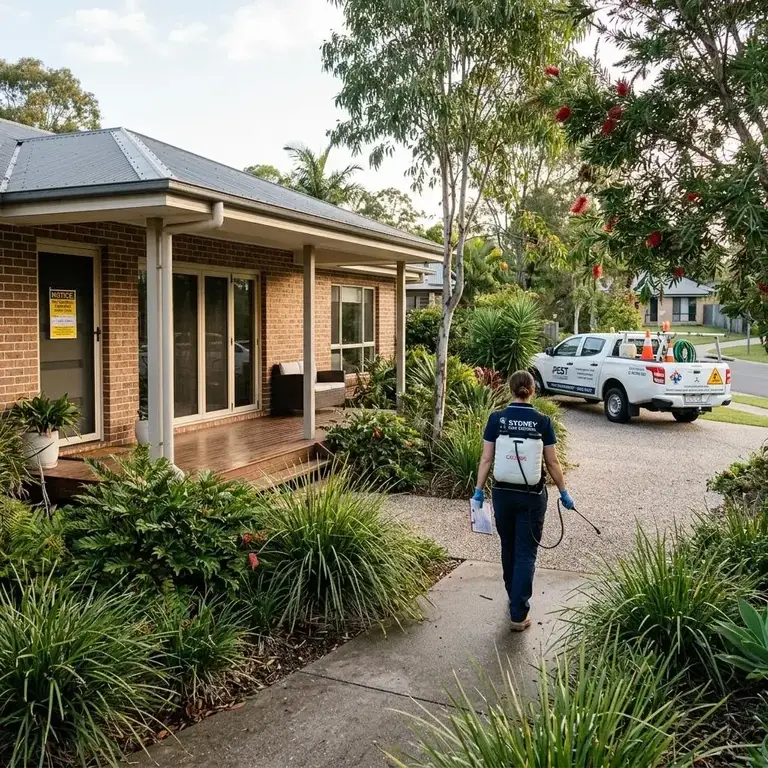
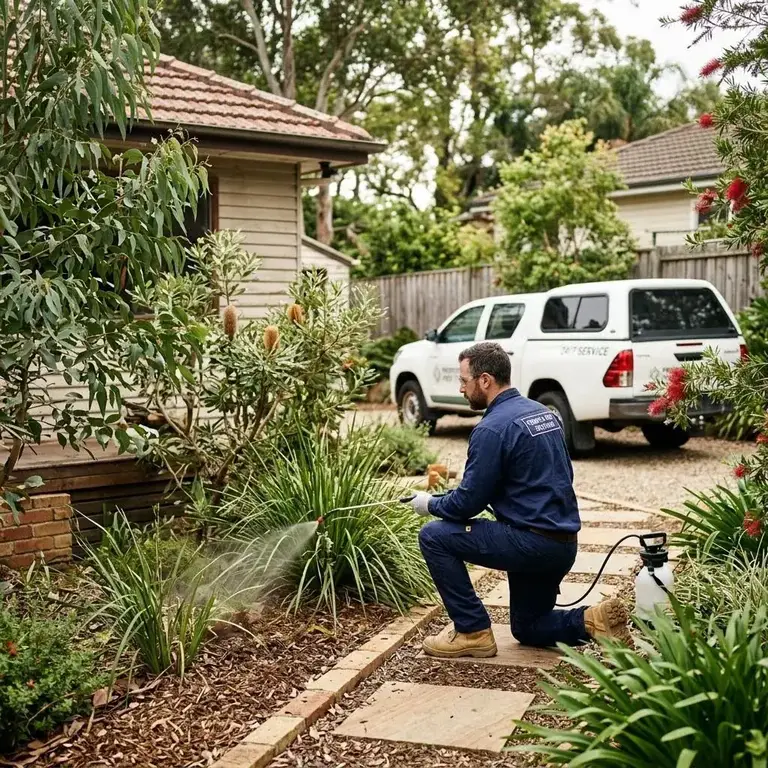
A residual spray is an insecticide designed to stay active on a surface for weeks or months, killing pests that cross it long after the technician has left. Understanding this is essential for Australian homeowners, because residual sprays are the backbone of long-lasting protection in modern pest control — and the science behind how they work explains why they outperform almost every alternative. Unlike a knockdown aerosol that works for minutes, a residual spray builds an invisible barrier on skirting boards, door frames and entry points that keeps protecting your home between visits.
In this guide we break down the chemistry that makes residuals last, why Australian climate and housing types change how they perform, what professional treatment costs in 2025-26, and how to get the most from every application. If you have ever wondered whether that “long-lasting” claim on a label is real, this is where the answers live.
- A residual spray keeps working for weeks or months on a treated surface, unlike a knockdown aerosol that works for minutes.
- Micro-encapsulation — sealing the active ingredient in tiny polymer capsules — is the key innovation behind long residual life.
- Porous surfaces (raw timber, brick, render) shorten residual life; non-porous surfaces (tiles, sealed paint) extend it.
- External perimeter bands typically last 8 to 12 weeks in sheltered zones, but UV and heavy summer rain break them down faster.
- Seasonal top-ups before the warm months, plus leaving treated edges unwashed, are the simplest ways to protect your investment.
Why Residual Sprays Matter in the Australian Climate
Residual sprays matter more in Australia than almost anywhere else because our warm climate drives near year-round insect activity, and our housing styles create countless entry points that a lasting barrier can intercept. A one-off knockdown product simply cannot keep pace with pests that breed and invade across three or four seasons.
Consider the housing stock. Queenslanders sit on stumps with open subfloors, giving cockroaches, spiders and ants sheltered runways straight up into wall cavities and floorboards. Brick veneer homes on concrete slabs — the dominant style across Sydney, Melbourne and Perth — rely on weep holes for wall ventilation, and those same gaps are prime entry points for pests. Older weatherboard and brick homes with raised subfloors offer cool, humid harborage beneath the house. A well-placed residual band around the base of the building, up to weep holes and along thresholds, intercepts pests before they get indoors, which is exactly why professionals rely on this chemistry rather than reactive spraying.
Our weather adds another layer of complexity. Humid subtropical conditions in Queensland keep cockroaches and ants active almost all year. Temperate southern cities see sharp activity spikes from spring through autumn. And the heavy summer downpours common along the eastern seaboard from December to February can wash product off fully exposed surfaces, which is why placement under eaves and in protected zones matters so much. It is also worth separating fact from fiction here: many of the popular quick fixes simply do not deliver lasting protection, as we cover in 10 Pest Control Myths Busted: Complete Australian Guide.
Warning Signs Your Home Needs a Residual Treatment
The clearest sign you need a residual treatment is recurring pest activity in the same spots week after week, because it means pests are re-entering faster than knockdown products can remove them. Watch for these indicators:
- Repeat sightings along skirting boards and door frames — cockroaches and ants using the same runways suggests an unprotected perimeter.
- Webbing spiders rebuilding around windows and eaves — new webs appearing within days of removal mean there is no residual band deterring them.
- Ant trails returning after DIY sprays — supermarket aerosols kill the visible foragers but leave the colony and entry route untouched.
- Activity spiking after rain or warm spells — pests flushed from garden beds and subfloors head straight for your walls if no barrier exists.
- Droppings, egg cases or smear marks in kitchens and laundries — established indoor activity calls for a targeted interior residual application, not just spot spraying.
- Money spent on gadgets and home fixes with no result — if you have tried plug-in devices, read Ultrasonic Pest Repellers: The Honest Truth, and check DIY Pest Remedies That Don’t Work (And What Does) before spending more.
How Residual Chemistry Delivers Weeks of Protection
The staying power of a residual spray comes from both the active ingredient and how it is held on the surface. Micro-encapsulation is the key innovation: the active, often a synthetic pyrethroid such as bifenthrin, is sealed inside microscopic polymer capsules only a few microns wide. These capsules cling to surfaces and release the active slowly as insects brush against them, delivering a lethal dose long after application.
Surface type changes everything. Porous surfaces such as raw timber, brick and render soak up liquid and can shorten residual life, which is why technicians often increase the rate or choose a suspension concentrate on these materials. Non-porous surfaces like tiles and sealed paint hold the film on top, extending effectiveness. A well-applied residual band around the external perimeter typically lasts 8 to 12 weeks in sheltered areas.
Weather and UV are the main enemies. Direct sun degrades many actives, and heavy rain can wash product from exposed surfaces — which is why external treatments concentrate on protected zones under eaves, weep holes and thresholds rather than open paving. For a deeper look at the modes of action behind these actives, see our guide to how pest control chemicals work.
DIY vs Professional Residual Treatments
DIY residual products exist, but professional application consistently outperforms them because licensed technicians match the formulation, rate and placement to your surfaces and climate. A supermarket can applied across an entire room actually uses more product — with less effect — than a professional’s thin, targeted bands along pest runways. Our overview of gels, sprays and dusts explains why a good technician combines methods rather than relying on one tool.
| Factor | DIY products | Professional treatment |
|---|---|---|
| Formulation choice | One-size-fits-all retail sprays | Micro-encapsulated or suspension concentrate matched to surface type |
| Placement | Broad spraying of open areas | Thin bands along skirting, kickboards, weep holes and thresholds |
| Residual life | Often 1-4 weeks in practice | Typically 8-12 weeks in sheltered zones |
| Product volume used | High — blanket coverage | Lower overall, targeted only where pests travel |
| Compliance & safety | User-dependent; label rates often exceeded | Applied by licensed technicians to APVMA-registered label directions |
Residual Treatment Costs in Australia (2025-26)
Across the Australian pest control industry, a professional residual treatment for a standard home generally costs between $180 and $450, depending on size, construction and pest pressure. Rates vary between states and between apartment, townhouse and freestanding homes, but the ranges below reflect what the market typically charges in 2025-26.
| Service | Typical market rate (AUD) | What’s included/notes |
|---|---|---|
| General pest spray (unit/apartment) | $180 – $260 | Interior residual bands, entry points, kitchen and wet areas |
| General pest spray (3-4 bed house) | $250 – $380 | Interior bands plus external perimeter to weep holes and eaves |
| External perimeter top-up | $150 – $250 | Seasonal reapplication of the external band before peak months |
| Large/rural or multi-storey property | $380 – $550+ | Extended perimeter, subfloor or shed areas, higher product volume |
| Annual service plan | $450 – $800/yr | 2-4 scheduled visits timed to seasonal pest pressure |
These figures are typical Australian market rates — what the industry generally charges for residual work. Aussie Pest Strike typically comes in well under these market rates while still delivering a thorough, professional treatment, so give us a call on [aps_phone] for an exact quote tailored to your property.
Seasonal Pest Activity and When to Apply Residual Sprays
The best time to apply or refresh a residual treatment in Australia is early spring, before insect activity peaks across the warm months from October to March. Booking ahead of the curve means the barrier is at full strength when pest pressure hits hardest, rather than playing catch-up mid-summer.
Jan
Feb
Mar
Apr
May
Jun
Jul
Aug
Sep
Oct
Nov
Dec
Typical general pest pressure across much of Australia peaks from late spring through summer and eases over winter — though in tropical and subtropical regions activity stays elevated year-round. A spring residual application, topped up in late summer where rain is heavy, keeps the barrier working through the whole peak.
Getting the Most From a Residual Treatment
Getting the most from a residual treatment comes down to three habits: protecting the film, maintaining the perimeter and timing top-ups to the seasons. Small actions by the homeowner can add weeks to the life of a professional application.
- Leave treated edges unwashed for the period your technician specifies — that thin band along skirting boards is where the protection lives. Wash main floors as normal.
- Keep external vegetation trimmed back so the perimeter band is not bridged by plants touching the walls.
- Book seasonal top-ups before the warm months, when insect activity peaks.
- Inside, expect the treatment to target runways — skirting boards, under kickboards, around door frames and behind fixed appliances — rather than open floors.
Spiders respond particularly well to residual banding around window frames and eaves, as covered in our professional spider treatment guide. One more thing to expect: because a residual film works on contact over time rather than instantly, you may see insects moving across treated zones for a day or two before they die. That is normal and does not mean the product failed — we explain why in our article on why you see more pests right after treatment. Resist the urge to wipe those edges or add your own spray on top; that is what preserves the barrier.
The biggest mistake we see is homeowners mopping right up to the skirting the day after a treatment — they have just removed the very thing they paid for. Placement beats volume every time: a thin band in the right spot will outwork a litre of spray in the wrong one. Match the formulation to the surface, time it to the season, and a residual barrier does the hard work for you.
Book a professional residual treatment in early spring, with an external perimeter band tailored to your home’s construction — subfloor, slab, Queenslander or brick veneer — and schedule a top-up before late summer if you are in a high-rainfall area. Leave treated edges untouched, trim vegetation back from walls, and always use a licensed technician for chemical treatments applied to APVMA label directions.
Frequently Asked Questions
What is a residual spray and how does it differ from a knockdown aerosol?
A residual spray is an insecticide designed to stay active on a treated surface for weeks or months, killing pests that cross it long after application. A knockdown aerosol, by contrast, only works for minutes and kills the insects you can see at the time. Residual sprays build an invisible barrier along skirting boards, door frames and entry points that keeps protecting your home between professional visits.
What is micro-encapsulation and why does it make residual sprays last longer?
Micro-encapsulation seals the active ingredient, often a synthetic pyrethroid such as bifenthrin, inside microscopic polymer capsules only a few microns wide. These capsules cling to surfaces and release the active slowly as insects brush against them, delivering a lethal dose long after the spray has dried. This slow-release design is the key innovation behind residual life measured in weeks rather than minutes.
How long does a residual spray actually last?
A well-applied external perimeter band typically lasts 8 to 12 weeks in sheltered zones. Weather and UV are the main enemies: direct sun degrades many actives, and heavy rain can wash product off fully exposed surfaces. This is why technicians concentrate treatments in protected areas under eaves, around weep holes and along thresholds rather than open paving.
How do surface types affect how long a residual spray works?
Surface type changes everything. Porous surfaces such as raw timber, brick and render soak up liquid and can shorten residual life, so technicians often increase the rate or choose a suspension concentrate on these materials. Non-porous surfaces like tiles and sealed paint hold the film on top of the surface, which extends how long the treatment remains effective against pests.
Why are residual sprays especially important for Australian homes?
Australia's warm climate drives near year-round insect activity, and common housing styles create countless entry points that a lasting barrier can intercept. Queenslanders on stumps have open subfloors giving pests runways into wall cavities, while brick veneer homes rely on weep holes that double as pest entry points. A residual band around the base of the building intercepts pests before they get indoors.
When is the best time of year to apply or refresh a residual treatment?
The best time is early spring, before insect activity peaks across the warm months from October to March. Booking ahead means the barrier is at full strength when pest pressure hits hardest, rather than playing catch-up mid-summer. In regions with heavy summer rain, a late-summer top-up keeps the external band working through the whole peak season.
What signs suggest my home needs a residual treatment?
Recurring pest activity in the same spots week after week is the clearest sign, because it means pests are re-entering faster than knockdown products can remove them. Watch for repeat sightings along skirting boards and door frames, spiders rebuilding webs within days of removal, ant trails returning after DIY sprays, activity spiking after rain, and droppings or smear marks in kitchens and laundries.
Why does professional residual treatment outperform DIY products?
Licensed technicians match the formulation, rate and placement to your surfaces and climate, applying thin targeted bands along skirting, kickboards, weep holes and thresholds where pests actually travel. A supermarket aerosol applied across an entire room uses more product with less effect, often lasting just 1 to 4 weeks in practice compared with 8 to 12 weeks for professional work in sheltered zones.
How can Aussie Pest Strike help me tell whether my problem needs a residual spray or something else?
Some pests look similar but need very different approaches — ants trailing along skirting boards, cockroaches sheltering in wet areas and spiders rebuilding webs around eaves can all point to an unprotected perimeter, while other issues call for gels, dusts or baiting instead. Aussie Pest Strike can identify what is actually moving through your home and match the treatment method to the pest, your surfaces and your local climate conditions.
What should I do next if I keep seeing pests return after DIY sprays?
If repeat sightings, returning ant trails or rebuilt spider webs keep appearing despite supermarket sprays, the next practical step is a proper assessment of where pests are entering and travelling. Aussie Pest Strike can inspect your perimeter, subfloor and entry points, then apply targeted residual bands where they will do the most good, timed ahead of the spring peak so the barrier is strong when pressure builds.
Sources & further reading
Found Something
Dangerous?
Don’t touch it. Don’t spray it. Keep kids and pets clear, take a photo from a safe distance, and call us — or book a free inspection and we’ll come to you.
02 7235 0050