Why You SeeMore PestsRight After Treatment
Why you see — See more pests — seeing more pests after treatment is almost always a good sign, not a failed job. Modern residual sprays and dusts have a...
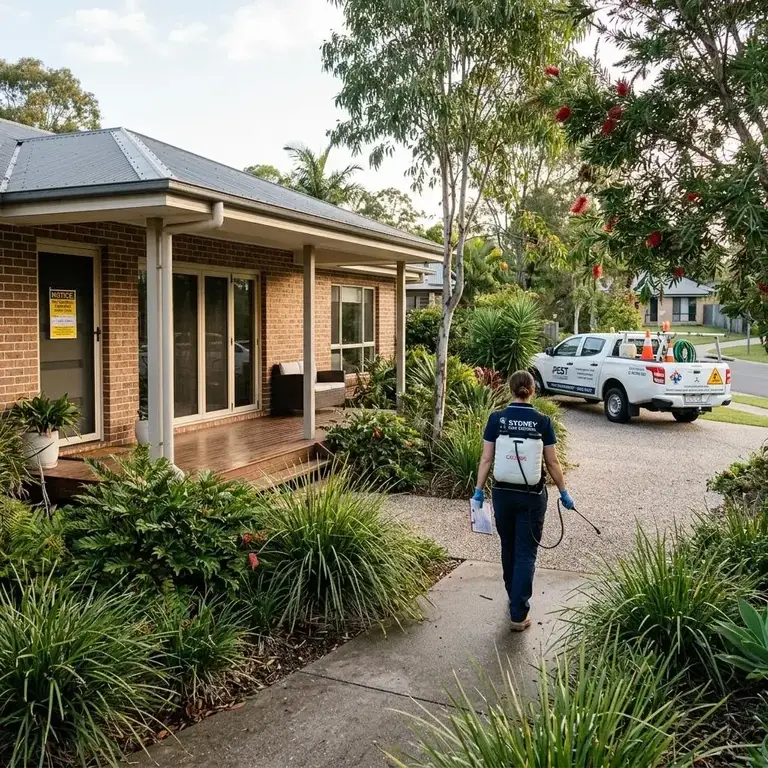
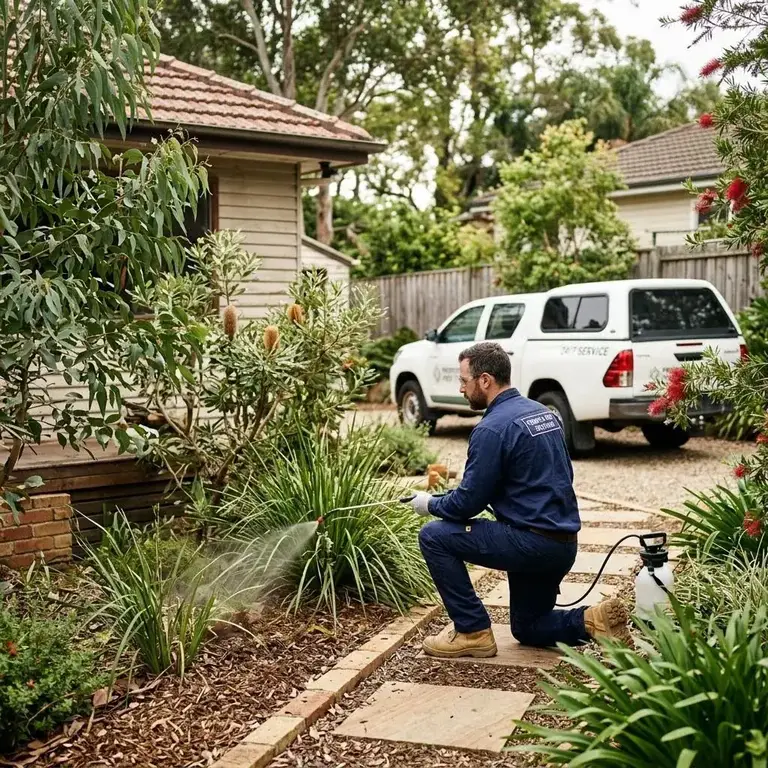
If you’ve just had a pest control treatment and suddenly you’re seeing more cockroaches, ants or spiders than before, don’t panic. In most cases, a spike in pest activity straight after a professional treatment is a sign the products are working exactly as designed, not that the job has failed.
Put simply: seeing more pests after treatment means hidden insects are being flushed out of wall voids, subfloors and cracks by residual sprays and dusts, and they typically die within 24 to 72 hours of crossing treated surfaces. This article explains why the surge happens, how long it should last in Australian homes, what it typically costs, and when increased activity genuinely warrants a callback.
- A post-treatment surge is normal: flushing agents drive pests into the open before they die, usually within 24 to 72 hours of contact.
- Most residual insecticides don’t kill eggs, so a second, smaller wave of activity around weeks two to four is expected for breeding pests like German cockroaches and fleas.
- Don’t mop treated skirting boards, spray your own products over the top, or panic-clean dead insects in the days after treatment.
- If activity is still climbing past your provider’s warranty window (typically 3–6 weeks depending on the pest), book a recheck rather than reaching for a supermarket spray.
- General pest treatments in Australia typically cost $150–$450 AUD in 2025–26, with follow-up visits often included for breeding pests.
Why pests after treatment Surge in Australian Homes
Australia’s warm climate and common housing styles create ideal pest harbourage, which is why the flushing effect is so noticeable here. The more places pests have to hide, the more dramatic the emergence looks once those hiding spots become uninhabitable.
Consider how our homes are built. Queenslanders on stumps have open subfloors where cockroaches, spiders and rodents shelter year-round. Brick veneer homes have wall cavities that ants and German cockroaches love, and slab-on-ground construction still leaves expansion joints, weep holes and sub-slab voids. Add a humid Queensland summer, a wet La Niña season in New South Wales, or the long warm autumns in Victoria and South Australia, and you have breeding conditions that keep pest populations ticking along twelve months a year.
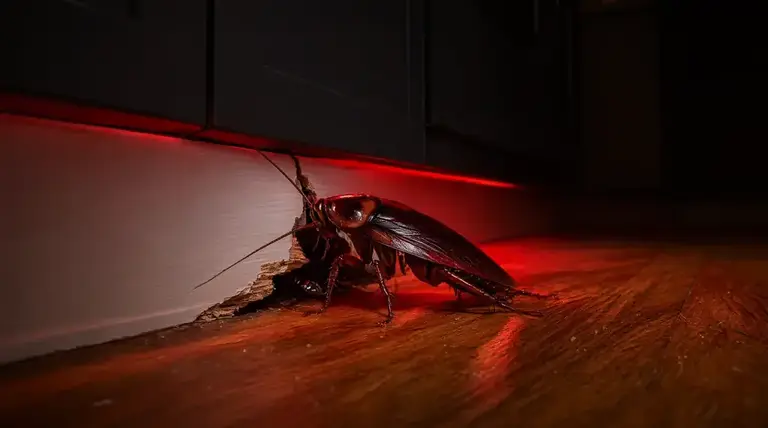
When a licensed technician treats these harbourages, everything hiding inside is disturbed at once. German cockroaches (Blattella germanica, roughly 12 to 15 mm) pour out from behind dishwashers and fridge motors. Huntsman and black house spiders abandon wall voids. Ant trails reorganise and push into new areas. Understanding this process stops homeowners from making the most common mistake of all: assuming the treatment failed and undoing it with a hardware-store spray. That kind of knee-jerk reaction is one of the many misconceptions we unpack in our guide to 10 Pest Control Myths Busted: Complete Australian Guide.
Warning Signs: What’s Normal and What’s Not After Treatment
Normal post-treatment activity involves disoriented, slow-moving pests appearing in the open and dying off within days; abnormal activity means numbers still climbing well past the expected window. Use this checklist to tell the difference.
- Pests in daylight – cockroaches wandering across floors mid-morning is a classic flushing sign; they’re nocturnal, so daytime sightings mean they’ve been driven out.
- Slow or erratic movement – insects that have picked up a dose often stagger, spin or move sluggishly before dying, typically within 24 to 72 hours.
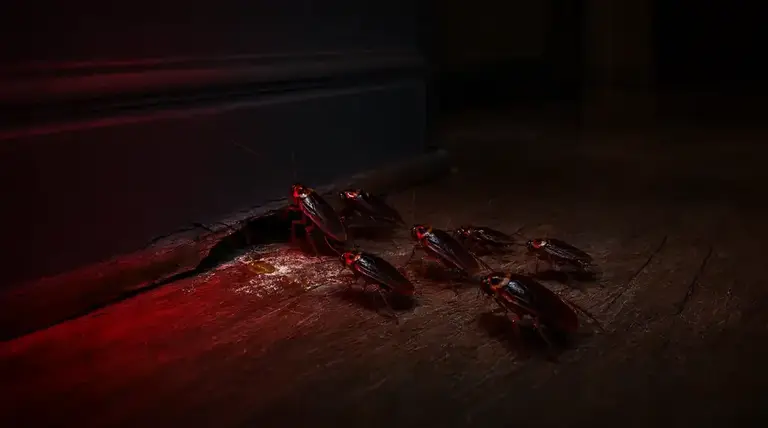
- Dead insects in numbers – finding clusters of dead cockroaches, ants or spiders in the first week confirms the residual is reaching the population.
- A second smaller wave – eggs and pupae survive most treatments, so a hatch around weeks two to four (a German cockroach ootheca holds around 30 to 40 eggs and hatches in roughly 28 days; flea pupae can lie dormant for weeks) is expected, not alarming.
- Activity that keeps climbing – if numbers are still rising after the settle-down window for that pest (see the table below), something may have been missed and a recheck is warranted.
- Pests in untouched areas – activity concentrated in rooms or voids the technician couldn’t access may indicate an untreated reservoir that needs a follow-up visit.
DIY Fixes vs Professional Pest Control After a Surge
The short answer: after a professional treatment, DIY products usually make things worse, while patience and a warranty callback make things better. Over-the-counter sprays are largely repellent, which drives insects away from the professionally treated surfaces where they would otherwise pick up a lethal dose.
The same logic applies to gadgets and home remedies. Plug-in devices won’t touch an established harborage, as we explain in Ultrasonic Pest Repellers: The Honest Truth, and pantry staples like vinegar, bicarb and essential oils simply can’t stop pests after treatment with a residual product — see DIY Pest Remedies That Don’t Work (And What Does) for the full breakdown.
| Approach | Effect on post-treatment surge | Verdict |
|---|---|---|
| Supermarket spray over the top | Repels pests away from treated surfaces; reduces dose pickup | Avoid |
| Mopping/scrubbing treated edges early | Strips the residual film before it finishes working | Avoid until cleared by your technician |
| Vacuuming dead insects (after day 3–4) | Harmless tidy-up once peak die-off passes | Fine |
| Warranty callback / follow-up visit | Re-treats missed harbourages and addresses egg hatch | Best option if activity persists |
| Doing nothing for the first 1–2 weeks | Lets the residual work at full strength | Recommended |
How Long Should the Increase Last? Timelines and Costs
Most crawling insects settle within two to four weeks of treatment, with peak visible activity in the first 3 to 14 days. If activity is still climbing past your provider’s quoted warranty window, that’s the trigger for a recheck.
| Pest | Peak activity after treatment | Should settle by |
|---|---|---|
| Ants (trailing species) | 2 to 5 days | 2 weeks |
| Cockroaches (German) | 3 to 7 days | 3 to 4 weeks |
| Spiders | 1 to 10 days | 2 to 3 weeks |
| Fleas | Can spike at 1 to 2 weeks | 4 to 6 weeks |
As for what a proper treatment costs, these are the typical Australian market rates for 2025–26 — what pest control operators across the country generally charge (metro areas; regional and difficult-access properties may sit higher):
| Service | Typical market rate (AUD) | What’s included / notes |
|---|---|---|
| General pest spray (cockroaches, spiders, ants) | $150–$350 | Interior/exterior residual treatment; 3–6 month warranty typical across the industry |
| German cockroach program | $250–$450 | Gel baits plus residual; follow-up visit usually included for egg hatch |
| Flea treatment (internal + yard) | $200–$400 | IGR products to break the pupal cycle; expect a week 1–2 spike |
| Warranty recheck / follow-up | $0–$120 | Most operators include it free within the warranty window quoted at booking |
Worth knowing: Aussie Pest Strike typically comes in well under these market rates while delivering the same professional-grade treatment and warranty cover. For an exact quote tailored to your property and pest issue, give the team a call on [aps_phone] — it takes two minutes and there’s no obligation.
Seasonal Pest Activity in Australia: When Surges Are Most Noticeable
Post-treatment surges are most dramatic in the warmer months, when pest populations are at their peak and more insects are hiding in harbourage to be flushed out. Treatments booked from October to March typically produce the biggest visible die-offs.
Jan
Feb
Mar
Apr
May
Jun
Jul
Aug
Sep
Oct
Nov
Dec
Typical relative pest activity in Australian homes across the year. Activity peaks in summer (Dec–Feb) and dips through winter, so treatments in the warmer months flush out larger populations and produce more visible surges.
The phone call we get most in the week after a job is “I’m seeing more than ever.” Nine times out of ten, that means the treatment is doing exactly what it should — those cockroaches on your benchtop at lunchtime have nowhere left to hide. Give the residual two to three weeks, keep your hands off the mop, and only then judge the result.
Wait out the first two weeks without cleaning treated edges or applying your own products. Note where activity is concentrated, and if numbers are still rising past your warranty window, book a recheck with your provider. Chemical treatments should always be applied by a licensed technician who can assess harbourages, select APVMA-registered products and advise on re-entry and cleaning times for your household.
Frequently Asked Questions
Why am I seeing more pests after a pest control treatment?
A spike in pest activity straight after treatment is usually a sign the products are working as designed. Residual sprays and dusts act as flushing agents, driving hidden insects out of wall voids, subfloors and cracks into the open. Once pests cross treated surfaces they typically die within 24 to 72 hours. Seeing more cockroaches, ants or spiders in the first days after treatment generally means the harbourages have been disturbed, not that the job has failed.
How long does the post-treatment pest surge normally last?
Most crawling insects settle within two to four weeks of treatment, with peak visible activity in the first 3 to 14 days. Ants typically peak for 2 to 5 days and settle by two weeks; German cockroaches peak around days 3 to 7 and settle within 3 to 4 weeks; spiders settle by 2 to 3 weeks; fleas can spike at 1 to 2 weeks and may take up to 4 to 6 weeks to fully settle.
What signs are normal versus abnormal after treatment?
Normal signs include pests appearing in daylight (cockroaches are nocturnal, so daytime sightings indicate flushing), slow or erratic movement before death, clusters of dead insects in the first week, and a smaller second wave around weeks two to four from hatching eggs. Abnormal signs are activity that keeps climbing past the expected settle-down window, or pests concentrated in rooms or voids the technician could not access, which may point to an untreated reservoir needing a follow-up.
Why do I see a second wave of pests two to four weeks later?
Most residual insecticides do not kill eggs or pupae, so a second, smaller wave of activity is expected for breeding pests. A German cockroach ootheca holds roughly 30 to 40 eggs and hatches in about 28 days, while flea pupae can lie dormant for weeks before emerging. This hatch typically appears around weeks two to four after treatment and is considered normal rather than a sign of failure, though it may warrant a follow-up visit if numbers keep rising.
Should I spray supermarket insecticide over treated areas?
No. Over-the-counter sprays are largely repellent, which drives insects away from professionally treated surfaces where they would otherwise pick up a lethal dose. Spraying your own products over the top reduces dose pickup and can prolong the problem. The same applies to plug-in devices and home remedies like vinegar, bicarb and essential oils, which cannot stop pests once a residual product has been applied. Wait out the recommended window instead.
Can I clean my house after a pest treatment?
Avoid mopping or scrubbing treated skirting boards and edges in the early days, as this strips the residual film before it finishes working. Vacuuming dead insects is fine as a tidy-up once peak die-off passes, generally after day 3 or 4. Doing nothing for the first one to two weeks lets the residual work at full strength. Your technician can advise on re-entry and cleaning times specific to your household and the products used.
When should I book a recheck after treatment?
Also flag activity concentrated in rooms or voids the technician could not access, as this may indicate an untreated reservoir. The practical next step is to note the signs, inspect the relevant area carefully, and seek property-specific advice if the issue continues.
Why are post-treatment surges more noticeable at certain times of year?
Surges are most dramatic in warmer months when pest populations are at their peak and more insects are hiding in harbourage waiting to be flushed out. Treatments booked from October to March typically produce the biggest visible die-offs. Australia's climate keeps populations ticking along much of the year: humid Queensland summers, wet La Niña seasons in New South Wales, and long warm autumns in Victoria and South Australia all sustain breeding conditions, while activity dips through winter.
Can Aussie Pest Strike check availability for treating a pest surge in my home?
If you are seeing more pests after a recent treatment, or you want a general pest spray, German cockroach program or flea treatment booked ahead of the warmer months, Aussie Pest Strike can confirm availability for your property and pest issue. Because flushing surges are most noticeable from October to March, checking lead times before peak season can help you time the visit well. Contacting the team takes only a couple of minutes and there is no obligation attached.
How do I get a quote from Aussie Pest Strike for a post-treatment recheck?
If pest activity is still climbing past your provider's expected settle-down window, the practical next step is a professional recheck rather than DIY spraying. Aussie Pest Strike can provide an exact quote tailored to your property and the pest involved, whether it is a German cockroach follow-up for egg hatch, a flea re-treatment during the pupal cycle, or a general pest recheck. Give the team a call to discuss what you are seeing and arrange an inspection.
Sources & further reading
Found Something
Dangerous?
Don’t touch it. Don’t spray it. Keep kids and pets clear, take a photo from a safe distance, and call us — or book a free inspection and we’ll come to you.
02 7235 0050