DIY Pest RemediesThat Don’t Work(And What Does)
Pest control remedies: plenty of popular DIY pest remedies simply don't work cucumber peel for ants, cinnamon for cockroaches, and mothballs for possums...
Every week, Australian households pour money and weekends into diy pest control that simply doesn’t work — cucumber peel for ants, cinnamon for cockroaches, mothballs for possums. If you’re wondering why the problem keeps coming back, the answer is usually that the remedy never reached the nest.
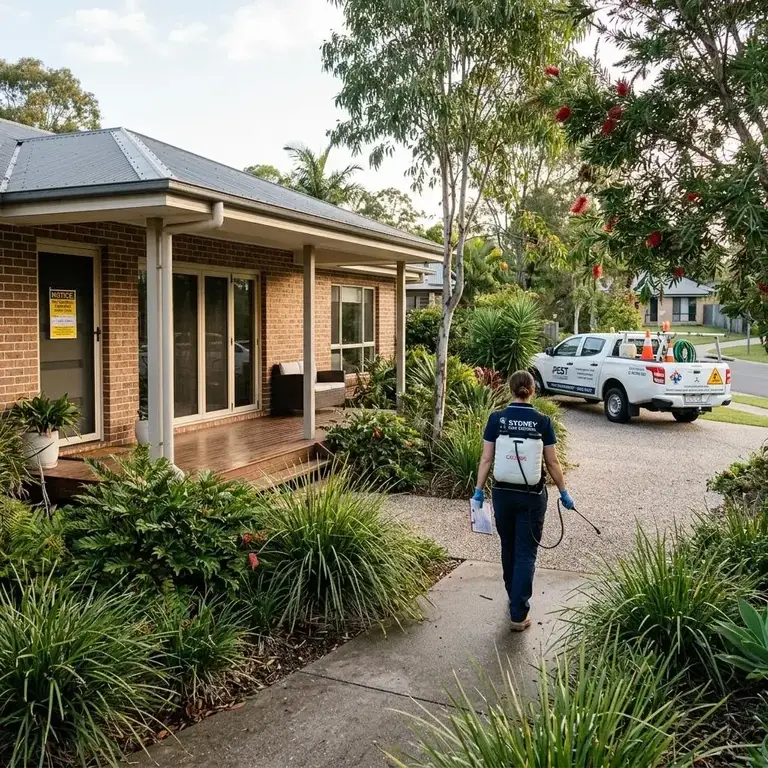
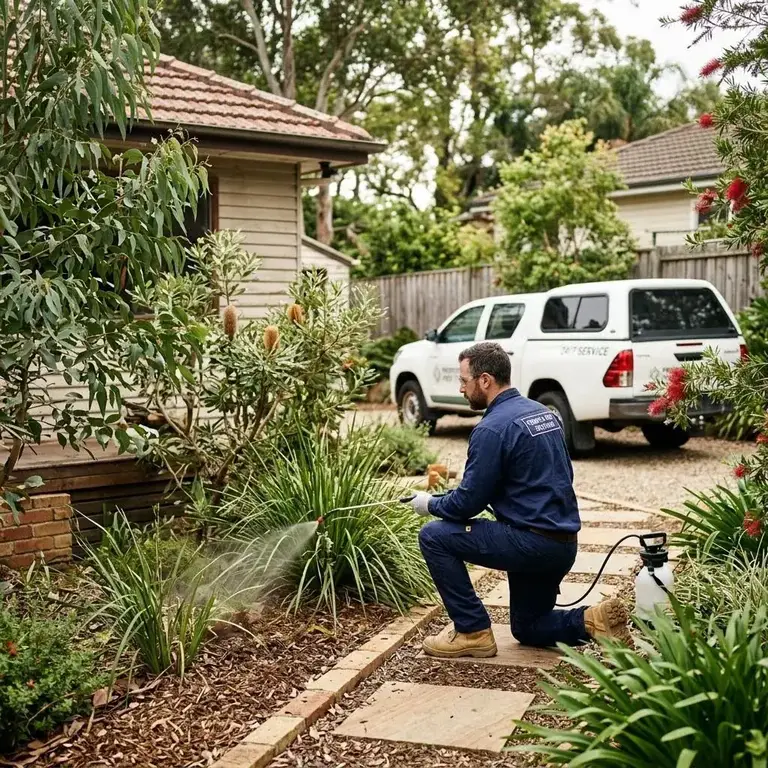
Put simply, a DIY pest remedy “works” only if it eliminates the breeding population or blocks the pest’s access — anything that merely repels a few visible insects is a temporary distraction, not control. This guide walks through the popular home remedies that fail against Australian pests, the small number that genuinely help, and when it’s time to call in a licensed technician.
- Most popular DIY remedies — cucumber peel, cinnamon, coffee grounds, bleach down drains — only shift a few visible pests and leave the colony untouched.
- Mothballs used against possums are ineffective, toxic to kids and pets, and illegal under state wildlife protection laws.
- The DIY tactics that genuinely work are prevention-focused: sealing gaps, sanitation, moisture control and correctly used APVMA-approved baits.
- Established colonies, timber pests and health-risk species exceed the ceiling of home methods — professional pest control is the efficient path.
- A professional general pest treatment typically costs $180–$350 AUD and targets the whole lifecycle, not just the insects you can see.
Why DIY pest control fails so often in Australian homes
DIY remedies fail in Australia because our climate and housing styles give pests everything they need to out-breed any repellent. Warm, humid conditions across Queensland, New South Wales and coastal Western Australia let ants, cockroaches and rodents breed for most of the year, so killing or shooing a handful of individuals achieves nothing.
Housing design compounds the issue. Homes on concrete slabs give cockroaches and ants concealed entry via weep holes and pipe penetrations. Raised timber subfloors — common in older Queenslanders and weatherboard cottages — create dark, humid voids where German cockroaches, silverfish and rodents thrive undisturbed. Brick veneer walls hide cavity runs that ants use as highways. In every case, the pest’s real home is somewhere a spray of vinegar or a line of cinnamon will never reach. It’s why the same myths keep circulating, something we unpack in our 10 Pest Control Myths Busted: Complete Australian Guide.
The common thread among failed remedies is that they target the symptom — a single visible insect — while ignoring the nest, eggs and lifecycle driving the problem. A repellent smell might move a few ants for an afternoon, but the colony of tens of thousands remains untouched, and the trail is simply rerouted.
Warning signs your DIY remedy isn’t working
The clearest sign a home remedy has failed is that pest activity returns within days of applying it. Watch for these red flags before you waste another weekend:
- Trails reappear within 24–72 hours — ants rerouting around cucumber peel, citrus or chalk lines means the colony is intact.
- Droppings in new locations — cockroach or rodent droppings spreading to new cupboards or rooms show the population is growing, not shrinking.
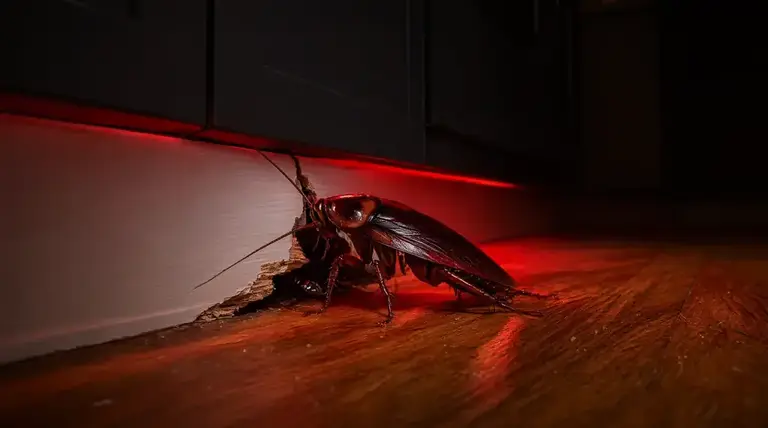
- Daytime sightings — cockroaches seen during the day usually indicate a large, crowded harbourage that no repellent will fix.
- Egg cases, shed skins or gnaw marks — evidence of active breeding means the lifecycle is continuing behind your walls or under the subfloor.
- Smells and sounds persist — a musty cockroach odour or scratching in the roof after weeks of “treatment” confirms the remedy isn’t reaching the source.
- You’re reapplying constantly — if the remedy only works while it’s fresh, it’s a repellent, not a solution.
Popular DIY remedies that don’t work — and what I recommend instead
The remedies below fail because they rely on smell or mild irritation rather than population control. Here is the honest verdict on each, plus what actually does the job.
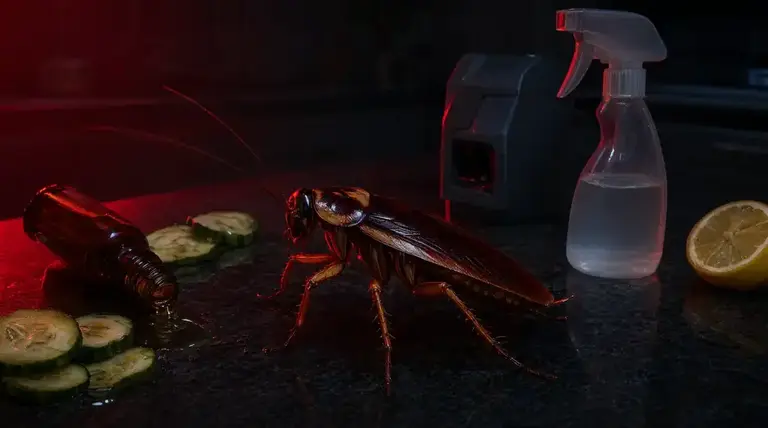
- Cucumber or citrus peel for ants — no measurable deterrent effect; ants simply reroute their trails around it.
- Cinnamon or bay leaves for cockroaches — mild short-term avoidance at best; zero population control.
- Mothballs for possums or snakes — ineffective, dangerous, and illegal to use against protected possums.
- Coffee grounds for slugs — inconsistent and washed away by the first rain or watering.
- Bleach down drains for cockroaches — kills a few individuals but never reaches the harbourage.
- Ultrasonic plug-in repellers — independent testing consistently shows little to no lasting effect; see our breakdown in Ultrasonic Pest Repellers: The Honest Truth.
- Vinegar and bicarb sprays — fine as cleaners, useless as pest control; we cover the evidence in Vinegar and Baking Soda for Pests: Fact or Fiction?.
The legal trap with mothballs
Using mothballs to repel or harm possums can be illegal because brushtail and ringtail possums are protected native animals across Australia, and poisoning, harming or relocating them without authorisation breaches wildlife laws. Mothballs also endanger children and pets, contaminate insulation and simply do not work, so avoid them entirely.
DIY vs professional pest control: an honest comparison
DIY pest control has a genuine but limited role: prevention, sanitation and early-stage baiting. Once you’re dealing with an established colony, timber pests or health-risk species, professional treatment is faster, safer and usually cheaper than months of repeated home attempts.
| Factor | DIY remedies | Professional treatment |
|---|---|---|
| Targets the nest/eggs | Rarely — mostly repels visible insects | Yes — colony-level treatments and growth regulators |
| Speed of result | Weeks of reapplication, often no resolution | Days to weeks with a structured program |
| Safety | Mothballs and misused chemicals risk kids and pets | APVMA-registered products applied by licensed technicians |
| Legality (possums, termites) | Risk of breaching wildlife and chemical-use laws | Compliant, licensed handling and possum exclusion |
| True cost over 12 months | Repeated purchases, often $100+ with no fix | One or two treatments with warranty options |
A few home measures do carry a grain of truth. Diatomaceous earth works slowly in dry cracks for crawling insects; boric acid bait is genuinely effective for cockroaches and ants when used at label rates; sealing gaps is very effective for excluding rodents and spiders; and removing standing water cuts mosquito breeding. The trick is understanding their real, limited role as support acts, not cures.
What does professional pest control cost in Australia?
Across the Australian pest control industry, typical market rates for common household treatments in 2025–26 sit between $180 and $600 AUD, depending on the pest, property size and severity. Here’s what the industry generally charges:
| Service | Typical market rate (AUD) | What’s included/notes |
|---|---|---|
| General pest treatment (cockroaches, ants, spiders) | $180–$350 | Internal/external spray, dusting of voids, gel baits; 3–6 month service warranty common |
| German cockroach program | $280–$500 | Multi-visit baiting and growth regulator; severe infestations cost more |
| Rodent control program | $250–$450 | Locked bait stations, trapping, entry-point advice, follow-up visits |
| Possum inspection and legal exclusion | $300–$600 | One-way doors, proofing of entry points; relocation rules vary by state |
| Termite inspection | $250–$400 | Full timber pest inspection to Australian Standard with written report |
Compare those going market rates with the slow drip of DIY spending — sprays, traps, plug-ins and “natural” products that add up to $100 or more over a season without resolving anything — and the professional route often wins on value alone.
It’s worth knowing that Aussie Pest Strike typically comes in well under these typical Australian market rates, while still delivering fully licensed, warrantied work. For an exact quote tailored to your property and pest problem, give us a call on [aps_phone] today.
Seasonal pest activity across Australia
Pest pressure in Australia peaks through the warmer, wetter months from October to April, when heat and humidity drive breeding. Winter brings a smaller secondary spike as rodents move indoors seeking warmth.
Jan
Feb
Mar
Apr
May
Jun
Jul
Aug
Sep
Oct
Nov
Dec
Indicative national pattern: ant, cockroach and mosquito activity peaks in late summer and early autumn, dips through winter, then builds again from spring. Northern Australia stays active year-round; the winter floor reflects rodent movement indoors in southern states.
Timing matters because DIY remedies fail hardest at peak season — a cinnamon line stands no chance against a cockroach population exploding in March humidity. The most effective time for prevention work like sealing gaps is late winter, before the spring surge.
Your effective DIY checklist
The reliable DIY wins are prevention-focused: exclusion, sanitation and moisture control. Do these well and you’ll prevent most infestations before they start:
- Seal gaps, screen vents, and fit door brushes.
- Store food in airtight containers and clean up spills promptly.
- Empty anything holding water within a week to stop mosquitoes breeding.
- Use APVMA-approved baits correctly, following the label rate on the pack.
- Fix leaking taps and improve ventilation to deny cockroaches and silverfish the moisture they need.
- Keep firewood, mulch and dense plantings back from the house to reduce spider and rodent harbourage.
After fifteen years in the field, I can tell within minutes when a homeowner has been fighting a colony with pantry remedies. The pests aren’t gone — they’ve just moved deeper into the wall voids. Treat the nest and the entry points, and the problem ends; chase the insects you can see, and you’ll be doing it forever.
Keep DIY for prevention: seal, clean, de-water and use APVMA-approved baits at label rates. The moment you see droppings, egg cases or daytime activity, stop spending on remedies and book a licensed technician — colony-level treatment now costs far less than an established infestation later.
Frequently Asked Questions
Why do most DIY pest remedies fail in Australian homes?
Most DIY remedies fail because they only repel the few pests you can see, while the nest or colony stays untouched. Warm Australian conditions let ants and cockroaches breed for most of the year, so removing a handful of individuals achieves nothing. A remedy only truly works if it eliminates the breeding population or blocks access — anything else is a temporary distraction.
What are the warning signs that my home remedy isn't working?
Key red flags include ant trails reappearing within 24–72 hours, droppings turning up in new cupboards or rooms, cockroaches seen during daylight, egg cases or gnaw marks showing active breeding, persistent musty smells or scratching sounds, and needing to reapply constantly. If a remedy only works while it's fresh, it's a repellent rather than a solution.
Do cucumber peel, cinnamon and coffee grounds actually repel pests?
No. Cucumber or citrus peel has no measurable deterrent effect on ants, which simply reroute their trails around it. Cinnamon and bay leaves offer mild short-term avoidance for cockroaches at best, with zero population control. Coffee grounds are inconsistent against slugs and wash away with rain or watering. All three leave the underlying colony intact.
Is it legal to use mothballs against possums?
Using mothballs to repel or harm possums can be illegal. Brushtail and ringtail possums are protected native animals across Australia, so poisoning, harming or relocating them without authorisation breaches wildlife laws. Mothballs are also ineffective, toxic to children and pets, and can contaminate insulation, so they should be avoided entirely.
Which DIY pest control methods genuinely work?
The reliable DIY wins are prevention-focused: sealing gaps, screening vents and fitting door brushes to exclude rodents and spiders; good sanitation; removing standing water to cut mosquito breeding; diatomaceous earth applied slowly in dry cracks for crawling insects; and boric acid bait used at label rates for cockroaches and ants. These act as support measures, not complete cures.
Why doesn't bleach down drains get rid of cockroaches?
Bleach poured down drains kills only the few individual cockroaches it directly contacts. The main population lives in hidden harbourages such as subfloor voids, wall cavities and behind appliances, which bleach never reaches. German cockroaches in particular breed rapidly in dark, humid spaces, so the infestation continues growing despite repeated bleach treatments.
Do ultrasonic plug-in pest repellers work?
Independent testing consistently shows ultrasonic plug-in repellers have little to no lasting effect on pests. They may cause brief disturbance at most, but they do not eliminate nests, eggs or breeding populations, so activity returns quickly. Money spent on these devices is generally better directed at exclusion work and correctly used APVMA-approved baits.
When should I stop using DIY methods and call a professional?
Call a licensed technician once you're dealing with an established colony, timber pests such as termites, or health-risk species like German cockroaches or rodents. These problems exceed what home methods can achieve because treatment must reach the whole lifecycle, not just visible insects. Professionals use APVMA-registered products and structured programs that resolve infestations in days to weeks.
I've tried the prevention steps in this article but pests keep returning — how can Aussie Pest Strike help?
If you've sealed gaps, improved sanitation and removed moisture sources but pest activity persists, an established colony is likely hiding beyond reach of home methods. Aussie Pest Strike provides licensed technicians who target nests, eggs and harbourages rather than just visible insects. Contacting them for an assessment of your specific pest problem is a sensible next step after exhausting prevention.
How do I arrange a professional inspection before peak pest season?
Prevention work like sealing gaps is best completed in late winter, before the spring surge in ant, cockroach and mosquito activity. Aussie Pest Strike can inspect your property, identify entry points and harbourage areas, and recommend targeted treatments suited to the season. Reaching out ahead of the warmer months gives you time to address vulnerabilities before populations build.
Sources & further reading
Found Something
Dangerous?
Don’t touch it. Don’t spray it. Keep kids and pets clear, take a photo from a safe distance, and call us — or book a free inspection and we’ll come to you.
02 7235 0050