How Long DoesPest ControlTake to Work?
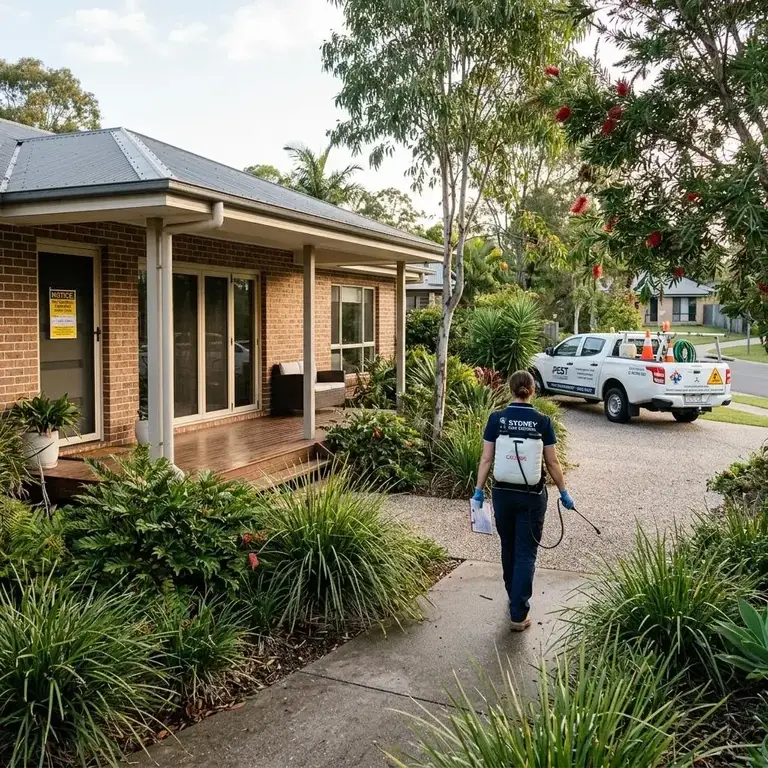
So, how long does pest control take to work? Most professional treatments start killing pests within hours, but full results usually take one to two...
So, how long does pest control take to work? Most professional treatments start killing pests within hours, but full results usually take one to two weeks — and the answer you typed into Google (even if it started with a stray “o”) deserves a straight response. The exact timeframe depends on the pest species, the treatment method and how severe the infestation has become. Stubborn problems like German cockroaches or termites can take several weeks and may need follow-up visits before the job is truly done.
Put simply: pest control is the professional management and elimination of insects, rodents and other unwanted animals from a property, using treatments that typically show first results within 48 hours and full control within one to three weeks for most common pests. Below, we break down realistic timelines for every major Australian pest, what speeds results up or slows them down, what you’ll pay, and how to tell whether your treatment is working or needs a reservice.
- Most professional treatments start killing pests within hours, but full results usually take one to two weeks.
- German cockroaches take two to three weeks because eggs keep hatching; termite baiting can take six to twelve weeks.
- Seeing more pests in the first 48 hours is normal — flushing agents drive them out of hiding.
- Infestation size, pest lifecycle, treatment type and local climate all affect the speed of results.
- Book a follow-up if live pests persist after two weeks — most reputable companies include a service warranty.
Why Treatment Timelines Matter in Australian Homes
Australia’s climate and housing styles directly shape how fast pest control works. A humid Brisbane summer accelerates cockroach and ant breeding, meaning a small problem becomes a big one in weeks — while a dry Adelaide winter slows lifecycles and can stretch bait-based treatments out.
Housing construction matters too. Homes on a concrete slab can hide ant nests and termite entry points around the perimeter, while older subfloor homes and Queenslanders on stumps create warm, sheltered voids where pests breed undisturbed. Brick veneer walls — common across Melbourne and Sydney’s suburbs — offer gap-filled cavities that cockroaches and rodents love. In tropical North Queensland, the wet season supercharges breeding, so treatments that might last twelve months down south often need repeating at six months. Understanding these local factors sets realistic expectations: there’s no single “o” to a universal answer, but there are reliable patterns for every region and pest.
How Long Does Pest Control Take for Common Australian Pests?
Every pest behaves differently, so timelines vary from hours to weeks. Here’s what licensed technicians typically see in Australian homes.
Cockroaches and Ants
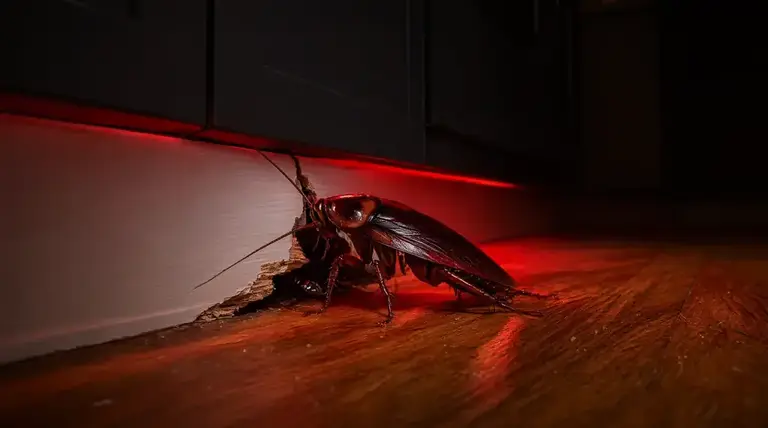
Gel baits and residual sprays for German cockroaches — the small tan species common in Sydney and Brisbane kitchens — cut numbers within 48 hours, but eggs keep hatching for two to three weeks. Ant treatments use non-repellent products that workers carry back to the nest; colony collapse often takes one to three weeks.
Spiders and Rodents
A perimeter spray for redbacks and huntsmen spiders kills on contact, though new spiders can wander in from neighbouring gardens. Rodent baiting usually takes three to ten days, as rats are cautious feeders and need time to trust new bait stations.
Termites
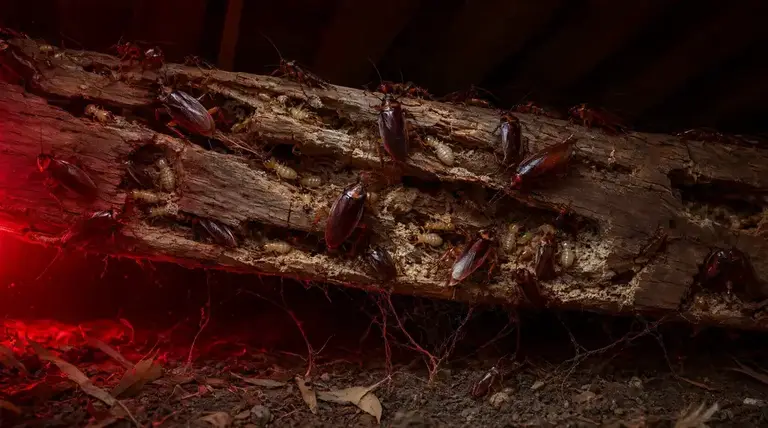
Termites are the long game. A chemical soil barrier installed to Australian Standard AS 3660 protects the structure straight away, but baiting systems that eliminate an active colony can take six to twelve weeks — longer through a cool southern winter when foraging slows.
Warning Signs Your Treatment Is (or Isn’t) Working
Knowing what to watch for saves you from panicking too early or waiting too long. Use this checklist in the fortnight after treatment:
- Increased activity in the first 48 hours — normal and usually a good sign; flushing agents drive pests out of wall voids and cracks.
- Dying pests in the open — ants and cockroaches appearing sluggish in daylight means the treatment is doing its job.
- A sharp drop by day seven — activity should fall noticeably within the first week for most general treatments.
- Live pests after two weeks — a red flag; time to book a follow-up under your service warranty.
- Fresh droppings or egg cases — new cockroach oothecae or rodent droppings suggest survivors are still breeding.
- Scratching in the roof void — rodents may be avoiding bait stations; a technician can reposition them.
DIY vs Professional Pest Control: Which Works Faster?
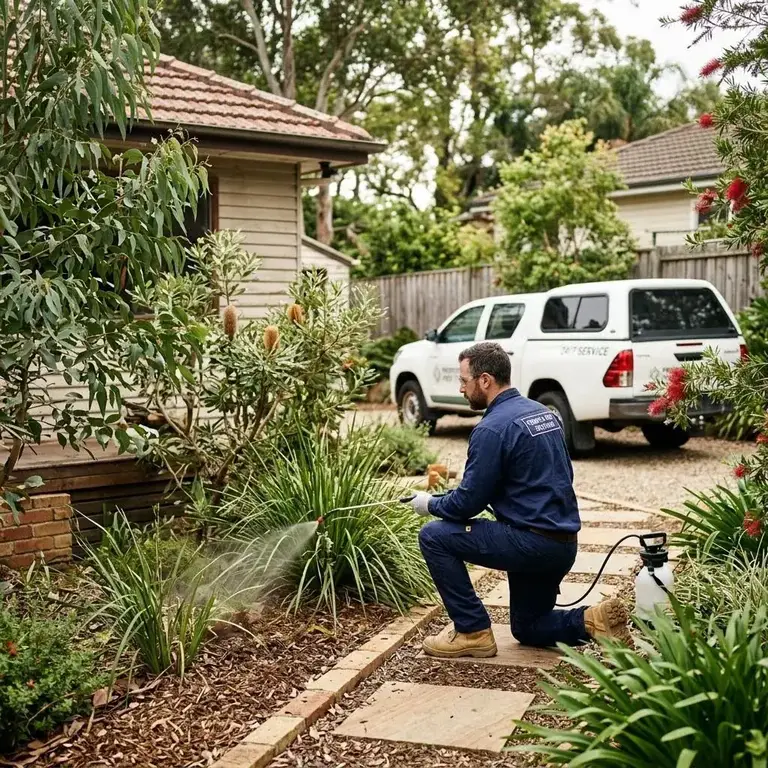
Professional treatments almost always deliver faster, more complete results because licensed technicians can use APVMA-registered products unavailable on retail shelves, and they place them where pests actually live and breed. Supermarket sprays kill what you can see; professional baits and non-repellent products eliminate the colony you can’t. Before you reach for a can of surface spray, it’s worth reading DIY Pest Remedies That Don’t Work (And What Does) — and if you’re weighing up gadgets, Ultrasonic Pest Repellers: The Honest Truth explains why plug-in devices rarely move the needle.
| Factor | DIY approach | Professional treatment |
|---|---|---|
| First visible results | Hours for contact kills; often partial | Within 24-48 hours, colony-wide effect |
| Full control | Often never achieved for established infestations | 1-3 weeks for most pests; 6-12 weeks for termites |
| Product strength | Retail-grade, repellent sprays | APVMA-registered non-repellent baits and residuals |
| Warranty | None | Typically 3 months for general pest work |
For a broader reality check on common misconceptions, our guide 10 Pest Control Myths Busted: Complete Australian Guide covers the biggest ones — including the myth that one treatment fixes everything forever.
How Much Does Pest Control Cost in Australia in 2025-26?
Across the Australian market, a general pest treatment typically runs between $150 and $350 AUD, with the going rate shifting based on property size, pest type and region. The figures below are typical industry rates charged by pest control companies around the country — every property is different, so treat these as a guide rather than a quote.
| Service | Typical market rate (AUD) | What’s included/notes |
|---|---|---|
| General pest treatment (cockroaches, spiders, ants) | $150-$350 typical market rate | Interior and perimeter spray, gel baits; usually 3-month warranty |
| German cockroach treatment | $220-$450 typical market rate | Intensive gel baiting plus follow-up visit for heavy infestations |
| Rodent baiting program | $180-$400 typical market rate | Lockable bait stations, placement and monitoring visits |
| Termite inspection | $200-$350 typical market rate | Full inspection to AS 3660 with written report; recommended annually |
| Termite chemical barrier or baiting system | $2,000-$5,000+ typical market rate | Soil barrier to AS 3660 or monitored bait stations; multi-year protection |
It’s worth knowing that Aussie Pest Strike typically comes in well under these market rates while still delivering the same licensed, warranty-backed service. For an exact quote tailored to your property and pest problem, give us a call on [aps_phone] today.
When Is Pest Activity Highest in Australia?
Pest pressure in Australia peaks through the warmer months, roughly October to March, when heat and humidity drive breeding. Winter slows most species but pushes rodents indoors, so activity never truly drops to zero.
Jan
Feb
Mar
Apr
May
Jun
Jul
Aug
Sep
Oct
Nov
Dec
Typical relative pest activity across Australia. Activity peaks from November to February, dips through the southern winter, and climbs again in spring — which is why an early-spring treatment keeps summer populations down.
The biggest mistake homeowners make is mopping the skirting boards the next day because the place still looks busy. That first-week spike is the treatment working — pests are being flushed out of hiding. Give baits and residuals the full fortnight before you judge the result, and you’ll see the drop-off we’re expecting.
Book a general pest treatment in early spring, don’t mop treated surfaces for at least a week, and store food in sealed containers so baits stay the most attractive option. If live pests persist after two weeks, use your service warranty for a free reservice. For termites, schedule an inspection at least every 12 months — more often in high-risk areas of Queensland and northern New South Wales.
Frequently Asked Questions
How long does pest control take to work?
Most professional treatments start killing pests within hours, with first results typically visible within 48 hours. Full control usually takes one to two weeks for common pests like cockroaches, ants and spiders. The exact timeframe depends on the pest species, the treatment method used and how severe the infestation is. Stubborn problems such as German cockroaches or termites can take several weeks and may need follow-up visits before the job is complete.
Why do I see more pests in the first 48 hours after treatment?
Increased activity in the first two days is normal and usually a good sign. Flushing agents in professional treatments drive pests out of wall voids, cracks and other hiding spots, so you may notice more insects moving around than before. Dying pests appearing sluggish in daylight also indicates the treatment is working. Give baits and residual products the full fortnight before judging the result rather than mopping treated surfaces too early.
How long does it take to get rid of German cockroaches?
Gel baits and residual sprays cut German cockroach numbers within about 48 hours, but full elimination takes two to three weeks because eggs keep hatching after the adults are killed. Heavy infestations often need an intensive gel baiting program plus a follow-up visit to catch newly hatched nymphs. Seeing a sharp drop in activity by day seven is a good indicator that the treatment is on track.
How long do termite treatments take to work?
It depends on the method. A chemical soil barrier installed to Australian Standard AS 3660 protects the structure straight away, while baiting systems that eliminate an active colony can take six to twelve weeks. Baiting can take even longer through a cool southern winter when termite foraging slows down. Annual inspections are recommended, and more frequently in high-risk areas of Queensland and northern New South Wales.
How long does rodent baiting take to work?
Rodent baiting usually takes three to ten days to show results. Rats are cautious feeders and need time to trust new bait stations before taking enough bait for it to be effective. If you still hear scratching in the roof void after treatment, the rodents may be avoiding the stations, and a technician can reposition them. Fresh droppings after two weeks suggest survivors are still breeding.
What factors affect how quickly pest control works?
Several factors influence results: the size of the infestation, the pest's lifecycle, the type of treatment used and your local climate. A humid Brisbane summer accelerates cockroach and ant breeding, while a dry Adelaide winter slows lifecycles and can stretch out bait-based treatments. Housing construction matters too — slab homes can hide nests around the perimeter, subfloor homes create sheltered breeding voids, and brick veneer cavities harbour cockroaches and rodents.
Does DIY pest control work faster than professional treatment?
No, professional treatments almost always deliver faster, more complete results. Licensed technicians use APVMA-registered products unavailable on retail shelves and place them where pests actually live and breed. Supermarket sprays only kill what you can see, whereas professional baits and non-repellent products eliminate the colony you cannot see. DIY approaches often achieve partial contact kills within hours but rarely achieve full control of established infestations.
When should I book a follow-up if pests are still active?
If live pests persist after two weeks, that is a red flag and time to book a follow-up visit. Most reputable companies include a service period for general pest work, so check the terms of your treatment and arrange a reservice under it. Other warning signs include fresh droppings, new cockroach egg cases, or continued scratching in the roof void, all of which suggest survivors are still breeding or avoiding bait stations.
How does Aussie Pest Strike decide which treatment method will work fastest for my pest problem?
A technician assesses your property to identify the pest species, locate where pests are living and breeding, and gauge how severe the infestation has become. This determines which treatment method suits your situation and sets realistic expectations for how long results will take. For termites, inspections follow Australian Standard AS 3660 and are recommended at least every 12 months, more often in high-risk areas of Queensland and northern New South Wales.
How should I prepare my home before a treatment from Aussie Pest Strike?
Store food in sealed containers so baits remain the most attractive option for pests, and plan not to mop treated skirting boards and surfaces for at least a week, as cleaning can remove residual products before they have done their job. Expect increased activity in the first 48 hours as flushing agents drive pests out of hiding. After the fortnight, monitor activity levels and arrange a follow-up if live pests persist.
Sources & further reading
Found Something
Dangerous?
Don’t touch it. Don’t spray it. Keep kids and pets clear, take a photo from a safe distance, and call us — or book a free inspection and we’ll come to you.
02 7235 0050