How LongDoes a PestInspection Take?
How Long Does a Pest Inspection Take? — a standard pest inspection on an average three- to four-bedroom Australian home takes between 45 and 90 minutes....
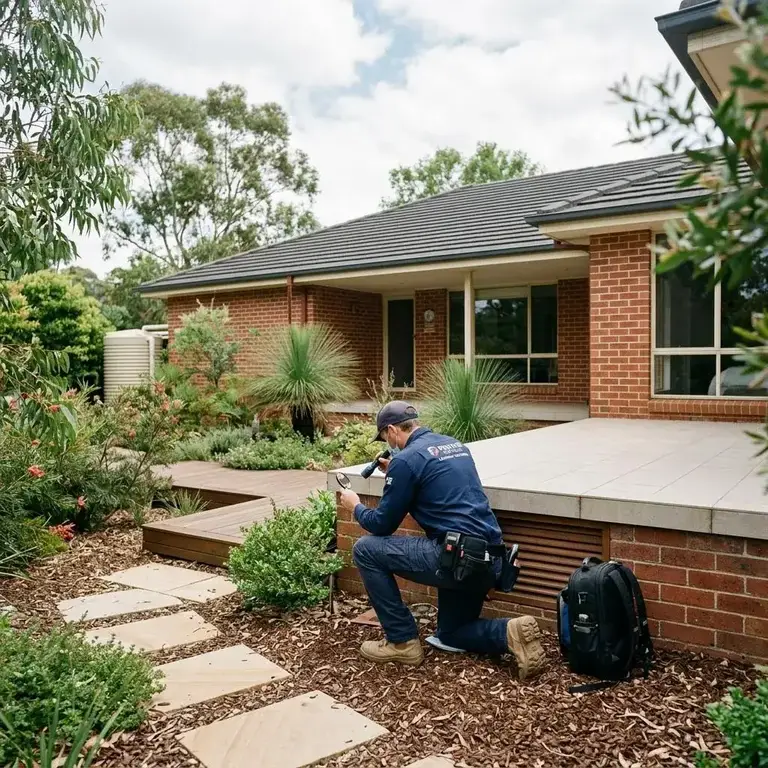
Booking a pest inspection and wondering how long you’ll need to set aside? For an average three- to four-bedroom Australian home, expect a licensed technician to be on site for 45 to 90 minutes. Larger properties, homes with subfloors or roof voids, and combined building and pest inspections can run to two hours or more.
Put simply, a pest inspection is a methodical, room-by-room and exterior assessment of a property by a licensed technician to detect live pests, damage, nests and the conditions that attract them. This guide breaks down exactly what happens during the visit, what slows it down or speeds it up, typical 2025–26 costs, and how to prepare so the job is done thoroughly and efficiently.
- A standard pest inspection on an average Australian home takes 45–90 minutes; combined building and pest inspections can take up to 2.5 hours.
- Roof voids, subfloors and older timber construction (like Queenslanders) add the most time.
- Timber pest inspections follow Australian Standard AS 4349.3 and are never rushed.
- Typical costs range from $150–$300 for a general inspection and $400–$600 for a combined pre-purchase inspection (AUD, 2025–26).
- Clearing access to manholes, subfloors and under-sink cupboards before the visit saves time and improves accuracy.
Why Pest Inspection Timing Matters for Australian Homes
Australia’s climate and housing stock make thorough, unhurried pest inspections essential — termites alone cause more damage to Australian homes each year than fire, flood and storms combined in typical industry estimates. From the humid coastal belt of Queensland to the temperate south, local conditions dictate how long an inspector needs on site.
Housing style is the big variable. A modern slab-on-ground brick veneer home is relatively quick to assess because there is no subfloor and limited concealed timber. By contrast, older Queenslanders and weatherboard homes on stumps have bearers, joists and dark subfloor spaces where termites, borers and rodents thrive — and every metre of it must be checked. Our guide to Pest Control in Older Australian Homes explains why these properties demand extra attention. Even new homes aren’t exempt: as covered in Pest Control for New Builds: What Australian Owners Miss, construction-stage gaps and landscaping choices create pest entry points that a proper inspection will uncover.
In high-risk regions — coastal Queensland, northern New South Wales and the Top End — inspectors deliberately allow extra time because warm, humid conditions favour termite activity year-round. In southern states, pressure peaks through the warmer months from October to April.
Warning Signs That Mean Your Inspection Will Take Longer
If an inspector finds evidence of activity, they will spend additional time tracing the full extent of the problem — and that’s a good thing. Watch for these red flags around your property:
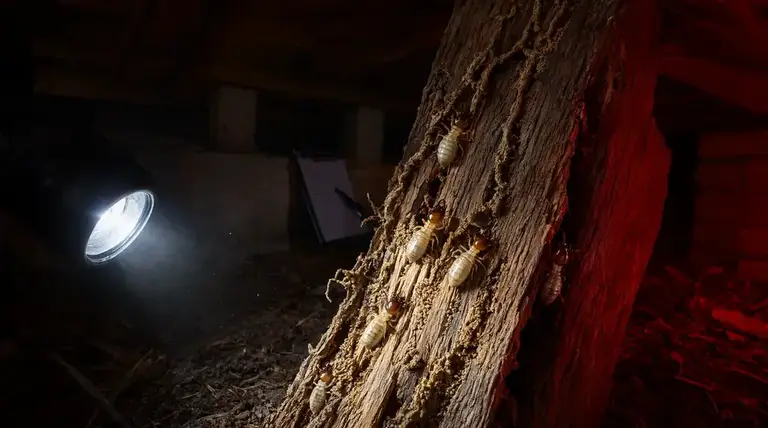
- Mud tubes on brickwork or stumps: pencil-width earthen leads are a classic sign of subterranean termites travelling between soil and timber.
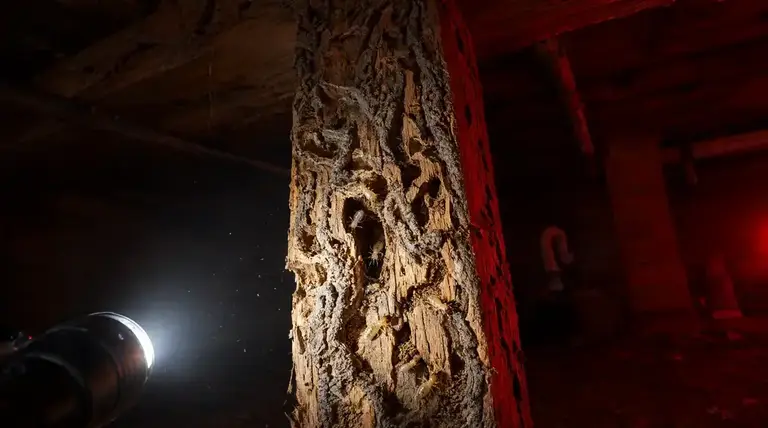
- Hollow-sounding or blistered timber: skirting boards, architraves and window frames that sound papery when tapped may be eaten from the inside.
- Droppings in pantries or under sinks: small dark pellets indicate rodents or German cockroaches, both of which require the inspector to trace harbourage areas.
- Moisture readings around wet areas: damp timber in bathrooms, laundries and kitchens attracts termites and signals concealed leaks.
- Sagging floors or stuck doors: possible structural timber damage that warrants a slower, more detailed assessment.
- Nests, webbing or egg cases: redback spider webs around outdoor furniture and sheds, or cockroach oothecae in warm appliances, extend the search area.
DIY vs Professional Pest Inspection: What’s the Difference?
A DIY walk-around takes most homeowners 20 minutes and catches only obvious surface signs; a professional inspection takes 45–90 minutes because licensed technicians use moisture meters, thermal tools and trained pattern recognition to find what you can’t see. Here’s how they compare:
| Factor | DIY check | Professional inspection |
|---|---|---|
| Time required | 15–30 minutes | 45–90 minutes (up to 2.5 hrs combined) |
| Roof void & subfloor | Rarely entered safely | Entered with torch and moisture meter |
| Early termite detection | Usually missed until damage shows | Detected via moisture and sounding techniques |
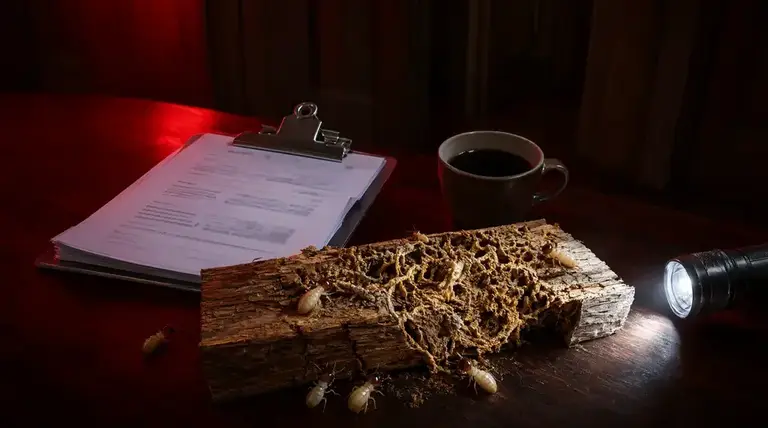
| Written report | None | Report to AS 4349.3 for timber pests |
| Insurance/warranty value | Not recognised | Accepted by insurers and warranty providers |
If a treatment is needed afterwards, only licensed technicians should apply chemical products in line with APVMA requirements — DIY sprays rarely reach nesting sites and can scatter infestations deeper into wall voids.
Pest Inspection Costs in Australia (2025–26)
Across the Australian market, a general pest inspection typically costs $150–$300, while a combined pre-purchase building and pest inspection usually runs $400–$600 depending on property size and location. Longer inspections cost more across the industry because you’re paying for a licensed technician’s time and expertise on site.
| Service | Typical market rate (AUD) | What’s included / notes |
|---|---|---|
| General pest inspection | $150–$300 | 45–60 min; cockroaches, spiders, ants, rodents; verbal findings plus basic notes |
| Termite Inspections & Reports | $250–$400 | 60–90 min; full timber pest inspection to AS 4349.3 with written report |
| Pre-Purchase Building & Pest Inspections | $400–$600 | 90 min–2.5 hrs; combined structural and pest report, usually delivered within 24 hours |
| Large/rural properties | $500–$800+ | Sheds, granny flats, fences and outbuildings add time and cost |
These figures reflect what the Australian industry generally charges — actual quotes vary between providers, regions and property types. Buyers should also read our Pre-Purchase Termite Inspection: What Every Buyer Must Know guide before signing a contract — a cheap, rushed inspection can cost you far more at settlement.
Here’s the good news: Aussie Pest Strike typically comes in well under these market rates, without cutting corners on thoroughness or reporting. For an exact quote tailored to your property, give us a call on [aps_phone] today.
Seasonal Pest Activity Across Australia
Pest pressure — and therefore inspection demand — peaks from October to April in most of Australia, when warmth and humidity drive termite swarms, ant activity and cockroach breeding. Northern regions see meaningful activity all year, while southern winters slow most pests but not rodents seeking warmth indoors.
Jan
Feb
Mar
Apr
May
Jun
Jul
Aug
Sep
Oct
Nov
Dec
Indicative pest activity across southern Australia: spring and summer (Oct–Mar) bring peak termite swarms, ants and cockroaches; winter dips except for rodents moving indoors. Northern Australia stays active year-round.
Booking your annual inspection in late winter or early spring — before the peak — means shorter wait times and a technician who can move through your property before swarm season complicates access.
“The inspections that go wrong are the rushed ones. Give me clear access to the subfloor and roof void, and 90 minutes on a typical home, and I’ll find what’s there. I’d rather spend an extra half hour tracing mud leads than have a client discover termites six months after we left.”
Book a professional pest inspection at least once a year — twice yearly if you’re in a high-risk termite zone or your home has a history of activity. Before the visit, clear access to the manhole, subfloor entry, garage and under-sink cupboards, secure pets, and trim vegetation touching external walls. Budget 90 minutes on site and never accept an inspection that takes less than 45 minutes on a full-sized home. If treatment is recommended, use licensed pest control technicians for any chemical application.
How Long Does a Pest Inspection Take? — FAQs
How often should I book a pest inspection?
Most Australian homes need a professional pest inspection at least once a year. In termite-prone regions such as Queensland, northern New South Wales and the Northern Territory, annual timber pest inspections are strongly recommended and sometimes required by insurers or warranties. Homes with previous activity may need checks every six months.
Do I need to leave the house during the inspection?
No — a pest inspection involves no chemicals, so you can stay home throughout. The technician will need access to every room, the roof void and the subfloor, so being available to unlock doors and point out concerns is helpful. If a treatment is booked afterwards, you may be asked to step out briefly while it’s applied.
How much does a pest inspection cost in Australia?
A general pest inspection typically costs $150–$300, while a combined building and pest inspection usually ranges from $400–$600 depending on property size and location. Aussie Pest Strike offers free inspections, so you can have a licensed technician assess your property and provide a clear quote with no upfront cost.
Not sure how long your property will take? Call Aussie Pest Strike on [aps_phone] to book your free inspection today. Our licensed technicians service homes and businesses across Australia, and we’ll give you a clear timeframe upfront, a thorough written report and honest advice on any treatment your property needs — no fluff, no pressure, just answers.
Sources & further reading
Found Something
Dangerous?
Don’t touch it. Don’t spray it. Keep kids and pets clear, take a photo from a safe distance, and call us — or book a free inspection and we’ll come to you.
02 7235 0050