Pest InspectionsBefore Auction: TheTiming Problem
Pest inspections before — Inspections — an auction pest inspection has to be done before the day you bid, because auction purchases in Australia are...
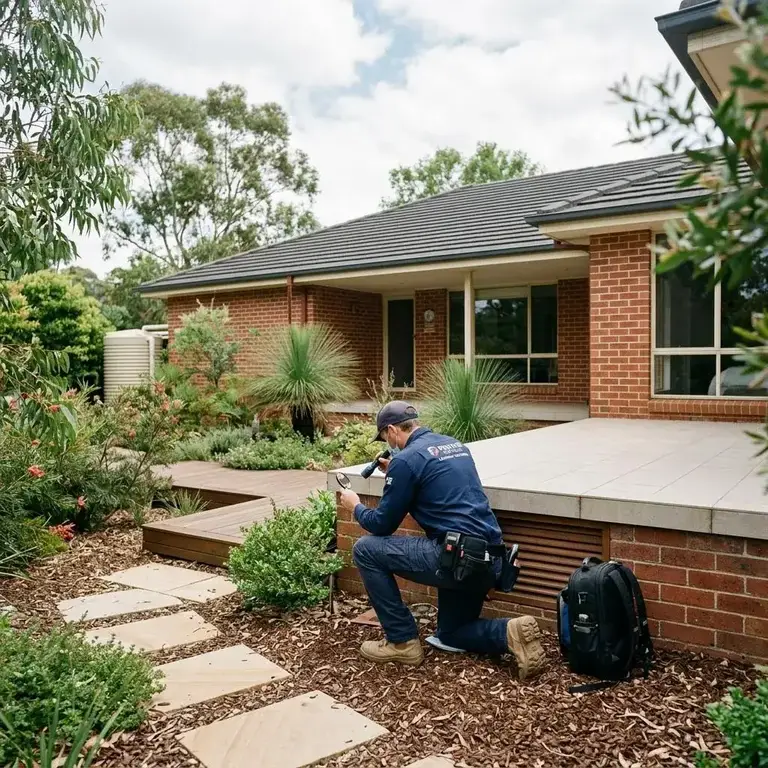
Pest inspections before auction are the only safety net an Australian bidder has, because auction sales are unconditional — no cooling-off period, no building-and-pest clause, no recourse after the hammer falls. If you’re a buyer (yes, u, the one raising a hand on auction day), the inspection must happen before you bid, not after. Get the timing wrong and you could own a home with active termites and no way out.
An auction pest inspection is a pre-purchase timber pest assessment, carried out to Australian Standard AS 4349.3, that identifies active termites, timber borers, fungal decay and conducive conditions in a property before an unconditional auction purchase. This guide explains the timing problem every auction buyer faces, how to manage the cost of inspecting homes you may never win, and how to turn a report into a confident bidding strategy — Australia-wide, from Brisbane Queenslanders to Melbourne brick veneer.
- Auction purchases in every Australian state are unconditional: cooling-off rights (such as the five-business-day period in NSW) are excluded, so the inspection must happen before you bid.
- Budget for reports on two to four properties; at a few hundred dollars each, the cost stacks up on homes you never buy.
- Book your inspection five to seven days before auction day so inspectors and specialist trades have availability.
- Independent reports are safer than vendor-supplied ones — the report is your only protection at auction.
- Set your maximum bid with the report in hand and subtract known repair or treatment costs before auction day.
Why Auction Pest Inspections Matter Across Australia
Auctions remove every contractual safety net, and Australia’s climate and housing stock make timber pests a genuine risk in almost every market. When you buy under private treaty you can make the sale conditional on a satisfactory report; at auction the fall of the hammer forms a binding contract on the spot.
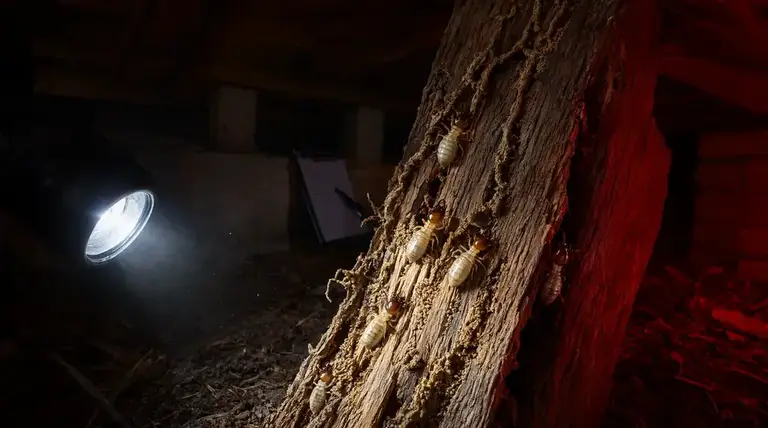
The risk profile shifts with housing type and region. Queenslanders and older weatherboard homes on stumps in Brisbane, Sydney’s inner west and regional NSW sit above humid subfloors that termites love — Coptotermes acinaciformis and Schedorhinotermes species are the usual suspects. Our guide to pest control in older Australian homes covers why pre-1990 housing carries the highest termite exposure. Even brick veneer homes on concrete slabs aren’t immune: termites enter through slab edges, weep holes and plumbing penetrations, often invisibly. And new builds aren’t exempt either — as we explain in pest control for new builds: what Australian owners miss, disturbed soil, landscaping against slab edges and bridged termite management systems create fresh entry points within a few years of construction. In warmer northern regions, termite pressure is year-round; in southern states it peaks through spring and summer but never truly disappears.
Warning Signs to Check Before You Book u In
Before you spend money on a formal report, a quick walk-through can tell you whether a property is a serious contender or an obvious walk-away. Look for these red flags at the open home — none replace a licensed inspection, but they help you decide where your inspection dollars go.
- Mud leads on foundations or stumps: pencil-width earthen tubes on brickwork, piers or subfloor walls are classic termite highways.
- Soft or hollow-sounding timber: tap skirtings, architraves and window frames; a papery or hollow sound suggests internal damage.
- Bubbling or rippled paint: termites eat timber from the inside, leaving a thin skin of paint that blisters.
- Sagging floors or sticking doors: can indicate structural timber damage, particularly in stump-and-subfloor homes.
- Conducive conditions: garden beds against walls, timber stored under the house, leaking taps, poor subfloor ventilation or blocked weep holes.
- Frass or fine wood dust: small pellets near skirtings can indicate borer activity in flooring or furniture-grade timbers.
- Recent patch-up renovations: fresh paint in isolated areas or new architraves in an otherwise dated home may conceal past damage.
DIY Walk-Through vs Professional Inspection
A DIY look-over costs nothing and helps you shortlist, but only a licensed inspector with the right tools can confirm what’s happening inside walls, subfloors and roof voids. Given that pest control decisions at auction are final, professional documentation is the only version that matters.
| Factor | DIY walk-through | Professional inspection |
|---|---|---|
| Cost | Free | A few hundred dollars per property |
| What’s covered | Visible surfaces only | Subfloor, roof void, interior, exterior, fences and outbuildings |
| Detection tools | Eyes and a torch | Moisture meters, thermal imaging, sounding tools |
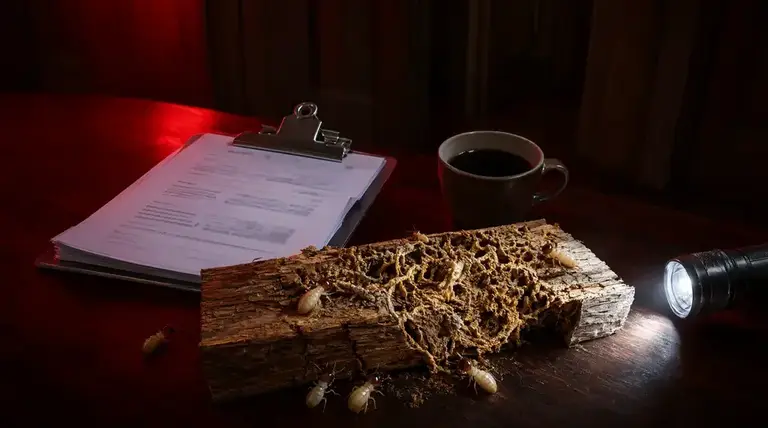
| Documentation | Your own notes | Written AS 4349.3 report for your conveyancer |
| Best use | Shortlisting properties | Final decision before bidding |
Pre-Auction Inspection Costs in 2025-26
Across the Australian market, buyers can typically expect to pay a few hundred dollars per property, with combined building-and-pest reports generally offering the best value for serious contenders. Because you may inspect three or four homes before winning one, many buyers reserve full reports for properties that clear their finance and location filters.
| Service | Typical market rate (AUD) | What’s included/notes |
|---|---|---|
| Standalone timber pest inspection (AS 4349.3) | $250 – $400 | Termites, borers, fungal decay, conducive conditions; written report |
| Combined building & pest inspection | $450 – $700 | Structural plus timber pest assessment; best value pre-auction |
| Large or multi-dwelling properties | $600 – $900+ | Acreage, Queenslanders with extensive subfloors, dual occupancies |
| Thermal imaging add-on | $80 – $150 | Non-invasive detection behind walls; useful where access is limited |
To manage the spend: inspect only serious contenders, book early in the campaign, and ask the agent whether a vendor or shared report exists — though an independent termite inspection and report is always safer than relying on a document commissioned by the seller.
The figures above reflect typical Australian market rates — Aussie Pest Strike typically comes in well under these prices, without cutting corners on the inspection itself. For an exact quote tailored to your property, call us on [aps_phone].
Seasonal Termite and Pest Pressure in Australia
Termite activity peaks in the warmer, wetter months — spring through autumn — when swarmers emerge and foraging intensifies, which coincides almost exactly with Australia’s busiest auction seasons. Spring and autumn are the biggest selling periods in most capital cities, so the properties you’re bidding on are at peak pest pressure.
Jan
Feb
Mar
Apr
May
Jun
Jul
Aug
Sep
Oct
Nov
Dec
Indicative termite pressure across southern Australia; northern and coastal Queensland activity remains high year-round. Note how the October–December auction surge overlaps with peak swarming season.
Making the Report Count on Auction Day
Your report should translate directly into a bidding decision: bid, adjust your ceiling, or walk away. Because there is no negotiating after the hammer, every finding must be priced into your maximum bid beforehand.
| Result before auction | Sensible response |
|---|---|
| Clear report | Bid with confidence to your set limit |
| Minor conducive conditions | Factor repair cost into your maximum bid |
| Active termites or major damage | Walk away, or bid only at a heavily reduced ceiling |
Choose a thorough inspection that follows AS 4349.3 — a pre-purchase building and pest inspection gives you the documented findings your conveyancer needs. For older or bushland-fringe homes, pair it with the guidance in our pre-purchase termite inspection: what every buyer must know resource, since Coptotermes and Schedorhinotermes activity is common in those settings. Share the report with your building inspector or conveyancer before auction day so they can flag anything that changes your walk-away price while you still have time to react. If active termites are found, treat that as a hard cap rather than a negotiating point — and if treatment is needed post-purchase, engage licensed technicians for any chemical application.
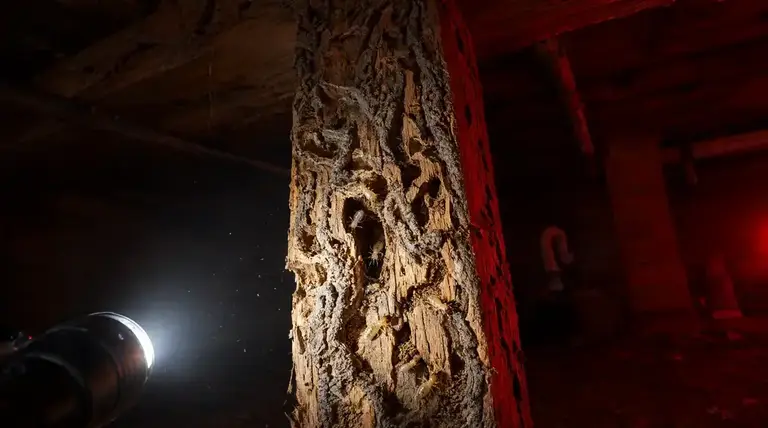
The buyers who get burnt at auction are the ones who saved $350 by skipping the report. We regularly inspect homes where termites have been active in the subfloor for years with nothing visible at ground level. A week of lead time and a proper inspection is the cheapest insurance in Australian property.
Shortlist hard, then book an independent AS 4349.3 inspection five to seven days before auction on any property you intend to bid on. Set your maximum bid only after reading the report, subtract known repair or treatment costs, and never rely solely on a vendor-supplied document.
Frequently Asked Questions
Why do I need a pest inspection before an auction rather than after?
Auction sales in every Australian state are unconditional. The fall of the hammer forms a binding contract on the spot, with no cooling-off period and no building-and-pest clause, so there is no opportunity to inspect or withdraw afterwards. If you bid without a report, you could own a home with active termites and no way out. The inspection must happen before auction day, while you can still adjust or abandon your bidding plans.
What does a pre-auction pest inspection cover under AS 4349.3?
An auction pest inspection is a pre-purchase timber pest assessment carried out to Australian Standard AS 4349.3. It identifies active termites, timber borers, fungal decay and conducive conditions such as garden beds against walls, timber stored under the house, leaking taps, poor subfloor ventilation or blocked weep holes. A licensed inspector checks the subfloor, roof void, interior, exterior, fences and outbuildings using tools like moisture meters, thermal imaging and sounding equipment.
When should I book my pest inspection before auction day?
Book your inspection five to seven days before the auction. This lead time gives inspectors and any specialist trades enough availability, and leaves you time to read the written report, share it with your conveyancer or building inspector, and set your maximum bid before auction day. Booking early in the campaign also helps you manage costs across multiple properties you may be considering.
How many properties should I get inspected before an auction, and what will it cost?
Plan on inspecting two to four properties before an auction, since you may miss out on your first choice and need backups ready. Reserve full timber pest and combined building-and-pest reports for serious contenders that pass your finance and location filters, and use quicker visual checks to narrow the field early so you are not paying for reports on homes you would never bid on.
Should I rely on a vendor-supplied pest report before bidding at auction?
No. An independent termite inspection and report is always safer than relying on a document commissioned by the seller. At auction, the report is your only protection, since there is no negotiating or recourse after the hammer falls. You can ask the agent whether a vendor or shared report exists as a starting point, but commission your own independent AS 4349.3 assessment before setting your maximum bid.
What warning signs of timber pests can I check for myself at the open home?
Look for mud leads (pencil-width earthen tubes) on foundations, stumps or subfloor walls; soft or hollow-sounding skirtings, architraves and window frames; bubbling or rippled paint; sagging floors or sticking doors; frass or fine wood dust near skirtings; conducive conditions like garden beds against walls or blocked weep holes; and recent patch-up renovations that may conceal past damage. These help you shortlist but never replace a licensed inspection.
Which Australian homes face the highest termite risk before auction?
Pre-1990 housing carries the highest exposure. However, brick veneer homes on concrete slabs are not immune, as termites enter through slab edges, weep holes and plumbing penetrations, often invisibly. New builds can develop entry points within a few years through disturbed soil and bridged termite management systems.
How do I use the pest report to set my maximum bid at auction?
Translate the report into one of three decisions: bid, adjust your ceiling, or walk away. With a clear report, bid confidently to your set limit. For minor conducive conditions, factor the repair cost into your maximum bid. If active termites or major damage are found, walk away or bid only at a heavily reduced ceiling, treating it as a hard cap rather than a negotiating point. Subtract known repair or treatment costs before auction day.
What happens during Aussie Pest Strike's pre-auction pest inspection process?
The inspection follows AS 4349.3 and covers the subfloor, roof void, interior, exterior, fences and outbuildings, using tools such as moisture meters, thermal imaging and sounding equipment to detect activity hidden behind surfaces. You receive a written report suitable for your conveyancer, identifying active termites, borers, fungal decay and conducive conditions. Book five to seven days before auction so findings arrive in time to shape your maximum bid.
How do I arrange an independent inspection with Aussie Pest Strike before I bid?
Shortlist hard first, then contact Aussie Pest Strike early in the campaign to book an independent AS 4349.3 inspection on any property you intend to bid on, ideally five to seven days out from auction day. Once you receive the written report, share it with your conveyancer or building inspector, subtract known repair or treatment costs from your budget, and only then set your maximum bid for auction day.
Sources & further reading
Found Something
Dangerous?
Don’t touch it. Don’t spray it. Keep kids and pets clear, take a photo from a safe distance, and call us — or book a free inspection and we’ll come to you.
02 7235 0050