Your AnnualPestInspection Calendar
Your Annual Pest Inspection Calendar: Your Annual Pest Inspection Calendar. Your annual pest — an annual pest inspection should be timed to the pests most...
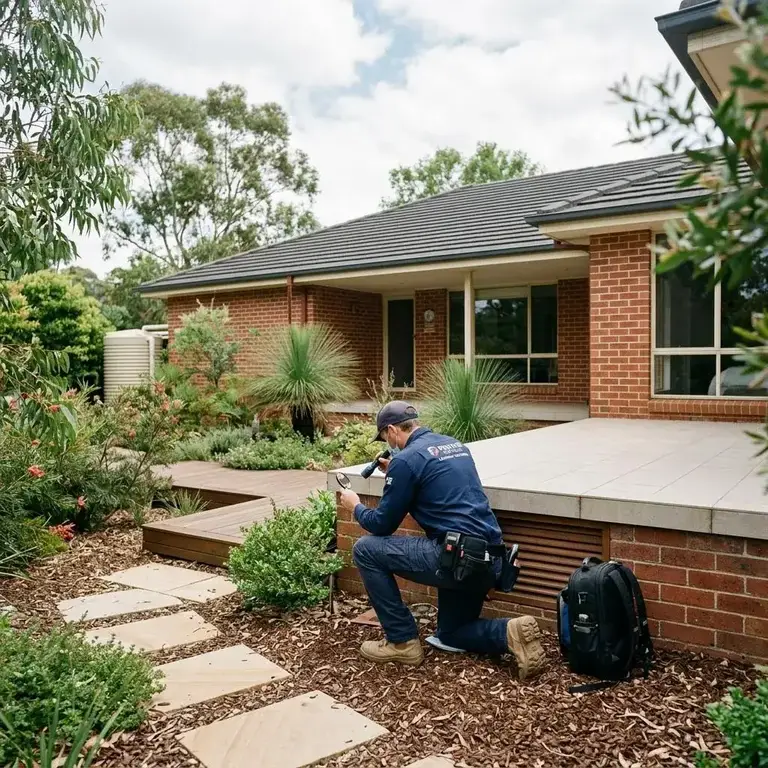
Your annual pest inspection calendar is the single most useful tool an Australian homeowner can have for staying ahead of termites, rodents and crawling pests before they cost you thousands. An annual pest inspection — a scheduled, professional check of your property for timber pests and general pest activity, typically following Australian Standard AS 4349.3 — should be timed to the pests most active in your region. As a baseline, every Australian home benefits from one full timber pest inspection each year plus seasonal checks in spring and autumn, and the “n” most owners forget is simply booking it before damage appears, not after.
Below is a month-by-month annual pest inspection calendar you can pin to the fridge, built around Australia’s climate and the breeding cycles of our most common pests. Whether you own a weatherboard Queenslander on stumps, a brick veneer on a concrete slab, or a new build in a growth corridor, the timing principles are the same — only the intensity changes. Good pest control starts with knowing when to look.
- Book your full timber pest inspection in late winter or early spring, before the December–February termite feeding peak.
- High-risk homes (near gum trees, coastal QLD and northern NSW) should be inspected every six months, not annually.
- Termite protection warranties under AS 3660.2 usually require documented annual inspections to stay valid.
- Spring and autumn spot-checks catch swarming termites, wasp nests and rodent entry attempts early.
- An inspection finds problems; combine it with treatment or baiting for real, year-round protection.
Why Annual Timing Matters in Australian Climates (n)
Timing matters because Australian pests breed on a predictable seasonal clock, and inspecting just before each peak lets you act while problems are still small. Termites remain active year-round in warmer states, but their foraging and swarming intensify as soil temperatures climb above 25°C — which across most of the eastern seaboard means October onwards.
Booking your main annual pest inspection in late winter or early spring means any problem is caught before the peak feeding months of December to February. Waiting until you see damage usually means the colony has been established for months or years. Housing style shifts the risk profile too: homes on a suspended subfloor give termites concealed entry via stumps and ant caps, while slab-on-ground construction funnels them toward weep holes, slab edges and plumbing penetrations. Older weatherboard and hardwood-framed homes present the richest food source — which is exactly why pest control in older Australian homes demands a tighter inspection rhythm than a modern rendered brick veneer.
Warning Signs You Shouldn’t Wait for the Calendar
The calendar is your baseline, but certain warning signs mean you should book an inspection immediately rather than waiting for your scheduled month. Treat any of the following as a trigger to call a licensed inspector straight away.
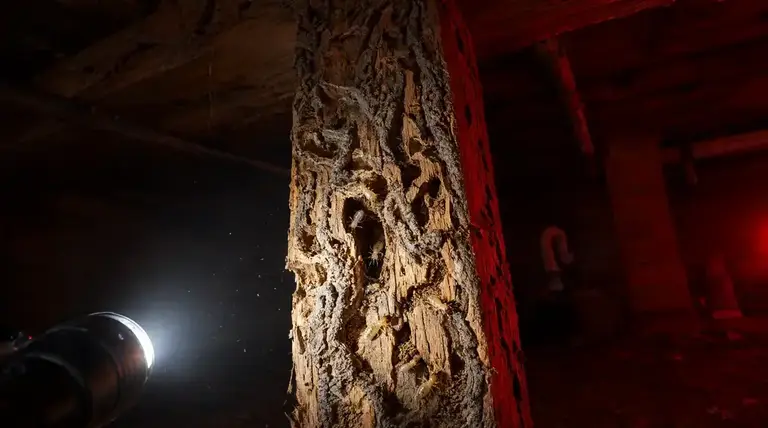
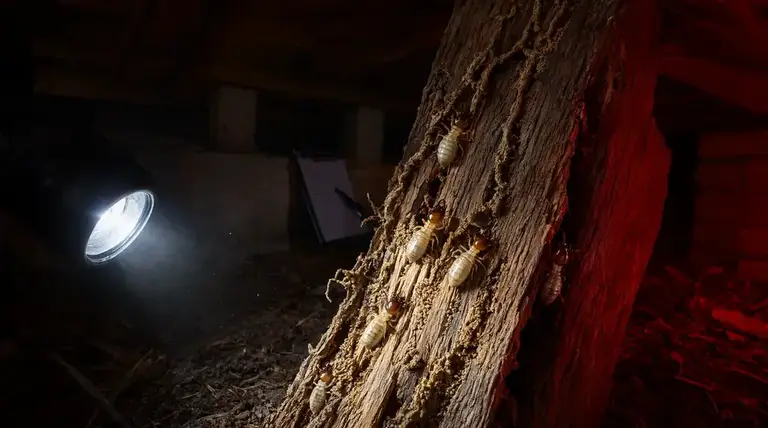
- Mud leads on foundations or stumps: pencil-width earthen tubes on brickwork, piers or inside the subfloor indicate active subterranean termite movement.
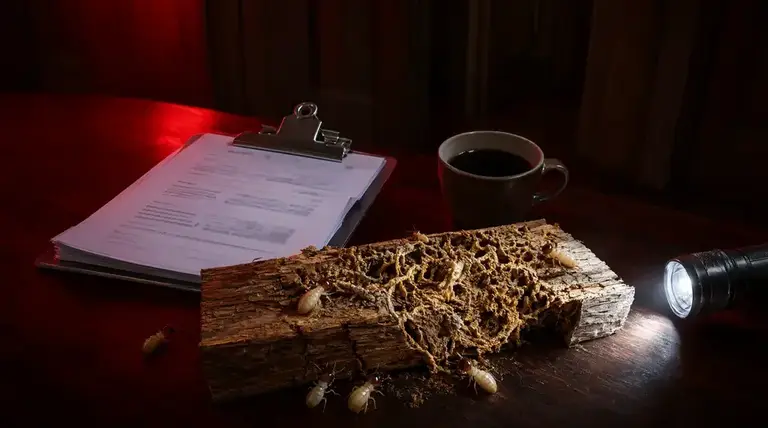
- Hollow-sounding or papery timber: skirtings, door frames or window sills that sound empty when tapped, or that dimple under light pressure.
- Discarded wings near windowsills: a sign termite alates have swarmed and possibly established a new colony nearby.
- Droppings in cupboards or the roof void: small dark pellets point to rodent activity, especially through autumn and winter.
- Fine sawdust-like frass: piles of granular material beneath timber can indicate borer or drywood termite activity.
- Unexplained moisture or bubbling paint: termites bring moisture into walls; thermal imaging during a professional inspection confirms it.
- Wasp activity under eaves or in the garden: small spring nests are easy to remove; summer nests are not.
DIY Checks vs a Professional Annual Pest Inspection
DIY walk-arounds are a valuable supplement between professional visits, but they cannot replace a licensed inspector’s tools, training or the documented report your warranty and insurance may depend on. Here’s how the two compare honestly.
| Factor | DIY seasonal check | Professional inspection |
|---|---|---|
| Coverage | Accessible areas only — yard, eaves, visible skirtings | Roof void, subfloor, interior, exterior and garden per AS 4349.3 |
| Detection tools | Torch and eyes | Moisture meters, tapping, thermal imaging |
| Documentation | None — not recognised by warranties | Written report valid for warranties and insurance |
| Cost | Free, but missed activity can cost thousands | Typically $200–$450 depending on property size |
| Best use | Monthly spot-checks between visits | The annual (or six-monthly) cornerstone inspection |
Anything involving chemical treatment should always be handled by a licensed technician using APVMA-registered products applied to label directions — no treatment is risk-free, and correct product selection depends on the pest, the construction type and your household.
What Each Visit Covers
A professional annual pest inspection is far more than a walk-around. Following AS 4349.3, the inspector systematically works through the roof void, subfloor, interior, exterior and garden using moisture meters, tapping and thermal tools.
- Roof void: checking timbers, insulation and rodent evidence.
- Subfloor: moisture, ventilation and termite mud leads.
- Exterior: weep holes, timber-to-ground contact and drainage.
If you’re buying rather than maintaining, the same discipline applies before contracts go unconditional. Dedicated termite inspections & reports give you a documented picture of current activity and past damage, while pre-purchase building & pest inspections bundle structural and timber pest findings into one report. Our pre-purchase termite inspection guide walks buyers through what every report must contain. And don’t assume a new home is exempt — pest control for new builds catches the gaps owners routinely miss, from breached slab perimeters to landscaping bridging the barrier.
Annual Pest Inspection Costs in Australia (2025–26)
Across the Australian pest control industry, a standard annual timber pest inspection typically sits between $200 and $450, with combined services costing more but often delivering better value. These are the going market rates nationally — what most providers generally charge — and they shift with property size, construction type and access to subfloors and roof voids.
| Service | Typical market rate (AUD) | What’s included/notes |
|---|---|---|
| Annual timber pest inspection | $200–$450 | Full AS 4349.3 inspection with written report; higher end for large or subfloor homes |
| Combined building & pest inspection | $400–$800 | Structural plus timber pest reporting; common for pre-purchase |
| General pest treatment (cockroach, ant, spider) | $180–$350 | Internal and external spray; seasonal scheduling recommended |
| Rodent baiting program | $150–$350 | Lockable stations and follow-up visits; best started in autumn |
| Termite barrier or baiting system install | $1,500–$4,500+ | Varies with perimeter length and soil type; requires ongoing annual inspections |
One thing worth knowing before you book: Aussie Pest Strike typically comes in well under these market rates, with no corners cut on AS 4349.3-compliant reporting. For an exact quote tailored to your property, give the team a call on [aps_phone].
Seasonal Pest Activity Across Australia
Pest pressure peaks in the warm months and troughs through winter, which is why winter is the smart window for your full annual inspection — inspectors are more available, and any activity found can be treated before the summer feeding surge. The chart below shows typical combined pest activity by month across temperate and subtropical Australia.
Jan
Feb
Mar
Apr
May
Jun
Jul
Aug
Sep
Oct
Nov
Dec
Combined pest activity builds from September, peaks December–February (ants, cockroaches, spiders, termite feeding), then declines through autumn as rodents begin seeking indoor shelter. Winter lows make June–August ideal for the full annual timber pest inspection.
Translated into a fridge-door calendar: late summer (February) is when ant, cockroach and spider activity peaks; autumn (March–May) is rodent-proofing season; winter (June–August) hosts the full annual termite inspection under low pest cover; and spring (September–November) brings termite swarms, wasp nests and the spider surge. Spring is the critical window — subterranean termite alates take flight and wasp queens start nests, so a check in September or October lets you act before summer.
The homes that cost owners the most are never the ones inspected too often — they’re the ones where someone skipped two or three years. Termites don’t take a year off, and neither should your inspection schedule. Anchor it to a date you’ll never forget and the job does itself.
Book one full timber pest inspection in late winter or early spring, add a spring spot-check in September–October and an autumn rodent check in March–April, and anchor the main inspection to a fixed date such as the start of the financial year. If your home sits near large gum trees or in a known termite hotspot along the Queensland or northern NSW coast, shorten the cycle to every six months — and remember that warranties under AS 3660.2 almost always require documented annual inspections to remain valid, so a missed year can quietly void years of cover.
FAQ: Your Annual Pest Inspection Calendar
How often should I have a pest inspection in Australia?
At least once a year for a full timber pest inspection, and every six to twelve months in high-risk termite zones such as coastal Queensland and bushland-fringe suburbs. Annual inspections also align with most termite protection warranties, so skipping a year can void your cover and leave you exposed if termites strike.
What is the best time of year for a pest inspection?
Late winter to early spring is the ideal window because it catches termite activity before the summer feeding peak and leaves time to treat any findings. Autumn is the next best window, particularly for pre-winter rodent proofing, while spring checks pick up swarming termites and new wasp nests early.
Does an annual inspection replace ongoing pest treatment?
No, an inspection identifies problems but does not prevent them, so it works best combined with baiting, barriers or a seasonal treatment plan. Think of the inspection as the health check and treatment as the ongoing care — you need both working together for genuine year-round protection.
Ready to lock in this year’s check? Call Aussie Pest Strike on [aps_phone] to schedule your annual inspection at the right time for your climate and construction type, with a free on-site inspection and quote to get you started. Book today and put your pest calendar on autopilot.
Sources & further reading
Found Something
Dangerous?
Don’t touch it. Don’t spray it. Keep kids and pets clear, take a photo from a safe distance, and call us — or book a free inspection and we’ll come to you.
02 7235 0050