Pest Controlin OlderAustralian Homes
Pest control in — Pest control older — Heritage homes — older Australian homes carry far higher pest risk than new builds because of untreated timber, poor...
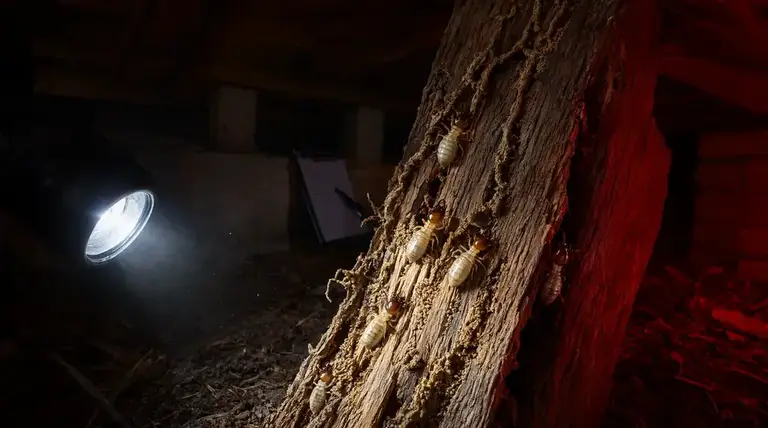
Older Australian homes face far higher pest pressure than new builds, and old house pests — particularly subterranean termites and wood borers — are the single biggest threat to both the structure and value of heritage and weatherboard properties across Australia. Put simply: old house pests are the insects, rodents and other invaders that exploit the untreated timber, poor sub-floor ventilation and decades of small gaps found in pre-1990s housing, and they often go unnoticed for years.
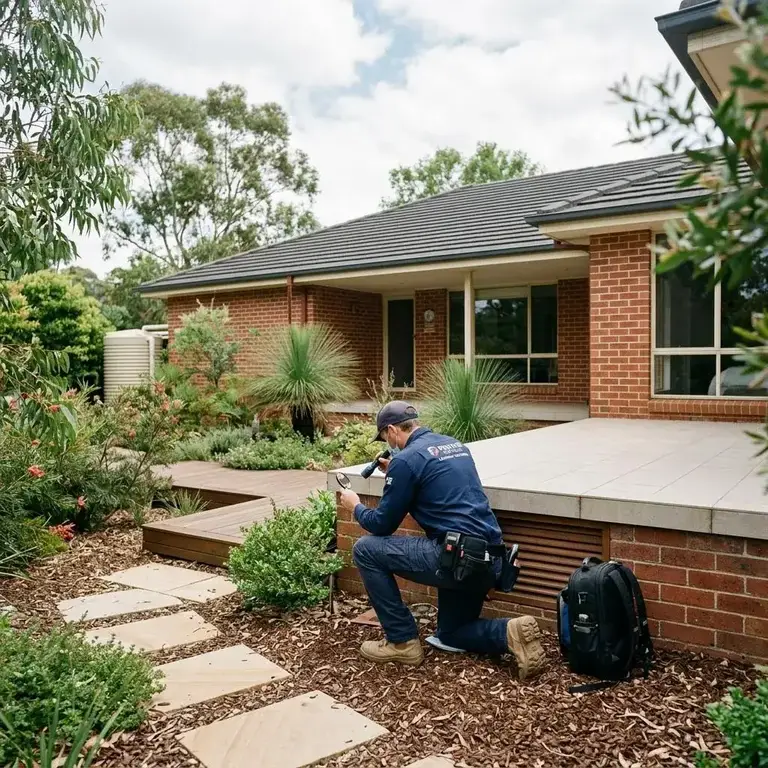
Homes built before modern construction standards rarely have physical or chemical termite barriers, and many pre-1970s houses used hardwood stumps and bearers that become vulnerable once weathered. If you own — or are buying — a character home, understanding these risks is the first step in protecting an irreplaceable asset. This guide covers the warning signs, realistic costs, seasonal patterns and when professional pest control is the only sensible option.
- Older Australian homes lack the modern termite barriers required in new construction, making annual professional inspections essential.
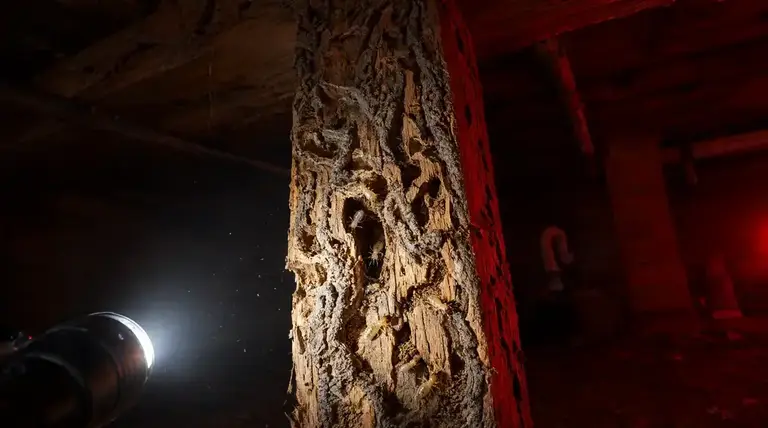
- Termites and borers cause the most structural damage in aged timber and are often invisible until the loss is advanced.
- Sub-floor ventilation and moisture control are the cheapest, most effective preventive measures for heritage properties.
- Professional Termite Inspections & Reports typically cost $250–$400 AUD — a small outlay against five-figure repair bills.
- Buying an older property? Never skip a Pre-Purchase Building & Pest Inspection.
Why Old House Pests Thrive in Older Australian Homes
Older homes attract pests because they offer exactly what termites, borers, rodents and cockroaches need: timber in ground contact, damp concealed spaces and dozens of unsealed entry points. Australia’s climate compounds the problem — the warm, humid conditions across Queensland, New South Wales and northern coastal regions are ideal for subterranean termites year-round, while the temperate south still sees heavy rodent and spider pressure through autumn and winter.
Housing style matters too. Elevated Queenslanders and weatherboard cottages sit on timber stumps with sub-floors that were designed for generous airflow — airflow that has often been blocked by later decks, garden beds or built-up soil. Brick veneer homes from the 1950s–80s hide deep wall cavities that harbour rodents and cockroaches, and slab-on-ground homes can still be breached through weep holes, pipe penetrations and slab edge cracking. It’s worth noting that pest control for new builds starts with mandatory barriers from day one — older homes simply never had that head start, which is why they need active, ongoing management instead.
The high-risk features
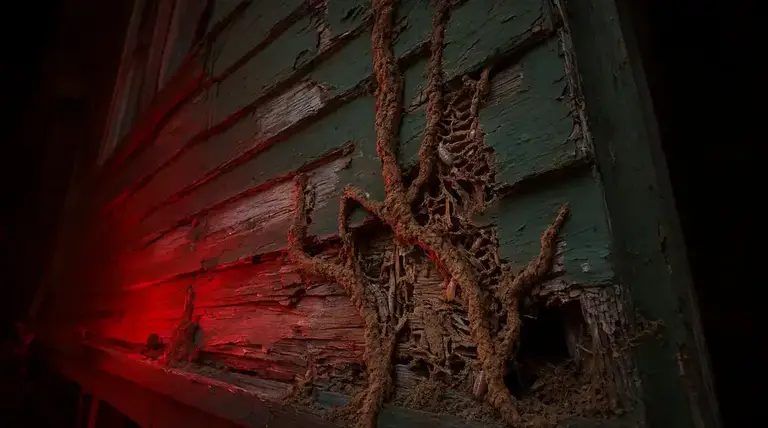
- Weatherboard cladding — direct timber-to-ground contact is a classic termite pathway.
- Timber stumps and sub-floors — poorly ventilated, damp and out of sight.
- Original hardwood framing — prone to borer (Anobium) attack over decades.
- Deep wall cavities — harbour rodents, spiders and cockroaches.
Warning Signs of Old House Pests
The clearest warning signs of old house pests are mud tubes on stumps or walls, hollow-sounding timber, fine borer dust and night-time roof noise. Because aged timber is often attacked from the inside out, surface damage frequently appears only after significant structural loss — so treat any single sign below as reason enough to book an inspection.
- Mud tubes or leads — pencil-width earthen tunnels on stumps, piers, brickwork or slab edges signal subterranean termites.
- Hollow or papery timber — skirtings, architraves and floorboards that sound empty when tapped.
- Fine powder and exit holes — borer frass and 1–2 mm flight holes in old hardwood or furniture.
- Droppings and gnaw marks — rodents chewing wiring and insulation in roof and wall cavities.
- Night noise in the roof — thumping and scratching after dark often means possums or rats.
- Sagging floors or sticking doors — advanced termite or fungal damage distorting frames.
- Discarded wings near windowsills — evidence of a termite swarm (alates) in or near the home.
DIY vs Professional Pest Control for Old House Pests
DIY methods can handle minor spider or cockroach issues, but old house pests like termites and borers require professional equipment, licensed chemicals and knowledge of period construction. Surface sprays and hardware-store baits treat symptoms, not the colony or infestation source hidden inside stumps and wall cavities.
| Factor | DIY approach | Professional treatment |
|---|---|---|
| Detection | Visual checks only; concealed activity easily missed | Moisture metres, thermal imaging and sounding tools find hidden activity |
| Termites | Cannot legally install chemical barriers; risk of scattering the colony | Licensed technicians install APVMA-approved soil barriers and baiting systems |
| Borers | Surface sprays rarely penetrate infested timber | Targeted timber treatments and moisture management |
| Rodents & possums | Trapping without exclusion usually fails; possums are protected and must be handled lawfully | Exclusion proofing plus lawful possum removal |
| Heritage sensitivity | Drilling and patching can damage original fabric | Technicians experienced with period construction minimise disturbance |
| Warranty | None | Service warranties and documented reports for insurers and buyers |
What Pest Control Costs for Older Homes in 2025–26
Across the Australian pest control industry, a general treatment for an older home typically starts at around $250, while a full termite barrier installation can reach $3,000 or more, depending on construction type and property size. Heritage and elevated homes often sit at the higher end of these market rates because sub-floor access and perimeter treatment take longer. The table below shows what the industry generally charges nationwide — always get a written quote for your specific property.
| Service | Typical Australian market rate (AUD) | What’s included/notes |
|---|---|---|
| Timber pest / termite inspection | $250–$400 | Full inspection to Australian Standard with written report; sub-floor and roof void where accessible |
| Pre-purchase building & pest inspection | $400–$650 | Combined structural and timber pest assessment before contract — see our pre-purchase termite inspection guide |
| General pest treatment (cockroaches, spiders, ants) | $200–$350 | Internal/external spray, roof void and sub-floor dusting; older homes often need the larger-property rate |
| Rodent treatment & exclusion | $250–$550 | Baiting program plus entry-point proofing; exclusion work quoted separately for large cavities |
| Chemical termite barrier (perimeter) | $1,500–$3,500 | Trench-and-treat or drilling around slab/stumps; reticulation systems available for minimal disturbance |
| Termite baiting / monitoring system | $1,800–$3,000 installed + $300–$500/yr monitoring | Often preferred where drilling heritage fabric isn’t appropriate |
| Possum removal & proofing | $250–$600 | Lawful removal with one-way doors and roof entry sealing |
These figures are typical Australian market rates — and Aussie Pest Strike typically comes in well under them. For an exact quote on your property, give us a call on [aps_phone] and we’ll lock in a written price before any work starts.
Seasonal Pest Activity in Older Australian Homes
Pest pressure in older homes peaks from spring through autumn, when termites swarm, borers emerge and general insect activity surges — but rodents invade roof cavities hardest in late autumn and winter. Termites remain active year-round in warm, humid regions, so an annual inspection timing matters less than simply not skipping one.
Jan
Feb
Mar
Apr
May
Jun
Jul
Aug
Sep
Oct
Nov
Dec
Typical combined pest pressure for older Australian homes: termite swarming and borer emergence peak in late spring (Oct–Nov), rodents push indoors May–Aug, and humid northern regions see elevated termite activity in every month.
In twenty years of inspecting weatherboard and heritage homes, the worst termite damage I’ve seen was always in properties that “looked fine” from the outside. The owners who fare best are the ones who treat an annual inspection like a rates bill — non-negotiable. Moisture control under the house does more for an old home than any spray ever will.
Book a professional timber pest inspection at least annually — every six months in high-risk humid regions — and pair it with a termite management system suited to your construction type. Restore sub-floor ventilation, fix leaking taps, downpipes and shower recesses, and seal entry gaps with discreet mesh. If you’re buying, run through our Pre-Purchase Pest Inspection: The Complete Buyer’s Checklist before signing anything. Chemical treatments should always be applied by licensed technicians using APVMA-registered products.
Frequently Asked Questions
Why are older Australian homes more vulnerable to termites than new builds?
Homes built before modern construction standards rarely have physical or chemical termite barriers, which are mandatory in new builds. Many pre-1970s houses also used hardwood stumps and bearers that become vulnerable once weathered, and weatherboard cladding often sits in direct timber-to-ground contact — a classic termite pathway. Without that head start, older homes need active, ongoing management rather than relying on built-in protection.
What are the warning signs of pests in an old house?
Key warning signs include pencil-width mud tubes on stumps, piers or brickwork; hollow or papery-sounding timber when tapped; fine borer dust and 1–2 mm flight holes in old hardwood; rodent droppings and gnaw marks on wiring; night-time thumping or scratching in the roof from possums or rats; sagging floors or sticking doors; and discarded wings near windowsills from a termite swarm. Any single sign warrants a professional inspection.
Which features of heritage and weatherboard homes attract pests most?
High-risk features include weatherboard cladding with timber-to-ground contact, timber stumps and sub-floors that are damp and poorly ventilated, original hardwood framing prone to borer attack over decades, and deep wall cavities in brick veneer homes from the 1950s–80s that harbour rodents, spiders and cockroaches. Sub-floor airflow is often blocked by later decks, garden beds or built-up soil, creating ideal conditions for concealed pest activity.
Can I treat termites or borers in an old home myself?
DIY methods can handle minor spider or cockroach issues, but termites and borers require professional equipment, licensed chemicals and knowledge of period construction. Hardware-store sprays and baits treat symptoms rather than the colony hidden inside stumps and wall cavities. Chemical barriers cannot legally be installed by homeowners, and disturbing a colony risks scattering it, so professional treatment is the sensible option for these pests.
How much does pest control cost for an older Australian home?
Costs vary with the home's age, construction and the pests involved. A timber pest inspection, general pest treatment, rodent work or a termite barrier each carry different price ranges, and heritage-listed or elevated homes often cost more because sub-floor access and detailed perimeter work take longer. The best approach is to arrange an inspection of your specific property and request a written quote that itemises the treatment recommended.
When should I book a pest inspection for my older home?
Book a professional timber pest inspection at least annually, and every six months in high-risk humid regions such as Queensland and northern coastal areas where termites stay active year-round. Pest pressure peaks from spring through autumn when termites swarm and borers emerge, while rodents invade roof cavities hardest from May to August. Timing matters less than simply not skipping the inspection altogether.
What can I do to prevent pests in a heritage or weatherboard home?
Moisture control under the house does more than any spray: restore sub-floor ventilation, fix leaking taps, downpipes and shower recesses, and seal entry gaps with discreet mesh. Keep garden beds and built-up soil away from stumps and walls to maintain airflow. Pair these measures with an annual professional inspection and a termite management system suited to your construction type, such as baiting where drilling heritage fabric isn't appropriate.
Should I get a pest inspection before buying an older property?
Yes — never skip a pre-purchase building and pest inspection when buying a character home. A combined structural and timber pest assessment before contract can reveal concealed termite or borer damage that surface checks miss, since aged timber is often attacked from the inside out. Given five-figure repair bills are possible, the inspection outlay is small against the risk of inheriting serious structural problems.
How can Aussie Pest Strike tell whether roof noise is rats or possums?
Aussie Pest Strike technicians can distinguish between rats and possums by the timing and character of roof noise, droppings, entry points and other evidence found during an inspection. This matters because possums are protected and must be handled lawfully, typically with one-way doors and roof entry sealing, while rodents need a baiting program plus exclusion proofing. Correct identification ensures the right lawful treatment approach for your older home.
What's the best next step if I've spotted mud tubes on my stumps?
Book a professional timber pest inspection promptly. Aussie Pest Strike uses moisture metres, thermal imaging and sounding tools to find concealed activity that visual checks miss, then provides a documented report suited to period construction. From there, they can recommend a termite management system appropriate for your home — such as baiting or monitoring where drilling heritage fabric isn't suitable — alongside moisture and ventilation improvements under the house.
Sources & further reading
Found Something
Dangerous?
Don’t touch it. Don’t spray it. Keep kids and pets clear, take a photo from a safe distance, and call us — or book a free inspection and we’ll come to you.
02 7235 0050