Negotiating Aftera BadPest Report
Negotiating after a — Negotiating bad pest — a bad pest report is one of the strongest bargaining tools an Australian buyer has: you can renegotiate the...
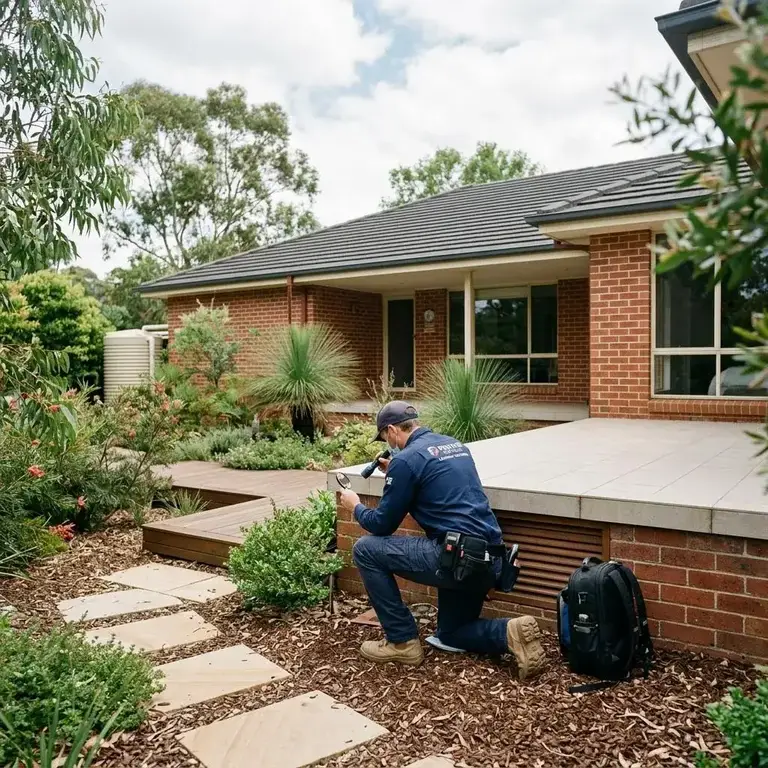
A bad pest report can feel like the end of a property purchase, but in Australian real estate it often starts a pest report negotiation. Using documented findings — active termites, borer damage, decayed subfloor timbers or conducive conditions — buyers may seek a price reduction, repairs before settlement, or, where the contract permits, walk away with their deposit intact.
The buyers who come out ahead are the ones who replace fear with figures. Whether the report flags Coptotermes acinaciformis in a Brisbane Queenslander or borer in a Melbourne brick veneer, the process is the same: understand the findings, get written quotes from licensed trades, and present a calm, evidence-led request within your contract’s inspection window. This guide walks you through each step, with realistic 2025-26 Australian costs and the legal levers available in most states.
- Negotiating after a bad pest report works best when every claim is backed by the written report and licensed trade quotes, not emotion.
- Separate findings into structural, conducive and cosmetic — only the first two justify serious money off the price.
- Your options include a price reduction, seller-completed repairs, a retention/holdback, or rescinding the contract where the clause permits.
- Building and pest conditions typically run 7–14 business days — miss the window and you lose your leverage.
- Termite treatment and damage repairs in Australia typically range from a few hundred dollars for minor conducive fixes to $10,000+ for structural rectification.
Why pest report negotiation matters after bad results across Australia
Pest findings are common in Australian pre-purchase inspections because our climate and housing stock are unusually pest-friendly, which means buyers who know how to negotiate hold a genuine advantage. Warm, humid conditions across Queensland, northern New South Wales, Western Australia and the Northern Territory drive year-round termite pressure, while temperate southern states still see heavy activity from species like Coptotermes acinaciformis and Schedorhinotermes during the warmer months.
Housing style shapes the risk. Older Queenslanders and weatherboard homes on stumps offer subfloor timber contact and ventilation issues that termites and wood-decay fungi love. Post-war brick veneer homes on concrete slabs are not immune — slab-edge concealment lets termites enter unseen. Even brand-new estates see disputes over missed physical barriers or non-compliant termite management systems, which is why our guides on pest control in older Australian homes and pest control for new builds both stress independent inspections before settlement.
Because findings are so common, sellers and agents expect negotiation. A buyer who presents quotes calmly is taken seriously; a buyer who panics is not.
Warning Signs in a Pest Report That Justify Negotiation
The report findings worth negotiating over are those that affect structural integrity, safety or future treatment costs — not every note in the document. Before you approach the seller, rank each finding by severity so your request targets what genuinely matters.
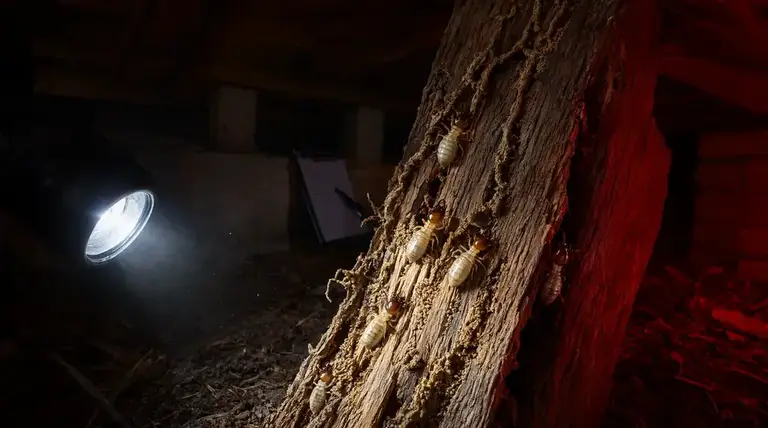
- Active termite workings or live termites — the strongest possible leverage, especially Coptotermes acinaciformis, Australia’s most destructive species.
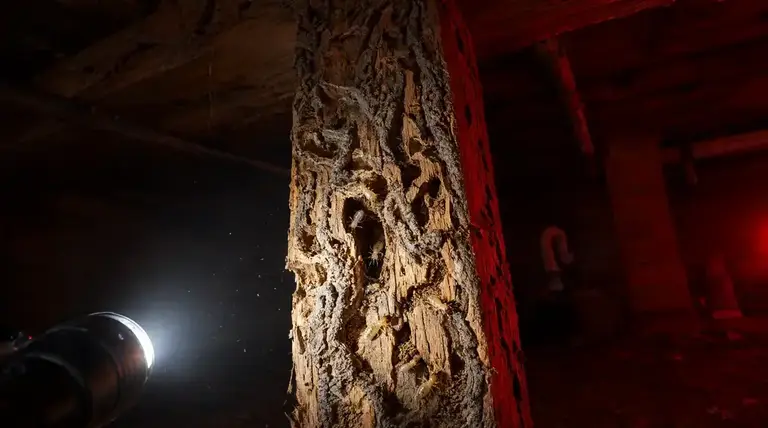
- Structural timber damage — compromised bearers, joists, wall plates or roof timbers that need a builder, not just a pest technician.
- Extensive borer damage — powderpost beetles or furniture beetles causing real timber loss, not just a few old flight holes in a fence paling.
- Wood decay (fungal rot) — decayed subfloor timbers from poor ventilation or drainage, common in older stumped homes.
- Conducive conditions — timber in ground contact, leaking gutters, poor subfloor ventilation, garden beds against weep holes; fixable but quotable.
- Evidence of past treatment with no documentation — unclear history changes the risk profile and justifies further investigation.
Cosmetic items — superficial staining, minor surface marks, a treated and long-dead section of fence — rarely justify a discount, and including them weakens your credibility. If you are unsure whether damage is historic or active, a dedicated termite inspection and report will clarify it before you put a number on the table.
DIY vs Professional Negotiation: Should You Handle It Yourself?
You can negotiate directly with the agent yourself, and many buyers do — but complex or high-value findings usually justify professional support from your conveyancer and licensed inspectors. The comparison below shows where each approach fits.
| Factor | DIY negotiation | Professional support |
|---|---|---|
| Cost | Free, beyond inspection and quote costs | Conveyancer/solicitor time, possibly a second inspection ($250–$600) |
| Best for | Minor findings, conducive conditions, small price adjustments | Active termites, structural damage, contract rescission, holdbacks |
| Evidence quality | Relies on the original report and quotes you gather | Adds expert interpretation and legally sound contract wording |
| Risk | Missing condition deadlines or accepting verbal promises | Slower, but deadlines and clauses are protected |
| Typical outcome | Modest reductions on clear-cut issues | Stronger outcomes on complex damage, safer exits |
Whatever route you choose, anchor every pest report negotiation to the written pre-purchase building and pest inspection report and written quotes. Verbal undertakings from an agent are worth nothing at settlement.
What Remediation Costs in Australia (2025-26)
Your negotiation figure should equal written quotes plus a reasonable contingency — typically 10–20% — because hidden damage often grows once walls or floors are opened. The ranges below are typical market rates the Australian pest control and building industry generally charges in 2025-26; actual quotes vary by region, access and severity.
| Service | Typical market rate (AUD) | What’s included/notes |
|---|---|---|
| Follow-up termite inspection | $250–$450 | Confirms whether damage is active or historic; moisture meters, thermal imaging |
| Chemical termite treatment (localised) | $500–$1,500 | Spot treatment of active workings by a licensed technician |
| Full chemical barrier / reticulation | $2,500–$5,000 | Perimeter soil treatment around slab or subfloor |
| Termite baiting/monitoring system | $2,000–$4,000 installed | Stations plus ongoing monitoring, typically $300–$600/yr across the industry |
| Conducive condition fixes (drainage, ventilation, timber removal) | $300–$3,000 | Subfloor vents, downpipe repairs, clearing timber contact |
| Structural timber repair (builder) | $3,000–$15,000+ | Replacing bearers, joists or wall framing; engineering may be needed |
| Borer treatment | $400–$1,200 | Timber treatment; replacement extra if damage is severe |
All chemical treatments should be carried out by licensed pest-control technicians using APVMA-registered products, with the paperwork kept for your records and future resale. Remember, every figure above reflects what the Australian market typically charges — it’s a benchmark for comparison, not a quote from any one provider.
It’s worth noting that Aussie Pest Strike typically comes in well under these typical market rates while still delivering fully licensed, APVMA-compliant work. For an exact quote tailored to your property, call [aps_phone] today.
Seasonal Pest Activity Across Australia
Termite and timber pest pressure peaks in the warmer, wetter months and eases over winter in southern states, though northern Australia stays active nearly year-round. Timing matters for negotiation: an inspection in peak season is more likely to catch live activity, which strengthens your position.
Jan
Feb
Mar
Apr
May
Jun
Jul
Aug
Sep
Oct
Nov
Dec
Indicative termite and timber pest activity across Australia. Swarming and foraging peak in late spring and summer, dip over winter in southern states, and stay elevated year-round in the tropics. Spring inspections often reveal the clearest evidence of activity.
Timing, Contracts and Legal Levers
In most states a standard contract includes a building and pest inspection condition giving you a set window — commonly 7 to 14 business days — to act on an adverse report. Miss that window and your leverage can disappear entirely, so book inspections as soon as your offer is accepted and confirm exact deadlines with your conveyancer in writing.
Your realistic options are a price reduction (you manage repairs after settlement), seller-completed repairs (best for specialised work like termite treatment), a retention or holdback held by the conveyancer (ideal when true cost is uncertain until walls are opened), or rescinding the contract where damage is severe and your clause permits it. For complex findings, a follow-up inspection under our pre-purchase termite inspection guide can determine whether damage is historic or active — which dramatically changes the figure you should be arguing for.
Keep the tone professional, not emotional. Present the report and quotes, state what you want, and give the seller a short, fair window to respond. A reasonable, evidence-backed request succeeds far more often than an inflated demand that sends the property back to market.
The strongest buyers I see are the ones who ring us for a quote before they ring the agent. When a seller sees a licensed treatment figure on letterhead, the argument is over — there’s nothing left to dispute. Half the time the honest answer is that the fix costs less than the buyer feared, and that calm number is what gets the deal done.
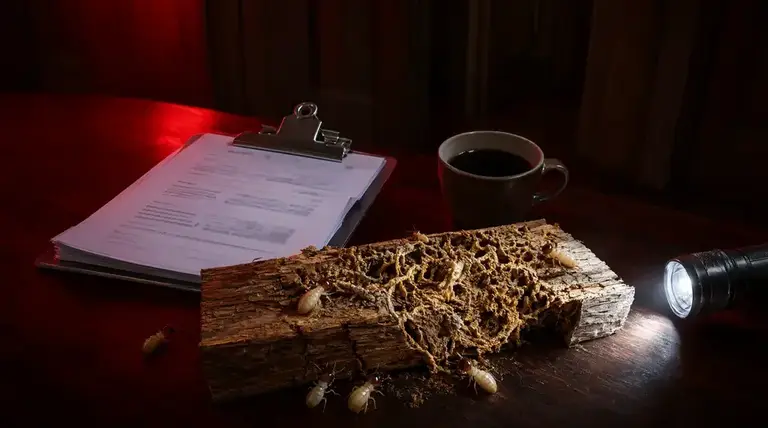
Before you put any number to the seller, get the findings verified and priced by licensed professionals. Order a follow-up termite inspection if activity is unclear, collect two written quotes for any repair or treatment work, add a 10–20% contingency, and put your request to the agent in writing well inside your inspection condition period. If the damage is structural, have your conveyancer draft the price reduction, repair condition or holdback clause — never rely on verbal promises.
Negotiating After a Bad Pest Report: FAQ
Can I get money off the house price because of termites?
Yes. A documented termite finding is a legitimate basis for a price reduction, especially when licensed treatment and repair quotes are attached. Sellers frequently prefer a modest, evidence-based discount over completing the works themselves or losing the sale and relisting with a disclosed pest history.
How much should I ask for when negotiating after a bad pest report?
Base your request on written quotes from licensed trades plus a contingency of around 10–20%, rather than a guessed round figure. Where the true cost only becomes clear once damaged timber is exposed, a retention or holdback held by the conveyancer until work is assessed protects both parties fairly.
Can I pull out of a contract after a bad pest inspection?
Usually yes, provided your contract contains a satisfactory building and pest inspection clause and you act within its specified period, commonly 7–14 business days. Confirm the exact wording and deadline with your conveyancer before relying on it, as conditions vary between states and contracts.
Negotiating after a bad pest report doesn’t have to be a gamble. Aussie Pest Strike provides licensed pest control inspections, honest written assessments and treatment quotes Australia-wide, giving you the hard numbers you need to negotiate with confidence. Call Aussie Pest Strike on [aps_phone] today to arrange a free inspection and no-obligation quote before your condition period runs out.
Sources & further reading
Found Something
Dangerous?
Don’t touch it. Don’t spray it. Keep kids and pets clear, take a photo from a safe distance, and call us — or book a free inspection and we’ll come to you.
02 7235 0050