Spring Pestsin Australia: TheAwakening Guide
Spring pests in Australia awaken from September: termites swarm, wasps nest and spiders roam. Get the awakening checklist and book a free spring inspection.
Spring is the season when pests across Australia wake up all at once. As soil warms and daylight stretches from September onward, termites swarm, wasp queens build nests, spiders roam and ants push trails back into kitchens. If summer is the peak, spring is the launch pad — and what you do in these months decides whether you face a minor nuisance or a full-blown December infestation.
Put simply, spring pests in Australia are the surge of insects, spiders and rodents that become active as temperatures rise after winter, triggering breeding, swarming and foraging across almost every pest group nationwide. This awakening guide walks through the main offenders, the warning signs to watch for, realistic treatment costs in AUD, and when a DIY spray is enough versus when you need a licensed pest control technician.
- Spring (September–November) is when termites, wasps, spiders, ants, mosquitoes and rodents all reactivate at once across Australia.
- Termite swarms on humid evenings signal an established colony nearby — book your annual inspection before the peak.
- Removing a golf-ball-sized wasp nest in spring is far safer than tackling a soccer-ball-sized one in February.
- A general spring pest treatment typically costs $180–$350 AUD, while termite inspections run $250–$400 AUD.
- Acting in spring, while populations are small, is cheaper and easier than fighting established infestations in summer.
Why spring pest activity matters across Australia
Spring matters because it is the one window where every major Australian pest is vulnerable at the same time — colonies are small, nests are new, and breeding has only just begun. Miss this window and each pest group multiplies through the warm months, turning a quick treatment into an ongoing battle.
Australia’s climate makes the spring awakening sharper than in most countries. From the humid coastal strip of Queensland to the temperate south, warming soil and longer days flip a biological switch. In tropical QLD and the NT, mosquitoes and termites barely pause at all, so “spring” there is more of an intensification than a restart. Along the Sydney and NSW coast, spider and wasp activity surges from September — a pattern that leads directly into the problems covered in our guide to common summer pests in Sydney homes and how to stop them. Melbourne starts slower, with wasps and ants emerging from October, while Perth and Adelaide see ant and spider activity build with the dry warmth.
Housing style plays a big part too. Homes on concrete slabs face termite entry through weep holes and slab edges, while older subfloor houses — including classic Queenslanders — offer cool, sheltered voids where termites, rodents and spiders happily overwinter before exploding into activity. Brick veneer homes hide pest highways inside wall cavities. Whatever your build, spring is when the hidden winter activity becomes visible, and when a licensed pest control visit delivers the most value for money.
Warning signs: is spring pest activity starting at your place?
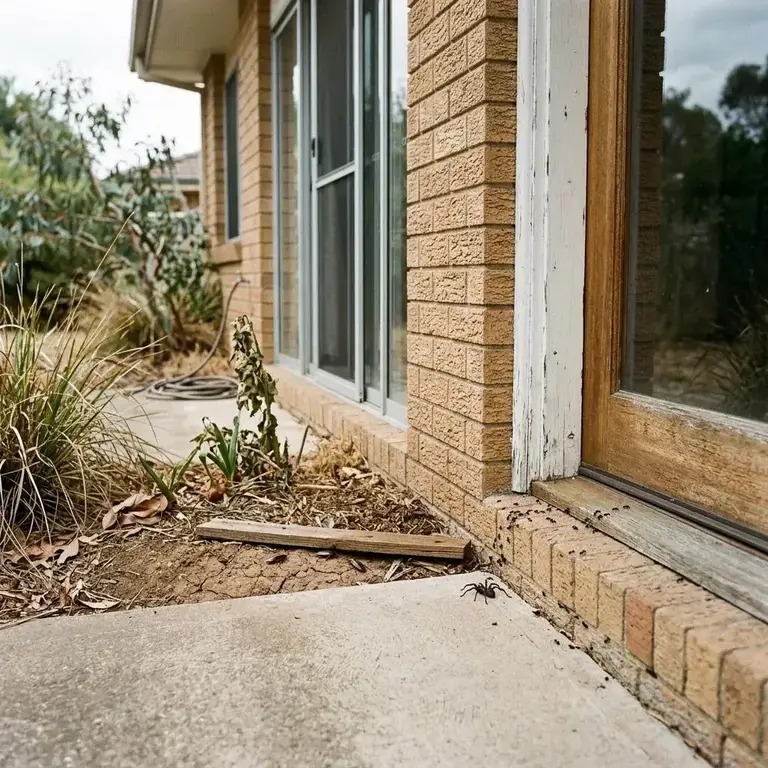
The earliest warning signs of spring pest activity are subtle: discarded termite wings on windowsills, pencil-thin wasp nests under eaves, and fresh ant trails near the sink. Catch these in September or October and most problems can be shut down in a single visit.
Work through this checklist around your property:
- Discarded wings or flying termites — winged alates swarming on humid evenings, or piles of shed wings near windows and light fittings, point to a mature colony nearby.
- Small wasp nests under eaves and in sheds — anything golf-ball-sized or smaller is a new spring nest from an overwintered queen, and now is the safe time to remove it.
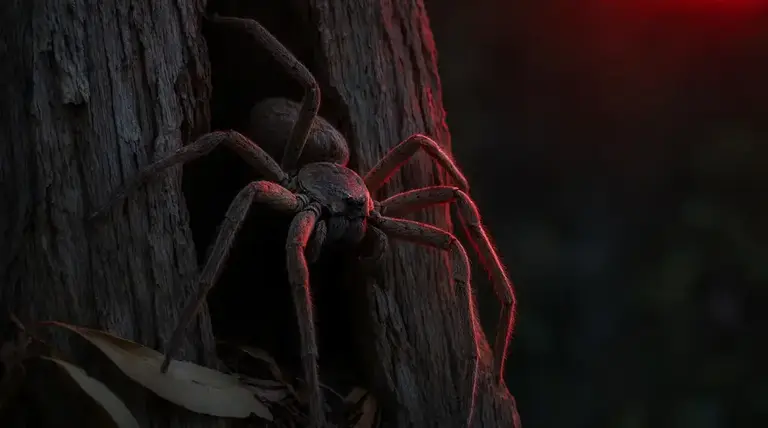
- Fresh spider webs in sheltered corners — redbacks (Latrodectus hasselti) rebuild webs in spring, while male huntsmen and orb-weavers roam visibly looking for mates.
- Ant trails along benches and skirting — black house ants and coastal brown ants scout kitchens for water and sugar as soil warms.
- Droppings or scratching in the roof void — rodent litters born over winter mature in spring and start spilling out in search of territory and food.
- Standing water in saucers, gutters and pot plants — mosquito breeding sites that will ignite within weeks of the first warm rain.
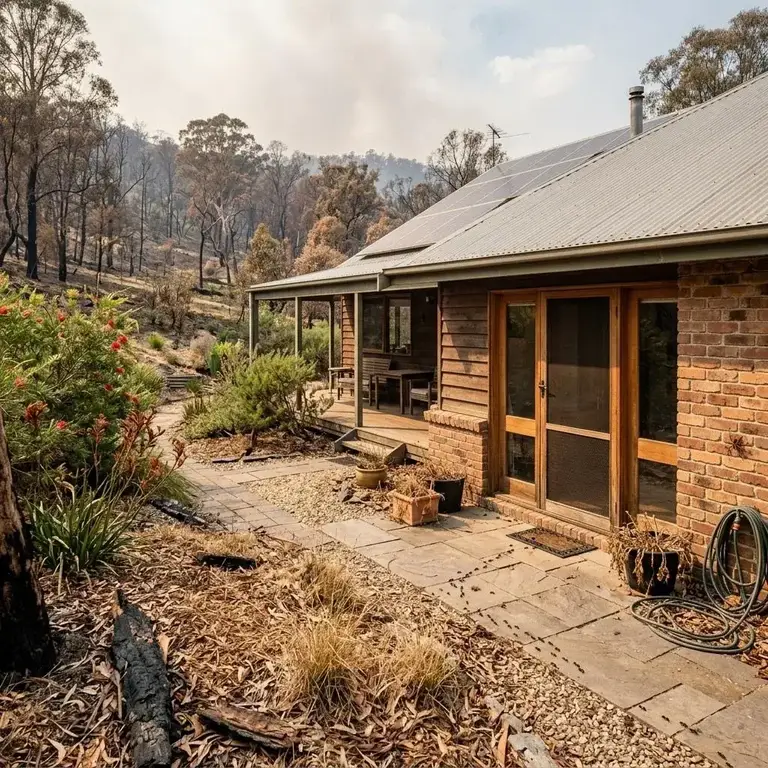
- Vegetation touching the house — branches and vines act as pest bridges straight onto your roofline and walls.
DIY vs professional spring pest control
DIY handles the small stuff well — clearing webs, tipping out standing water, sealing gaps and removing a tiny wasp nest on a cool morning. Most common spring pests are manageable this way, but anything involving termites, chemicals applied at scale, or established nests and rodent populations belongs with a licensed technician, who can use APVMA-registered products correctly and safely.
No reputable operator will claim any chemical is 100% safe or results are guaranteed — what licensing does guarantee is correct product selection, correct application and compliance with Australian regulations. Here is how the two approaches compare:
| Factor | DIY approach | Professional treatment |
|---|---|---|
| Best for | Prevention, small nests, web clearing, sealing entry points | Termites, rodents, established wasp nests, whole-property barriers |
| Typical cost | $20–$80 in hardware-store products | $180–$350 for a general treatment |
| Effectiveness | Good for surface pests; rarely reaches nests or colonies | Targets the source — nests, colonies, entry routes |
| Safety | Risk of stings, misapplied sprays, exposure to kids and pets | Licensed technicians apply APVMA-registered products to label |
| Longevity | Days to weeks; often needs repeating | Residual barriers typically protect for months |
What does spring pest treatment cost in Australia?
Across the Australian market in 2025-26, the industry generally charges between $180 and $350 AUD for a general spring pest treatment, with termite inspections typically running $250–$400 AUD. These market rates vary with property size, construction type (subfloor homes take longer than slab homes) and how far the infestation has progressed.
| Service | Typical market rate (AUD) | What’s included/notes |
|---|---|---|
| General pest spray (cockroaches, spiders, ants) | $180–$350 | Internal and external residual treatment, eaves, subfloor or slab perimeter |
| Termite inspection (annual) | $250–$400 | Visual and moisture inspection to Australian Standards, written report |
| Termite treatment/barrier (if activity found) | $1,500–$4,000+ | Chemical barrier or baiting system, depends on construction and block size |
| Wasp nest removal | $150–$300 | Nest treatment and removal; cheaper while nests are small in spring |
| Rodent control program | $220–$450 | Baiting, trapping and entry-point advice, usually with a follow-up visit |
These figures reflect typical Australian market rates — what the industry generally charges, not what you’ll necessarily pay. Aussie Pest Strike typically comes in well under these market rates, so give us a call on [aps_phone] for an exact quote for your property.
Spring pest activity by month across Australia
Pest pressure climbs steadily from late winter, accelerates sharply through spring, and peaks across December and January in most of the country. The chart below shows a typical national pattern — tropical regions run hotter and flatter, while southern states show a deeper winter trough.
Jan
Feb
Mar
Apr
May
Jun
Jul
Aug
Sep
Oct
Nov
Dec
Indicative national pest-pressure pattern: activity bottoms out in July, climbs steeply from September as spring warmth arrives, and peaks through the summer months. Humid coastal regions such as the Gold Coast see an even sharper spring ramp-up — our article on humidity and pests on the Gold Coast explains why moisture supercharges breeding.
Timing shifts by state. In tropical QLD and the NT the trough barely exists, so mosquitoes and termites are a near year-round concern. Sydney’s surge starts in September, Melbourne’s builds from October — and many of the pests driven indoors over a Victorian winter, covered in our guide to winter pest problems in Melbourne, are the same populations that spill back outside and multiply in spring. Perth and Adelaide follow the dry-warmth pattern, with ants and spiders leading the charge.
Every summer horror job I attend — the wasp nest the size of a basketball, the termite damage behind the bathroom wall — started as a small spring problem someone put off. Spring is when one visit genuinely changes the whole season. Get the inspection done in September or October and you will spend far less, and sleep far better, than the neighbours who wait until January.
Book a combined spring service in September or October: a termite inspection plus a general pest treatment covering spiders, ants and wasps. In between visits, keep gutters and saucers dry, trim vegetation off the house and seal gaps around doors and pipes. That one-two approach stops small colonies becoming December infestations and sets your home up for the whole warm season.
Spring pests in Australia: frequently asked questions
Why do I suddenly see more pests in spring?
Warming temperatures and longer daylight trigger breeding and foraging across most species at once, so populations that were dormant or hidden through winter become active almost simultaneously. This is why spring feels like a sudden explosion of insects and spiders, even though the colonies were quietly building for weeks beforehand.
Is spring the best time to treat for termites?
Yes, spring is one of the best times for termite treatment because it precedes the summer feeding peak and coincides with swarming season, when colonies are at their most detectable. Treating or baiting early limits the structural damage a colony can cause over the warm months ahead.
Do wasp nests really need dealing with in spring?
Yes, removing a wasp nest in spring is far safer and easier while it is still small and holds only the queen and a handful of workers. By late summer the same nest can house thousands of aggressive wasps, making removal more dangerous, more disruptive and usually more expensive.
Spring is the bridge into peak season, and momentum matters — what you prevent now shapes how bad your summer becomes. Don’t wait for the swarm, the stings or the scratching in the ceiling. Aussie Pest Strike offers a free on-site inspection with a tailored spring treatment plan for your property, carried out by licensed technicians using APVMA-registered products. Call Aussie Pest Strike on [aps_phone] today and head into summer with your home already protected.
Sources & further reading
Found Something
Dangerous?
Don’t touch it. Don’t spray it. Keep kids and pets clear, take a photo from a safe distance, and call us — or book a free inspection and we’ll come to you.
02 7235 0050