Summer Pestsin Australia: PeakSeason Survival
Summer pests in Australia peak December to February as heat speeds breeding. Get the survival checklist for roaches, mozzies and wasps, plus a free inspection.
Summer pests in Australia hit their absolute peak from December to February, when heat, humidity and long daylight hours push insect breeding into overdrive. If you’re searching for a “u” level guide to surviving the season, this is it: cockroaches, mosquitoes, ants, flies, wasps and spiders all reach maximum numbers at once, and homes from tropical Queensland to temperate Melbourne feel the pressure. Here is how to get through the hottest months with your home under control.
Summer pest season in Australia is the annual period, typically December to February, when high temperatures accelerate insect breeding cycles and drive cockroaches, mosquitoes, ants, flies, wasps and spiders to peak activity in and around homes. Understanding why this happens, what to watch for, and when to call in licensed pest control professionals is the difference between a comfortable summer and a losing battle against an entrenched infestation.
- Summer pest activity peaks December to February because most insects are ectothermic — heat directly speeds up their breeding.
- A few cockroaches in November can become an entrenched infestation by January without early action.
- Removing standing water is the single highest-impact DIY step, cutting mosquito breeding at the source.
- Mature wasp nests in late summer are a genuine sting hazard — never attempt DIY removal.
- Professional treatment booked in spring or early summer is cheaper than fighting a peak-season outbreak.
Why Summer Pests Matter So Much Across Australia
Summer pests matter because Australian conditions turn a minor nuisance into a full-blown infestation faster than anywhere in the temperate world. Most insects are ectothermic, meaning their activity and reproduction rise with temperature — a German cockroach population that doubles every few weeks in mild conditions accelerates dramatically once indoor temperatures sit in the high 20s and low 30s. Warmth shortens breeding cycles, so a handful of cockroaches in November can be an entrenched infestation by January, while bush flies and blow flies multiply on any exposed food or waste.
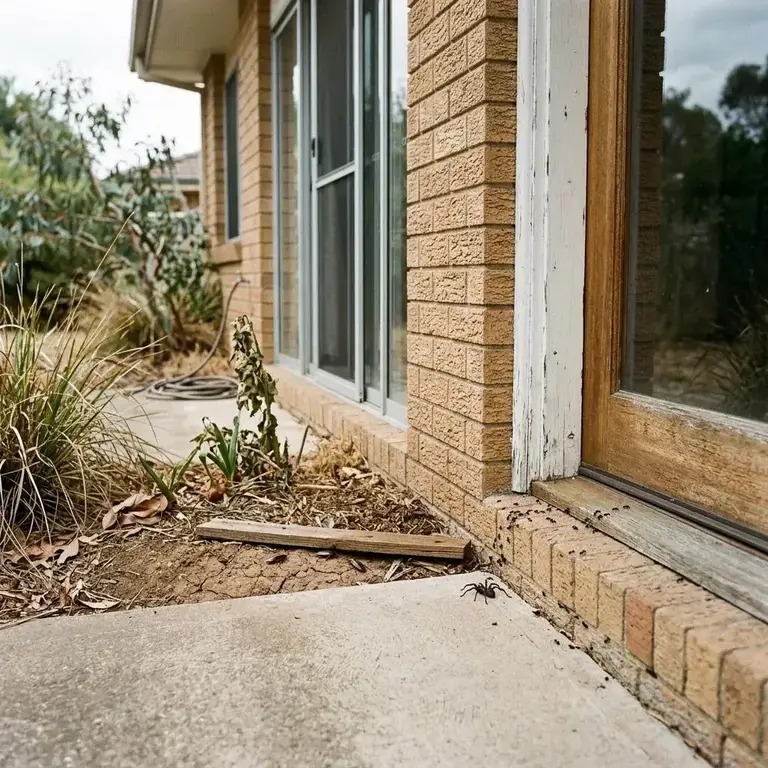
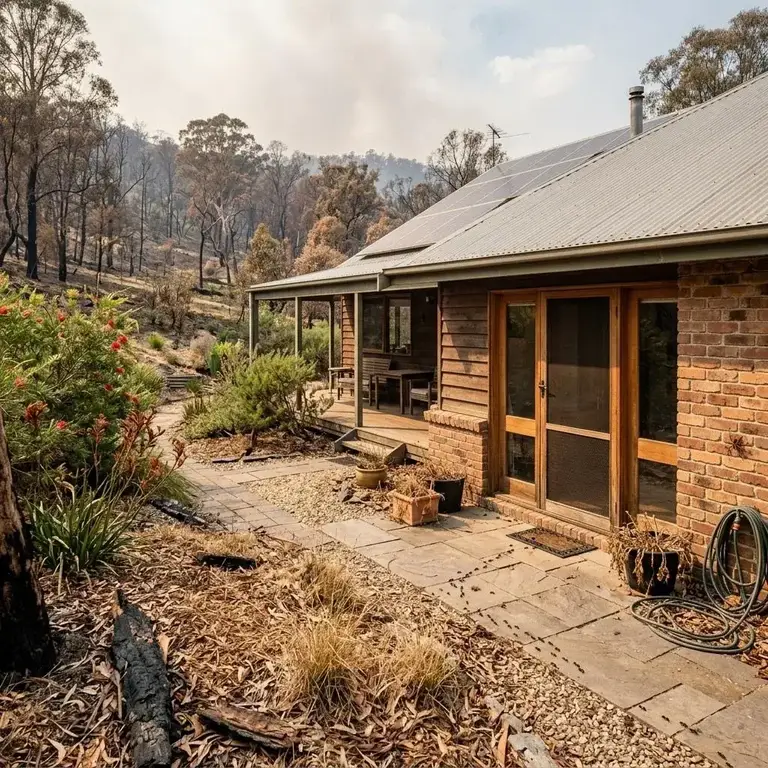
Summer is not the same everywhere, though, and Australian housing stock shapes how pests behave. In tropical Queensland and the Northern Territory, the wet-season combination of 30°C-plus days and high humidity keeps mosquitoes and cockroaches surging for months on end — elevated Queenslanders with open subfloors are particularly exposed to moisture-loving pests. Perth and Adelaide face intense dry heat that drives ants and spiders indoors chasing moisture, especially in slab-on-ground brick veneer homes where the smallest weep-hole gap becomes a doorway. Sydney and Melbourne sit in between, with sudden humid spells triggering flushes of flies and wasps. For a city-specific breakdown, see our guide to common summer pests in Sydney homes and how to stop them. Knowing your region’s dominant summer pest lets you focus effort where it counts.
Mosquitoes deserve special attention. Summer rain plus heat creates ideal breeding pools in everything from blocked gutters to pot-plant saucers, and in some regions this raises the risk of Ross River virus, so backyard water management is essential rather than optional.
Warning Signs You Have a Summer Pest Problem
The clearest warning signs of a summer pest problem are live insect sightings during the day, droppings or egg cases in kitchens and bathrooms, and visible nesting activity around eaves and sheds. Work through this checklist weekly from November onwards — catching any single item early is far cheaper than treating an established infestation in February.
- Daytime cockroach sightings — cockroaches are nocturnal, so seeing them in daylight usually means the population has outgrown its hiding spots.
- Droppings, smear marks or oothecae (egg cases) — check behind the fridge, under sinks and inside pantry cupboards.
- Mosquito bites at dusk or larvae wriggling in water — inspect bird baths, pot saucers, tarps and even bottle caps.
- Ant trails along skirting boards or benchtops — summer foraging ants are usually chasing water, not just food.
- Fly clusters around bins or pet waste — a breeding source is nearby and needs removing, not just spraying.
- Paper wasp nests growing under eaves, in sheds or behind meter boxes — small in spring, dangerously large by late summer.
- Spider webs rebuilding overnight around windows, fences and outdoor furniture.
DIY vs Professional Summer Pest Control
DIY measures handle prevention well, but established infestations, mature wasp nests and recurring cockroach problems need a licensed technician with professional-grade products. The honest rule of thumb: hygiene, exclusion and habitat removal are your job; chemical treatments for active infestations are best left to licensed pest control professionals who apply APVMA-registered products safely and effectively. Here’s how the two approaches compare:
| Factor | DIY approach | Professional treatment |
|---|---|---|
| Best for | Prevention, early-stage activity, mosquitoes (habitat removal) | Established infestations, wasp nests, recurring cockroaches |
| Typical cost | $20–$80 in supermarket sprays, baits and flyscreen repairs | $180–$450 per visit depending on pest and property size |
| Effectiveness | Good for prevention; surface sprays rarely reach harbourages | Gel baits, dusts and residual treatments target nests and harbourages |
| Safety | Low risk for hygiene tasks; never DIY a mature wasp nest | Licensed technicians apply APVMA-registered products with correct PPE |
| Longevity | Requires constant weekly repetition through summer | Residual protection typically lasts 3–6 months |
Your DIY summer survival checklist should include: tip out any standing water weekly (down to bottle caps and pot-plant saucers), store food in sealed containers and clear crumbs nightly, fit or repair flyscreens, keep bins sealed and rinsed, and check eaves and sheds for growing wasp nests. Coastal homeowners should also read about humidity and pests on the Gold Coast, because moisture management is half the battle in subtropical summers.
What Does Summer Pest Control Cost in Australia?
Across the Australian market, professional summer pest control typically costs between $180 and $450 for a general treatment, with specialised services like wasp nest removal or mosquito programs sitting either side of that range. Industry pricing varies by pest, property size and region — a large Queenslander with a subfloor costs more to treat than a compact brick veneer on a slab. The table below shows typical 2025–26 Australian market rates in AUD:
| Service | Typical market rate (AUD) | What’s included/notes |
|---|---|---|
| General pest spray (cockroaches, spiders, ants) | $180–$350 | Internal and external residual treatment for an average 3–4 bedroom home |
| German cockroach treatment | $250–$450 | Gel baiting program, often with a follow-up visit; heavier infestations cost more |
| Wasp nest removal | $150–$300 | Per nest; mature late-summer nests or roof-void access cost more |
| Mosquito/midge yard treatment | $200–$400 | Barrier spray to foliage and resting areas; typically lasts 4–8 weeks |
| Ant treatment (internal + external) | $180–$320 | Baiting and perimeter treatment targeting the colony, not just the trail |
Compare those market figures with the cost of doing nothing: a German cockroach infestation left from November to February can require multiple treatments and months of follow-up. Prevention is almost always the cheaper line item. It’s also worth remembering that summer vigilance pays off year-round — pests that slip through in summer often become the issues covered in our guide to winter pest problems in Melbourne and what moves indoors.
One more thing worth knowing: Aussie Pest Strike typically comes in well under these typical market rates, without cutting corners on treatment quality. For an exact quote on your property and pest problem, give us a call on [aps_phone] — we’ll talk you through the options and lock in a price straight away.
Summer Pest Activity by Month: The “u” Season Calendar
Pest activity in Australia climbs steeply from November, peaks through December to February, and tapers off as nights cool in March and April. Winter is the quietest period for most flying and crawling insects, though cockroaches and rodents persist indoors year-round. The chart below shows typical relative summer pest pressure across a calendar year for most populated regions:
Jan
Feb
Mar
Apr
May
Jun
Jul
Aug
Sep
Oct
Nov
Dec
Typical relative pest pressure across the year in populated Australian regions. Activity peaks December–February, drops to its lowest point in June–July, and ramps up again from September as temperatures climb. Tropical regions sustain higher year-round pressure.
One pest bucking this pattern in a dangerous way is the wasp. European and paper wasp nests reach their largest and most defensive size in late summer, sometimes holding thousands of workers. A nest that was easy to ignore in spring becomes a genuine sting hazard by February, so never attempt DIY removal of a mature nest during peak heat — that job belongs to a licensed technician with the right protective gear and products.
Every summer we see the same story: a household notices one or two cockroaches in November and hopes for the best, then calls us in January with a full infestation behind the fridge. Heat doesn’t give pests a day off, and it doesn’t give you one either. A single preventative treatment in late spring saves most families a heap of money and stress by the time February rolls around.
Book a general pest treatment in late spring or early December, before populations explode. Combine it with weekly water removal, sealed food storage and intact flyscreens, and you’ll stop most summer problems before they start. If you already have daytime cockroach sightings, a growing wasp nest or relentless ants, skip the DIY sprays and get a licensed technician in — peak-season infestations escalate weekly, not monthly.
Frequently Asked Questions
When is summer pest season in Australia?
Summer pest season in Australia typically runs from December to February, when high temperatures and humidity accelerate insect breeding cycles. Activity climbs steeply from November, peaks through the hottest months, and tapers off as nights cool in March and April. Tropical regions such as Queensland and the Northern Territory sustain higher pest pressure for longer periods than temperate southern cities.
Why do pests get worse in summer?
Most insects are ectothermic, meaning their activity and reproduction rise directly with temperature. Warmth shortens breeding cycles dramatically — a German cockroach population that doubles every few weeks in mild conditions accelerates once indoor temperatures sit in the high 20s and low 30s. This means a handful of cockroaches spotted in November can become an entrenched infestation by January without early action.
Which summer pests are most common in Australian homes?
Cockroaches, mosquitoes, ants, flies, wasps and spiders all reach peak numbers at once during Australian summer. The practical next step is to note the signs, inspect the relevant area carefully, and seek property-specific advice if the issue continues.
What are the warning signs of a summer pest problem?
Key warning signs include daytime cockroach sightings (they are nocturnal, so daylight sightings suggest an outgrown population), droppings or egg cases behind fridges and under sinks, mosquito bites at dusk or larvae wriggling in standing water, ant trails along skirting boards, fly clusters around bins, paper wasp nests growing under eaves, and spider webs rebuilding overnight around windows and fences.
How do I stop mosquitoes breeding around my home?
Removing standing water weekly is the single highest-impact DIY step against mosquitoes. Tip out water from bird baths, pot-plant saucers, tarps, blocked gutters and even bottle caps, since summer rain plus heat creates ideal breeding pools in all of these. In some regions this also reduces the risk of Ross River virus, making backyard water management essential rather than optional.
What DIY steps can I take against summer pests?
Your summer survival checklist should include tipping out any standing water weekly, storing food in sealed containers and clearing crumbs nightly, fitting or repairing flyscreens, keeping bins sealed and rinsed, and checking eaves and sheds for growing wasp nests. These hygiene, exclusion and habitat-removal measures handle prevention well, but established infestations need professional treatment.
How do I know if a summer pest infestation is too severe to handle on my own?
Call a licensed technician for established infestations, mature wasp nests and recurring cockroach problems. Never attempt DIY removal of a mature late-summer wasp nest — nests holding thousands of workers are a genuine sting hazard by February. Professionals use gel baits, dusts and residual treatments that reach harbourages, applying APVMA-registered products safely with correct protective equipment.
How long does professional summer pest treatment last?
Residual protection from a professional treatment typically lasts three to six months, which covers the peak season. By comparison, DIY measures require constant weekly repetition throughout summer because surface sprays rarely reach the harbourages where pests breed. Mosquito barrier sprays applied to foliage and resting areas typically last four to eight weeks before reapplication is needed.
Would a property-specific inspection help with my summer pest situation?
Yes, because summer pest pressure varies significantly by property type and region. A large Queenslander with an open subfloor faces different moisture-loving pests than a compact brick veneer on a slab, where ants enter through weep-hole gaps. Aussie Pest Strike can assess your specific property, identify the dominant pest pressures, and recommend targeted treatment rather than a generic approach.
When is the best time to book professional summer pest control?
Booking in spring or early summer is generally cheaper and more effective than fighting a peak-season outbreak in January or February, when populations are already entrenched. Aussie Pest Strike can talk you through timing options for your region and pest problem, so prevention work lands before breeding cycles accelerate through the hottest months of December to February.
Sources & further reading
Found Something
Dangerous?
Don’t touch it. Don’t spray it. Keep kids and pets clear, take a photo from a safe distance, and call us — or book a free inspection and we’ll come to you.
02 7235 0050