Pest Control inShare Houses:Who Pays What?
Working out who pays for pest control in share houses comes down to your lease, your state's tenancy laws, and what caused the infestation. As a general...
Pest control in share houses raises one awkward question every time: who pays what? The answer comes down to your lease, your state’s tenancy laws, and what caused the infestation in the first place — and getting it wrong can cost a household hundreds of dollars in disputes, e, delays and tribunal visits. As a general rule across Australia, landlords cover structural or pre-existing pest problems, while tenants pay for pests attracted by poor hygiene.
Put simply, pest control responsibility in a share house is determined by cause: pre-existing or structurally caused infestations are the landlord’s obligation, while infestations caused by tenant behaviour are the household’s bill to split. This guide walks through the state-by-state rules, common share-house pests, realistic 2025-26 treatment costs in AUD, and a fair way to divide expenses between housemates, e, without wrecking friendships along the way.
- Landlords generally pay for pre-existing infestations and pests entering through structural defects like wall cracks, broken roof tiles or unsealed vents.
- Tenants usually pay when cockroaches, ants or rodents are attracted by poor hygiene, food scraps or overflowing bins — and housemates typically split that bill evenly, e, unless one person clearly caused it.
- Every Australian state follows the same broad principle, though NSW, Victoria and Queensland have their own legislation and tribunals (NCAT, VCAT, QCAT).
- Typical professional pest control treatments for a standard rental run roughly $180-$450 AUD in 2025-26, depending on pest type and property size.
- Photograph everything, notify the agent in writing, and keep receipts — paper trails win disputes.
Why Pest Control in Share Houses Is Such a Flashpoint in Australia
Share houses are pest magnets because they combine multiple occupants, inconsistent cleaning habits and, often, older housing stock that lets pests in easily. Add Australia’s climate to the mix — humid subtropical summers in Brisbane and Sydney, damp winters in Melbourne — and you have ideal breeding conditions for cockroaches, rodents and ants almost year-round.
Housing style matters too. Older weatherboard and Queenslander-style homes with raised subfloors give rats and mice easy entry points through damaged vents and gaps. Brick veneer homes on concrete slabs tend to fare better, but cracked mortar and poorly sealed weep holes still invite ants and spiders. In share houses, these properties are also frequently rentals, which means maintenance requests travel slowly through agents — and infestations grow while everyone argues about whose job it is to fix the problem, e, and who foots the bill.
That’s why understanding responsibility before a problem erupts is the smartest money a household can never spend. Prevention and fast reporting are almost always cheaper than treatment and tribunal applications.
Warning Signs of a Pest Problem in Your Rental
Catch an infestation early and it’s a minor expense; miss the signs and it becomes a major treatment bill plus a dispute over liability. Watch for these red flags around the house.
- Droppings in cupboards or along skirting boards — small dark pellets signal mice or cockroaches, and larger droppings point to rats.
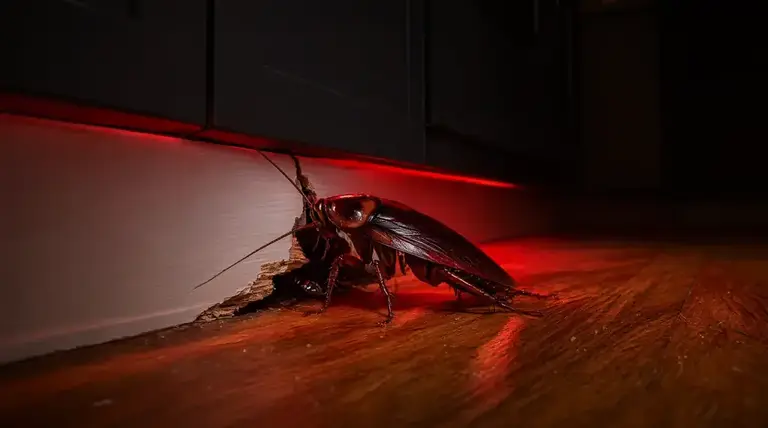
- Grease marks and smear trails along walls, behind fridges or under sinks — a classic sign of German cockroach activity.
- Gnaw marks on food packaging, skirting or wiring — rodents chew constantly, and damaged electrical cables are a genuine fire risk.
- Ant trails along benchtops or splashbacks, especially after summer rain — black house ants nest in wall cavities and follow scent trails to food.
- Scratching or scurrying sounds in walls or the ceiling at night — rodents in the roof void or subfloor, usually a structural entry issue.
- Egg cases or shed skins in pantry corners and appliance motors — German cockroaches multiply fast, so one ootheca means many more are coming.
- A musty, oily odour in enclosed spaces — heavy cockroach or rodent infestations produce a distinctive smell that tenants often notice before they see a single pest.
If you spot any of these within the first weeks of a lease, photograph them with dates and notify your landlord or agent in writing immediately — timing is everything when establishing that the problem pre-dated your tenancy.
DIY vs Professional Pest Control: What Should a Share House Do?
Minor ant trails and the odd huntsman can be handled with basic hygiene and supermarket products, but established infestations of German cockroaches or rodents almost always need a licensed technician — especially in a rental, where treatment records matter for liability disputes. Be wary of popular shortcuts: many households waste money on gadgets and home concoctions that simply don’t perform. Before you buy anything, read our honest assessment of ultrasonic pest repellers and the reality behind common DIY pest remedies that don’t work, and check the broader pest control myths busted guide so you’re not acting on folklore.
| Factor | DIY Approach | Professional Treatment |
|---|---|---|
| Upfront cost | $15-$60 AUD for sprays, baits and traps | $180-$450+ AUD per treatment |
| Effectiveness on German cockroaches | Low — bombs scatter them deeper into wall voids | High — gel baits and residual treatments target harbourages |
| Rodent infestations | Snap traps catch a few; entry points remain open | Baiting programs plus entry-point advice |
| Documentation for disputes | None — no invoice or report | Written service report, useful for tribunals and reimbursement |
| Chemical safety | Risk of misuse around pets and housemates | APVMA-registered products applied by licensed technicians |
Any chemical treatment in a shared home should be carried out by a licensed pest controller who can advise on re-entry times and product placement around children, pets and food areas.
What Does Pest Control Cost in Australia in 2025-26?
For a standard share house, the typical Australian market rate for a general treatment sits between $180 and $450 AUD, with rodent programs and severe cockroach infestations at the higher end. Rates vary by city, property size and pest, but the ranges below reflect what the industry generally charges across metro areas.
| Service | Typical market rate (AUD) | What’s included/notes |
|---|---|---|
| General pest spray (cockroaches, ants, spiders) | $180-$300 | Internal and external treatment of a standard 3-bedroom home; 3-6 month service warranty typical |
| German cockroach treatment | $250-$450 | Gel baiting plus residual spray; severe infestations may need a follow-up visit |
| Rodent control program | $220-$400 | Tamper-resistant bait stations, roof void and subfloor treatment, follow-up check |
| Ant treatment | $180-$280 | Perimeter barrier and nest treatment; recurring summer activity may need seasonal visits |
| End-of-lease flea treatment | $150-$280 | Often required by lease clauses where pets were kept; keep the receipt for bond purposes |
| Possum or larger wildlife | Quoted on inspection | Protected species — removal and proofing only, and always a landlord/structural matter |
When tenants are liable, splitting a treatment at the typical market rate of $250 four ways costs each housemate about $62 — far less than the bond deductions and tribunal fees that follow an unresolved infestation at the end of a lease.
These figures are what the Australian industry generally charges — Aussie Pest Strike typically comes in well under these market rates. For an exact quote on your property, give us a call on [aps_phone].
When Are Pests Most Active in Australian Rentals?
Pest pressure in Australian homes peaks through the warm, humid months from late spring to early autumn, with a secondary rodent surge as temperatures drop in autumn and winter. Coastal cities like Sydney and Brisbane see intense cockroach and ant activity over summer, while Melbourne’s older terrace housing stock battles mice and rats moving indoors from April onwards.
Jan
Feb
Mar
Apr
May
Jun
Jul
Aug
Sep
Oct
Nov
Dec
Indicative pest activity in Australian share houses: cockroaches and ants peak over the humid summer (Dec-Mar), while rodent call-outs climb through autumn and winter as rats and mice seek shelter indoors.
Nine times out of ten, the argument between housemates and landlords isn’t about the pests — it’s about the lack of paperwork. If tenants photograph droppings on day one and email the agent, the landlord pays and everyone moves on. Leave it three months, and suddenly it’s a hygiene dispute that costs everyone more than the treatment ever would.
Check your lease and entry condition report today, agree on a written cleaning roster with your housemates, and report any pest signs in writing within 48 hours. If a treatment is needed, get a written quote from a licensed pest controller, split tenant-liable costs evenly per room, and keep every receipt — it’s the cheapest insurance against bond disputes and tribunal hearings.
Frequently Asked Questions
Who pays for pest control in a share house in Australia?
Responsibility is determined by cause. Landlords generally cover pre-existing infestations and pests entering through structural defects such as wall cracks, broken roof tiles or unsealed vents. Tenants usually pay when cockroaches, ants or rodents are attracted by poor hygiene, food scraps or overflowing bins, and housemates typically split that bill evenly unless one person clearly caused the problem.
How do you prove a pest problem existed before your tenancy started?
Timing and paperwork are everything. If you spot droppings, egg cases, grease marks or other pest signs within the first weeks of a lease, photograph them with dates and notify your landlord or agent in writing immediately. This establishes that the problem pre-dated your tenancy, which supports the landlord being responsible rather than the household.
What are the warning signs of a pest problem in a rental property?
Watch for small dark droppings in cupboards or along skirting boards, grease marks behind fridges or under sinks, gnaw marks on packaging or wiring, ant trails on benchtops after summer rain, scratching sounds in walls or ceilings at night, egg cases or shed skins in pantry corners, and a musty, oily odour in enclosed spaces. Catching these early keeps treatment costs minor.
Can a share house handle pest control itself instead of hiring a professional?
Minor ant trails and the odd huntsman can be managed with basic hygiene and supermarket products. However, established infestations of German cockroaches or rodents almost always need a licensed technician, especially in a rental where written service reports matter for liability disputes. Cockroach bombs often scatter German cockroaches deeper into wall voids, making DIY approaches ineffective for serious infestations.
How much does professional pest control cost for a share house?
Professional pest control pricing varies with the pest type, property size, and treatment method, so most providers quote after a brief inspection. General treatments usually cost less than targeted work for stubborn infestations such as German cockroaches or rodents, and end-of-lease flea treatments are typically a separate service. Ask several licensed providers for written quotes covering the whole house rather than per room, and check what follow-up visits are included before booking.
How should housemates split the cost of tenant-liable pest control?
When tenants share liability, splitting the cost evenly between housemates is usually the fairest approach, since everyone benefits from a pest-free home regardless of who caused the problem. If one housemate's habits clearly attracted pests, the group may agree they contribute more. Put the arrangement in writing, collect everyone's share upfront, and keep receipts as proof of payment in case questions arise at the end of the lease.
Do tenancy rules differ between Australian states for pest control?
Every state follows the same broad principle that cause determines responsibility, but NSW, Victoria and Queensland each have their own legislation and tribunals — NCAT, VCAT and QCAT respectively. Your lease and your state's tenancy laws ultimately shape who pays what, so check both before disputing a bill with your landlord or housemates.
What paperwork helps win a pest control dispute in a share house?
Photograph any pest signs with dates, notify your agent in writing within 48 hours, keep copies of your entry condition report, obtain a written quote from a licensed pest controller before treatment, and retain every receipt and service report. Written documentation from licensed technicians is particularly useful for tribunals and reimbursement claims, since DIY treatments leave no paper trail.
Can I check whether Aussie Pest Strike can help with a pest problem in my share house?
Yes. Aussie Pest Strike handles the common share-house pests covered in this guide, including general sprays for cockroaches, ants and spiders, German cockroach gel baiting, and rodent control programs. Because rates vary by city, property size and pest type, the practical step is to contact them directly to confirm they treat your specific pest and to request an exact written quote for your property.
What is the best next step if my housemates and I need a pest treatment arranged?
Agree on a written cleaning roster first, then report any pest signs to your agent in writing within 48 hours. If treatment is needed, Aussie Pest Strike recommends getting a written quote from a licensed pest controller who can advise on re-entry times and product placement around children, pets and food areas. Split tenant-liable costs evenly per room and keep every receipt to protect against bond disputes.
Sources & further reading
Found Something
Dangerous?
Don’t touch it. Don’t spray it. Keep kids and pets clear, take a photo from a safe distance, and call us — or book a free inspection and we’ll come to you.
02 7235 0050