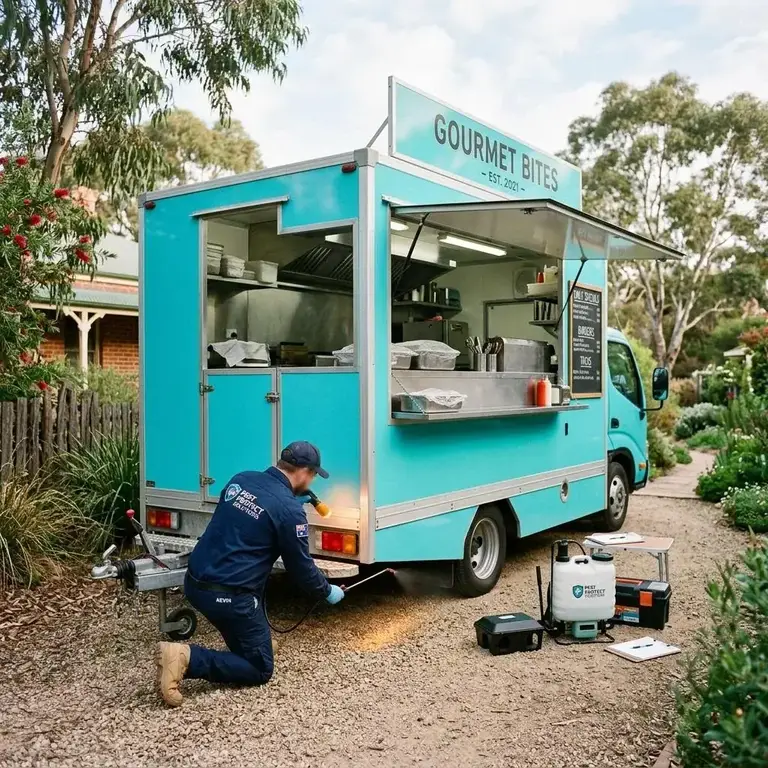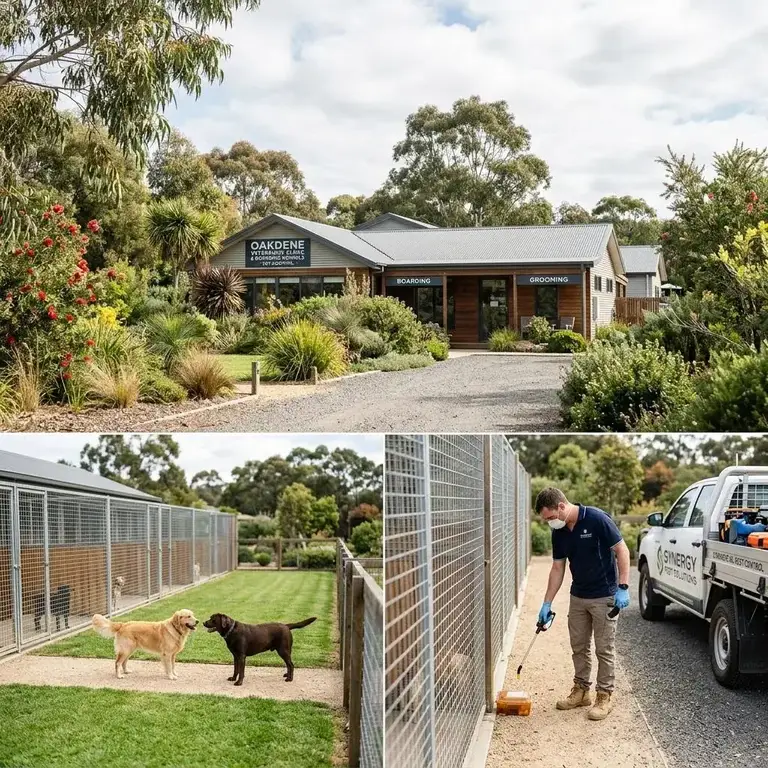
Pest Controlfor Vet Clinicsand Kennels
Pest control for vet clinics and kennels needs an animal-safe, targeted approach that eliminates fleas, ticks, rodents and cockroaches without putting...
Pest control for vet clinics and kennels demands a careful, animal-safe approach — one that eliminates fleas, ticks, rodents and cockroaches without putting patients, boarders or staff at risk. Every animal that walks through your door is a potential carrier, and every bag of feed in your storeroom is a potential rodent magnet.
In short, pest control for animal facilities is a planned program of inspection, prevention, animal-safe treatment and ongoing monitoring that keeps your premises hygienic, compliant and welcoming. This guide covers the common Australian pests, your regulatory obligations, realistic costs, and how a licensed technician works around animals safely — whether you run a city vet practice, a regional boarding kennel or a cattery anywhere in Australia.
- Fleas, paralysis ticks, brown dog ticks, rodents and cockroaches are the main pest threats in Australian vet clinics and kennels.
- Animal welfare codes of practice in most states require boarding and veterinary premises to be kept free of vermin — a pest problem can put your council permit at risk.
- All treatments should use APVMA-registered products applied by a licensed pest management technician, with records kept for audits.
- Typical professional servicing costs $150–$450 per visit for most facilities, with monthly programs offering the best value.
- Good sanitation — sealed feed storage, daily waste removal and weekly bedding washes — does most of the heavy lifting between visits.
Why Pest Control for Vet Clinics and Kennels Matters Across Australia
Animals arrive at your door carrying fleas, ticks and mites, and a single infested patient can seed an outbreak through waiting rooms, consult tables and boarding runs. Warm bedding, bulk pet food and animal waste create ideal harbourage and breeding conditions, so pests establish quickly if they are not managed early.
Australia’s climate makes the challenge harder. Along the humid Queensland and NSW coast, the paralysis tick (Ixodes holocyclus) threatens dogs and cats from spring through autumn, while German cockroaches breed year-round in warm hydrobath and laundry areas. In cooler southern states, rodents push indoors every autumn and winter, targeting roof voids and feed stores. Older Queenslander-style clinics with subfloor voids and brick veneer practices with weep holes both offer easy entry points — the building style changes, but the pressure doesn’t.
Beyond hygiene, there is a genuine health risk. Fleas spread tapeworm, paralysis ticks can kill dogs and cats, and rodents contaminate feed with Salmonella and Leptospira. Clients who spot a cockroach in reception rarely come back, so an infestation damages your reputation fast. For a broader look at how Australian businesses structure their pest programs, see Commercial Pest Control: What Australian Businesses Actually Need.
Warning Signs of a Pest Problem in Your Facility
The clearest warning signs are droppings, live or dead insects, and animals scratching more than usual — catching these early stops a minor issue becoming a full-blown infestation. Walk your facility weekly and check for the following:
- Flea dirt and scratching animals — black grit in bedding or on consult tables, and boarders scratching persistently, point to an active flea population.
- Rodent droppings and gnaw marks — small dark pellets near feed storage, chewed packaging, or greasy rub marks along walls and skirting.
- Cockroach sightings or egg cases — German cockroaches seen at night around kitchens, laundries and hydrobath areas, plus brown oothecae in cupboard hinges.
- Tick clusters in kennel walls — brown dog ticks hide in cracks, crevices and around run framing, often at dog head height.
- Ant trails into food storage — black house ants tracking along benchtops and into bulk feed bins.
- Fly activity around waste areas — bush flies gathering near yards and runs signal waste is not being removed often enough.
DIY Prevention vs Professional Pest Control for Animal Facilities
Good daily sanitation handles most prevention, but once pests are established inside an animal facility, only a licensed technician can treat them safely and effectively. Over-the-counter sprays and hardware-store baits are rarely suitable around animals, and misapplied products can create more risk than the pests themselves.
| Factor | DIY / in-house | Licensed professional |
|---|---|---|
| Best for | Daily sanitation, exclusion, early detection | Active infestations, routine monitoring, compliance |
| Products | Limited retail options, often unsuitable near animals | APVMA-registered gels, IGRs and tamper-resistant bait stations |
| Animal safety | Risk of incorrect placement or dosage | Low-toxicity products placed where animals cannot reach |
| Compliance records | Usually none | Service reports and chemical records for council audits |
| Long-term cost | Cheap until an outbreak forces emergency treatment | Predictable monthly spend that prevents infestations |
Pest Control Costs for Vet Clinics and Kennels in Australia (2025-26)
Across the Australian pest control industry, vet clinics and kennels typically pay between $150 and $450 per professional service visit, with market monthly programs generally running $1,800 to $4,000 a year depending on facility size and pest pressure. Industry rates vary with the number of runs, boarding capacity, feed storage areas and whether you need after-hours scheduling.
| Service | Typical market rate (AUD) | What’s included / notes |
|---|---|---|
| Initial inspection and report | $0–$250 | Site assessment, pest identification, tailored treatment plan; often free with a service agreement |
| General pest treatment (small clinic) | $150–$300 per visit | Gel baits, targeted residual spray, insect growth regulator where needed |
| Large kennel / boarding facility treatment | $250–$450 per visit | Multiple runs, feed stores and yards treated; tamper-resistant bait stations installed |
| Flea outbreak treatment | $200–$400 | Adulticide plus IGR; may need a follow-up visit 2–3 weeks later for emerging pupae |
| Rodent control program | $250–$500 initial, then per-visit monitoring | Bait stations, exclusion advice, ongoing station checks |
| Monthly service agreement | $150–$350 per month | Scheduled visits, monitoring, service reports and chemical records for audits |
These figures are typical industry ranges for the Australian market in 2025-26 — regional travel, severe infestations and after-hours work can push market costs higher. The same compliance logic applies across animal-adjacent businesses; our guide to Rodent Control for Restaurants and Cafes: Compliance Essentials covers similar record-keeping and audit expectations.
That said, Aussie Pest Strike typically comes in well under these market rates. For an exact quote tailored to your clinic or kennel, give us a call on [aps_phone].
Seasonal Pest Activity in Australian Animal Facilities
Pest pressure in vet clinics and kennels peaks from late spring through summer, when fleas, ticks, flies and cockroaches are all at their most active. Rodent pressure then rises in autumn and winter as rats and mice move indoors seeking warmth and feed.
Jan
Feb
Mar
Apr
May
Jun
Jul
Aug
Sep
Oct
Nov
Dec
Indicative combined pest pressure for Australian vet clinics and kennels. Flea, tick, fly and cockroach activity climbs sharply from September and peaks over summer, while the autumn-winter baseline reflects rodents moving indoors to feed stores and roof voids.
Winter’s rodent push is a good reminder that pest management applies to every kind of Australian premises — even residential complexes face the same seasonal cycle, as covered in Apartment Pest Control: A Strata and Unit Owner’s Guide.
The biggest mistake I see in kennels is treating the animal and forgetting the environment. Ninety-five per cent of a flea problem lives in bedding, carpet and run cracks — not on the dog. Get the environment right with growth regulators and good sanitation, and the rest follows.
Put your facility on a monthly or bi-monthly professional program with a licensed technician, backed by daily sanitation: sealed feed containers, twice-daily waste removal, weekly hot bedding washes and entry checks on every incoming animal. Step up monitoring from September to March, and keep every service report on file for council inspections.
Frequently Asked Questions
What pests are the biggest threat to vet clinics and kennels in Australia?
Fleas, paralysis ticks, brown dog ticks, rodents and cockroaches are the main pest threats in Australian vet clinics and kennels. Along the humid Queensland and NSW coast, paralysis ticks threaten dogs and cats from spring through autumn, while German cockroaches breed year-round in warm hydrobath and laundry areas. In cooler southern states, rodents move indoors each autumn and winter, targeting roof voids and feed stores.
Why do vet clinics and kennels attract pests so easily?
Every animal arriving at your door can carry fleas, ticks or mites, and a single infested patient can seed an outbreak through waiting rooms, consult tables and boarding runs. Warm bedding, bulk pet food and animal waste create ideal harbourage and breeding conditions, so pests establish quickly if they are not managed early. Building features like subfloor voids and weep holes also offer easy entry points.
What are the warning signs of a pest problem in an animal facility?
The clearest signs are droppings, live or dead insects, and animals scratching more than usual. Check weekly for flea dirt in bedding, rodent droppings and gnaw marks near feed storage, cockroach sightings or egg cases around kitchens and laundries, tick clusters in kennel wall cracks at dog head height, ant trails into food storage, and fly activity around waste areas.
How can I keep rodents out of animal feed storage areas at my clinic or kennel?
Good daily sanitation handles most prevention, but once pests are established inside an animal facility, only a licensed technician can treat them safely and effectively. Over-the-counter sprays and hardware-store baits are rarely suitable around animals, and misapplied products can create more risk than the pests themselves. Professionals use APVMA-registered products placed where animals cannot reach, with records kept for audits.
How much does professional pest control cost for a vet clinic or kennel?
Professional pest control pricing for vet clinics and kennels depends on facility size, the number of animal runs, boarding capacity, feed storage areas, and how often service visits are scheduled. Larger facilities with heavy pest pressure or after-hours requirements generally pay more than smaller clinics. Regional travel distances and the severity of any existing infestation also influence the final cost, so most providers quote after an on-site assessment.
What are my legal obligations for pest control as a boarding or veterinary premises?
Animal welfare codes of practice in most states require boarding and veterinary premises to be kept free of vermin, meaning a pest problem can put your council permit at risk. All treatments should use APVMA-registered products applied by a licensed pest management technician, with service reports and chemical records kept on file for council audits and inspections.
When is pest pressure highest for animal facilities during the year?
Pest pressure peaks from late spring through summer, when fleas, ticks, flies and cockroaches are all most active. Flea, tick, fly and cockroach activity climbs sharply from September and peaks over summer. Rodent pressure then rises in autumn and winter as rats and mice move indoors seeking warmth and feed in roof voids and feed stores.
How should I treat a flea outbreak in a kennel environment?
Treat the environment, not just the animal — ninety-five per cent of a flea problem lives in bedding, carpet and run cracks rather than on the dog. Professional treatment typically combines an adulticide with an insect growth regulator, and may need a follow-up visit two to three weeks later to catch emerging pupae. Daily sanitation and hot bedding washes support the program.
What happens during an initial inspection of my clinic or kennel by Aussie Pest Strike?
An initial inspection involves a site assessment, pest identification and a tailored treatment plan covering the specific risks in your facility, such as boarding runs, feed stores and hydrobath areas. Inspections are often free with a service agreement. The technician will identify active pests, entry points and harbourage areas before recommending an animal-safe treatment approach suited to your premises.
What ongoing prevention routine should I pair with Aussie Pest Strike servicing?
Put your facility on a monthly or bi-monthly professional program backed by daily sanitation: sealed feed containers, twice-daily waste removal, weekly hot bedding washes and entry checks on every incoming animal. Step up monitoring from September to March when fleas, ticks and cockroaches are most active, and keep every service report on file for council inspections.
Sources & further reading
Found Something
Dangerous?
Don’t touch it. Don’t spray it. Keep kids and pets clear, take a photo from a safe distance, and call us — or book a free inspection and we’ll come to you.
02 7235 0050