Pest Controlfor Salonsand Barbershops
Pest Control for Salons and Barbershops — Pest control for — Pest control salons — salon pest control keeps a client-facing business looking as professional...
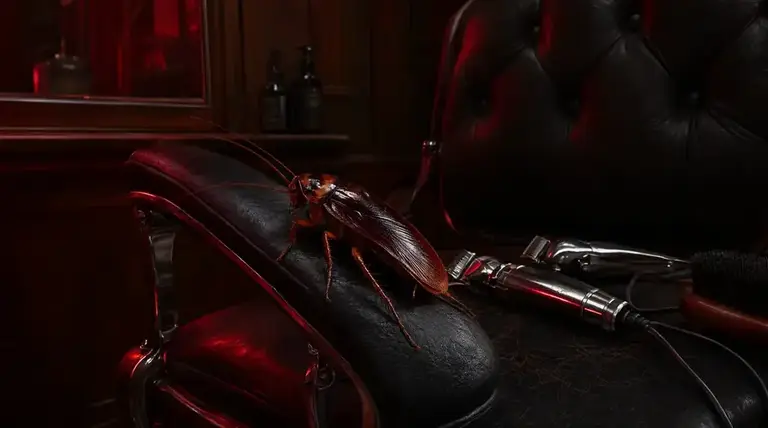
Effective salon pest control is a non-negotiable part of running a client-facing business in Australia, because a cockroach near the basins or ants at the coffee station can undermine trust in seconds. For hairdressing, barbering and beauty premises, it means scheduled inspections, monitoring and targeted treatments that protect hygiene standards, stock and your reputation without disrupting appointments.
Hair salons, nail bars and barbershops might seem low-risk compared to kitchens, but warm interiors, break-room snacks, product storage and hair debris all attract pests. This guide covers the species most likely to appear, how they get in, what prevention actually works, typical Australian pricing, and when a licensed technician is the smarter call over a supermarket spray.
- German cockroaches, black house ants, house mice and silverfish are the main pests in Australian salons and barbershops.
- Warm cavities behind hot-water systems, sterilisers and vending machines are prime cockroach harbourage.
- Shared walls in strip malls let pests migrate from neighbouring tenancies, so quarterly professional servicing is the baseline.
- Low-odour, APVMA-registered gel baits applied by a licensed technician protect clients, staff and flammable nail products.
- Budget roughly $180–$350 per quarterly service for a standard salon tenancy, with higher rates for larger or multi-room premises.
Why Salons and Barbershops Across Australia Attract Pests
Australian salons attract pests because they combine warmth, water, food and undisturbed storage in one small tenancy. The same conditions that make a treatment room comfortable for clients also suit cockroaches, ants and mice all year round.
Climate plays a big role. In Queensland and northern New South Wales, humid summers drive cockroach and ant activity indoors, while southern states see rodents push inside through autumn and winter as temperatures drop. Many strip-mall tenancies sit on concrete slabs with shared wall cavities, giving pests hidden runs between businesses. Older shopfronts with subfloor voids, and converted Queenslanders used as home salons, add even more entry points around stumps, vents and skirting boards.
Inside, the specifics matter. German cockroaches (Blattella germanica) exploit warm cavities behind hot-water systems, sterilisers and vending machines. Black house ants (Ochetellus) trail toward sugary drinks at reception and staff kitchens. House mice enter through gaps as small as 6–7 mm and nest in storerooms among towels and packaging. The principles are similar to those in Commercial Pest Control: What Australian Businesses Actually Need, but salons carry extra sensitivities around clients, chemicals and retail stock.
Does hair on the floor attract pests?
Accumulated hair itself isn’t a major food source, but it collects in corners with dust and product residue, creating harbourage where silverfish and cockroaches shelter. Frequent sweeping and sealed bins remove that harbourage before it becomes a problem.
Warning Signs Your Salon Has a Pest Problem
The clearest warning signs are droppings, egg cases, ant trails and musty odours in warm, hidden areas. Catching these early is far cheaper than treating an established infestation — or losing clients over a bad review.
- Pepper-like droppings in drawers, behind sterilisers or under wash basins — a classic German cockroach sign.
- Ant trails leading to the coffee station, reception sweets or staff kitchen, especially after rain.
- Small dark pellets and gnaw marks on towel cartons or product boxes in the storeroom, indicating mice.
- Smear marks along skirting boards and wall junctions where cockroaches travel at night.
- Drain flies hovering around wash basins, pointing to organic build-up in plumbing.
- Silverfish in towel cupboards and among cardboard packaging in storage areas.
- Musty, oily odour in warm cavities, which often signals an established cockroach population.
- Client sightings — if a customer mentions a spider or cockroach, assume there are more you haven’t seen.
DIY vs Professional Pest Control for a Salon
DIY sprays can knock down a visible ant trail, but they rarely fix the source in a salon, and broad spraying near clients creates its own risks. Effective salon pest control uses a licensed technician with targeted gel baits and integrated monitoring that break the colony at its source without contaminating workstations. This is the same discreet, integrated approach we apply across service businesses, including the venues in our gyms and fitness centres guide and the broader principles in our office pest control guide.
| Factor | DIY approach | Professional service |
|---|---|---|
| Effectiveness | Kills visible pests; often scatters cockroaches deeper into wall cavities | Targets the colony at the source with gel baits and monitoring |
| Safety around clients | Risk of residues on surfaces clients touch; odours linger | Low-odour, APVMA-registered products applied to label directions |
| Flammable products (nail salons) | No planning around acetone or ventilation | Treatment planned around ventilation and chemical separation |
| Cost | $15–$40 per spray can, repeated | $180–$350 per quarterly visit with warranty |
| Documentation | None for landlords, strata or insurers | Service reports and sighting logs for compliance |
Nail salons carry an added consideration: acetone and other flammable products mean any treatment must be planned around ventilation and safe chemical separation — another reason to use a licensed professional rather than off-the-shelf sprays.
How Much Does Salon Pest Control Cost in Australia?
Across the Australian market, salons typically pay between $180 and $350 per quarterly service, with annual programs across the industry generally ranging from $700 to $1,400 depending on size and pest pressure. The figures below reflect typical 2025–26 industry market rates for metro areas; regional and larger multi-room premises may sit higher.
| Service | Typical market rate (AUD) | What’s included/notes |
|---|---|---|
| Initial inspection and treatment | $220–$450 | Full assessment, targeted gel/bait placement, entry-point advice |
| Quarterly maintenance visit | $180–$350 | Monitoring, bait refresh, service report for landlord or strata |
| Bi-monthly program (strip-mall or food-serving salons) | $150–$280 per visit | Higher-frequency monitoring where pests migrate from neighbours |
| Rodent treatment (one-off) | $250–$500 | Trapping/baiting, follow-up visit, proofing recommendations |
| German cockroach knockdown | $300–$600 | Multi-visit program; established infestations need follow-ups |
Retail shelves of shampoos, oils and packaged product also give ants and cockroaches sheltered runs, especially where cartons sit unopened for months. Rotate stock, wipe shelving and store opened retail lines in sealed display units — a small habit that protects hundreds of dollars of inventory. Salons in shared buildings should also check how responsibilities are split, much like the guidance in Apartment Pest Control: A Strata and Unit Owner’s Guide, and food-serving venues face similar compliance logic to that in Rodent Control for Restaurants and Cafes: Compliance Essentials.
It’s worth knowing that Aussie Pest Strike typically comes in well under these general market rates, without cutting corners on treatment quality or reporting. For an exact quote tailored to your salon, call us on [aps_phone] today.
Seasonal Pest Activity in Australian Salons
Pest pressure in salons peaks through the warmer months from October to March and dips in mid-winter, though rodents often push indoors as temperatures fall. Warm salon interiors mean activity rarely drops to zero, which is why year-round monitoring matters.
Jan
Feb
Mar
Apr
May
Jun
Jul
Aug
Sep
Oct
Nov
Dec
Indicative pest activity in Australian salons: cockroaches and ants surge from late spring through summer, while rodent pressure rises in autumn and winter as mice seek warm storerooms.
In salons, the worst infestations we find are behind the hot-water system and under the wash basins — spots nobody checks between services. A quarterly visit with proper monitoring catches a German cockroach problem when it’s three insects, not three hundred. Discretion matters too; we schedule treatments before opening so clients never know we were there.
Book a quarterly professional service with low-odour gel baiting and monitoring, sweep and empty bins daily, store snacks in sealed containers, and seal gaps around skirting and plumbing. If you’re in a strip mall or serve food and drinks, step up to bi-monthly visits — and always use a licensed technician for any chemical treatment, especially in nail salons with flammable products on site.
Frequently Asked Questions
What pests are most common in Australian salons and barbershops?
The main pests in Australian salons and barbershops are German cockroaches, black house ants, house mice and silverfish. German cockroaches shelter in warm cavities behind hot-water systems, sterilisers and vending machines, while black house ants trail toward sugary drinks at reception and staff kitchens. House mice squeeze through gaps as small as 6–7 mm and nest in storerooms among towels and packaging, and silverfish gather in towel cupboards and cardboard storage.
Does hair on the salon floor attract pests?
Accumulated hair itself is not a major food source for pests, but it collects in corners along with dust and product residue, creating harbourage where silverfish and cockroaches can shelter. Frequent sweeping and using sealed bins removes that harbourage before it develops into a larger problem, making daily floor care one of the simplest prevention habits a salon or barbershop can maintain.
What are the warning signs of a pest problem in a salon?
Key warning signs include pepper-like droppings in drawers or behind sterilisers, ant trails leading to the coffee station or reception sweets, small dark pellets and gnaw marks on towel cartons indicating mice, smear marks along skirting boards, drain flies around wash basins, silverfish in towel cupboards, musty oily odours in warm cavities, and client sightings of spiders or cockroaches, which usually mean more pests remain hidden.
Why do strip-mall salons face higher pest pressure?
Many strip-mall tenancies sit on concrete slabs with shared wall cavities, giving pests hidden runs between neighbouring businesses. Pests can migrate from adjacent tenancies such as food outlets, so a salon's own hygiene alone may not prevent infestations. Salons in shared buildings should also clarify how pest responsibilities are split with the landlord or strata, and step up to bi-monthly professional servicing rather than quarterly visits.
Is DIY pest control suitable for a salon?
DIY sprays can knock down a visible ant trail but rarely fix the source, and they often scatter cockroaches deeper into wall cavities. Broad spraying near clients risks residues on surfaces clients touch, lingering odours, and no planning around flammable nail products like acetone. Professional treatment uses low-odour, APVMA-registered gel baits applied by a licensed technician, targeting colonies at the source with service reports for compliance.
Why do nail salons need special consideration during pest treatment?
Nail salons store acetone and other flammable products, so any chemical treatment must be planned around ventilation and safe chemical separation. Off-the-shelf sprays offer no such planning and can create safety risks near these products. A licensed technician will schedule and apply low-odour, APVMA-registered treatments to label directions, protecting clients, staff and stock without contaminating workstations.
How can salon owners prepare their premises before a pest control visit?
Salon pest control pricing varies with premises size, pest type, and service frequency. Most operators choose quarterly maintenance visits, while initial inspections and treatments usually cost more than follow-up appointments. Annual programs often work out cheaper per visit than one-off callouts. Rodent and German cockroach treatments typically require multiple visits, which affects the total. Regional salons and larger multi-room premises may attract higher rates than standard metro salons, so request quotes from several local providers.
How does seasonal activity affect salon pest control timing?
Pest pressure in salons peaks through the warmer months from October to March, when cockroaches and ants surge indoors, particularly in humid Queensland and northern New South Wales summers. In southern states, rodents push inside through autumn and winter as temperatures drop, seeking warm storerooms. Warm salon interiors mean activity rarely drops to zero, which is why year-round monitoring and scheduled servicing matter rather than reactive one-off treatments.
What information should I provide when booking pest control for my salon?
When contacting Aussie Pest Strike about your salon or barbershop, it helps to describe the premises type (hairdressing, barbering or nail services), whether you serve food and drinks, whether you are in a shared building or strip mall, and any warning signs you have noticed such as droppings, ant trails or client sightings. Mentioning flammable products on site, such as acetone, allows treatment to be planned safely around ventilation and chemical separation.
What is the recommended next step if I suspect pests in my salon?
The article recommends booking a quarterly professional service with low-odour gel baiting and monitoring, ideally scheduled before opening so clients never notice. Aussie Pest Strike can assess your tenancy and recommend the right frequency — quarterly as a baseline, or bi-monthly if you are in a strip mall or serve food and drinks. In the meantime, sweep and empty bins daily, seal snack containers, and avoid DIY sprays that scatter cockroaches into wall cavities.
Sources & further reading
Found Something
Dangerous?
Don’t touch it. Don’t spray it. Keep kids and pets clear, take a photo from a safe distance, and call us — or book a free inspection and we’ll come to you.
02 7235 0050