Mosquito Seasonin Australia: AState-by-State Guide
Mosquito season in Australia runs broadly from spring to autumn, but it varies sharply by state: southern cities like Melbourne see a defined...
Mosquito season in Australia runs broadly from spring through autumn, but the timing shifts dramatically depending on where you live. Southern cities like Melbourne and Adelaide see a defined November-to-April season, while tropical Queensland and the Northern Territory cope with biting mosquitoes almost year-round. Knowing when your local season starts lets you act before numbers explode — rather than after the bites begin.
Mosquito season is the period each year when temperature and moisture conditions allow mosquito eggs to hatch, larvae to develop and adult mosquitoes to emerge in biting numbers. This guide breaks the season down state by state, explains what drives it, and shows you how to time prevention — including when professional pest control makes more sense than DIY. As part of your seasonal planning, it also pays to think about the wider pest picture; for example, if you’re in Sydney, our guide to common summer pests in Sydney homes and how to stop them covers the other invaders that arrive alongside mosquitoes.
- Mosquito season runs November to April in the south, September to May in Queensland, and effectively year-round across the Top End.
- Temperature and moisture drive everything — expect population surges one to two weeks after heavy rain, flooding or king tides.
- Saltmarsh mosquitoes like Aedes vigilax can fly up to 10 km inland, so coastal living isn’t a prerequisite for problems.
- Book professional barrier treatments in early spring, before adult numbers build, and clear standing water within 48 hours of rain.
- Professional mosquito treatments typically cost $180–$450 per visit for a standard residential block in 2025-26.
Why Mosquito Season Matters Across Australia
Mosquito season matters because Australian mosquitoes aren’t just a nuisance — several species carry Ross River virus, Barmah Forest virus and, in the far north, dengue. With activity governed by temperature and moisture, development slows below about 15°C and accelerates above 25°C, which is why the December-to-February peak lands squarely on school holidays, barbecues and outdoor living.
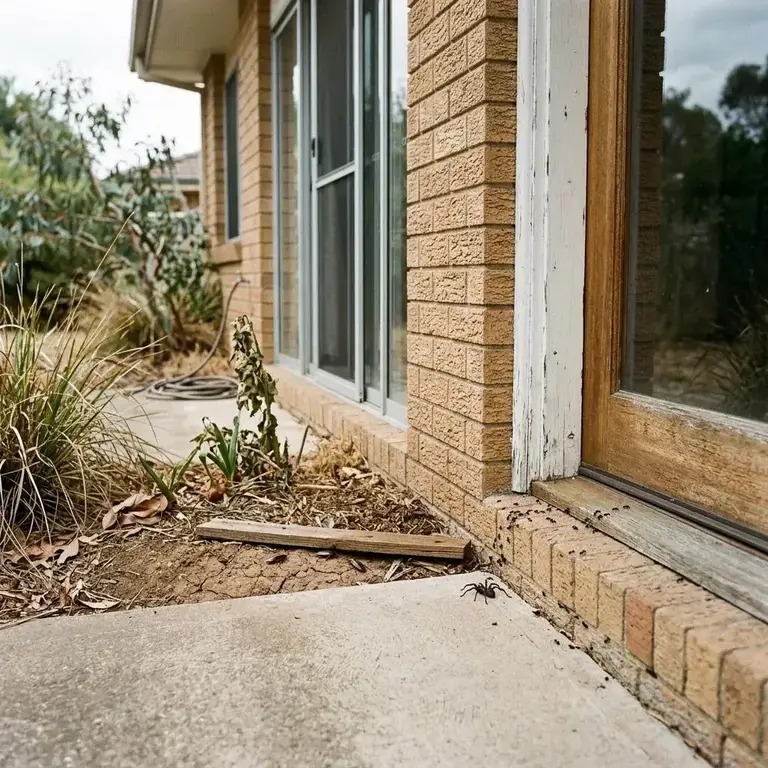
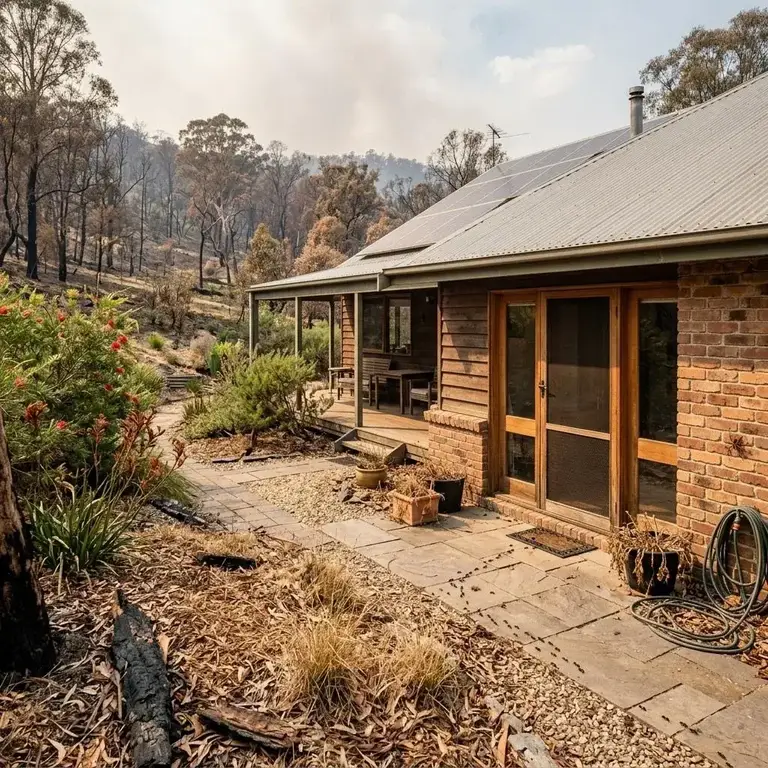
Housing style plays a role too. Elevated Queenslanders with open subfloors create cool, shaded resting sites that mosquitoes love during the day, while slab-on-ground brick veneer homes in southern suburbs tend to suffer most when gardens, gutters and water features hold moisture. Add rainfall or king tides that flood breeding habitat, and populations can surge within a fortnight. In humid coastal regions the problem compounds — the same moisture that drives mosquitoes also attracts other pests, which is why we’ve written about the hidden connection between humidity and pests on the Gold Coast.
Warning Signs Mosquito Season Is Hitting Your Property
The clearest warning sign is being bitten at dawn or dusk, but several earlier indicators let you act before the population peaks. Run through this checklist as spring arrives:
- Bites at dawn and dusk – the classic sign that local adults are active and breeding nearby.
- Wrigglers in standing water – larvae visible in birdbaths, pot plant saucers, buckets or blocked gutters mean new adults are days away.
- Resting mosquitoes in shaded areas – check under decks, in dense shrubs, behind sheds and beneath Queenslander subfloors during the day.
- A spike after rain or king tides – numbers typically jump one to two weeks after a flood event or tidal inundation.
- Increased evening swarms – visible clouds of small flying insects around outdoor lights as temperatures climb past 25°C.
DIY vs Professional Mosquito Control
DIY measures — tipping out standing water, fitting screens, using repellents and running outdoor fans — are essential and genuinely reduce bites, but they can’t suppress a breeding population coming from a wetland, creek or neighbour’s yard. Professional pest control adds residual barrier treatments to foliage and resting surfaces, larvicide applications to water that can’t be emptied, and a seasonal program matched to your state’s timing.
| Factor | DIY approach | Professional treatment |
|---|---|---|
| Upfront cost | $20–$150 on repellents, coils and traps | $180–$450 per visit |
| Coverage | Personal protection and small breeding sites | Whole yard, foliage, subfloor and resting areas |
| Duration | Hours to days per product | Barrier residuals typically last 4–8 weeks |
| Best for | Light pressure, inner-suburban blocks | Properties near wetlands, rivers, estuaries or in the tropics |
| Chemical safety | Consumer-grade products only | APVMA-registered products applied by licensed technicians |
Mosquito Pest Control Costs in Australia (2025-26)
Across the Australian pest control industry, professional mosquito treatment for a standard residential block generally runs between $180 and $450 per visit, with seasonal programs usually working out cheaper per treatment than one-off callouts. What the market charges varies with block size, vegetation density, proximity to breeding habitat and whether larvicide work is needed.
| Service | Typical market rate (AUD) | What’s included/notes |
|---|---|---|
| Single barrier treatment | $180–$350 | Residual spray to foliage, fences, eaves and resting sites |
| Large or heavily vegetated block | $300–$450 | Extended coverage, subfloor and dense garden treatment |
| Larvicide treatment | $80–$180 add-on | Treatment of ponds, water features and un-drainable water |
| Seasonal program (3–4 visits) | $450–$1,100 | Spring start, summer top-ups; recommended for QLD and NT |
| Event treatment | $200–$400 | Pre-event knockdown for weddings and outdoor functions |
Those figures are the going market rates across the industry — and Aussie Pest Strike typically comes in well under them. For an exact quote on your property, give us a call on [aps_phone].
Mosquito Season Activity by Month
Nationally, mosquito activity builds from September, peaks between December and February, and tapers off through autumn — with the tropics maintaining moderate pressure year-round. The chart below shows typical relative activity across Australia; your state will skew earlier (QLD, NT, WA) or later and shorter (VIC, SA, TAS).
Jan
Feb
Mar
Apr
May
Jun
Jul
Aug
Sep
Oct
Nov
Dec
Typical national mosquito activity by month. Southern states follow this curve closely; tropical QLD and the NT rarely drop below 40–50% even in the dry season. Rain, floods and king tides can spike any month above its baseline.
State-by-State Mosquito Season Breakdown
Peak mosquito season ranges from a short December-to-March window in Tasmania to a near year-round battle in the Northern Territory. Use the table below to find your state’s window and the local factors that drive it.
| State/Territory | Peak mosquito season | Notes |
|---|---|---|
| NSW | Nov – Apr | Saltmarsh species along the coast; inland surges after floods |
| VIC | Nov – Apr | Defined season; Murray region hotspots. Cooler months shift focus indoors — see winter pest problems in Melbourne |
| QLD | Sep – May (year-round in far north) | Longest season; dengue and Ross River virus risk |
| WA | Oct – May | Peel region and Swan estuary saltmarsh breeding |
| SA | Nov – Apr | River Murray floodplains drive inland numbers |
| NT | Year-round, worst in the wet (Nov – Apr) | Highest disease-vector diversity in the country |
| TAS | Dec – Mar | Shortest, mildest season |
The Species Behind the Bites
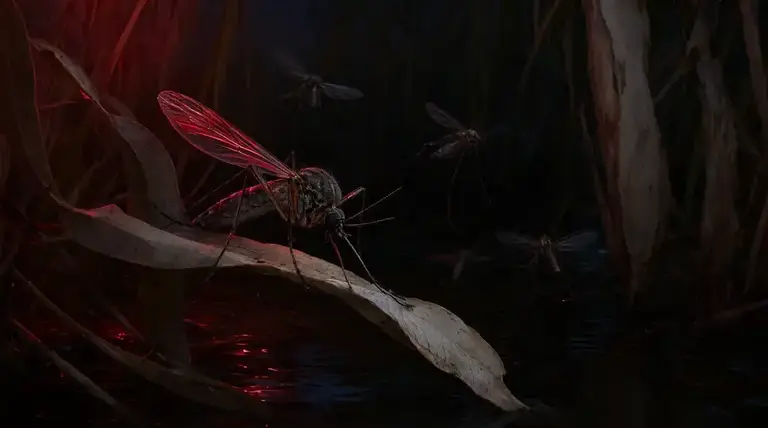
In southern states, the common banded mosquito Culex annulirostris is the major inland pest and the key Ross River virus vector, booming after River Murray flooding across SA, Victoria and NSW. Along the coast, saltmarsh mosquitoes such as Aedes vigilax breed in tidal wetlands and can fly up to 10 km inland, meaning suburbs well back from the water still cop them.
In the far north, Aedes aegypti raises dengue concerns, and the introduced Asian tiger mosquito remains a biosecurity watch species at northern ports. Fixed calendar dates only tell half the story: a wet spring across the Murray–Darling floodplains can produce enormous inland Culex broods, while king tides flood coastal saltmarsh and trigger sudden Aedes surges within a fortnight. After any major rain or flood event, expect numbers to spike roughly one to two weeks later — the lag it takes eggs to become biting adults. If you live near a river, wetland or estuary, watch the weather as closely as the calendar.
The biggest mistake we see is people calling us in January once they’re already being bitten every night. By then the population’s established and you’re playing catch-up. Book a barrier treatment in early spring, keep on top of standing water after every downpour, and mosquito season becomes manageable instead of miserable.
Book a professional barrier treatment in September or October, before adult numbers build. Between visits, clear standing water within 48 hours of rain, stay alert around king tides if you’re coastal, and treat prevention in QLD and the NT as an ongoing program rather than a one-off. Getting ahead of the season is far more effective than reacting to it.
Frequently Asked Questions
When does mosquito season start and finish in each Australian state?
Peak mosquito season varies widely. NSW, Victoria, South Australia and the ACT region run roughly November to April, with Tasmania's season shorter still at December to March. Western Australia runs October to May, Queensland stretches from September to May and is effectively year-round in the far north, while the Northern Territory faces mosquitoes all year, worst during the November-to-April wet season.
Why do mosquito numbers surge after heavy rain or king tides?
Temperature and moisture drive the entire mosquito lifecycle — eggs hatch, larvae develop and adults emerge once conditions suit. When rain, flooding or king tides inundate breeding habitat such as saltmarshes, floodplains or backyard containers, populations can jump within one to two weeks. That lag is roughly how long it takes eggs to become biting adults, so expect a spike about a fortnight after any major wet event.
Which mosquito species cause most of the biting in Australia?
In southern inland areas, the common banded mosquito Culex annulirostris is the major pest and key Ross River virus vector, booming after River Murray flooding across SA, Victoria and NSW. Coastal areas deal with saltmarsh species like Aedes vigilax, which breed in tidal wetlands and can fly up to 10 km inland. In the far north, Aedes aegypti raises dengue concerns, and the Asian tiger mosquito remains a biosecurity watch species.
Can I get mosquito problems even if I don't live near the coast?
Yes. Saltmarsh mosquitoes such as Aedes vigilax can fly up to 10 km inland from tidal wetlands, so suburbs well back from the water still experience significant biting pressure. Inland areas face their own risks too — a wet spring across the Murray–Darling floodplains can produce enormous broods of Culex annulirostris after River Murray flooding, affecting communities across SA, Victoria and NSW well away from any coastline.
What early warning signs show mosquito season is hitting my property?
Watch for bites at dawn and dusk, wrigglers (larvae) in birdbaths, pot saucers, buckets or blocked gutters, and adult mosquitoes resting by day under decks, in dense shrubs, behind sheds or beneath Queenslander subfloors. A visible spike one to two weeks after rain or king tides is another strong indicator, as are evening swarms of small flying insects around outdoor lights once temperatures climb past 25°C.
What can DIY mosquito control realistically achieve compared with professional treatment?
DIY measures like tipping out standing water, fitting screens, using repellents and running outdoor fans are essential and genuinely reduce bites, but they cannot suppress breeding populations coming from wetlands, creeks or neighbouring properties. Professional treatment adds residual barrier sprays to foliage and resting surfaces, larvicide for water that cannot be emptied, and seasonal programs matched to your state's timing, typically lasting four to eight weeks per application.
When is the best time to book professional mosquito treatment?
Book a barrier treatment in September or October, before adult numbers build for the season. Acting early stops you playing catch-up against an established population — a common mistake is waiting until January when bites are already happening nightly. Between visits, clear standing water within 48 hours of rain, watch king tides if coastal, and treat prevention in Queensland and the Northern Territory as an ongoing program rather than a one-off.
How does housing style affect mosquito problems around Australian homes?
Housing design matters. Elevated Queenslanders with open subfloors create cool, shaded resting sites that mosquitoes favour during the day, making subfloor checks important. Slab-on-ground brick veneer homes common in southern suburbs tend to suffer most when gardens, gutters and water features hold moisture. In humid coastal regions, the same moisture that drives mosquitoes also attracts other pests, compounding the seasonal problem.
Can I check whether Aussie Pest Strike handles mosquito treatments in my area?
Aussie Pest Strike provides professional mosquito control including residual barrier treatments, larvicide applications and seasonal programs timed to your state's mosquito season. Because coverage varies by location, the simplest way to confirm service availability for your property is to get in touch directly and describe your situation — whether you are near coastal saltmarsh, inland floodplains or dealing with year-round tropical pressure.
What should I do next if mosquitoes are already established around my home?
If adults are already biting nightly, start by clearing all standing water within 48 hours of each rainfall and running through the warning-sign checklist for larvae and resting sites. Then contact Aussie Pest Strike for advice on a barrier treatment suited to your situation — properties near wetlands, rivers or estuaries generally benefit from professional treatment rather than DIY alone, and an exact quote can be provided for your specific block.
Sources & further reading
Found Something
Dangerous?
Don’t touch it. Don’t spray it. Keep kids and pets clear, take a photo from a safe distance, and call us — or book a free inspection and we’ll come to you.
02 7235 0050