Bird Mites andLice: When Nests Becomea Pest Problem
Bird Mites and Lice — Bird mites and — bird mites become a household pest when the birds they feed on abandon a nest the mites then move indoors searching...
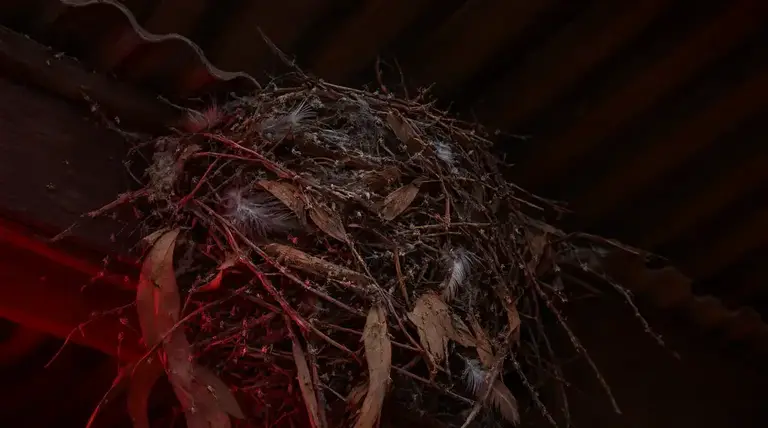
Bird mites become a household pest the moment the birds they feed on abandon a nest — deprived of their host, thousands of mites migrate indoors searching for a blood meal, and people start getting bitten. If you’ve ever thought “i can’t see anything, but something is biting me at night,” an abandoned nest overhead is the first thing to check. Bird mites are tiny (under 1 mm) parasitic mites that live in bird nests and invade homes when nestlings fledge or die, causing itchy bites until the nest is removed and the area treated.
The fix is always the same two-part job: remove the nest and treat the affected area. Sprays alone never solve a bird mite problem, because the source keeps producing mites. This guide covers how to identify an infestation, when it’s most likely to happen across Australia, what treatment involves, what it costs, and how to stop birds — and their mites — coming back.
- Bird mites (mainly the starling mite, Ornithonyssus bursa) invade homes when a nest is abandoned — they cannot breed on humans and usually die within about three weeks indoors.
- Persistent human bites almost always point to mites, not bird lice, which are host-specific and rarely bite people.
- The only lasting fix is a two-part job: remove the nest, then treat entry routes, cavities and affected rooms.
- Infestations peak in spring and early summer (September to December) when chicks fledge.
- Long-term prevention means excluding birds with professional bird proofing, especially around roofs and solar panels.
Why i see bird mite problems right across Australia
Bird mites matter Australia-wide because our climate and housing give birds — and their mites — ideal conditions. Warm springs trigger mass fledging events, and the way Australian homes are built gives birds countless nesting sites directly above living spaces.
In Queensland and northern NSW, long warm seasons mean pigeons, starlings and Indian mynas can raise multiple broods a year, multiplying the number of abandoned nests. In southern states, the breeding pulse is compressed into September–December, which is why pest control calls about mystery bites spike sharply in late spring. Housing style plays a big role too. Older Queenslanders on stumps have open eaves and wall cavities birds love. Brick veneer homes have weep holes and gable vents that admit starlings. Tile roofs lift and gap over time, creating voids, and even modern slab-on-ground homes typically have roof cavities accessible through broken tiles, ridge caps and gutters.
The trigger is nearly always a nest linked to pigeons nesting on your roof or birds sheltering under rooftop solar arrays. Solar panels create a warm, sheltered cavity that pigeons find irresistible — which is why solar panel bird proofing has become one of the most effective ways to prevent mite migrations before they start.
Warning signs of a bird mite infestation
The clearest warning sign is itchy bites that start suddenly within days of chicks leaving a nest in your roof or eaves. Bird mite bites are commonly mistaken for bed bugs, scabies or an allergic rash, so check for these clues before going down the wrong treatment path:
- Crawling or prickling sensations on the skin, especially at night when mites are most active
- Small itchy red bites, often clustered on the arms, neck and torso
- Tiny moving specks (under 1 mm, semi-translucent, turning reddish after feeding) on light-coloured windowsills, walls, ceilings or bedding
- Sudden onset of symptoms coinciding with birds nesting or fledging overhead
- Mites emerging near downlights, ceiling vents and cornices — their main entry routes from the roof void
- Recent bird activity — scratching or chirping in the roof that has suddenly gone quiet (a fledging or nest failure event)
One useful distinction: bird lice are host-specific and rarely bite humans, so persistent human bites almost always point to mites. And remember — bird mites can’t survive long on human blood. If you’re thinking “i keep getting bitten but there’s nothing in my bedding,” that pattern fits mites dispersing from above, not a bed bug problem.
DIY vs professional bird mite treatment
DIY steps help manage bites in the short term, but only professional pest control reliably eliminates the source. You can hot-wash bedding, vacuum thoroughly, and tape over downlight gaps in affected rooms to slow mite entry — but until the nest is located, removed and the voids treated, mites will keep emerging. A single nest can hold tens of thousands of mites, and nests are often hidden in roof voids, wall cavities or under solar panels where DIY access is difficult or unsafe.
| Factor | DIY approach | Professional treatment |
|---|---|---|
| Finding the nest | Guesswork; nests in wall cavities and under panels easily missed | Systematic roof void and exterior inspection to locate every nest |
| Nest removal | Risky at height; disturbing a nest can worsen mite dispersal | Safe removal with containment, followed by void treatment |
| Treating mites | Supermarket sprays treat symptoms, not cavity populations | Licensed technicians apply professional-grade products to cavities, entry routes and affected rooms |
| Preventing return | Rarely addressed; birds re-nest and the cycle repeats | Bird control & proofing excludes birds long-term |
| Time to relief | Weeks of ongoing bites while mites slowly die off | Source eliminated in a single visit in most cases |
Bird mite treatment costs in Australia (2025–26)
Across the Australian pest control industry, most households are quoted between $250 and $900 AUD for complete bird mite treatment, depending on nest location and whether bird proofing is included. The figures below are typical market rates charged by the industry nationally — a proper quote requires an inspection, because a nest in an open gutter is a very different job to one inside a wall cavity or under a solar array.
| Service | Typical market rate (AUD) | What’s included/notes |
|---|---|---|
| Inspection and quote | $0–$120 | Often free with booking; locates nest and entry points |
| Nest removal and mite treatment | $250–$550 | Nest extraction, treatment of voids, downlights, cornices and affected rooms |
| Multiple nests / severe infestation | $450–$900 | Large roof voids, wall cavity work, follow-up visit |
| Bird proofing (eaves, vents, gutters) | $400–$1,500 | Mesh and exclusion work to prevent re-nesting |
| Solar panel bird proofing | $500–$1,800 | Panel perimeter mesh plus clean-out of nesting material and droppings |
Bird-proofing solar panels should always be done as a clean-out, not just a seal — trapping an active nest under mesh guarantees a mite migration indoors. Nesting material and droppings also carry their own risks; see our guide to bird droppings: health risks and safe cleanup before handling any nest debris yourself.
The rates above reflect what the Australian industry generally charges — Aussie Pest Strike typically comes in well under these market rates for the same scope of work. For an exact quote tailored to your property, call us on [aps_phone].
Seasonal activity: when bird mites strike
Bird mite migrations peak in spring and early summer, roughly September to December, when nestlings fledge or die and mites disperse en masse. Activity is lowest through autumn and winter, though warm northern regions can see problems almost year-round where pigeons breed continuously.
Jan
Feb
Mar
Apr
May
Jun
Jul
Aug
Sep
Oct
Nov
Dec
Typical Australian bird mite activity. Calls surge from September as nesting season peaks, crest in November when most chicks fledge, and taper through late summer as nests empty and mite populations die off.
Nine times out of ten, when a customer says “i think i have bed bugs” but the bites started right after the noisy birds in the roof went quiet, it’s bird mites. Spraying the bedroom does nothing — you’ve got to get into the roof void, pull the nest out and treat the cavity, then proof the entry points or you’ll be back next spring.
Don’t waste weeks treating bites while the source keeps producing mites. Book an inspection, have the nest professionally removed and the voids treated by a licensed technician, and invest in bird proofing — especially around solar panels — so the problem can’t repeat next season. For a full walkthrough of panel protection, see Bird-Proofing Solar Panels: A Complete Guide.
Frequently Asked Questions
What are bird mites and why do they invade homes?
Bird mites, mainly the starling mite (Ornithonyssus bursa), are tiny parasitic mites under 1 mm long that live in bird nests and feed on chicks. When nestlings fledge or die, the mites lose their host and migrate indoors in search of a blood meal. A single abandoned nest can hold tens of thousands of mites, which emerge near downlights, ceiling vents and cornices until the nest is removed.
How do I tell bird mites apart from bed bugs or bird lice?
Bird mite bites often start suddenly within days of chicks leaving a nest overhead, with crawling or prickling sensations at night and small itchy red bites on the arms, neck and torso. If you keep getting bitten but find nothing in your bedding, that pattern points to mites dispersing from above rather than bed bugs. Bird lice are host-specific and rarely bite humans, so persistent human bites almost always indicate mites.
When is bird mite season in Australia?
Bird mite migrations peak in spring and early summer, roughly September to December, when nestlings fledge or die and mites disperse en masse. Calls typically surge from September as nesting peaks, crest in November when most chicks fledge, and taper through late summer. Activity is lowest in autumn and winter, though warm northern regions such as Queensland can see problems almost year-round where pigeons breed continuously.
Why do solar panels make bird mite problems worse?
Solar panels create a warm, sheltered cavity that pigeons find irresistible for nesting. Nests under panels are hidden from view and difficult to access safely, so infestations often go unnoticed until mites migrate indoors after the birds leave. Professional solar panel bird proofing, done as a clean-out before sealing with perimeter mesh, is one of the most effective ways to prevent mite migrations before they start.
Can I get rid of bird mites myself with supermarket sprays?
Sprays alone never solve a bird mite problem because the source keeps producing mites. You can hot-wash bedding, vacuum thoroughly and tape over downlight gaps to slow mite entry, but until the nest is located, removed and the voids treated, mites will keep emerging. Nests are often hidden in roof voids, wall cavities or under solar panels where DIY access is difficult or unsafe, so professional treatment is usually needed.
How long do bird mites survive indoors without their host?
Bird mites cannot breed on humans and usually die within about three weeks indoors without their bird host. However, waiting them out means weeks of ongoing bites while the source nest continues producing new mites. The only lasting fix is a two-part job: remove the nest, then treat entry routes, cavities and affected rooms so remaining mites cannot reach living spaces.
What does professional bird mite treatment involve?
Professional treatment starts with a systematic inspection of the roof void and exterior to locate every nest. Technicians then remove nests safely with containment, apply professional-grade products to cavities, downlights, cornices, entry routes and affected rooms, and address re-nesting risk through bird proofing. In most cases the source is eliminated in a single visit, compared with weeks of bites using DIY methods alone.
How can I stop birds nesting on my roof and prevent future mite problems?
Long-term prevention means excluding birds with professional bird proofing, especially around roofs and solar panels. Common entry points include open eaves and wall cavities in older Queenslanders, weep holes and gable vents in brick veneer homes, gaps under tile roofs, ridge caps and gutters. Any proofing should be done as a clean-out first — trapping an active nest under mesh guarantees a mite migration indoors.
How can Aussie Pest Strike help me work out whether I have bird mites or something else like bed bugs?
Mystery night-time bites are commonly mistaken for bed bugs, scabies or an allergic rash, but the timing gives it away: if the biting started soon after noisy birds in your roof went quiet, bird mites are the likely culprit. Aussie Pest Strike technicians can inspect your roof void, eaves and solar panels for active or abandoned nests, check for mites around downlights and cornices, and confirm what is actually biting you before any treatment begins.
What should my next step be if I suspect a bird mite infestation in my roof?
The practical next step is booking an inspection so the nest can be located before mites spread further through the house. Aussie Pest Strike can inspect your roof void, wall cavities and solar panel array, remove any nests found, treat the affected voids and rooms, and advise on bird proofing options such as panel mesh or vent covers to stop birds re-nesting next spring. Avoid handling nest debris yourself, as droppings and nesting material carry health risks.
Sources & further reading
Found Something
Dangerous?
Don’t touch it. Don’t spray it. Keep kids and pets clear, take a photo from a safe distance, and call us — or book a free inspection and we’ll come to you.
02 7235 0050