Building andPest vsTermite-Only Inspections
Inspections: a building and pest inspection covers the structural condition of a property plus all timber pests, while a termite-only inspection focuses...
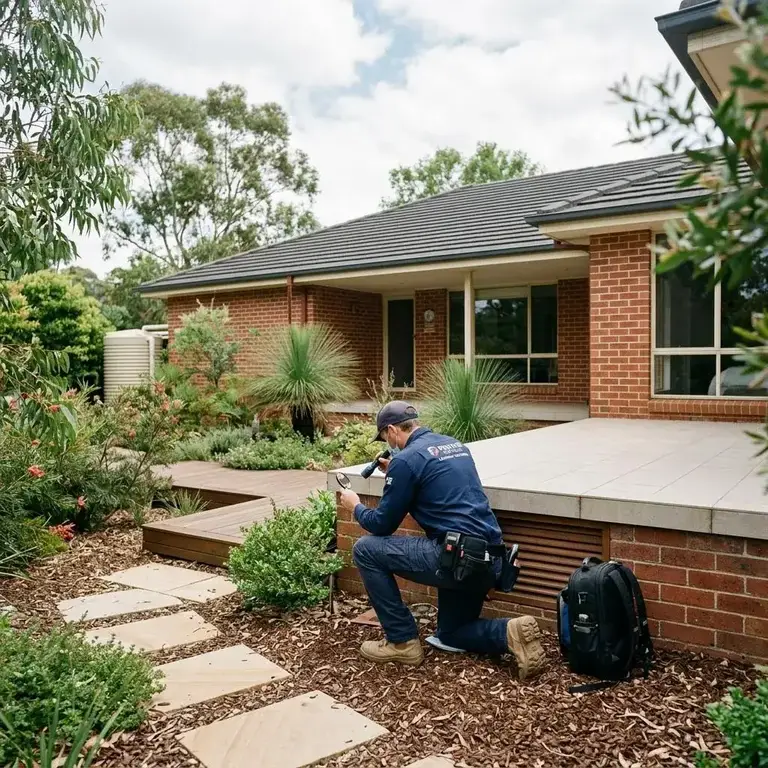
If you’re weighing up a building and pest inspection against a termite-only inspection, the short answer is this: buyers almost always need the combined report, while existing owners doing routine maintenance usually only need the termite check. Whether you’re a first-home buyer in Brisbane asking “which one suits u?”, a Sydney investor, or a long-term owner in Perth, picking the wrong scope can leave serious gaps in your due diligence.
A building and pest inspection assesses the structural condition of a property plus all timber pests, while a termite-only inspection focuses solely on termites, termite damage and conducive conditions — that single distinction drives everything else in this guide. Below we compare scope, cost, timing and seasonal termite pressure across Australia so you can book the right inspection with confidence, not guesswork.
- A building and pest inspection covers structural defects, cracking, rising damp, roof and plumbing visuals, plus all timber pests — it’s the standard for pre-purchase due diligence.
- A termite-only inspection targets active termites, damage and conducive conditions, and aligns with AS 3660.2 and AS 4349.3 — ideal for annual monitoring once you own the home.
- Both reports are non-invasive and visual under AS 4349, so concealed damage in wall cavities may not be detected.
- Typical 2025-26 pricing: termite-only inspections roughly $250-$450 AUD; combined building and pest inspections roughly $450-$800 AUD depending on size and location.
- Book during the cooling-off period or subject to a satisfactory inspection clause, and always use a licensed inspector with a written report.
Why Your building and pest inspection Choice
Australia has some of the highest termite pressure in the world, and our housing stock makes the inspection question genuinely high-stakes. Subterranean termites such as Coptotermes acinaciformis — the country’s most destructive species — thrive from the Queensland coast down through northern NSW and into temperate southern cities.
Housing style changes the risk profile. Elevated Queenslanders with open subfloors give termites multiple concealed entry points, while slab-on-ground brick veneer homes in newer estates can hide activity behind weep holes and garden beds built up against walls. Older weatherboard and timber-framed homes face compounded risk from borers and wood decay fungi as well as termites, which is why our article on pest control in older Australian homes stresses combined assessments. Meanwhile, owners of recently completed homes often assume a new build is safe — our guide to pest control for new builds and what Australian owners miss explains why that assumption is dangerous. Warm, humid conditions along the Queensland and northern NSW coasts keep termite pressure high for much of the year, so the inspection type u choose genuinely affects what gets found.
Warning Signs U Need an Inspection Sooner Rather Than Later
Book an inspection immediately if you spot any of the following — don’t wait for an annual schedule. These signs suggest active termites, timber pest damage or structural issues that a visual inspection can confirm.
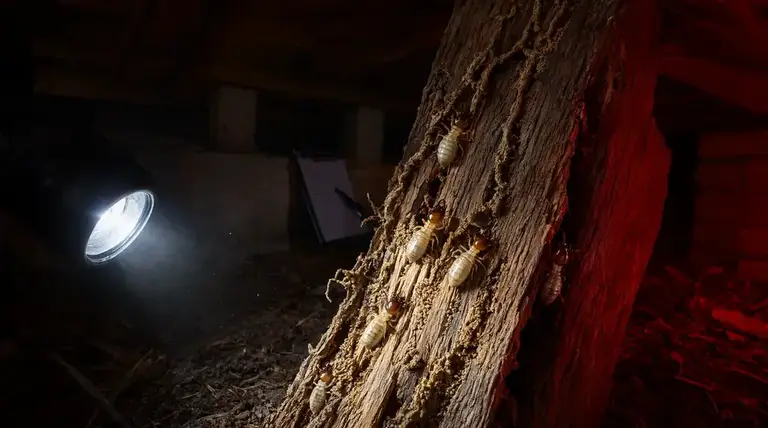
- Mud leads or shelter tubes on brickwork, stumps, piers or inside the subfloor — classic subterranean termite highways.
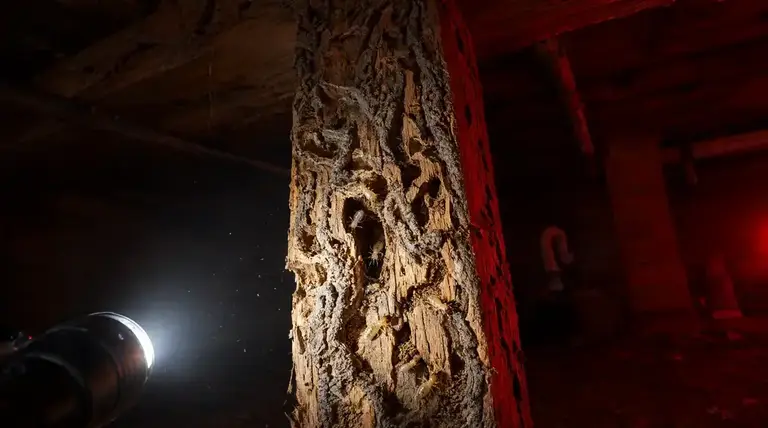
- Hollow-sounding timber when you tap skirting boards, architraves or window frames.
- Discarded wings near windowsills or light fittings after a warm, humid evening — evidence of an alate (flying termite) swarm.
- Fine frass or bore dust beneath furniture or along skirting, pointing to borer activity.
- Cracking in walls or cornices, sticking doors, or uneven floors — potential structural movement only a building inspection will document.
- Bubbling paint or damp patches that may indicate moisture problems, which both attract termites and signal rising damp or leaks.
- Sagging rooflines or rusted guttering visible from ground level — structural items a termite-only report won’t cover.
DIY Checks vs Professional Inspections
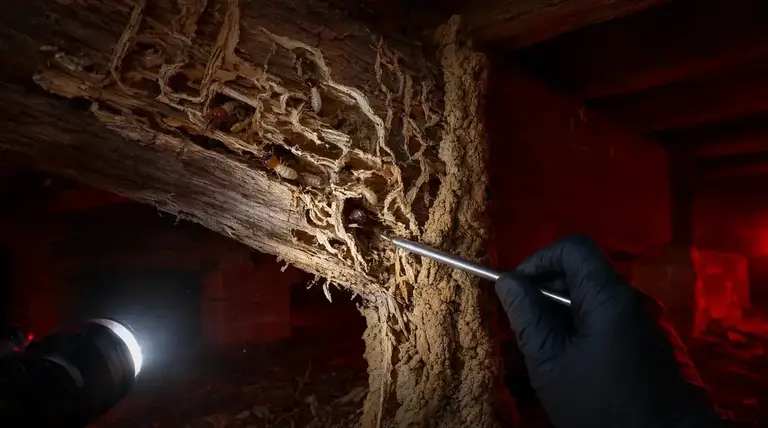
You can — and should — do your own walk-around checks between professional visits, but a DIY look-over is no substitute for a licensed inspector’s report. Professionals use moisture meters, thermal imaging where appropriate, sounding tools and years of pattern recognition, and their written reports carry legal weight in a property transaction. Here’s how the two compare:
| Factor | DIY check | Professional inspection |
|---|---|---|
| Cost | Free | $250-$800 AUD depending on scope |
| Detects concealed activity | Rarely | Often, with moisture meters and experience |
| Subfloor and roof void access | Usually skipped or unsafe | Standard where accessible |
| Written report for negotiations | No | Yes, to AS 4349 standards |
| Identifies conducive conditions | Basic only | Detailed, with rectification advice |
| Insurance / licensing backing | None | Licensed and insured inspector |
If treatment is needed after inspection, always use licensed technicians for any chemical applications — APVMA-registered products require correct handling, and DIY termite treatments routinely fail because the colony isn’t properly located.
What Each Inspection Costs in Australia (2025-26)
Across the Australian market, termite-only inspections generally run $250-$450 AUD, while combined building and pest inspections typically fall between $450-$800 AUD depending on property size, age and location. Industry rates vary with access difficulty, subfloor versus slab construction, and regional demand, so treat the figures below as typical market ranges and always request an on-site quote before committing.
| Service | Typical cost (AUD) | What’s included / notes |
|---|---|---|
| Termite-only inspection (standard home) | $250-$350 | Visual inspection to AS 4349.3, moisture readings, conducive conditions report |
| Termite-only inspection (large or high-risk home) | $350-$450 | As above, plus subfloor/Queenslander access and outbuildings |
| Combined building and pest (unit or small home) | $450-$600 | Structural defects, cracking, damp, roof and plumbing visuals, all timber pests |
| Combined building and pest (family home) | $600-$800 | Full pre-purchase report, often two inspectors (builder + pest technician) |
| New build handover inspection + termite management review | $400-$700 | Defects list plus AS 3660.1 termite management system check |
For a pre-purchase decision, the maths is simple: skipping structural checks to save a few hundred dollars can leave you liable for tens of thousands in undetected defects. Our pre-purchase termite inspection guide for buyers walks through the process from the buyer’s side.
It’s worth noting that Aussie Pest Strike typically comes in well under these typical market rates for the same fully licensed, standards-compliant inspections. For an exact quote tailored to your property, call us on [aps_phone] today.
Seasonal Termite Activity Across the Year
Termite pressure peaks in the warm, humid months from October through March, when colony activity and alate swarms are most visible. That said, termites work year-round in most of Australia — a competent inspector reads conducive conditions and past evidence in any season, so never delay an inspection just because it’s winter.
Jan
Feb
Mar
Apr
May
Jun
Jul
Aug
Sep
Oct
Nov
Dec
Indicative termite activity pattern across much of coastal Australia: swarming and visible activity peak in late spring and summer, dip through winter, but never drop to zero — particularly in Queensland and northern NSW.
Nine times out of ten, the buyer who books the termite-only report to save money rings us back after settlement because something structural got missed. If you’re signing a contract, get the combined report — once you own the place and know its condition, an annual termite check is exactly the right call.
Buying? Book a combined Pre-Purchase Building & Pest Inspection during your cooling-off period or subject to a satisfactory inspection clause. Already own the home? Schedule annual Termite Inspections & Reports — every 12 months in most of Australia, more often in high-risk coastal zones. Either way, use a fully licensed inspector who delivers a written report u can act on.
Frequently Asked Questions
What is the difference between a building and pest inspection and a termite-only inspection?
A building and pest inspection assesses the structural condition of a property — including defects, cracking, rising damp, roof and plumbing visuals — plus all timber pests. A termite-only inspection focuses solely on termites, termite damage and conducive conditions. That single distinction in scope drives which inspection suits your situation: buyers generally need the combined report, while existing owners doing routine maintenance usually only need the termite check.
Which inspection should I book if I am buying a home?
Buyers almost always need the combined building and pest report. Book it during your cooling-off period or under a subject-to-satisfactory-inspection clause so structural problems can be documented before settlement. Skipping the structural checks to save money can leave you responsible for undetected defects worth far more than the inspection fee, and a termite-only report will not cover cracking, damp or roofline issues.
When is a termite-only inspection enough?
A termite-only inspection suits existing owners doing routine monitoring once they already know their home's condition. It targets active termites, damage and conducive conditions, aligning with AS 3660.2 and AS 4349.3. Most Australian homes benefit from an annual termite check every 12 months, with more frequent inspections recommended in high-risk coastal zones where pressure stays elevated for much of the year.
What standards do these inspections follow, and what are their limits?
Both reports are non-invasive and visual under AS 4349, with termite-only work aligning to AS 3660.2 and AS 4349.3. Because they are visual, concealed damage inside wall cavities may not be detected. The practical next step is to note the signs, inspect the relevant area carefully, and seek property-specific advice if the issue continues.
How much does each type of inspection cost in Australia?
A termite-only inspection generally costs less than a combined building and pest inspection because it covers a narrower scope, focusing on timber pest activity and conditions that attract termites. A combined inspection takes longer, as it also assesses structural and maintenance issues, so expect a higher fee. Final pricing depends on property size, construction type, subfloor access and location, so request a written quote from your chosen inspector before booking.
What warning signs mean I should book an inspection immediately?
Book straight away if you notice mud leads or shelter tubes on brickwork, stumps or in the subfloor; hollow-sounding skirting boards or frames; discarded wings near windowsills after a warm, humid evening; fine frass beneath furniture; wall or cornice cracking, sticking doors or uneven floors; bubbling paint or damp patches; or sagging rooflines and rusted guttering visible from ground level. Don't wait for an annual schedule.
Can I do my own checks instead of hiring an inspector?
You should do your own walk-around checks between professional visits, but DIY cannot replace a licensed inspector's report. Professionals bring moisture meters, sounding tools, pattern recognition and safe subfloor and roof void access, and their written reports to AS 4349 standards carry weight in property negotiations. If treatment is needed afterwards, always use licensed technicians, as APVMA-registered products require correct handling and DIY treatments routinely fail.
Does season affect when I should have a termite inspection?
Termite pressure peaks in warm, humid months from October through March, when colony activity and alate swarms are most visible. However, termites work year-round across most of Australia, dipping but never dropping to zero in winter, particularly in Queensland and northern NSW. A competent inspector reads conducive conditions and past evidence in any season, so never delay an inspection just because it's winter.
When should I ask Aussie Pest Strike for an on-site assessment of my inspection needs?
If you're unsure whether your property needs a combined building and pest report or a termite-only check, ask Aussie Pest Strike for an on-site assessment. Factors like construction type, subfloor access, garden beds against walls and regional termite pressure all influence the right scope. An inspector can look at your specific situation and recommend the appropriate inspection rather than leaving you guessing between the two options.
How do I arrange a written inspection report through Aussie Pest Strike before signing a contract?
Once you've chosen your inspection scope, contact Aussie Pest Strike to schedule the visit during your cooling-off period or subject-to-satisfactory-inspection clause window. Ask for a fully licensed inspector who delivers a written report you can act on, covering either structural defects plus timber pests or termites alone, depending on your needs. Having that written documentation ready gives you something concrete to review before settlement proceeds.
Sources & further reading
Found Something
Dangerous?
Don’t touch it. Don’t spray it. Keep kids and pets clear, take a photo from a safe distance, and call us — or book a free inspection and we’ll come to you.
02 7235 0050