Timber PestReports: TheTerms Decoded
Timber pest reports — a timber pest report can read like a foreign language, but the key terms are straightforward once decoded: it is a document assessing...
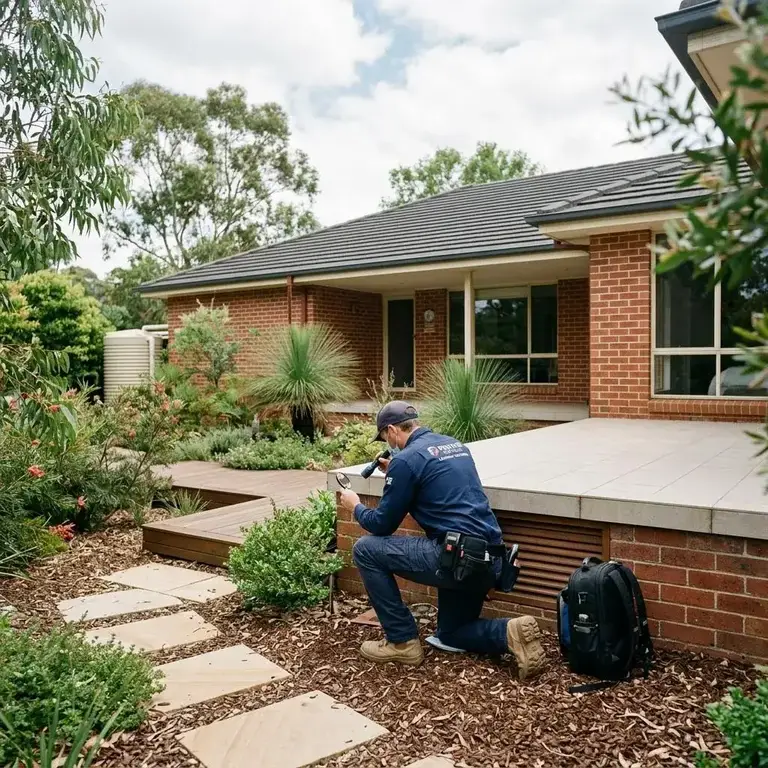
A timber pest report can read like a foreign language, but the key terms are straightforward once decoded. A timber pest report is a formal inspection document, written to Australian Standard AS 4349.3, that assesses a property for termites, borers and wood decay fungi and records any conditions that increase pest risk. Across Australia, where termite pressure ranges from moderate in the southern states to extreme in the tropics, knowing what phrases like “conducive conditions” and “areas not inspected” actually mean helps you act on the findings instead of panicking.
This glossary-style guide translates the jargon in your timber pest report, explains what the findings and limitations sections are really telling you, and shows you how to turn the recommendations into a practical action list. Whether you have just received a report through Termite Inspections & Reports or you are reviewing one as part of a property purchase, this is the decoder you need.
- A timber pest report covers three pest groups only: subterranean termites, wood borers and wood decay fungi — not ants or general pests.
- “Conducive conditions” describes risk factors such as moisture and timber-to-ground contact; it does not mean pests are present.
- “Areas not inspected” is a standard non-invasive limitation, but large inaccessible zones warrant follow-up.
- Reports are written to AS 4349.3, so the same wording carries the same meaning across licensed inspectors.
- Act on active infestations within days, fix conducive conditions, and re-inspect at least every 12 months.
Why Timber Pest Reports Matter in Australia
Timber pest reports matter because Australia has some of the most aggressive termite pressure in the world, and most home insurance policies do not cover termite damage. Climate and construction style combine to create very different risk profiles from one property to the next, which is exactly what the report documents.
In Queensland and northern New South Wales, warm humid conditions keep subterranean termites such as Coptotermes active nearly year-round, and classic Queenslander homes on stumps offer multiple concealed entry points. In southern capitals, slab-on-ground brick veneer homes dominate; termites can bridge a concealed slab edge and enter wall framing undetected. Older housing stock brings its own issues, as covered in our guide to Pest Control in Older Australian Homes, while even brand-new properties are not exempt — see Pest Control for New Builds: What Australian Owners Miss. A standardised report cuts through this complexity and gives you a clear, comparable picture of risk.
The Core Terms You Will See in a Timber Pest Report
Reports use standardised language for a reason: the same words carry the same meaning across licensed inspectors. Understanding the core vocabulary takes most of the mystery out of the document.
Timber pests. In Australia this specifically means three groups: subterranean termites (such as Coptotermes and Schedorhinotermes), wood borers, and wood decay fungi. Ants and general pests are outside the scope of a timber pest report.
Conducive conditions. Factors that increase pest risk, such as high moisture, poor subfloor ventilation, timber-to-ground contact or garden beds against walls. They do not mean pests are present, but they flag where problems are likely to start.
Borers and decay fungi. Not all timber pests are termites. Wood borers are beetle larvae that tunnel through timber, leaving small round exit holes and fine powder called frass; common lyctine borers attack the sapwood of certain hardwoods. Wood decay fungi — sometimes called wood rot — break timber down in persistently damp conditions above roughly 20 per cent moisture content. Your report names which pest it found and whether activity is old or ongoing.
Risk ratings and recommendations. Many reports assign a risk level based on construction type, environment and history. A high rating usually reflects factors such as concealed slab edges, a suspended timber floor or heavy vegetation against walls. Treat the recommendations section as your action list.
Warning Signs: What the Findings Section Is Telling You
The findings section records what the inspector actually observed on the day. Watch for these -led flags when reviewing your report:
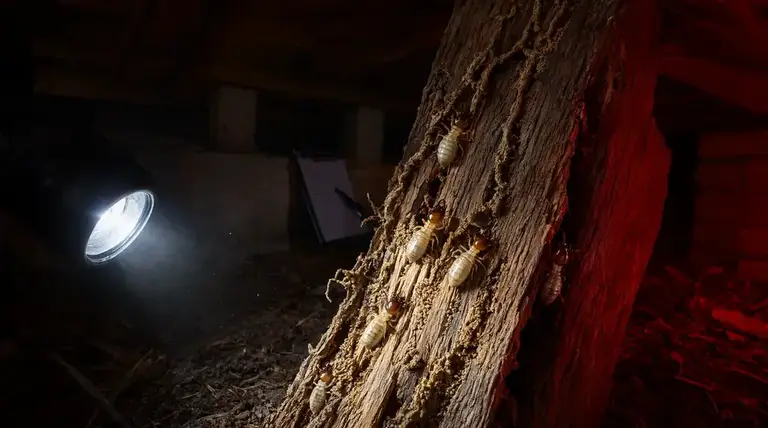
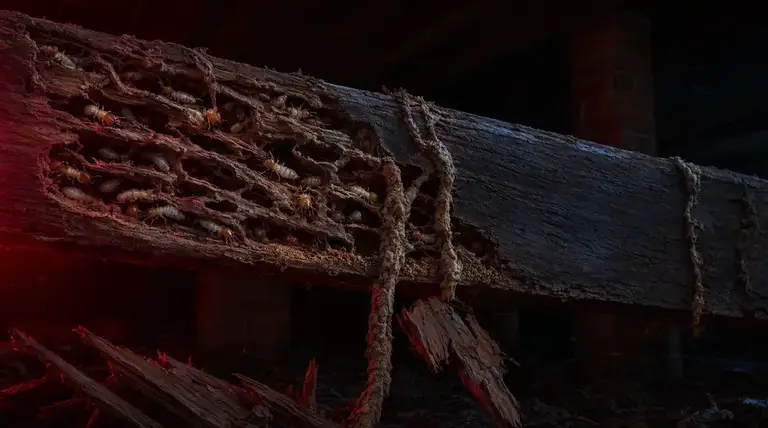
- Active infestation: live termites, borers or active decay fungi found at the time of inspection — the most urgent finding possible.
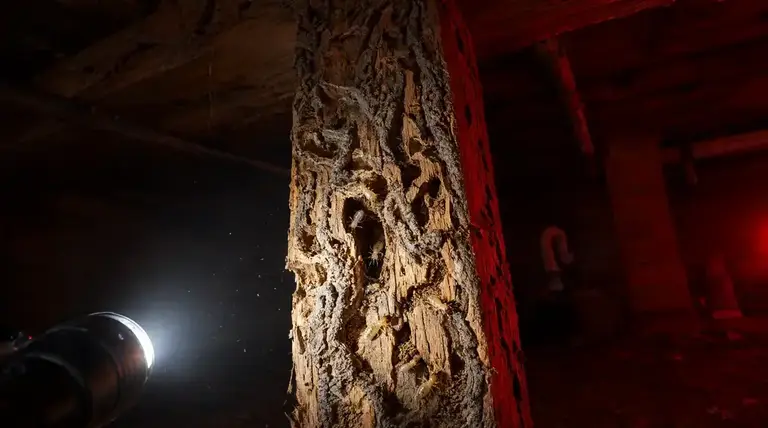
- Evidence of past activity: old damage, mud workings or borer holes with no live pests seen — confirms a history that needs monitoring.
- Conducive conditions noted: moisture, drainage or ventilation issues that elevate future risk.
- Areas not inspected: zones the inspector could not safely access, such as wall cavities, fixed flooring or a blocked subfloor.
- Further invasive inspection recommended: advice to open up concealed areas where hidden activity is suspected.
- High risk rating: construction or environmental factors making termite entry harder to detect.
Reading the Report Yourself vs Professional Interpretation
You can decode much of a timber pest report yourself using a glossary like this one, but interpreting severity, access limitations and treatment options is where a licensed pest control technician adds real value. Here is how the two approaches compare:
| Aspect | Reading it yourself | Professional interpretation |
|---|---|---|
| Cost | Free | Often included in the inspection fee |
| Understanding terms | Good with a glossary | Full context, including severity and urgency |
| Assessing “areas not inspected” | Hard to judge significance | Can advise whether invasive follow-up is justified |
| Treatment decisions | Risky — chemicals require licensed application | Safe, APVMA-compliant recommendations from a licensed technician |
What Timber Pest Reports Cost in Australia
Across the Australian market in 2025-26, a standalone timber pest inspection and report generally runs between $250 and $450 AUD, depending on property size, construction type and location. Combined building and pest packages typically offer better value when buying. The ranges below reflect what the industry generally charges:
| Service | Typical market rate (AUD) | What’s included/notes |
|---|---|---|
| Timber pest inspection & report (AS 4349.3) | $250–$450 | Visual non-invasive inspection, moisture readings, written report |
| Combined pre-purchase building & pest | $450–$700 | Both reports; see Pre-Purchase Building & Pest Inspections |
| Invasive follow-up inspection | $300–$600 | Opening concealed areas flagged in the original report |
| Termite treatment (if activity found) | $1,500–$5,000+ | Chemical barriers or baiting by licensed technicians; varies by home size |
Buyers should also read our Pre-Purchase Termite Inspection: What Every Buyer Must Know before signing a contract.
These figures are typical market rates across the industry — Aussie Pest Strike typically comes in well under them, without cutting corners on the quality of the inspection or report. For an exact quote tailored to your property, give us a call on [aps_phone].
Seasonal Timber Pest Activity Across Australia
Termite and timber pest activity peaks in the warmer, wetter months, particularly during spring and summer swarming season, though activity never fully stops in northern regions. The chart below shows typical relative activity by month across most of Australia:
Jan
Feb
Mar
Apr
May
Jun
Jul
Aug
Sep
Oct
Nov
Dec
Typical relative timber pest activity by month. Spring and summer swarms drive peak reports from October to March; activity dips in winter but never reaches zero, especially in Queensland and the NT.
Acting on Your Report
Act on a timber pest report by treating it as a prioritised to-do list: urgent findings first, risk factors second, monitoring third. The recommendations section tells you what to fix, what to monitor and when to re-inspect — typically at least once every 12 months across most of Australia.
- Active infestation: arrange treatment promptly, ideally within days, before damage spreads. Chemical treatments should always be carried out by licensed pest control technicians using APVMA-registered products.
- Conducive conditions: fix drainage, ventilation and timber-to-ground contact to lower risk.
- Past activity: confirm whether it was previously treated and monitor annually.
- Recommendations: follow any advice for invasive inspection or ongoing monitoring.
The most common mistake I see is homeowners filing the report away because the wording sounds vague. “Conducive conditions” and “areas not inspected” are not weasel words — they are precise instructions about where your risk sits. Decode the report properly and you will know exactly what to do next.
Read your timber pest report line by line using this guide, action any active infestation findings within days, and book a licensed technician to walk you through anything unclear. If major areas were not inspected, arrange an invasive follow-up rather than guessing — hidden termite damage is far more expensive than a second inspection.
Frequently Asked Questions
What pests does a timber pest report cover?
A timber pest report covers three groups only: subterranean termites such as Coptotermes and Schedorhinotermes, wood borers, and wood decay fungi. Ants and general household pests are outside the scope of the report. The findings section names which pest was found and whether activity is old or ongoing at the time of inspection.
What does 'conducive conditions' mean in a timber pest report?
'Conducive conditions' describes factors that increase pest risk but does not mean pests are present. Typical examples include high moisture, poor subfloor ventilation, timber-to-ground contact and garden beds built against walls. These conditions flag where problems are likely to start, so fixing them lowers your future risk of termite or decay activity.
What are 'areas not inspected' in a timber pest report?
'Areas not inspected' are zones the inspector could not safely access during a standard non-invasive inspection, such as wall cavities, fixed flooring or a blocked subfloor. This is a standard limitation under AS 4349.3, but large inaccessible zones warrant follow-up. An invasive inspection can open concealed areas where hidden activity is suspected.
What standard is an Australian timber pest report written to?
Timber pest reports in Australia are written to Australian Standard AS 4349.3. Because the standard is consistent across licensed inspectors, the same wording carries the same meaning no matter who prepared your report. That standardisation makes reports comparable between properties and helps you act on findings rather than guessing what vague-sounding phrases mean.
How urgent is an active infestation finding in a timber pest report?
An active infestation — live termites, borers or active decay fungi found on the day of inspection — is the most urgent finding possible. You should arrange treatment promptly, ideally within days, before damage spreads. Chemical treatments must be carried out by licensed pest control technicians using APVMA-registered products.
What should I do about past timber pest activity noted in my report?
Evidence of past activity, such as old damage, mud workings or borer holes with no live pests seen, confirms a history that needs monitoring rather than emergency treatment. Confirm whether the area was previously treated, fix any related conducive conditions, and keep up annual re-inspections so any renewed activity is caught early.
Why do timber pest reports assign risk ratings?
Risk ratings reflect construction type, environment and the property's history. A high rating usually points to factors that make termite entry harder to detect, such as concealed slab edges, a suspended timber floor or heavy vegetation against walls. Treat the recommendations section attached to the rating as your prioritised action list for lowering risk.
How often should I have a timber pest inspection?
Across most of Australia, re-inspection is recommended at least once every 12 months. Activity peaks during spring and summer swarming season from October to March, though it never fully stops in northern regions like Queensland and the NT. Annual inspections catch new activity early, especially where conducive conditions or past infestations have been recorded.
Can I check availability for a timber pest inspection with Aussie Pest Strike?
If you have received a timber pest report through Aussie Pest Strike or need one arranged for a property purchase, you can contact them to check availability for your property and location. They can also walk you through unclear report wording, advise whether an invasive follow-up is justified, and explain treatment options if active termites were found.
What is the best next step after reading my timber pest report?
Read your report line by line using a glossary guide, action any active infestation findings within days, and book a licensed technician to explain anything unclear. Aussie Pest Strike can help interpret severity, access limitations and treatment options, and can arrange an invasive follow-up inspection if major areas of your property were not accessible during the original inspection.
Sources & further reading
Found Something
Dangerous?
Don’t touch it. Don’t spray it. Keep kids and pets clear, take a photo from a safe distance, and call us — or book a free inspection and we’ll come to you.
02 7235 0050