Essential Oils forPest Control: Whatthe Evidence Says
Essential oils pests: essential oils for pest control have a real but modest evidence base: some, like peppermint, tea tree and lemon eucalyptus, can repel...
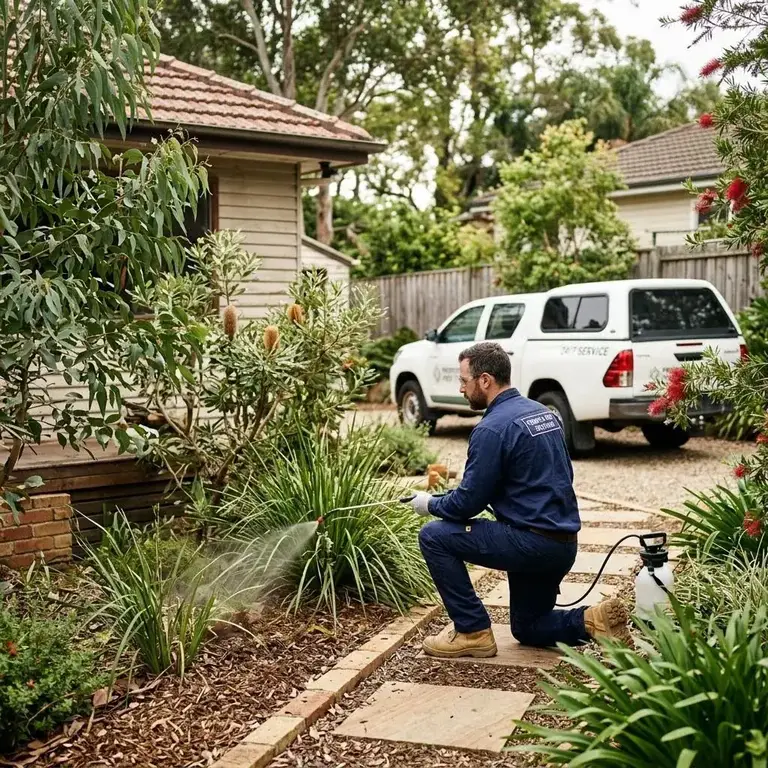
Interest in “essential oils pests” remedies has surged, and the evidence base, while genuine, remains modest — some oils, like peppermint, tea tree and lemon eucalyptus, can repel certain insects for short periods, yet none will eliminate an established infestation, and their effects fade fast as volatile compounds evaporate. Across Australia, from humid Brisbane Queenslanders to brick veneer homes in Melbourne and slab-on-ground builds in Perth, homeowners are increasingly drawn to “natural” alternatives before calling in professional pest control.
Essential oils for pest control are concentrated plant extracts used primarily as short-lived repellents — they can discourage individual insects from an area for minutes to hours, but they do not reduce or remove the pest population itself. Used realistically within that definition, essential oils have a place in an Australian household’s toolkit — provided you understand their limits and use them safely around pets and children.
- Essential oils repel some insects briefly — they do not control or eliminate infestations.
- Oil of lemon eucalyptus (PMD) is the one genuine standout, with hours of mosquito protection comparable to low-concentration DEET.
- Effects fade within minutes to a couple of hours, especially in Australian heat, so frequent reapplication is essential.
- Many oils — especially tea tree and eucalyptus — are toxic to cats and dogs, even at low doses.
- Termites, established cockroach colonies and rodents are completely beyond the reach of any essential oil.
Why essential oils pests control matters in Australia
Interest in essential oils for pest control has surged across Australia because our climate breeds pests year-round and many households want low-tox first options before engaging professional pest control. Warm, humid conditions in Queensland and northern New South Wales mean mosquitoes, ants and spiders are active for much of the year, while older housing stock — elevated Queenslanders with open subfloors, weatherboard homes, and brick veneer builds with generous wall cavities — gives pests endless entry points and harbourage.
That combination creates a tempting market for “natural” sprays, diffusers and oil-blend products, many sold with claims that outrun the evidence. It’s the same pattern we see in our guide to 10 Pest Control Myths Busted: Complete Australian Guide — a kernel of laboratory truth stretched into promises a petri dish can’t keep in a real kitchen. Understanding what oils genuinely do helps you spend money where it works and stop wasting it where it doesn’t.
Warning Signs Essential Oils Aren’t Enough
Essential oils are failing you when pest activity persists or escalates despite regular application — that’s the signal you’re dealing with a population, not a few wandering individuals. Watch for these indicators that a repellent approach has reached its limit:
- Recurring ant trails — if scout ants return to the same benchtop within a day of spraying peppermint, the colony nearby is still sending them.
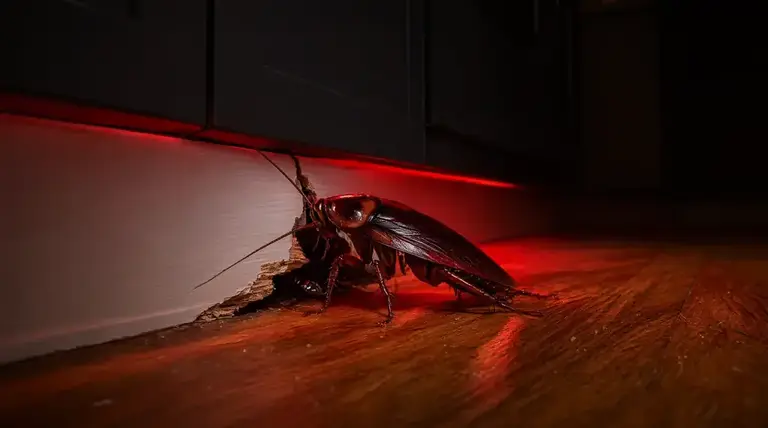
- Cockroach sightings during daylight — a classic sign of an established, overcrowded nest that no repellent will touch.
- Mud tubes on foundations or stumps — termite workings mean you need a licensed technician immediately, not a spray bottle.
- Spider webs rebuilding in the same corners — repelling one spider doesn’t reduce the local population.
- Droppings or gnaw marks in the pantry — rodents ignore essential oils entirely and require proper trapping and exclusion.
- Mosquito bites despite citronella candles — citronella evaporates within an hour or two outdoors, especially in summer heat.
DIY Essential Oils vs Professional Treatment
The honest comparison is that essential oils and professional pest control solve different problems: oils briefly deter individual insects, while licensed treatment reduces or eliminates the population driving the activity. If your goal is “keep mozzies off my arms at a barbecue”, a registered oil-of-lemon-eucalyptus product is a legitimate choice. If your goal is “stop the cockroaches in my kitchen”, oils are simply the wrong tool — much like the gadgets we cover in Ultrasonic Pest Repellers: The Honest Truth, where marketing runs well ahead of measurable results. Many of the home remedies we review in DIY Pest Remedies That Don’t Work (And What Does) fail for exactly the same reason: repelling is not controlling.
| Factor | Essential oils (DIY) | Licensed professional treatment |
|---|---|---|
| Primary effect | Short-term repellency of individual insects | Population reduction or elimination |
| Duration of effect | Minutes to a few hours (PMD excepted) | Weeks to months per treatment |
| Termites | No meaningful effect | Barriers, baiting and colony control |
| Cockroach colonies | No meaningful effect | Gels, dusts and residual treatments |
| Safety around pets | Real toxicity risks, especially for cats | APVMA-registered products applied by licensed technicians with pet-safe protocols |
| Best use | Personal mosquito protection, minor deterrence | Any established or recurring infestation |
What the Research Actually Shows
Laboratory studies do find genuine repellent and sometimes insecticidal activity in plant oils, but the gap between a petri dish and a real Australian home is large. Concentration, evaporation and ventilation all blunt the effect, so essential oils for pest control work far better on paper than in your kitchen, garden or subfloor.
- Lemon eucalyptus (PMD) — the one genuine standout; oil of lemon eucalyptus is a registered mosquito repellent offering hours of protection, comparable to low-concentration DEET.
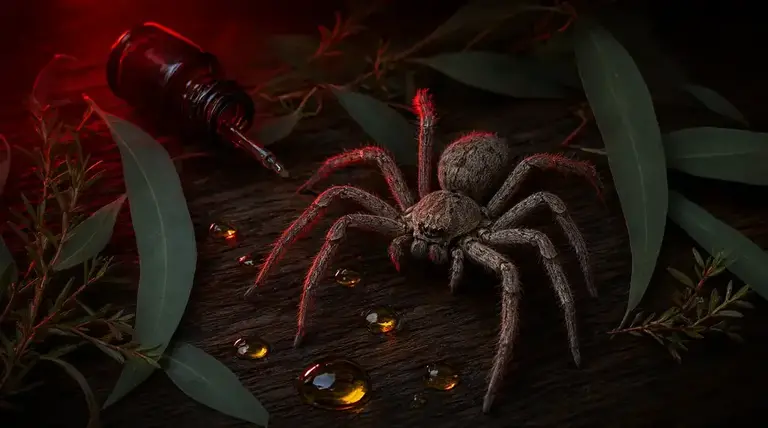
- Peppermint — short-term repellent effect on some ants and spiders.
- Tea tree and clove — mild repellency and some contact toxicity to insects.
- Citronella — repels mosquitoes briefly but evaporates within an hour or two.
The Safety Catch Nobody Mentions
“Natural” does not mean harmless, including essential oils pests blends sold for gardens and homes. Many are toxic to cats and dogs — tea tree and eucalyptus oils can cause serious illness in pets even at low doses, because cats cannot metabolise certain compounds. Always dilute heavily, never apply oils to animals, and keep diffusers out of reach of pets and children.
| Oil | Target | Realistic result |
|---|---|---|
| Lemon eucalyptus (PMD) | Mosquitoes | Hours of protection on skin |
| Peppermint | Ants, spiders | Short-term repellent |
| Citronella | Mosquitoes | Under 2 hours |
| Any oil | Termites, roach nests | No meaningful effect |
Costs: Essential Oils vs Professional Pest Control (AUD, 2025–26)
Essential oils look cheap per bottle, but daily reapplication adds up, and they never resolve the underlying problem — professional treatment costs more upfront but actually ends the infestation. The figures below are the typical Australian market rates for 2025–26 — what the industry generally charges across the country, not the price of any one company:
| Service | Typical market rate (AUD) | What’s included/notes |
|---|---|---|
| Essential oils and diffusers (DIY) | $30–$120 per year | Oils, spray bottles, constant reapplication; repellent only |
| General pest treatment (cockroaches, ants, spiders) | $180–$350 | Interior/exterior treatment of a standard home by a licensed technician |
| Cockroach colony treatment | $220–$450 | Gel baits, dusts, residual spray, follow-up visit |
| Rodent control program | $250–$500 | Bait stations, trapping, entry-point advice, follow-up |
| Termite inspection | $250–$400 | Full inspection to Australian Standard, written report |
| Termite barrier/baiting system | $2,000–$4,500 | Chemical barrier or baiting system, varies with slab vs subfloor construction |
These are industry-wide market rates — and Aussie Pest Strike typically comes in well under them. For an exact quote tailored to your property and pest problem, call us on [aps_phone] today.
Seasonal Pest Pressure in Australia
Pest pressure across most of Australia peaks from October through March, when heat and humidity drive mosquito, ant, cockroach and spider activity — the same months when essential oils evaporate fastest and perform worst. Winter brings some relief in the south, but termites and rodents stay active year-round, particularly in warm northern regions.
Jan
Feb
Mar
Apr
May
Jun
Jul
Aug
Sep
Oct
Nov
Dec
Typical flying and crawling insect pressure across southern Australia; northern regions stay closer to peak year-round. Ironically, summer heat — peak pest season — is precisely when volatile essential oils evaporate fastest and lose effect quickest.
We’re not anti–essential oil — a good lemon eucalyptus repellent on your arms at a summer barbecue is sensible. The problem is when someone sprays peppermint around a skirting board for three months while a cockroach colony grows behind the fridge. Repellents move pests around; they don’t remove them. Know which job you’re actually trying to do.
Use a registered oil-of-lemon-eucalyptus product for personal mosquito protection, keep all oils away from pets, and refresh any DIY repellent sprays every day or two. The moment you see recurring trails, daytime cockroaches, droppings or termite workings, stop experimenting and book a licensed technician — delaying real treatment almost always makes the final bill bigger.
Essential Oils for Pest Control: Frequently Asked Questions
Does peppermint oil keep spiders away?
Peppermint oil can produce a short-term repellent effect on some spiders, but it evaporates quickly and won’t reduce an existing population. It’s a supplement at best — sealing entry points and reducing insect prey around the home delivers far more lasting results than repeated spraying.
Are essential oils safe to use around pets?
No, not without caution. Many essential oils — including tea tree and eucalyptus — are toxic to cats and dogs even at low doses, because cats cannot metabolise certain compounds. Always dilute heavily, never apply oils to animals, and keep diffusers well out of reach.
Is any essential oil a proven pest repellent?
Yes. Oil of lemon eucalyptus (PMD) is a registered mosquito repellent providing hours of protection comparable to low-concentration DEET, making it the one essential oil with strong practical evidence. Other oils like peppermint and citronella offer only brief, modest repellency.
Essential oils earn their place as a short-lived repellent — not a treatment. For the pests oils can’t touch, Aussie Pest Strike provides effective, family-conscious treatments carried out by licensed technicians using APVMA-registered products, with methods tailored to your home’s construction and your local pest pressures. Book a free inspection and quote today — call Aussie Pest Strike on [aps_phone] and get a clear, honest plan for keeping your home pest-free all year round.
Sources & further reading
Found Something
Dangerous?
Don’t touch it. Don’t spray it. Keep kids and pets clear, take a photo from a safe distance, and call us — or book a free inspection and we’ll come to you.
02 7235 0050