European Waspsin Australia: Identificationand Dangers
European Wasps in Australia — European wasps in — the European wasp ( Vespula germanica ) is a bright-yellow-and-black invasive pest that is far more...
Across Australia, the european wasp (Vespula germanica) has become one of the most dangerous stinging pests around homes and gardens. A european wasp is a bright-yellow-and-black invasive wasp that can sting repeatedly, scavenges meat and sugar, and builds large hidden nests in wall cavities, roof voids and underground.
Introduced to Tasmania in 1959 and now established across the southern mainland, it thrives here because our milder winters let some nests survive and grow into giants. Correct identification is the first step to staying safe, and knowing when to call a licensed pest control technician is the second.
- European wasps are smooth-bodied, vivid yellow and black, and sting repeatedly — unlike bees.
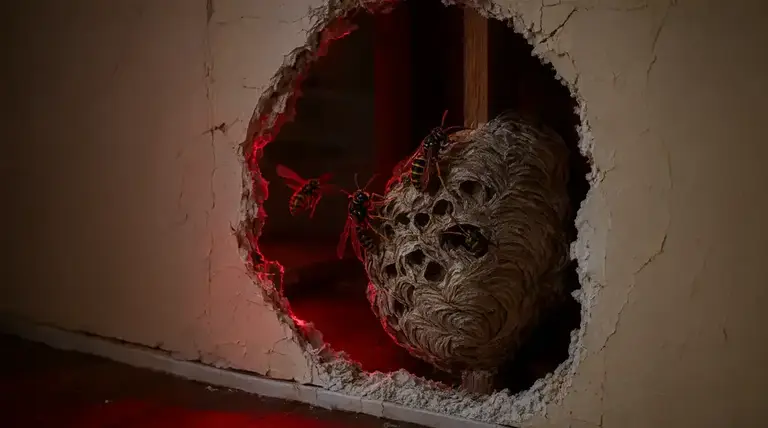
- Nests are hidden in ground burrows, wall cavities and roof voids; watch dusk flight lines to locate them.
- Mild Australian winters allow “over-wintered” nests holding more than 100,000 wasps.
- Never block a nest entrance or attempt DIY removal — disturbed colonies attack in numbers.
- Professional wasp treatment typically costs between $150 and $450 depending on nest size and access.
Why the European Wasp Is Such a Problem Across Australia
The european wasp matters in Australia because our climate lets colonies grow larger and live longer than they ever could in Europe. In their native range, colonies die out each winter; in milder parts of Victoria, the ACT, NSW, Tasmania and South Australia, some nests survive to a second year and become “over-wintered” nests the size of a small car, holding more than 100,000 wasps.
Housing styles make things worse. Brick veneer homes with weep holes, older Queenslanders with wall cavities and subfloor voids, and slab homes with garden beds hard against the walls all offer ideal hidden nesting sites. Warm urban microclimates in cities like Melbourne and Canberra help colonies build faster, and by late summer a single mainland nest can hold several thousand foragers competing with you at the barbecue. Around 3% of Australians are estimated to have a venom allergy, so mass stinging incidents are a genuine medical emergency risk, not just a nuisance.
Warning Signs: How to Identify a European Wasp and Its Nest
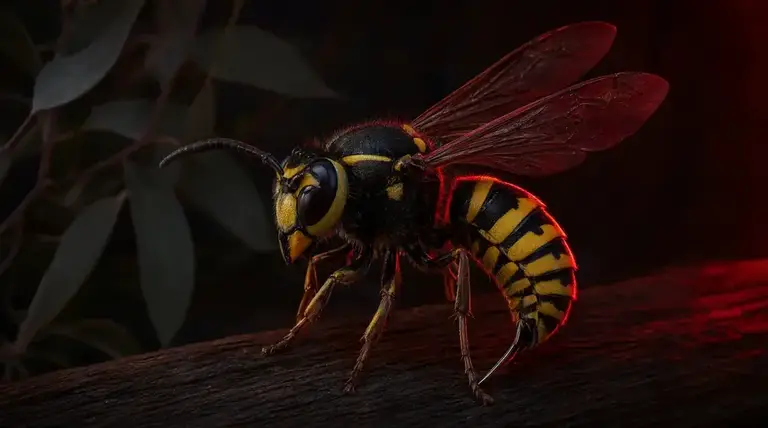
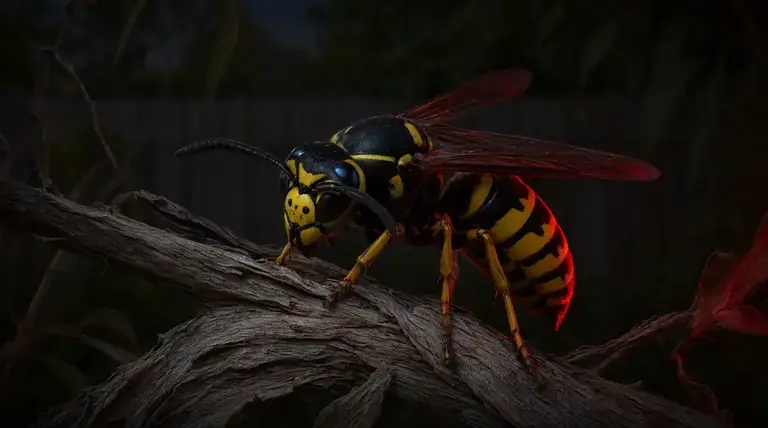
You can identify a european wasp by its vivid yellow-and-black banding, smooth (hairless) body, narrow “wasp waist” and yellow legs that dangle in flight. Adults measure roughly 12 to 17 mm, with black antennae and distinctive triangular black marks down the abdomen. They are easily confused with native paper wasps, but paper wasps are slimmer, more orange-brown and build small exposed umbrella nests — see our guide to paper wasps and managing nests around your home for the differences.
- Smooth, glossy body — no hair, unlike a honey bee’s matte, fuzzy coat.
- Triangular black markings running down a boldly banded yellow abdomen.
- Fast, darting flight with persistent interest in meat, sweet drinks and pet food.
- A steady flight line of wasps entering a single small hole in the ground, a wall or a retaining wall.
- Hidden nest sites — wall cavities, roof voids, compost heaps, disused sheds and underground burrows in lawns.
- Escalating aggression in late summer as colony numbers peak and food gets scarce.
Because the nest itself is concealed, that coming-and-going flight line — watched at dusk from a safe distance — is the reliable way to pinpoint the entrance before organising treatment.
DIY vs Professional European Wasp Removal
DIY european wasp nest removal is never recommended: disturbing a nest triggers a mass defensive attack, and the colony is usually far larger than the small entrance suggests. Licensed pest control technicians use proper protective equipment and APVMA-registered treatments applied directly to the nest at the right time of day. For a full breakdown, read Wasp Nest Removal: Why You Should Never DIY.
| Factor | DIY approach | Professional treatment |
|---|---|---|
| Sting risk | Very high — mass attack likely | Managed with full protective gear |
| Nest size | Often underestimated; hidden nests missed | Located and assessed before treatment |
| Effectiveness | Partial kills common; colony rebounds | Nest treated at the source |
| Chemicals | Hardware-store sprays, limited reach | APVMA-registered products, licensed application |
| Cost | $30–$80 in products, plus medical risk | From around $150, with follow-up options |
European Wasp Removal Costs in Australia (2025–26)
Across the Australian market, professional european wasp removal generally costs between $150 and $450, depending on nest size, location and access. Underground nests in open lawn sit at the cheaper end of the typical industry range; nests deep in wall cavities, multi-storey roof voids or over-wintered giant nests commonly attract higher market rates due to time, equipment and risk. The figures below reflect typical Australian industry pricing for 2025–26 and vary by region and pest control provider — they are market benchmarks, not a price list for any one company.
| Service | Typical market rate (AUD) | What’s included/notes |
|---|---|---|
| Standard nest treatment (accessible ground or cavity nest) | $150 – $250 | Inspection, insecticidal treatment of nest, safety advice |
| Difficult-access nest (roof void, high wall cavity) | $250 – $350 | Ladder/roof access, extended treatment time |
| Large or over-wintered nest | $350 – $450+ | Multiple visits may be required; physical nest removal where accessible |
| Follow-up visit / re-treatment | $80 – $150 | If activity persists after initial treatment |
Our Wasp Removal & Nest Treatment service includes a full site assessment so you know exactly what you’re dealing with before any work begins.
It’s worth noting that Aussie Pest Strike typically comes in well under these typical Australian market rates, so the figures above represent the higher end of what you might expect to pay elsewhere. For an exact quote on your wasp problem, give us a call on [aps_phone] and we’ll sort it out quickly.
Seasonal European Wasp Activity in Australia
European wasp activity in Australia peaks from late summer into autumn and drops to near zero in mid-winter. Queens emerge in spring to found new nests, colonies build through early summer, and forager numbers — and aggression — peak in February and March before declining as cold weather kills off workers.
Jan
Feb
Mar
Apr
May
Jun
Jul
Aug
Sep
Oct
Nov
Dec
Activity climbs from spring as queens establish nests, peaks in late summer and early autumn when colonies are largest and hungriest, then collapses through winter — except in mild regions where nests over-winter. The most dangerous window for stings is February to April.
The jobs that go wrong are almost always the ones where someone has already had a go themselves — blocked the entrance, sprayed the hole, stirred the colony up. A European wasp nest that looks like a dozen wasps at a hole in the ground can be tens of thousands strong behind the wall. Treat it properly, at dusk, in full kit, and it’s a straightforward job.
If you suspect a european wasp nest, keep people and pets away, do not block or spray the entrance, and watch flight lines at dusk from a safe distance to note the location. Reduce attractants — cover food and drinks, check cans before sipping, keep pet food indoors and lids on bins — then book a licensed pest control technician to treat the nest. If what you’re seeing turns out to be bees rather than wasps, the approach is very different; our guide to bees in your wall: relocation vs removal explains your options.
Frequently Asked Questions
How do I identify a European wasp in Australia?
A European wasp has vivid yellow-and-black banding, a smooth hairless body, a narrow wasp waist and yellow legs that dangle in flight. Adults measure roughly 12 to 17 mm, with black antennae and triangular black marks down the abdomen. They are often confused with native paper wasps, but paper wasps are slimmer, more orange-brown and build small exposed umbrella nests rather than hidden ones.
Where do European wasps build their nests?
European wasps build concealed nests in underground burrows, wall cavities, roof voids, compost heaps, disused sheds and retaining walls. Australian housing styles suit them well — brick veneer homes with weep holes, older homes with wall cavities and subfloor voids, and slab homes with garden beds against the walls all offer ideal hidden nesting sites. Because the nest is hidden, the entrance hole is usually the only visible clue.
How can I locate a hidden European wasp nest?
Watch for a steady flight line of wasps entering and leaving a single small hole in the ground, a wall or a retaining wall. The most reliable method is to observe this coming-and-going traffic at dusk from a safe distance, noting where the wasps disappear. Never block or spray the entrance — disturbing the colony triggers a mass defensive attack from far more wasps than the small entrance suggests.
Why are European wasps more dangerous than bees?
Unlike honey bees, European wasps have smooth bodies and can sting repeatedly without dying. They are also aggressive scavengers drawn to meat, sweet drinks and pet food, bringing them into close contact with people at barbecues and outdoor meals.
When are European wasps most active in Australia?
Activity climbs from spring as queens establish new nests, builds through early summer, and peaks in late summer and autumn when colonies are largest and hungriest. Forager numbers and aggression peak around February and March before declining as cold weather kills off workers. The most dangerous window for stings is February to April, though activity drops to near zero in mid-winter.
What are over-wintered European wasp nests?
In Europe, wasp colonies die out each winter. Australia's milder winters allow some nests in Victoria, the ACT, NSW, Tasmania and South Australia to survive into a second year. These over-wintered nests can grow to the size of a small car and hold more than 100,000 wasps, making them far larger and more dangerous than typical annual nests.
Should I remove a European wasp nest myself?
No — DIY removal is never recommended. Disturbing a nest triggers a mass defensive attack, and the colony is usually far larger than the small entrance suggests. Hardware-store sprays have limited reach and partial kills are common, allowing the colony to rebound. Licensed pest control technicians use full protective equipment and APVMA-registered treatments applied directly to the nest at the right time of day.
How much does professional European wasp removal cost in Australia?
Professional European wasp removal costs vary with nest size, location and how easily technicians can reach it. Accessible ground or cavity nests are usually the cheapest to treat, while nests hidden in roof voids or high wall cavities take longer and require more equipment, so they cost more. Large over-wintered colonies also attract higher fees. Many pest controllers provide quotes after assessing the site, and a follow-up visit may be recommended if wasp activity continues after the initial treatment.
How would an Aussie Pest Strike technician assess the warning signs of a European wasp nest?
An Aussie Pest Strike technician starts with a full site assessment, tracing the steady flight line of wasps entering a single hole in the ground, wall cavity or roof void — ideally observed at dusk from a safe distance. They confirm the insects are European wasps rather than paper wasps or bees, since the approach differs, then locate and assess the nest's size and access before recommending treatment. This assessment means you know exactly what you're dealing with before any work begins.
What should I do while waiting for Aussie Pest Strike to treat a suspected European wasp nest?
Keep people and pets well away from the area and do not block or spray the nest entrance, as disturbing the colony triggers a mass defensive attack. Reduce attractants by covering food and drinks outdoors, checking cans before sipping, keeping pet food indoors and keeping lids on bins. Note the flight line location at dusk from a safe distance, then contact Aussie Pest Strike to arrange a licensed technician to treat the nest properly.
Sources & further reading
Found Something
Dangerous?
Don’t touch it. Don’t spray it. Keep kids and pets clear, take a photo from a safe distance, and call us — or book a free inspection and we’ll come to you.
02 7235 0050