Wasps in theWall Cavity: Signsand Safe Removal
Wasps in the — Wasps wall cavity — Wasps in wall — wasps in a wall cavity are best handled by a licensed technician, because sealing or spraying the...
If you suspect wasps in wall cavities around your home, treat it as urgent rather than a weekend DIY job, because the nest is concealed, the colony can number in the thousands, and one wrong spray can send furious workers straight into bedrooms and hallways. A steady stream of wasps slipping through one gap in the brickwork usually means an established internal nest — call a licensed technician, not the supermarket aerosol.
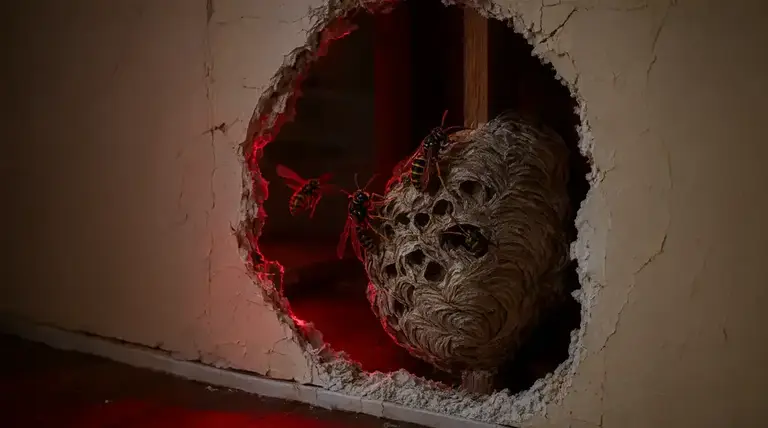
A wall-cavity wasp nest is a colony built inside the void between your external cladding and internal plasterboard, entered through a small gap such as a weep hole, vent or cracked mortar joint. This guide walks you through the warning signs, the risks of DIY interference, what professional removal involves, realistic 2025–26 pricing in AUD, and how to stop queens moving in next spring.
- A steady line of wasps entering one small gap, buzzing behind plaster, and yellow-brown wall staining are the classic signs of a wall-cavity nest.
- Never seal or spray an active entrance — trapped wasps chew through plasterboard and swarm indoors.
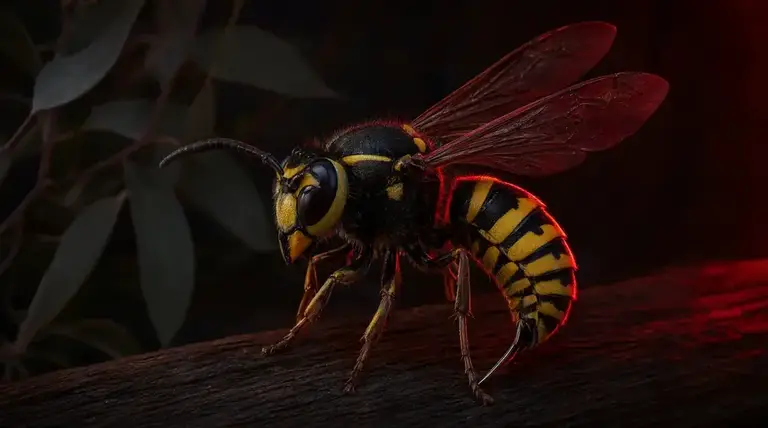
- European wasps (Vespula germanica) favour wall cavities and can exceed 3,000 workers by late summer.
- Professional treatment typically costs $180–$450 AUD and uses APVMA-approved insecticidal dust injected into the void.
- Autumn and winter are the best time to seal entry points, while nests are dormant or dead.
Why wasps in wall cavities are a serious problem in Australian homes
Wall-cavity wasps matter in Australia because our climate gives colonies a long, warm breeding season and our housing stock gives them endless ways in. From brick veneer homes in Melbourne and Adelaide to elevated Queenslanders with subfloor voids and weatherboard walls, almost every Australian building style has sheltered cavities that a queen wasp finds irresistible in spring.
European wasps are especially problematic across southern Australia — Victoria, Tasmania, South Australia, the ACT, NSW and south-west WA — where mild winters let some colonies survive year-round instead of dying off. Our detailed guide on European wasps in Australia: identification and dangers explains how to tell this aggressive species apart from paper wasps and native pollinators. In warmer states, native paper wasps and mud-daubers use smaller cavities too, though their colonies stay far smaller. Slab-on-ground homes are not immune either: wasps readily enter weep holes at slab height and nest upward into the wall void, which is why no housing type should ignore the warning signs.
Warning Signs of Wasps in the Wall Cavity
You will almost never see the nest itself, so confirming a wall-cavity colony comes down to reading the indirect evidence: consistent traffic to one spot, sound behind the plaster, and staining. Use this checklist before you act.
- Wasps funnelling to one exact spot — a steady two-way stream of workers entering and leaving a single weep hole, vent or crack indicates an established internal nest, not casual foraging.
- Rustling, scratching or high-pitched buzzing behind plaster — most audible at night or early morning, this is the sound of an active colony expanding in the void.
- Yellow-brown staining on the wall or ceiling — nest material and moisture seeping through plaster is a sign the colony is large and pressed against the internal lining.
- Wasps appearing indoors near windows or downlights — the colony has chewed through into the living space, which is an urgent situation.
- Soft or sagging plasterboard — prolonged moisture and chewing from a large nest can weaken the lining itself.
Correct identification matters before any treatment. Wall cavities also attract bees, rodents and other insects, and the right response differs completely — for example, honey bees call for relocation rather than extermination, as explained in Bees in Your Wall: Relocation vs Removal Explained. If you are unsure what is behind your wall, a professional pest control inspection will confirm the species safely.
DIY vs Professional Wasp Removal From a Wall Cavity
DIY treatment of a wall-cavity nest is strongly discouraged because sealing or spraying the entrance traps the colony and drives it indoors, while professional treatment destroys the nest at its source. The single most dangerous mistake a homeowner can make is blocking the hole while wasps are active: trapped workers chew through plasterboard to escape, releasing an aggressive swarm into the room. Aerosol sprays rarely reach the queen deep in the void, so the colony simply rebuilds.
As covered in our article on why you should never DIY wasp nest removal, the logic applies doubly to hidden nests. A licensed technician confirms the species, locates the true nest position (often at dusk when workers are home) when dealing with wasps in wall cavities, injects an APVMA-approved insecticidal dust into the cavity, and leaves the entrance open for several days so returning foragers carry the treatment deep into the colony. The gap is sealed only once activity has completely stopped.
| Factor | DIY approach | Professional treatment |
|---|---|---|
| Nest location | Guesswork from outside | Confirmed by inspection, often at dusk |
| Product reach | Aerosol rarely reaches the queen | APVMA-approved dust spread through the colony by foragers |
| Sting risk | High — multiple stings, swarm risk indoors | Managed with protective equipment and method |
| Risk of driving wasps indoors | Very high if entrance is sealed or sprayed | Low — entry kept open during treatment |
| Outcome certainty | Frequently fails; colony rebuilds | Full colony kill, with follow-up and sealing advice |
How Much Does Wall-Cavity Wasp Removal Cost in Australia?
In the current Australian market, professional wall-cavity wasp removal generally runs between $180 and $450 AUD in 2025–26, depending on species, colony size, access difficulty and whether follow-up visits are needed. Across the industry, hard-to-reach double-storey cavities or confirmed European wasp colonies tend to be quoted at the higher end of that range.
| Service | Typical market rate (AUD) | What’s included / notes |
|---|---|---|
| Inspection and species identification | $0–$120 | Often free with treatment booking; confirms wasps vs bees |
| Standard wall-cavity dust treatment | $180–$300 | APVMA-approved insecticidal dust injected into the void; entry left open |
| Large or European wasp colony | $280–$450 | Higher dust volumes, dusk attendance, possible follow-up visit |
| Follow-up visit (if activity persists) | $80–$150 | Retreatment check 5–10 days later |
| Entry-point sealing after treatment | $50–$150 | Mesh over weep holes and vents once all activity has stopped |
These figures reflect what the Australian pest control industry generally charges — market rates vary by region, access and operator, so treat them as a guide rather than a fixed quote. Our Wasp Removal & Nest Treatment service page outlines exactly what a licensed visit covers.
Here’s the good news: Aussie Pest Strike typically comes in well under these general market rates, without cutting corners on licensing, products or follow-up. For an exact quote tailored to your situation, give us a call on [aps_phone] today.
Seasonal Wasp Activity in Australia
Wasp activity in Australian wall cavities peaks from December through February and is lowest in the winter months of June and July, when most colonies die off and only queens survive in shelter. Queens emerge in early spring to scout cavity sites, worker numbers build through late spring, and colonies hit maximum size — and maximum aggression — in late summer and early autumn.
Jan
Feb
Mar
Apr
May
Jun
Jul
Aug
Sep
Oct
Nov
Dec
Typical wall-cavity wasp activity across southern Australia: queens establish nests in spring (Sep–Nov), colonies peak in size and aggression over summer (Dec–Feb), and most die off through winter (Jun–Aug). Northern regions can see activity almost year-round.
Prevention is cheaper and safer than removal. Autumn and winter are the ideal window to fit fine stainless mesh over weep holes and vents (while still letting brickwork breathe), repair cracked render and loose mortar, and seal gaps around air-conditioning conduits and plumbing. Keep bins sealed, clear fallen fruit, and inspect eaves and cavity entries monthly through the December–February peak.
Nine times out of ten, the jobs that turn dangerous are the ones where someone has already sprayed the hole or stuffed it with foam. The colony doesn’t die — it just finds another way out, and that way is usually into the bedroom. Treat the nest properly first, and seal it only when the wall has gone quiet.
If you suspect wasps in a wall cavity, do not seal, spray or poke the entrance. Note the entry point, keep children and pets away from the area, and book a licensed pest control inspection. Professional dust treatment is fast, targets the queen, and removes the risk of a swarm breaking into your home.
Frequently Asked Questions
What are the signs of wasps nesting in a wall cavity?
The classic signs are a steady two-way stream of wasps entering and leaving one small gap such as a weep hole, vent or cracked mortar joint, rustling or high-pitched buzzing behind the plaster that is most audible at night or early morning, and yellow-brown staining on walls or ceilings. Wasps appearing indoors near windows or downlights, or soft, sagging plasterboard, indicate an urgent situation where the colony has broken into living spaces.
Why should I never seal or spray an active wasp entrance in my wall?
Blocking or spraying an active entrance traps the colony inside the cavity. Trapped workers chew through plasterboard to escape, releasing an aggressive swarm directly into bedrooms and hallways. Aerosol sprays rarely reach the queen deep in the void, so the colony simply rebuilds while the risk of stings increases dramatically. The correct approach is professional insecticidal dust treatment with the entrance left open until all activity has stopped.
Which wasp species nest in Australian wall cavities?
European wasps (Vespula germanica) favour wall cavities and are especially problematic across southern Australia, including Victoria, Tasmania, South Australia, the ACT, NSW and south-west WA, where mild winters let some colonies survive year-round. Colonies can exceed 3,000 workers by late summer. In warmer states, native paper wasps and mud-daubers also use smaller cavities, though their colonies stay far smaller.
How does professional wall-cavity wasp removal work?
A licensed technician confirms the species, locates the true nest position (often at dusk when workers are home), and injects an APVMA-approved insecticidal dust into the cavity. The entrance is deliberately left open for several days so returning foragers carry the dust deep into the colony, ensuring a full kill. The gap is sealed only once activity has completely stopped, usually with mesh over weep holes and vents.
How much does it cost to remove wasps from a wall cavity in Australia?
Costs vary with the wasp species, colony size, how easily the cavity can be accessed and whether follow-up visits are required. A straightforward dust treatment through a single entry point is usually the cheapest option, while large or hidden colonies needing multiple visits cost more. Sealing entry points afterwards may add to the total. Because every infestation differs, request an on-site inspection so a pest controller can give you an accurate quote for your situation.
When is wasp activity in wall cavities highest in Australia?
Activity peaks from December through February, when colonies reach maximum size and aggression. Queens emerge in early spring to scout cavity sites, worker numbers build through late spring, and most colonies die off through winter, particularly in June and July. In northern regions, activity can continue almost year-round, while mild southern winters occasionally allow some European wasp colonies to survive instead of dying off.
When is the best time to seal up potential wasp entry points?
Autumn and winter are the ideal window, while nests are dormant or dead. Fit fine stainless mesh over weep holes and vents while still letting brickwork breathe, repair cracked render and loose mortar, and seal gaps around air-conditioning conduits and plumbing. Never seal an entry point while wasps are still active — treat the nest properly first and only seal once the wall has gone quiet.
Could something other than wasps be living in my wall cavity?
Yes. Wall cavities also attract honey bees, rodents and other insects, and the right response differs completely between them. Honey bees, for example, call for relocation rather than extermination. Correct identification matters before any treatment, which is why a professional pest control inspection is recommended if you are unsure what is behind your wall.
How does Aussie Pest Strike inspect for wasps in a wall cavity?
Aussie Pest Strike begins with an inspection to confirm the species and rule out lookalikes such as bees, then locates the true nest position inside the cavity, often attending at dusk when foraging workers have returned home. This confirms the exact entry point and nest location before any treatment begins, avoiding guesswork from outside. You will be told what was found and what treatment is recommended before anything is applied to your wall.
What should I do before Aussie Pest Strike arrives to treat wasps in my wall?
Do not seal, spray or poke the entrance — this can drive the colony indoors. Note where the wasps are entering, keep children and pets away from the area, and avoid disturbing the wall. When you contact Aussie Pest Strike, describe the traffic pattern you have observed, as this helps confirm an established internal nest. A licensed technician will handle the treatment safely and advise on sealing entry points once activity has completely stopped.
Sources & further reading
Found Something
Dangerous?
Don’t touch it. Don’t spray it. Keep kids and pets clear, take a photo from a safe distance, and call us — or book a free inspection and we’ll come to you.
02 7235 0050