Wasp Stingsand Allergies: Whento Worry
Wasp stings and — Wasp stings allergies — a wasp sting allergy becomes a genuine emergency when a sting causes symptoms beyond the sting site hives, facial...
A wasp sting allergy becomes a genuine emergency the moment a sting causes symptoms beyond the sting site itself — hives spreading across the body, facial swelling, breathing difficulty or dizziness — because these signal anaphylaxis and demand an adrenaline auto-injector and a 000 call. For most Australians, however, a wasp sting is a painful but short-lived nuisance that settles within days, and knowing the difference between the two is what this guide is about.
Wasp sting allergy, in simple terms, is an immune-system overreaction to wasp venom that produces symptoms away from the sting site, ranging from widespread hives to life-threatening anaphylaxis. Australia-wide, sting risk climbs sharply from spring through late summer as European wasp and paper wasp colonies peak, so every household — especially those with a known allergy — should understand normal reactions, warning signs, and when professional pest control is the safest way to remove the source.
- A normal sting causes localised pain, redness and swelling that peaks within 24–48 hours and settles within a week — this is not an allergy.
- Call 000 and use an adrenaline auto-injector if a sting causes breathing trouble, facial or tongue swelling, widespread hives, dizziness or collapse.
- Antihistamines do not treat anaphylaxis — only adrenaline does.
- Sensitivity can develop over repeated stings, so a mild reaction once does not guarantee a mild reaction next time.
- Removing nests early in the season with a licensed technician is the safest protection for allergic households.
Why wasp sting allergy Is a Serious Issue Across Australia
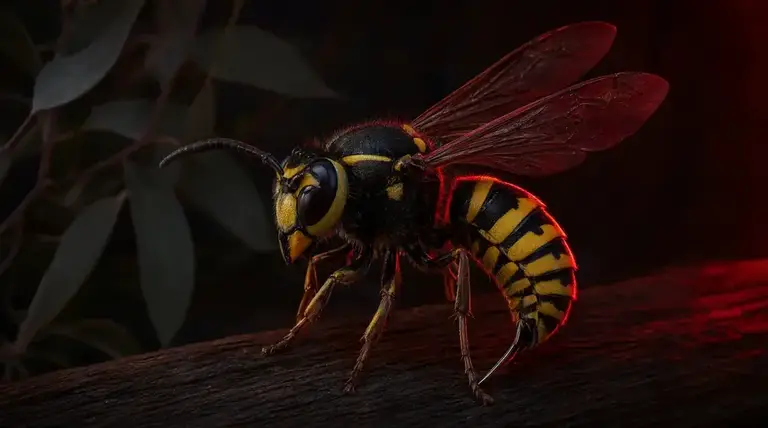
Australia’s warm climate gives wasps a long, active season, and our outdoor lifestyle — barbecues, backyard cricket, gardening — puts people in regular contact with them. Unlike bees, wasps such as the European wasp (Vespula germanica) do not lose their sting and can sting repeatedly, which raises both the pain and the venom load in a single encounter.
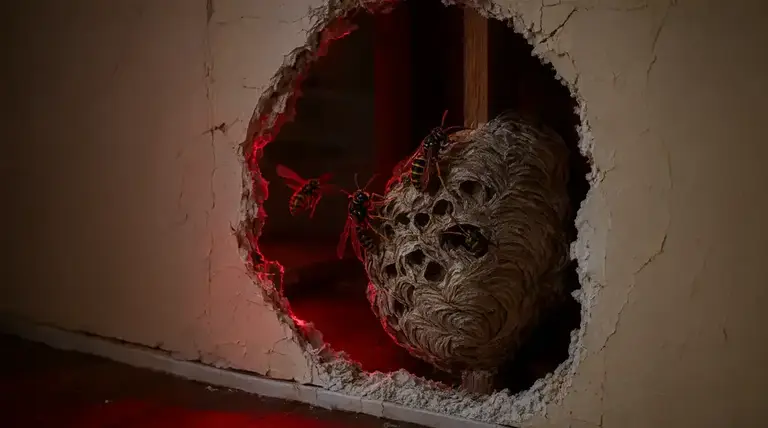
The European wasp is now well established across southern Australia, from Perth and Adelaide through Melbourne, Canberra, Sydney and into Tasmania, while native paper wasps cause most stings in Queensland and northern regions. Housing styles play a role too: subfloor voids in older weatherboard homes and Queenslanders, wall cavities in brick veneer builds, roof eaves, sheds and even disused ground holes all make ideal nest sites close to where people live. A hidden nest near a deck, clothesline or children’s play area is where most multiple-sting incidents happen. For help with identification and the specific risks, see our guide on European wasps in Australia: identification and dangers.
What a Normal Wasp Sting Reaction Looks Like
A typical local reaction involves sharp pain, redness and swelling of a few centimetres around the sting site, peaking within 24–48 hours and settling within a week. This is uncomfortable, but it is not an allergy — it is the body’s standard response to venom.
Large local reactions — swelling of 10 centimetres or more, or a whole arm or leg puffing up — look alarming but usually still do not indicate a systemic allergy. To manage a normal sting at home:
- Move away from the area calmly to avoid further stings.
- Wash the site with soap and water.
- Apply a cold pack for 15–20 minutes to reduce swelling.
- Use an antihistamine or hydrocortisone cream for itch, and paracetamol for pain.
- Watch for any symptoms spreading beyond the sting site over the following hours.
Myth vs Fact: Wasp Sting Allergies
Misinformation about sting allergies causes both unnecessary panic and dangerous complacency, so it is worth separating myth from fact. Here is what the evidence actually shows.
| Myth | Fact |
|---|---|
| A big swelling means you are allergic | Large local swelling is common and usually not a true systemic allergy |
| One safe sting means you are always safe | Sensitivity can develop over repeated stings across your lifetime |
| Bee and wasp allergies are the same | They involve different venoms; being allergic to one does not guarantee the other |
| Antihistamines stop anaphylaxis | Only adrenaline treats anaphylaxis; antihistamines are not a substitute |
Warning Signs: When to Worry About a Wasp Sting
You should worry — and treat it as an emergency — when a sting produces symptoms anywhere beyond the immediate sting site. Severe reactions can develop within minutes, so act on the first sign rather than waiting to see how things progress.
Call 000 immediately and use an adrenaline auto-injector (EpiPen or Anapen) if you see any of these after a sting:
- Difficulty breathing, wheezing or a tight throat.
- Swelling of the tongue, lips or face.
- Widespread hives or a rash away from the sting site.
- Dizziness, collapse, or a sudden drop in alertness.
- Persistent vomiting or abdominal pain in children.
Children stung inside the mouth or throat — for example after drinking from an open can left outside — need urgent medical review even without a true allergy, because swelling there can block the airway. Anyone who has had a systemic reaction should see a GP or immunologist about an ASCIA action plan and carry an auto-injector, especially through the summer sting peak. Those most at risk include people with a previous systemic reaction, beekeepers, gardeners and outdoor workers with frequent exposure, anyone stung many times in a single incident, and people with asthma, whose breathing symptoms can escalate faster.
DIY vs Professional Wasp Control for Allergic Households
For a household with a known sting allergy, DIY nest removal is never worth the gamble — a disturbed colony can deliver dozens of stings in seconds, and professional pest control removes that risk entirely. Licensed technicians use protective equipment and APVMA-approved treatments applied correctly, which is why chemical nest treatments should always be left to them.
| Factor | DIY approach | Professional treatment |
|---|---|---|
| Sting risk during removal | High — no protective gear, colony likely to swarm | Low — full PPE and controlled application |
| Effectiveness | Often partial; surviving wasps rebuild nearby | Full colony treatment at the source |
| Suitability for allergic households | Unsafe — unacceptable risk | Recommended option |
| Cost | Cheap upfront, but medical risk is real | Typically $150–$350 per nest |
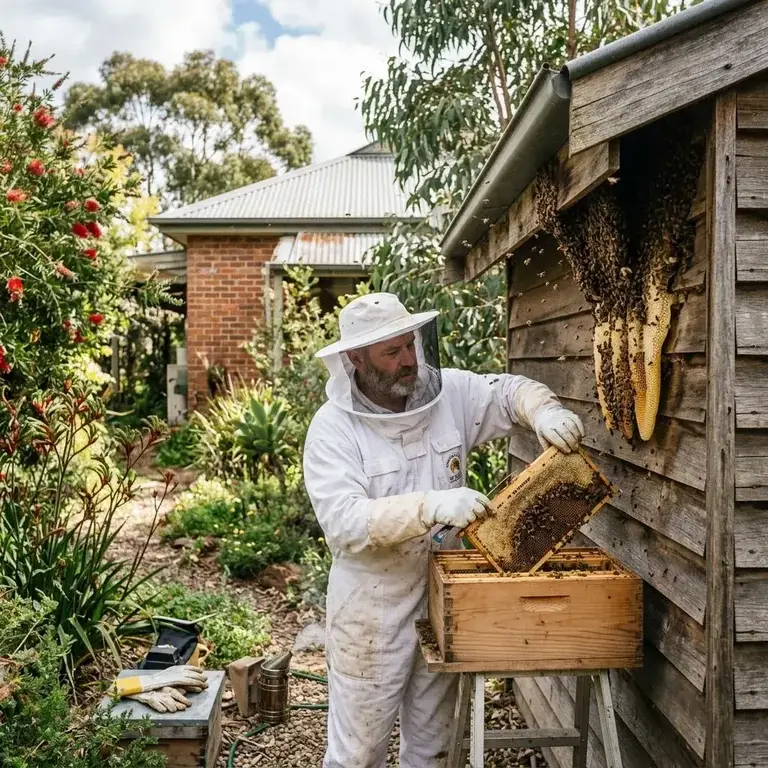
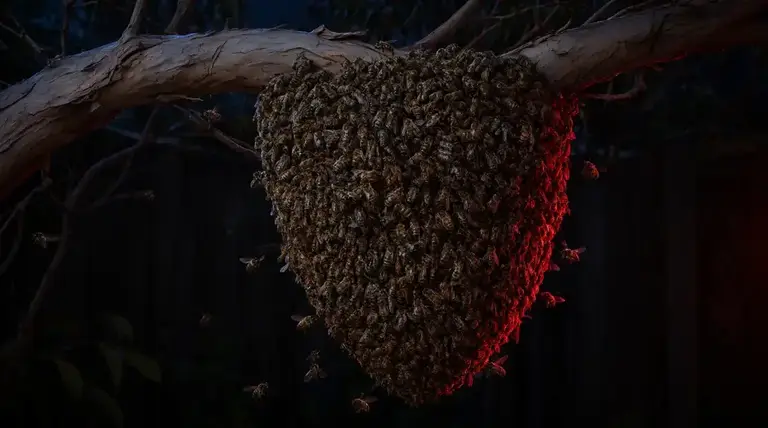
Our article on why you should never DIY wasp nest removal goes deeper, and for bee issues — where relocation is often possible — read bees in your wall: relocation vs removal explained.
Wasp Removal Costs in Australia (2025–26)
Across the Australian pest control industry, professional wasp nest treatment generally costs between $150 and $350, depending on nest size, location and access. Market rates vary between metro and regional areas, and difficult roof-void or subfloor nests sit at the higher end of the typical range.
| Service | Typical cost (AUD) | What’s included/notes |
|---|---|---|
| Standard nest treatment (accessible) | $150–$220 | Single nest, ground level or eaves; colony treatment and knockdown |
| Difficult-access nest (roof void, wall cavity, subfloor) | $220–$350 | Specialist access equipment; may include follow-up visit |
| Multiple nests (per additional nest) | $60–$120 | Common with paper wasps in spring |
| Bee relocation/referral | $100–$250 | Where viable via beekeeper; removal quoted separately |
The figures above reflect typical Australian market rates for 2025–26 — they’re what the industry generally charges, not a quote from any one provider. For more on what’s involved, see our Wasp Removal & Nest Treatment service.
Here’s the good news: Aussie Pest Strike typically comes in well under these market rates. For an exact quote tailored to your property, give us a call on [aps_phone].
Seasonal Wasp and Sting Activity in Australia
Wasp activity — and therefore sting risk — climbs steeply from spring to late summer, peaking between December and March. Queens emerge in spring to build small nests, colonies expand through summer, and late-summer wasps become more aggressive around food and drinks as natural food sources decline.
Jan
Feb
Mar
Apr
May
Jun
Jul
Aug
Sep
Oct
Nov
Dec
Indicative wasp activity and sting risk across Australia. Colonies build through spring, peak in the December–March summer window, then decline as cooler weather kills off workers. Northern regions can see activity earlier and later in the season.
The calls that stick with me are the ones where someone’s tried to knock a nest down with a broom and copped half a dozen stings — and one member of the family was allergic. Deal with nests early, while they’re small, and let a licensed tech handle it. It’s a quick job for us and it takes the risk off your family entirely.
If anyone in your household has had a systemic reaction to a sting, treat every nearby nest as a priority job. Have nests professionally removed at the first sign of activity in spring, keep an adrenaline auto-injector current and accessible through summer, and make sure family members know the anaphylaxis action plan. Never attempt nest removal yourself when an allergy is in the picture.
Frequently Asked Questions
What does a normal wasp sting reaction look like?
A typical reaction involves sharp pain, redness and swelling of a few centimetres around the sting site. The swelling usually peaks within 24 to 48 hours and settles within a week. This is the body's standard response to venom, not an allergy. Wash the site with soap and water, apply a cold pack for 15 to 20 minutes, and use antihistamine or hydrocortisone cream for itch and paracetamol for pain.
Are large local reactions a sign of wasp sting allergy?
Not necessarily. Swelling of 10 centimetres or more, or a whole arm or leg puffing up, looks alarming but is usually still not a true systemic allergy. Large local reactions are common and generally do not indicate that you are allergic to wasp venom.
What are the warning signs of anaphylaxis after a wasp sting?
Treat it as an emergency when symptoms appear anywhere beyond the sting site. Call 000 immediately and use an adrenaline auto-injector such as an EpiPen or Anapen if there is difficulty breathing, wheezing or a tight throat; swelling of the tongue, lips or face; widespread hives away from the sting site; dizziness, collapse or a sudden drop in alertness; or persistent vomiting in children. Severe reactions can develop within minutes, so act on the first sign.
Do antihistamines treat anaphylaxis from a wasp sting?
No. Antihistamines can help with itch and minor swelling from a normal sting, but they do not treat anaphylaxis. Only adrenaline treats anaphylaxis, which is why an adrenaline auto-injector must be used and an ambulance called on 000 at the first sign of a systemic reaction. Antihistamines are not a substitute for adrenaline, and waiting to see whether symptoms progress wastes critical time.
Can I develop a wasp sting allergy later in life even if previous stings were fine?
Yes. Sensitivity to wasp venom can develop over repeated stings across your lifetime, so one safe sting does not mean you are always safe. Being stung many times in a single incident also raises risk. People with asthma are particularly vulnerable because breathing symptoms can escalate faster. Anyone who has had a systemic reaction should see a GP or immunologist about an ASCIA action plan and carrying an auto-injector.
Why are wasps able to sting repeatedly compared with bees?
Unlike bees, wasps such as the European wasp (Vespula germanica) do not lose their sting when they attack, so they can sting repeatedly. This raises both the pain and the venom load in a single encounter, which matters for anyone with a sting allergy. European wasps are well established across southern Australia, while native paper wasps cause most stings in Queensland and northern regions.
Where do wasps commonly nest around Australian homes?
Common nest sites include subfloor voids in older weatherboard homes and Queenslanders, wall cavities in brick veneer builds, roof eaves, sheds and disused ground holes. A hidden nest near a deck, clothesline or children's play area is where most multiple-sting incidents happen. Sting risk climbs sharply from spring through late summer as colonies peak, so check these spots early in the season.
Why should allergic households never remove a wasp nest themselves?
A disturbed colony can deliver dozens of stings in seconds, which is an unacceptable risk for anyone with a known sting allergy. DIY attempts often only partially succeed, and surviving wasps rebuild nearby. Licensed technicians use full protective equipment and APVMA-approved treatments applied correctly, treating the whole colony at the source. Chemical nest treatments should always be left to professionals rather than attempted at home.
Is a property-specific inspection useful if someone in my household has a wasp sting allergy?
Yes. Because nests hide in subfloors, wall cavities, roof eaves, sheds and ground holes, a property-specific inspection by Aussie Pest Strike can identify activity early in spring, while colonies are still small and easier to treat safely. For households with a known sting allergy, finding and professionally removing every nearby nest before summer is far safer than discovering one after someone has been stung near a deck or play area.
What is the practical next step for dealing with a wasp nest near my home?
Contact Aussie Pest Strike to arrange professional treatment of any nest found on your property, ideally early in the season while it is small. Meanwhile, keep an adrenaline auto-injector current and accessible through summer if anyone has had a systemic reaction, make sure family members know the anaphylaxis action plan, and avoid disturbing the nest yourself, as a disturbed colony can swarm and sting repeatedly.
Sources & further reading
Found Something
Dangerous?
Don’t touch it. Don’t spray it. Keep kids and pets clear, take a photo from a safe distance, and call us — or book a free inspection and we’ll come to you.
02 7235 0050