Paper Wasps: ManagingCommon NestsAround Your Home
Paper wasp — Paper wasps managing — paper wasps are the slim, orange-brown wasps that build small, exposed, upside-down umbrella nests under eaves, pergolas...
A paper wasp nest under the eaves is one of the most common sights around Australian homes, from brick veneer suburbs in Melbourne to high-set Queenslanders in Brisbane. These slim, orange-brown wasps build small, exposed, upside-down “umbrella” combs under eaves, pergolas, in meter boxes and among shrubs, and while they are generally less aggressive than European wasps, they will sting to defend a nest built near a doorway, clothesline or walkway.
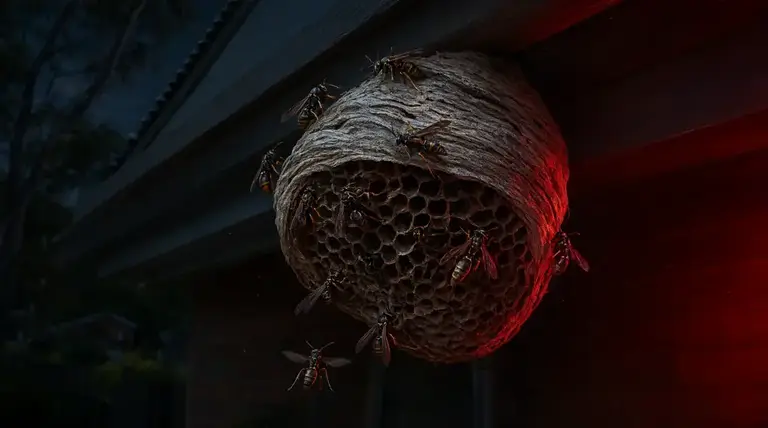
A paper wasp is a slender native or introduced wasp, 10 to 20 mm long, that constructs an open, single-comb nest of grey papery cells hanging from a short stalk — quite different from the enclosed, hidden nests of European wasps. Managing where they build, rather than trying to eliminate them entirely, is the key to living alongside them safely. This guide covers identification, prevention, realistic treatment costs and when to call a licensed pest control technician.
- Paper wasps are beneficial predators of garden caterpillars — a nest in a quiet corner of the yard can often be left alone.
- The real risk is location: nests above doors, paths, play areas and entertaining spaces should be treated or removed.
- Spring is nest-founding season; weekly checks and early knock-down of starter combs prevent bigger problems.
- Stings are painful and can trigger anaphylaxis in the roughly 3% of Australians with venom allergy — call 000 for severe reactions.
- Professional nest treatment typically costs $150–$350 AUD and is strongly recommended over DIY for established colonies.
Why Paper Wasp Nests Matter Around Australian Homes
Paper wasps matter because Australia’s long, warm season lets colonies grow steadily from spring through autumn, and our outdoor lifestyle puts people in constant contact with nesting sites. Eaves, pergolas, verandahs, barbecues, outdoor furniture and garden sheds all offer the sheltered, raised anchor points these wasps favour.
Housing style plays a part too. Queenslanders with wide verandahs and exposed rafters, brick veneer homes with deep eaves, and older weatherboard houses with subfloor vents all provide abundant nesting anchors. In southern states activity slows over winter and new queens start fresh combs in spring; in northern Queensland and the Top End, colonies can persist and expand for much longer thanks to the warmer climate. Either way, a nest that starts with a single queen in September can hold several dozen defensive adults by mid-summer.
It’s also worth knowing what you’re dealing with. Our native species — plus the introduced Polistes dominula — are moderate in temperament compared with the highly aggressive European wasp, which attacks in numbers from hidden cavity nests. Correct identification determines the right response.
Warning Signs of a Paper Wasp Nest on Your Property
The clearest warning sign is the nest itself: an open greyish comb of hexagonal cells hanging from a short stalk, usually holding a few dozen wasps. Before you see the comb, though, there are earlier clues worth watching for.
- Repeated wasp traffic to one spot — slim wasps with long legs trailing in flight, returning again and again to the same eave, pergola beam or shrub.
- A small starter comb — in spring, a single queen with a golf-ball-sized cluster of open cells is the easiest stage to act on.
- Wasps scraping timber — they chew weathered wood from fences, decks and furniture to make papery nest material.
- Wasps hovering near doorways or the clothesline — a sign a nest is close to a high-traffic area and a sting risk is building.
- Multiple small combs in one area — several queens may favour the same sheltered structure, meaning the problem will compound through summer.
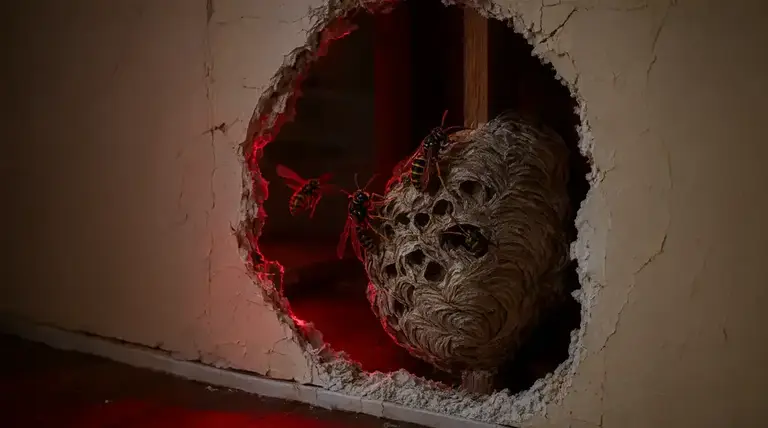
- Wasps in wall or roof cavities — if insects are entering a wall void, the culprit may be bees rather than wasps; read about bees in your wall and the relocation vs removal decision before assuming.
DIY vs Professional Paper Wasp Treatment
Knocking down a tiny starter nest — one queen, a few cells — with a long pole early in spring is reasonable if you can do it safely and no one in the household has a sting allergy. Anything larger, higher, or near foot traffic is a job for a licensed technician with proper protective gear and APVMA-registered products. Our guide to why you should never DIY wasp nest removal explains the risks in detail.
| Factor | DIY approach | Professional treatment |
|---|---|---|
| Best for | Tiny spring starter nests, ground-level, no allergy risk | Established colonies, multiple nests, nests near doors or play areas |
| Sting risk | Moderate to high — no protective clothing, wasps defend the comb | Low — full PPE and controlled application |
| Height/access | Ladders plus wasps is a dangerous combination | Extension equipment and safe access methods |
| Products | Supermarket aerosols, variable results | APVMA-registered treatments applied by licensed technicians |
| Re-infestation | Queens often return to favoured spots | Residual treatment plus advice on screening and sealing |
Paper Wasp Treatment Costs in Australia (2025–26)
Across the Australian pest control industry, professional wasp nest treatment typically costs between $150 and $350 AUD for a standard residential job, with hard-to-reach or multiple nests pushing the going market rate higher. These are typical industry-wide figures, not a quote from any one provider — costs vary by state, access and colony size, so an on-site assessment is always the most reliable figure.
| Service | Typical Australian market rate (AUD) | What’s included/notes |
|---|---|---|
| Single accessible nest treatment | $150–$250 | Direct treatment of one nest at eave or pergola height, nest removal included |
| Multiple nests or large colony | $250–$400 | Several combs around one property, residual treatment of nesting sites |
| High or difficult access | $300–$450+ | Two-storey eaves, rooflines, extension equipment required |
| Preventative inspection and treatment | $180–$350 | Spring inspection, starter nest removal, screening and sealing advice; often bundled with general pest control |
For a tailored quote, our Wasp Removal & Nest Treatment service covers everything from single combs to property-wide infestations.
While the figures above reflect typical Australian market rates, Aussie Pest Strike typically comes in well under them. For an exact quote on your property, give us a call on [aps_phone] and we’ll assess the nest, access and treatment required.
Seasonal Activity: When Nests Appear and Peak
Paper wasp activity follows a clear seasonal curve in most of Australia: queens emerge and found nests in spring, colonies peak through summer, and activity dies away in late autumn. Northern regions see a longer, flatter season thanks to warmer winters.
Jan
Feb
Mar
Apr
May
Jun
Jul
Aug
Sep
Oct
Nov
Dec
Typical southern Australian pattern: queens found new nests from September, colonies peak December–February, and activity declines through autumn. Northern Australia sustains higher year-round activity.
Prevention, Stings and First Aid
The best prevention is a weekly spring inspection of eaves, pergolas, meter boxes, outdoor furniture and sheds, combined with removing starter combs early. Fit fine screens over vents and gaps, keep outdoor bins closed and pick up fallen fruit to reduce food sources that attract wasps to the yard.
A sting delivers venom causing immediate sharp pain, redness and swelling that can last a day or two. For most people it is unpleasant but harmless; for the roughly 3% of Australians with venom allergy it can trigger anaphylaxis. Basic first aid: move away calmly (never swat near a nest — a defending colony can sting several times at once), wash the area, apply a cold pack, and take an antihistamine or simple pain relief if needed. Watch for difficulty breathing, swelling of the face or throat, or dizziness — call 000 immediately and use an adrenaline auto-injector if one is prescribed.
Nine times out of ten, the worst stings we see come from someone trying to knock down an established nest off a ladder with a can of spray. Treat the nest at the right time of day, with the right gear, and it’s a quick, controlled job. If the nest is bigger than your fist or anywhere near foot traffic, get a licensed tech in — it’s simply not worth the risk.
Leave quiet, out-of-the-way nests alone — these wasps earn their keep eating garden caterpillars. But if a nest sits above a door, path, clothesline or entertaining area, or anyone in the home has a sting allergy, book a professional Wasp Removal & Nest Treatment rather than attempting it yourself. Early spring treatment is cheaper, faster and safer than dealing with a midsummer colony.
Frequently Asked Questions
What does a paper wasp nest look like?
A paper wasp nest is an open, single comb of grey papery hexagonal cells hanging upside down from a short stalk, often described as an umbrella shape. It usually holds a few dozen wasps and is built in exposed spots such as under eaves, on pergola beams, in meter boxes or among shrubs. This differs from the enclosed, hidden cavity nests of European wasps, which are far more aggressive.
How do I identify a paper wasp?
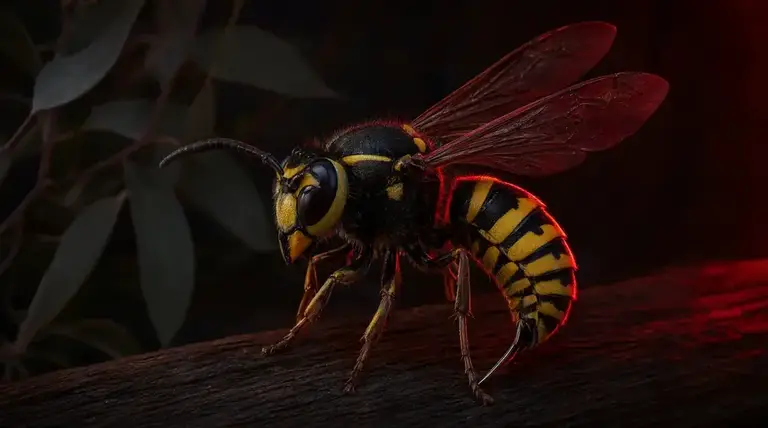
Paper wasps are slender wasps measuring 10 to 20 mm long, typically orange-brown in colour, with long legs that trail noticeably behind them in flight. Australia has native paper wasp species plus the introduced Polistes dominula. They are moderate in temperament compared with the highly aggressive European wasp, but they will sting to defend a nest located near doorways, walkways, clotheslines or play areas.
Where do paper wasps commonly build nests around Australian homes?
Paper wasps favour sheltered, raised anchor points: under eaves, on pergolas and verandahs, in meter boxes, among shrubs, on outdoor furniture, barbecues and in garden sheds. Housing style matters too — Queenslanders with wide verandahs and exposed rafters, brick veneer homes with deep eaves, and older weatherboard houses with subfloor vents all provide abundant nesting sites for queens founding new combs.
When is paper wasp season in Australia?
In southern states, queens emerge and found new nests from September, colonies peak through December to February, and activity declines through autumn as winter slows things down. In northern Queensland and the Top End, warmer winters allow colonies to persist and expand for much longer, with higher year-round activity. A nest started by a single queen in spring can hold several dozen defensive adults by mid-summer.
Can I leave a paper wasp nest alone?
Yes, if it is in a quiet, out-of-the-way spot. Paper wasps are beneficial predators that eat garden caterpillars, so a nest in a quiet corner of the yard can often be left alone. The real risk is location: nests above doors, paths, clotheslines, play areas or entertaining spaces should be treated or removed, especially if anyone in the household has a sting allergy.
When should I call a professional instead of removing a paper wasp nest myself?
Knocking down a tiny spring starter nest — one queen and a few cells — at ground level with a long pole is reasonable if you can do it safely and nobody has a sting allergy. Anything larger than your fist, higher up, or near foot traffic should be handled by a licensed technician with full protective gear and APVMA-registered products. Ladders plus defending wasps is a dangerous combination.
What are the early warning signs of a paper wasp nest?
Watch for repeated wasp traffic returning to the same eave, pergola beam or shrub; a golf-ball-sized starter comb with a single queen in spring; wasps scraping weathered timber from fences, decks and furniture to make nest material; wasps hovering near doorways or the clothesline; and multiple small combs appearing in one sheltered area, which suggests several queens favouring the same structure.
What should I do after a paper wasp sting?
Move away calmly — never swat near a nest, as a defending colony can sting several times at once. Wash the area, apply a cold pack, and take an antihistamine or simple pain relief if needed. Pain, redness and swelling may last a day or two. Watch for difficulty breathing, swelling of the face or throat, or dizziness, which can signal anaphylaxis in the roughly 3% of Australians with venom allergy — call 000 immediately and use a prescribed adrenaline auto-injector.
What happens during an Aussie Pest Strike inspection for a paper wasp nest?
An Aussie Pest Strike technician assesses the nest itself, its size and location, and the access required to treat it safely. They check eaves, pergolas, meter boxes and other favoured anchor points around the property, identify whether you are dealing with paper wasps rather than European wasps or bees, and recommend treatment based on colony size and proximity to doors, paths and entertaining areas. Spring inspections can also catch starter combs early.
How can I prevent paper wasps rebuilding after a nest is treated?
After treating an established nest, ask Aussie Pest Strike about residual treatment of nesting sites plus practical prevention advice. Because queens often return to favoured spots, weekly spring checks of eaves, pergolas, meter boxes, outdoor furniture and sheds help you remove starter combs before they grow. Fine screens over vents and gaps, closed bins and picking up fallen fruit also reduce what attracts wasps to your yard through the warm months.
Sources & further reading
Found Something
Dangerous?
Don’t touch it. Don’t spray it. Keep kids and pets clear, take a photo from a safe distance, and call us — or book a free inspection and we’ll come to you.
02 7235 0050