Australia’s Most-GoogledPestQuestions, Answered
Australia's most-Googled pest questions answered: dangerous spiders, why ants and cockroaches return, and what really works, with a free quote on offer.
Every year, Australians type millions of pest queries into Google, and a surprising number start with a single keystroke like “e” before autocomplete does the rest — everything from “eek, is this spider dangerous” to “exterminator near me”. This article rounds up Australia’s most-Googled pest questions and answers them directly, with the species, seasons and housing context that matter here.
Put simply, Australia’s most-Googled pest questions are the recurring search queries about spiders, ants, cockroaches, termites and DIY pest control that Australians ask most often — and each one has a practical, evidence-based answer. Below we answer them the way a licensed technician would: no scaremongering, no myths, just what works in Australian homes.
- Only two Australian spider groups — the Sydney funnel-web and the redback — are genuinely dangerous, and no confirmed death has occurred since antivenom became available.
- Ant and cockroach surges are driven by warm, humid weather and rain; baiting beats spraying for ants, and cockroach eggs survive most standard sprays.
- Ultrasonic repellers don’t work; residual sprays, baits and exclusion do.
- An annual termite inspection is the single most valuable pest check for Australian homeowners.
- Professional pest control typically costs $150–$450 for general treatments, with termite work priced separately.
Why these pest questions matter across Australia
These questions matter because Australia’s climate and housing stock create ideal pest conditions almost everywhere. From humid subtropical Queensland to temperate Victoria, our long warm seasons drive year-round insect breeding, and the way we build invites pests in.
Queenslanders on stumps have open subfloors that harbour termites, spiders and rodents. Post-war brick veneer homes on concrete slabs hide termite entry points at the slab edge, where foragers can travel up through weep holes and cracks undetected. Even modern builds with timber framing and garden beds hard against walls give pests a bridge straight indoors. That’s why the same queries — “why are there ants everywhere”, “is this spider dangerous”, “do I need pest control” — dominate search results from Cairns to Perth. Understanding the local drivers behind each question is the first step to answering it properly.
Warning signs: when a Google search should become an inspection
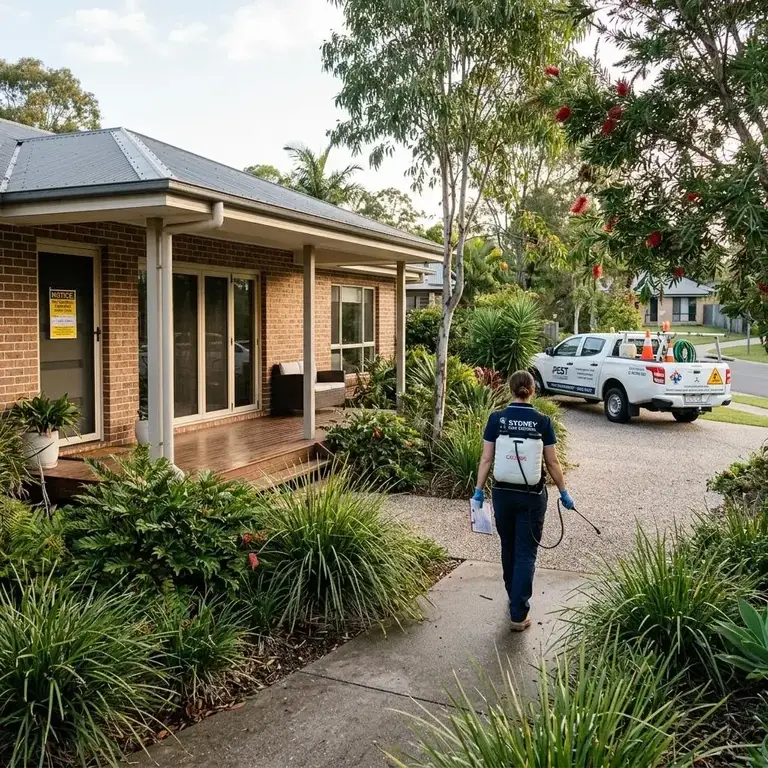
If you’re noticing any of the following, stop searching and book a professional look — these are the signs that a minor issue is becoming an infestation.
- Repeated ant trails — daily lines of sugar ants or black house ants in the kitchen, especially after rain, signal an established colony nearby.
- Cockroach sightings by day — German cockroaches seen in daylight usually mean the harbourage is overcrowded.
- Droppings or egg cases — small dark pellets in cupboards, or brown oothecae behind fridges and dishwashers.
- Mud tubes on walls or piers — pencil-width earthen tunnels are active subterranean termite workings.
- Hollow-sounding or blistered timber — skirting boards, door frames or window reveals that feel papery when tapped.
- Multiple spider webs at eaves — heavy webbing around windows and gutters points to abundant prey insects and a breeding population.
- Scratching in walls or ceiling at night — rodents moving in as the weather cools.
DIY vs professional pest control: which questions can you solve yourself?
The honest answer is: it depends on the pest. Minor, contained ant or spider issues often respond to supermarket baits and basic hygiene, but termites, recurring German cockroaches, bed bugs and venomous spiders need licensed treatment. Many popular shortcuts are simply a waste of money — independent testing has repeatedly found ultrasonic devices have no reliable effect, as we detail in Ultrasonic Pest Repellers: The Honest Truth. Likewise, many home remedies fail for predictable reasons, covered in DIY Pest Remedies That Don’t Work (And What Does).
| Factor | DIY | Professional |
|---|---|---|
| Best for | Minor ants, occasional spiders, prevention | Termites, German cockroaches, recurring infestations |
| Effectiveness | Variable; sprays often split ant colonies | Targets the breeding cycle, not just visible pests |
| Safety | Risk of over-application indoors | APVMA-approved products at label rates by licensed techs |
| Cost | $15–$60 per product | $150–$450+ per visit, often with a service warranty |
| Long-term result | Often short-lived | Residual protection and follow-up options |
Many of the DIY beliefs behind these searches are debunked in our guide 10 Pest Control Myths Busted: Complete Australian Guide, including the daddy long-legs venom legend. For prevention fundamentals, see our pest prevention tips for Australian homes.
What does pest control cost in Australia in 2025–26?
Across the Australian market, general pest control for a standard home typically runs $150–$450, with termite services priced separately and considerably higher. These are industry-wide market rates — what pest control companies across the country generally charge — and the exact figure depends on home size, construction type and the pest involved.
| Service | Typical cost (AUD) | What’s included/notes |
|---|---|---|
| General pest spray (spiders, ants, cockroaches) | $150–$350 | Internal/external residual treatment; 3-bedroom home baseline |
| German cockroach treatment | $250–$450 | Gel baits plus residual; often needs a follow-up visit |
| Rodent control program | $200–$400 | Bait stations, exclusion advice, follow-up checks |
| Annual termite inspection | $250–$400 | Full timber pest inspection with written report |
| Termite barrier/treatment | $2,000–$5,000+ | Chemical barrier or baiting system; varies by perimeter length |
The figures above reflect typical market rates charged across the Australian pest control industry in 2025–26 — they are not Aussie Pest Strike’s prices. In most cases, Aussie Pest Strike comes in well under these market rates, delivering the same licensed, thorough treatment for less. For an exact quote tailored to your property and pest problem, give the team a call on [aps_phone].
When are pests most active in Australia?
Most pest activity peaks over the December–February summer, when heat and humidity accelerate breeding, while rodents push indoors through autumn and winter. The chart below shows typical combined pest pressure across the year for most Australian regions.
Jan
Feb
Mar
Apr
May
Jun
Jul
Aug
Sep
Oct
Nov
Dec
Typical Australian pest pressure by month: insects peak December–February, while the autumn–winter floor reflects rodents moving indoors rather than pests disappearing.
Answering two of the most-Googled timing questions: ants surge in warm, humid weather and after rain, when colonies forage hard and move indoors seeking water — spraying visible trails usually splits the colony, so baiting is what actually works. And yes, some spiders shelter indoors as it cools, so winter sightings can rise even as garden activity drops. Cockroaches keep coming back because their eggs survive standard sprays — a single German cockroach ootheca carries 30–40 eggs and hatches in about a month, so unless treatment breaks the breeding cycle, the population rebounds.
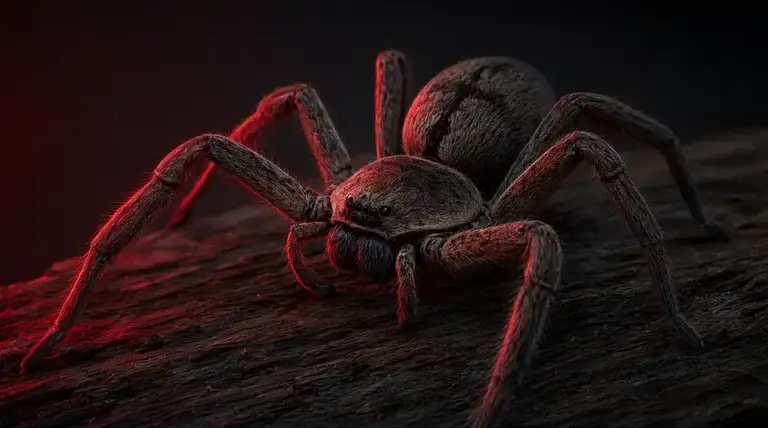
On the danger question: only the Sydney funnel-web (Atrax robustus) and the redback (Latrodectus hasselti) have caused deaths in Australia, with no confirmed death since antivenom arrived. Huntsmans are fast and startling but shy, their bite is minor, and they eat cockroaches — accidental allies indoors. For a rapid-fire reference covering more queries, see our 25-answer pest control FAQ hub.
“Nine times out of ten, the question a customer googled at midnight has a straightforward answer — the tricky part is that the visible pest is rarely the real problem. Kill the trail you can see and the colony keeps breeding behind the wall. A proper inspection finds the source, and that’s what actually fixes it.”
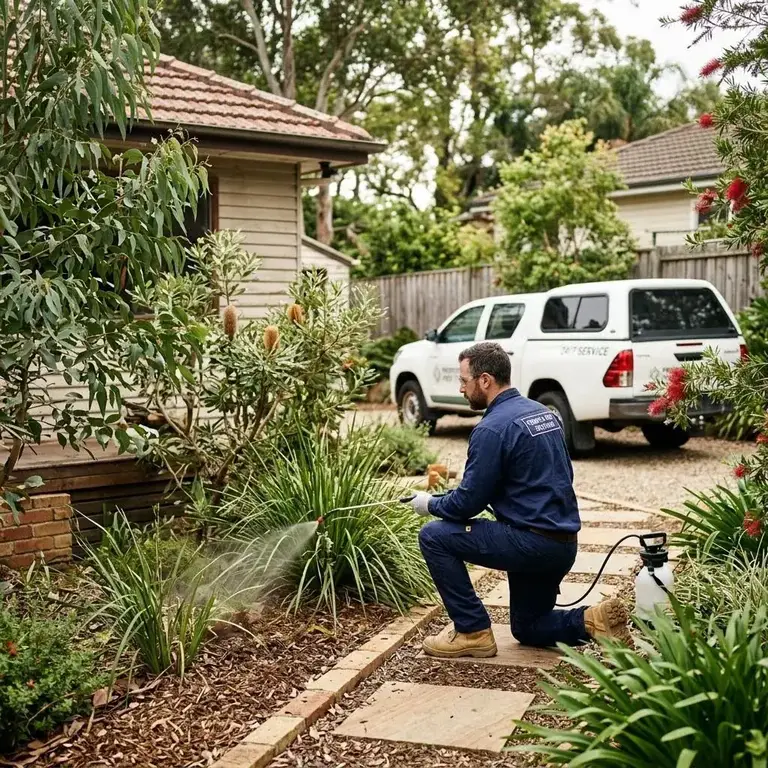
Treat Google as triage, not treatment. Handle one-off spiders and minor ant incursions with baits and good hygiene, but book a licensed technician for anything recurring — and schedule an annual termite inspection regardless of what you can see, dropping to six-monthly on bushland-adjacent or previously affected properties. Always choose technicians who use APVMA-approved products at label rates and observe re-entry times around kids and pets.
Frequently Asked Questions
Which Australian spiders are actually dangerous?
No confirmed death has occurred since antivenom became available. Huntsman spiders are fast and startling but shy, with a minor bite, and they eat cockroaches, so they can be accidental allies indoors. Most other spiders you find around the home pose little real threat.
Why do ants suddenly appear everywhere in my kitchen?
Ant surges are driven by warm, humid weather and rain. After rainfall or during hot spells, colonies forage hard and move indoors seeking water and food, which is why daily trails of sugar ants or black house ants appear in kitchens. Repeated trails after rain usually signal an established colony nearby, so baiting is more effective than spraying visible lines.
Why do cockroaches keep coming back after spraying?
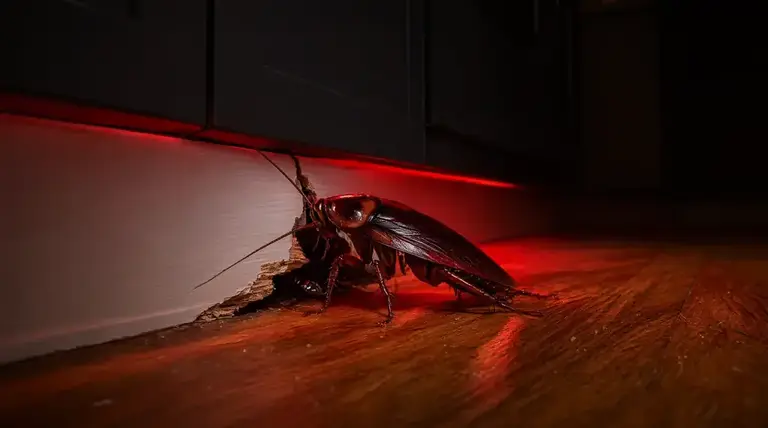
Cockroach eggs survive most standard sprays. A single German cockroach ootheca carries 30 to 40 eggs and hatches in about a month, so unless treatment breaks the breeding cycle rather than just killing visible adults, the population rebounds within weeks. Effective control uses gel baits combined with residual treatments, often with a follow-up visit to catch newly hatched nymphs.
Are electronic pest control devices worth trying before calling a professional?
No. Independent testing has repeatedly found ultrasonic devices have no reliable effect on pests. Money spent on repellers is generally wasted. What actually works is a combination of residual sprays applied at label rates, baits that target breeding cycles, and exclusion measures that seal entry points. If a product sounds too simple to be true, it usually is.
When are pests most active in Australia?
Most insect activity peaks over December to February, when heat and humidity accelerate breeding. Ants surge in warm, humid weather and after rain, while some spiders shelter indoors as it cools, so winter sightings can rise even as garden activity drops. Rodents push indoors through autumn and winter, which is why scratching in walls or ceilings at night becomes common in cooler months.
What warning signs mean I should book an inspection instead of searching online?
Stop googling and get a professional look if you notice repeated ant trails in the kitchen, cockroaches seen in daylight, droppings or brown egg cases behind fridges, pencil-width mud tubes on walls or piers, hollow-sounding or blistered timber, heavy webbing at eaves, or scratching in walls at night. These signs indicate a minor issue is becoming an infestation.
Can I handle pest control myself or do I need a professional?
It depends on the pest. Minor, contained ant or spider issues often respond to supermarket baits and basic hygiene. Termites, recurring German cockroaches, bed bugs and venomous spiders need licensed treatment. DIY sprays often split ant colonies and give short-lived results, while professionals target the breeding cycle using APVMA-approved products at label rates, with follow-up options for lasting protection.
How often should I have a termite inspection?
An annual termite inspection is the single most valuable pest check for Australian homeowners. It involves a full timber pest inspection with a written report covering subfloors, slab edges, weep holes and other common entry points. If your property sits near bushland or has had termite activity before, inspections should drop to six-monthly to catch workings early.
What happens during a professional pest inspection with Aussie Pest Strike?
A technician inspects the areas where pests actually live and breed, not just where you see them: subfloors, slab edges, weep holes, roof voids, kitchens and eaves. They identify the species, locate the source colony or harbourage, and recommend targeted treatment such as baiting or residual application using APVMA-approved products at label rates. Because the visible pest is rarely the real problem, finding the source is what fixes it long term.
What is the best next step if I keep seeing the same pests again and again?
Recurring pests mean the source has not been dealt with, so the practical next step is booking a licensed technician from Aussie Pest Strike for a proper inspection rather than repeating DIY sprays. The team will identify what is driving the problem, treat the breeding cycle directly, and advise on exclusion measures. Meanwhile, keep up basic hygiene and use baits instead of spraying visible trails, which only splits colonies.
Sources & further reading
Found Something
Dangerous?
Don’t touch it. Don’t spray it. Keep kids and pets clear, take a photo from a safe distance, and call us — or book a free inspection and we’ll come to you.
02 7235 0050