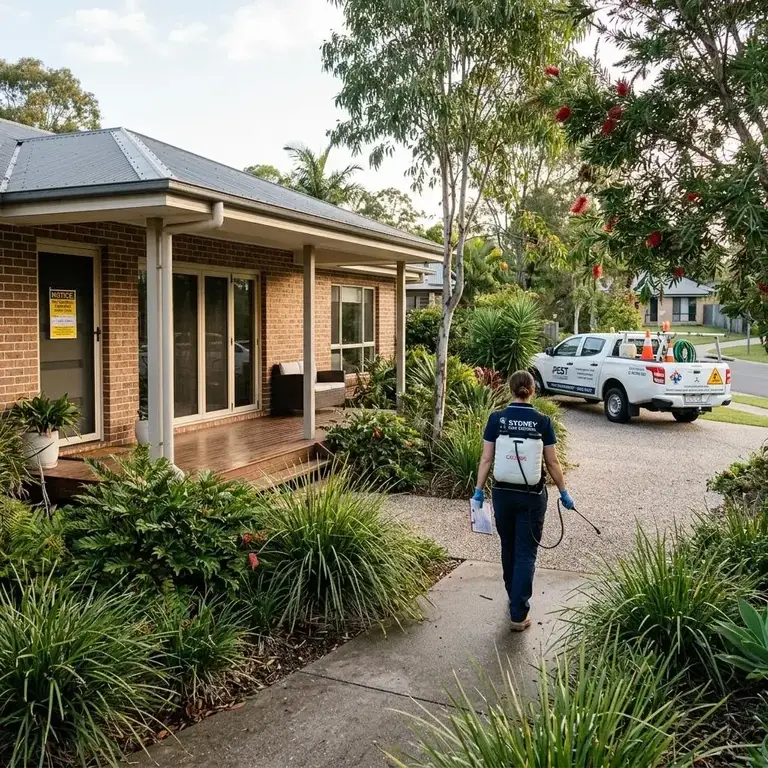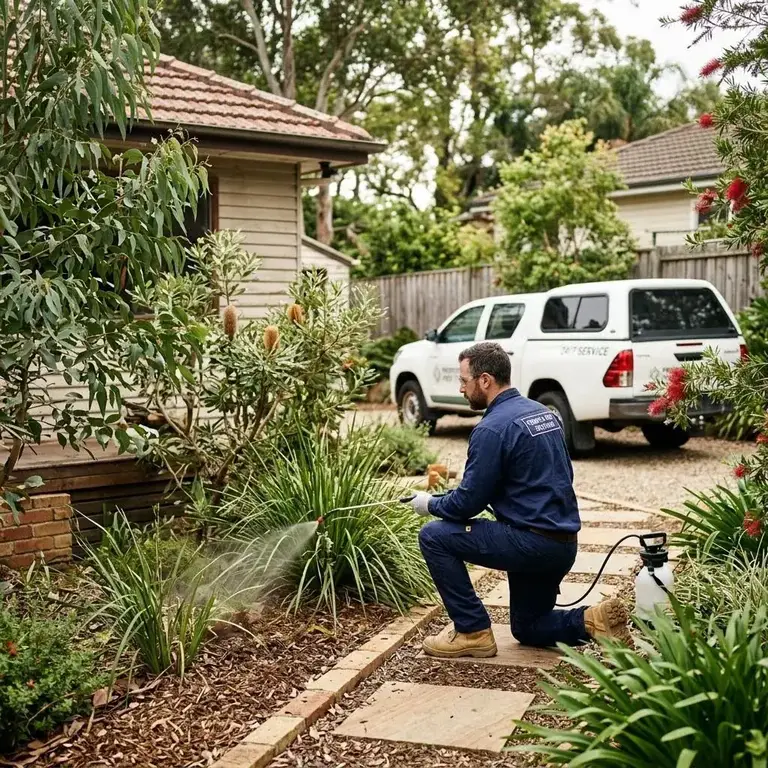
Is a100% Pest-FreeHome Realistic?
Is a 100 — 100 pest-free home — Pest free home — no, a permanently 100 percent pest-free home is not realistic, and any company promising it is overselling....
Everyone wants a pest free home, but is 100% freedom from pests actually realistic? In short, no — a permanently pest-free property is not achievable, and any company promising one is overselling. The realistic definition is a home kept consistently below the level where pests cause harm, damage or nuisance — what professionals call staying under the ‘action threshold’.
In Australia’s warm, biodiverse climate, the honest goal is control and prevention, not sterilisation. Your home sits inside an ecosystem of an estimated quarter of a million insect species, and every open door, delivery box and summer evening breeze reintroduces them. This guide explains what genuine pest control can deliver, what it can’t, and how to judge a fair promise.
- A permanently 100% pest-free home is a myth — the realistic goal is keeping populations below the action threshold where they cause harm or nuisance.
- Australia’s warm climate means pest pressure never fully stops, so control must be maintained, not achieved once.
- Professional treatments work best when paired with owner habits: sealing gaps, managing moisture and storing food properly.
- Be wary of anyone “guaranteeing” you’ll never see another insect — trustworthy providers talk about reduction, control and defined warranty periods.
- A typical general pest treatment in Australia costs roughly $180–$350 in 2025–26, with ongoing plans offering the best long-term value.
Why a truly pest free home is so hard in Australia
Total elimination fails because Australia is one of the most pest-dense environments on earth, and our climate lets pests breed almost year-round. Homes here are under constant background pressure that a colder country simply doesn’t experience.
Australia is home to an estimated quarter of a million insect species, and your property sits inside that ecosystem. Doors open, deliveries arrive, gardens border walls, and flying insects drift in on summer evenings. Housing styles add their own challenges: homes on stumps with open subfloors (classic Queenslanders and older weatherboards) give rodents, spiders and termites easy access, while slab-on-ground brick veneer homes still have weep holes, expansion joints and pipe penetrations that ants and cockroaches exploit. In Queensland and northern New South Wales, subtropical humidity keeps German cockroaches and mosquitoes active in every month; in Melbourne and Adelaide, rodents push indoors each autumn as temperatures drop. Even the occasional huntsman wandering in is near-impossible to fully exclude — and many native species are protected and cannot simply be wiped out. For a deeper look at common misconceptions, see our 10 Pest Control Myths Busted: Complete Australian Guide.
Warning Signs: When Normal Activity Becomes an Infestation
The occasional spider, ant or fly is normal and harmless — an infestation is when you see patterns, colonies or damage. Use this checklist to tell the difference:
- Trails and repeated sightings — regular ant trails to a food source, or seeing the same pest species day after day, indicates an established colony nearby.
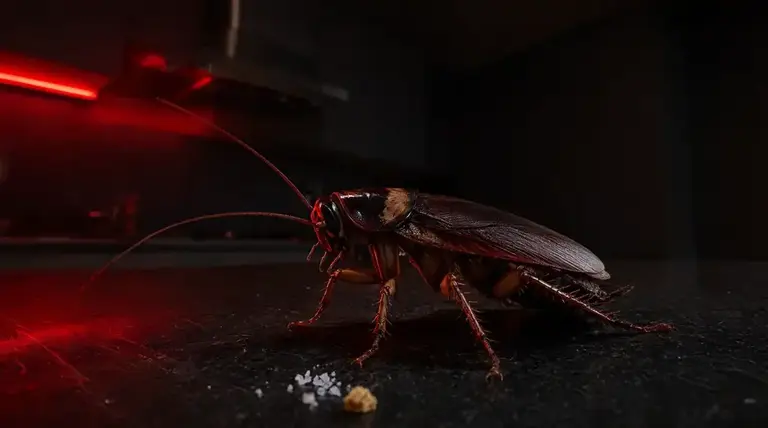
- Droppings and smear marks — small dark pellets in cupboards (rodents), pepper-like specks in drawers (cockroaches) or greasy marks along skirting boards.
- Physical damage — gnawed packaging, chewed wiring, hollow-sounding timber or blistered paint that may signal termite activity.
- Nests, webs and egg cases — wasp nests under eaves, cockroach oothecae in warm appliance cavities, or heavy webbing in undisturbed corners.
- Unusual sounds or smells — scratching in wall cavities or ceilings at night, or a musty, oily odour typical of a heavy cockroach population.
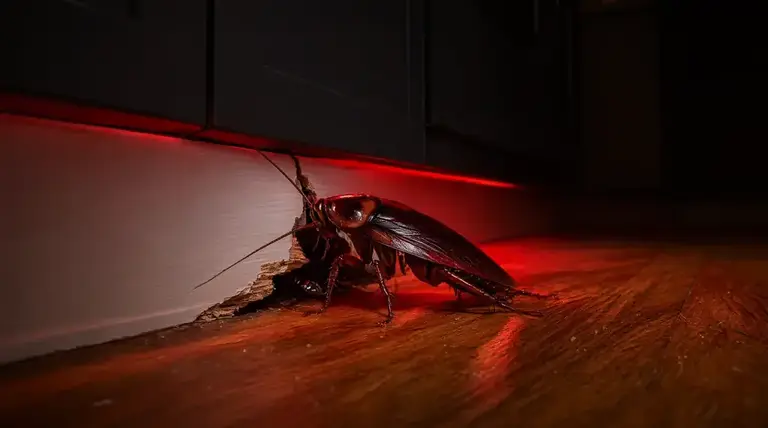
- Daytime sightings of nocturnal pests — seeing cockroaches or rodents during the day usually means the hidden population is large.
If two or more of these apply, prevention alone won’t fix it — that’s the signal to bring in licensed help.
DIY vs Professional Pest Control: What Actually Works
DIY products can knock down a minor, localised problem, but only a licensed technician can treat the source, apply APVMA-registered residual products correctly, and back the work with a warranty. Many popular home remedies simply don’t deliver — we’ve detailed the evidence in DIY Pest Remedies That Don’t Work (And What Does), and the same goes for plug-in gadgets, covered in Ultrasonic Pest Repellers: The Honest Truth.
| Factor | DIY approach | Professional treatment |
|---|---|---|
| Best for | Isolated sightings, minor ant or spider activity | Established infestations, termites, recurring problems |
| Products | Supermarket sprays, baits — short residual life | APVMA-registered residual and baiting systems applied by licensed technicians |
| Longevity | Days to weeks; often treats symptoms only | Months; targets harbourages and entry points at the source |
| Warranty | None | Defined service warranty period, typically 3–12 months depending on pest |
| Risk | Misapplication, scattering colonies, wasted spend | Low — chemicals applied to label rates by trained, licensed operators |
What Does Pest Control Cost in Australia?
Across the Australian pest control industry, a standard general pest treatment typically sits between $180 and $350 in 2025–26, with specialised work like termites costing more. These are typical Australian market rates — what the industry generally charges — not quotes from any one provider. Actual pricing varies by home size, pest species, access (subfloor versus slab) and state, so treat the figures below as a guide to the going market rate for a pest free home.
| Service | Typical market rate (AUD) | What’s included/notes |
|---|---|---|
| General pest spray (cockroaches, spiders, ants, silverfish) | $180–$350 (industry-typical range) | Internal and external treatment of a standard 3–4 bedroom home; typical 3–6 month warranty |
| Rodent control program | $220–$450 (industry-typical range) | Tamper-resistant bait stations, exclusion advice, follow-up visits |
| Termite inspection | $250–$400 (industry-typical range) | Full inspection to Australian Standard with written report; annual inspection recommended |
| Termite treatment (barrier or baiting system) | $2,000–$5,000+ (industry-typical range) | Depends on construction type, perimeter length and system chosen |
| Annual maintenance plan | $300–$600 per year (industry-typical range) | Scheduled visits plus free re-treats between services; best value for ongoing control |
Here’s the good news: Aussie Pest Strike typically comes in well under these typical Australian market rates, without cutting corners on products, warranty or thoroughness. For an exact quote tailored to your property, give the team a call on [aps_phone] today.
Seasonal Pest Activity in Australia
Pest pressure peaks through the warm months from late spring to early autumn and dips — but never stops — in winter. Cockroaches, ants and spiders stay busy through the December to February peak, mosquitoes explode after summer rain, and rodents simply shift their focus indoors as autumn arrives.
Jan
Feb
Mar
Apr
May
Jun
Jul
Aug
Sep
Oct
Nov
Dec
Indicative combined pest pressure across most of Australia: insect activity peaks December–February, rodents move indoors April–August, and no month drops to zero — which is why “set and forget” treatments fail.
This constant background pressure is exactly why a “set and forget” pest-free home is a myth: the environment keeps resupplying pests, so control has to be maintained rather than achieved once. A leafy inner-Sydney block, a subtropical Brisbane garden and a bushland-fringe Perth home each need slightly different maintenance rhythms, but none can expect permanent zero.
After years in the field, I tell every customer the same thing: my job is to get your home below the threshold where pests bother you, and your job is the day-to-day prevention that keeps it there. Anyone who promises you’ll never see another insect doesn’t understand the biology — or is hoping you won’t. A treatment plus good habits beats a miracle promise every time.
Aim for realistic control, not zero. Book an annual general pest treatment (six-monthly in subtropical regions), add a yearly termite inspection, and do your half between visits: seal gaps around pipes and doors, store food in sealed containers, cut vegetation back from walls, fix leaks and clear standing water where mosquitoes breed. Judge providers on whether they talk about reducing and controlling populations with a defined warranty — walk away from “never see a pest again” guarantees.
Frequently Asked Questions
Is a 100% pest-free home actually achievable?
No. A permanently pest-free property is not realistic, and any company promising one is overselling. The honest goal is keeping pest populations below the action threshold — the level where they cause harm, damage or nuisance. Australia's warm climate and enormous insect biodiversity mean pests are constantly reintroduced through open doors, deliveries and gardens, so control must be maintained rather than achieved once.
What does the action threshold mean in practical terms?
The action threshold is the point at which pest activity starts causing real harm, damage or nuisance in your home. Staying below it means the occasional spider or ant is normal and acceptable, while established colonies, trails, droppings or damage are not. Professional pest control aims to keep your home consistently under this level rather than promising total elimination of every insect.
Why is Australia's climate so challenging for pest control?
Australia's warmth lets pests breed almost year-round, with an estimated quarter of a million insect species forming the ecosystem around your home. Subtropical humidity keeps German cockroaches and mosquitoes active every month in Queensland and northern New South Wales, while rodents push indoors each autumn in Melbourne and Adelaide. Pest pressure dips in winter but never stops completely.
How do I tell normal pest activity from an infestation?
Look for patterns rather than isolated sightings. Warning signs include repeated trails of ants, droppings or smear marks, gnawed packaging or hollow-sounding timber, nests and egg cases, scratching sounds in walls at night, and daytime sightings of normally nocturnal pests like cockroaches or rodents. If two or more signs apply, prevention alone won't fix it and licensed help is needed.
When does DIY pest control work compared to professional treatment?
DIY products suit isolated sightings and minor ant or spider activity, but supermarket sprays have short residual life and often treat symptoms only. Professionals can treat the source using APVMA-registered residual products applied at label rates, targeting harbourages and entry points for months rather than days. Established infestations, termites and recurring problems need professional attention.
Which parts of a typical home are most vulnerable to pest entry and nesting?
Homes on stumps with open subfloors, such as Queenslanders and older weatherboards, give rodents, spiders and termites easy access. Slab-on-ground brick veneer homes still have weak points: weep holes, expansion joints and pipe penetrations that ants and cockroaches exploit. Every construction type has entry points that need sealing as part of ongoing prevention between treatments.
What habits help keep my home below the action threshold?
Between professional visits, seal gaps around pipes and doors, store food in sealed containers, cut vegetation back from walls, fix leaks, and clear standing water where mosquitoes breed. These owner habits pair with treatments to maintain control. A treatment plus good daily habits beats any miracle promise, because the environment keeps resupplying pests no matter what.
How often should I schedule pest treatments in Australia?
An annual general pest treatment is recommended for most homes, stepping up to six-monthly in subtropical regions where humidity keeps pests active year-round. Add a yearly termite inspection to the routine. Because pest pressure never drops to zero in any month, set-and-forget approaches fail — maintenance rhythms need to match your local climate and surroundings.
What should I discuss with an Aussie Pest Strike technician about realistic pest control goals?
Ask how they define success for your property — a trustworthy technician will talk about reducing and controlling populations below the action threshold, not eliminating every insect. Discuss your home's construction, whether it has a subfloor or slab, local pest pressure in your area, seasonal patterns, and which maintenance rhythm suits your situation. They should also explain what you can do between visits to support the treatment.
What is a sensible next step if I want ongoing pest control for my home?
Start by assessing your current situation against the warning signs of infestation, then arrange a general pest treatment suited to your region's climate, along with a yearly termite inspection. Aussie Pest Strike can provide a quote tailored to your property's size, construction and access, and discuss whether an annual maintenance plan with scheduled visits suits your long-term goal of staying below the action threshold.
Sources & further reading
Found Something
Dangerous?
Don’t touch it. Don’t spray it. Keep kids and pets clear, take a photo from a safe distance, and call us — or book a free inspection and we’ll come to you.
02 7235 0050