How Bed BugsActually Spread (AndHow They Don’t)
Bed bugs spread by hitchhiking on luggage, second-hand furniture, clothing and bags they are carried from place to place by people, not by flying or...
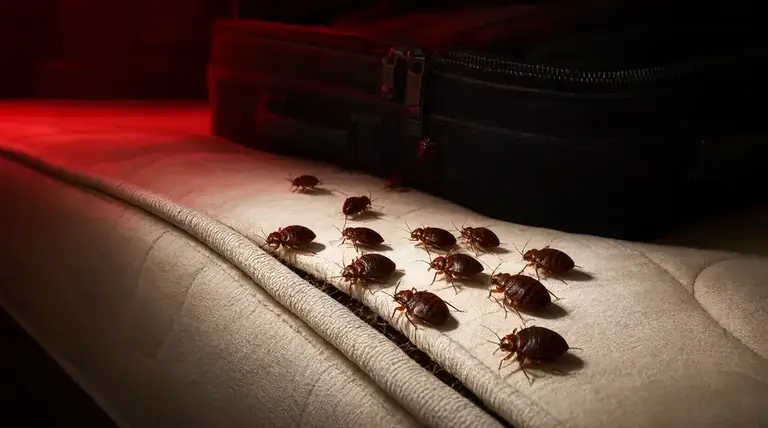
Bed bugs are one of the most misunderstood pests in Australia, and understanding how bed bugs spread is the single most useful thing you can learn to keep them out of your home. The short answer: they hitchhike. Bed bugs move by hiding in luggage, clothing, second-hand furniture and bags — they are carried from place to place by people, not by flying or jumping.
There is a mountain of misinformation about these 4–5 mm insects, from claims they can fly to the myth that only dirty homes get them. Below, we separate the real transmission routes from the fiction, explain how fast an infestation can grow in Australian conditions, and show you the habits that actually stop them — so you can focus your prevention where it counts.
- Bed bugs spread only by hitchhiking on belongings — luggage, clothing, bags and second-hand furniture. They cannot fly or jump.
- A single mated female can lay 200–500 eggs in her lifetime, enough to start a full infestation.
- Hotels and short-stay accommodation are the most common pickup points for Australian travellers.
- In warm Australian conditions, eggs can hatch in 6–10 days and numbers can double repeatedly across one season.
- Early detection and professional treatment are dramatically cheaper than treating an established, multi-room infestation.
Why How Bed Bugs Spread Matters Across Australia
Knowing how bed bugs spread matters in Australia because our travel culture, warm climate and housing mix create ideal conditions for hitchhiking pests. Australians are prolific domestic and international travellers, and every hotel stay, hostel bunk and airport lounge is a potential pickup point for a stowaway bug.
Our climate works in the bugs’ favour too. Bed bugs breed faster in warmth, and much of Australia — from humid Brisbane and the Queensland coast to heated brick veneer homes through a Melbourne winter — keeps indoor temperatures comfortably in their preferred range year-round. Housing style also plays a role. Apartments and townhouses in Sydney, Melbourne and the Gold Coast share wall cavities, wiring conduits and skirting gaps that let bugs move between units. Even detached Queenslanders and slab-on-ground homes aren’t immune, because the bugs arrive inside your belongings rather than crawling in from the garden. Unlike termites or ants, there’s no outdoor colony to treat — the whole battle is about what you carry through the front door.
How Bed Bugs Spread: The Real Transmission Routes
Bed bugs spread through three main routes: hitchhiking on personal belongings, arriving inside second-hand furniture, and moving through shared walls in multi-unit buildings. Every one of these routes depends on human activity — the bugs themselves are slow crawlers covering roughly a metre per minute.
Hitchhiking on belongings
Bed bugs are expert stowaways. They tuck into the seams of suitcases, backpacks, handbags and jacket linings, then ride home from a hotel, cinema, public transport seat or a friend’s house. A single mated female is enough to start an infestation, because she can lay 200–500 eggs over her lifetime. This is why travellers are the most common new cases a pest control technician sees.
Second-hand furniture
Used mattresses, bed frames, lounges and even electronics can carry live bugs and eggs hidden deep in crevices. Kerbside finds and online marketplace bargains are a classic source of surprise infestations — the item looks clean, but the bugs are hiding where a quick glance won’t find them.
Shared walls in multi-unit buildings
In apartments and units, bed bugs can travel between dwellings through wall cavities, electrical conduits and gaps around skirting boards. One unit’s untreated problem can quietly become a building-wide issue, which is why strata infestations often need a coordinated response.
How Bed Bugs Don’t Spread — Myth vs Fact
Most of what people believe about how bed bugs spread is wrong. They don’t fly, jump, live on pets or target dirty homes — they simply crawl and hide. Clearing up these myths stops wasted effort and pointless panic.
| Myth | Fact |
|---|---|
| Bed bugs fly | They have no wings and cannot fly |
| Bed bugs jump like fleas | They crawl only — about 1 metre per minute |
| They mean your home is dirty | They infest clean and messy homes alike |
| Pets carry them | They strongly prefer human hosts and rarely ride on animals |
Warning Signs You’ve Brought Bed Bugs Home
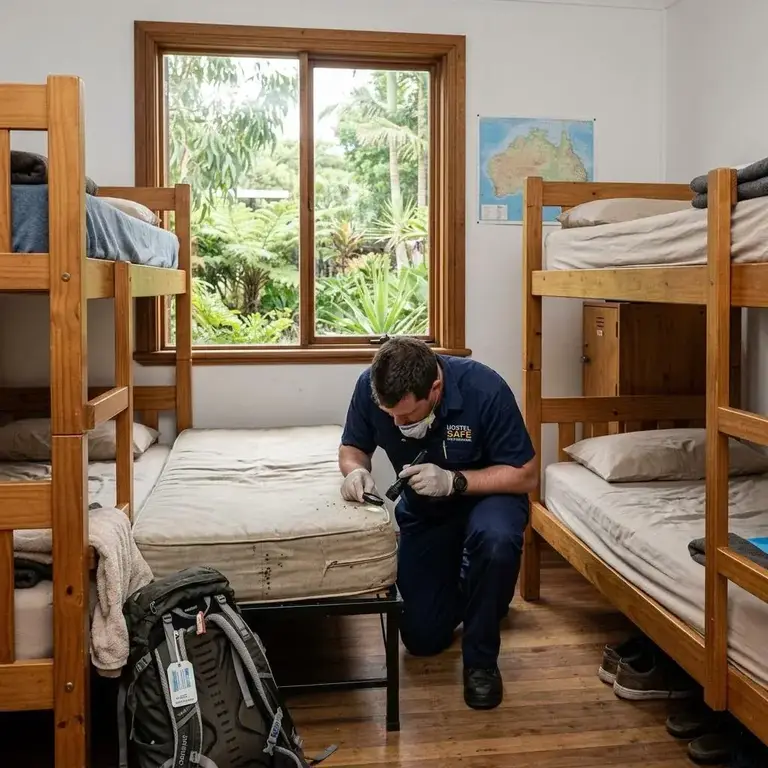
The earliest signs of bed bugs are bites, blood spots on sheets and dark faecal marks around the bed — often weeks before you ever see a live insect. Check for these indicators in the days and weeks after travel or after bringing any second-hand item into the house.
- Itchy bites in lines or clusters — typically on arms, shoulders and neck, appearing after sleeping. See our guide on bed bug bites: identification and your first steps.
- Small blood spots on sheets or pillowcases — from bugs crushed during the night.
- Dark faecal dots — like a felt-tip marker, along mattress seams, bedhead edges and skirting boards.
- Shed skins and tiny cream-coloured eggs — in mattress piping, bed frame joints and behind the bedhead.
- A sweet, musty odour — noticeable in heavier infestations.
DIY vs Professional Treatment
DIY methods can reduce numbers and are excellent for prevention, but they rarely eliminate an established infestation on their own. Bed bugs hide in places sprays can’t reliably reach, and eggs resist many over-the-counter products. If you’re weighing up professional options, our comparison of heat vs chemical bed bug treatment explains the two main approaches. Any chemical application should be carried out by a licensed pest control technician using APVMA-registered products.
| Factor | DIY | Professional |
|---|---|---|
| Best for | Prevention and very early, single-room detections | Established or multi-room infestations |
| Effectiveness | Reduces numbers; eggs and hidden bugs often survive | Heat and professional-grade treatments target all life stages |
| Time | Weeks of repeated effort | Usually 1–3 visits with follow-up inspection |
| Typical cost | $50–$200 in products | $300–$2,500 depending on scope |
| Risk | Infestation spreads while you experiment | Low when using a licensed technician |
Bed Bug Treatment Costs in Australia (2025–26)
Across the Australian market, professional bed bug treatment generally costs between $300 and $2,500, depending on the method, the number of rooms and the severity of the infestation. Heat treatment sits at the higher end of the typical industry range because of the specialised equipment involved, while targeted chemical programs for a single room sit at the lower end.
| Service | Typical market rate (AUD) | What’s included/notes |
|---|---|---|
| Inspection and assessment | $0–$150 | Often free with a booked treatment; confirms species and spread |
| Chemical treatment — single room | $300–$600 | Licensed application plus follow-up visit |
| Chemical program — whole home | $800–$1,500 | Multiple rooms, staged visits over several weeks |
| Heat treatment — whole home | $1,500–$2,500+ | Single-day treatment raising room temperature to lethal levels |
These figures reflect what the Australian pest control industry generally charges, with typical market rates varying by city, property size and severity. For a detailed breakdown, see our Bed Bug Treatment & Removal service page.
It’s worth noting that Aussie Pest Strike typically comes in well under these standard market rates, without cutting corners on treatment quality or follow-up. For an exact quote tailored to your property, give us a call on [aps_phone] today.
Seasonal Bed Bug Activity in Australia
Bed bugs are active all year in Australia because they live indoors, but reported cases peak across the warmer months and the summer travel season. Faster breeding in the heat plus heavier holiday movement means December to March consistently sees the highest activity.
Jan
Feb
Mar
Apr
May
Jun
Jul
Aug
Sep
Oct
Nov
Dec
Indicative activity pattern: bed bug cases climb through spring, peak over the summer holidays when travel is heaviest and breeding is fastest, and ease through the cooler months — but never drop to zero, because bed bugs live indoors year-round.
How Fast an Infestation Grows
Once inside, an infestation grows through breeding, not travel — and in a warm Australian summer it grows fast. Eggs can hatch in as little as 6–10 days, and a nymph can reach maturity in about a month, so numbers can double repeatedly across a single season.
That growth curve is exactly why the small window between picking up one hitchhiker and noticing bites is so valuable. Catching a single bug or a fresh cluster of eggs is a quick, contained job. Treating an established population that has spread through a whole bedroom — or into the lounge and second bedroom — is a bigger, more expensive exercise every time.
Simple Habits That Stop the Spread
Because bed bugs travel with belongings, prevention is behavioural — a few consistent habits block almost every route they use. Inspect your accommodation before unpacking, keep luggage off beds and floors, and run travel clothes through a hot dryer cycle when you get home.
Build the five-minute hotel room check into every trip — it’s the single highest-value habit a traveller can learn. When bringing second-hand items home, inspect all seams and crevices carefully first, and avoid kerbside mattresses and lounges entirely. A hard-shell suitcase also offers far fewer fabric seams for bugs to hide in than a soft bag.
In fifteen years of treating bed bugs, I can count on one hand the infestations that didn’t trace back to travel or a second-hand item. People waste money spraying the garden when the real defence is what happens at the front door — check the luggage, check the furniture, and you stop the problem before it starts.
Make the five-minute hotel check and the hot-dryer habit automatic after every trip, and refuse kerbside mattresses and lounges outright. If you spot bites, faecal marks or shed skins, don’t experiment for weeks — book a professional inspection straight away, while treatment is still cheap and contained.
Frequently Asked Questions
How do bed bugs actually spread from place to place?
Bed bugs spread only by hitchhiking on belongings such as luggage, clothing, bags and second-hand furniture. They are carried by people rather than travelling under their own power, because they cannot fly or jump and are slow crawlers, covering roughly a metre per minute. Every transmission route depends on human activity, which is why travellers picking up a stowaway in a suitcase seam are the most common new cases technicians see.
Can bed bugs fly or jump like fleas?
No. Bed bugs have no wings and cannot fly, and they cannot jump like fleas either. They move only by crawling, at roughly one metre per minute. This is why they rely entirely on being carried in luggage, clothing, handbags, jacket linings and second-hand furniture to reach new locations. Claims that they fly or leap between rooms or homes are among the most common myths about these 4–5 mm insects.
Do bed bugs mean your home is dirty?
No, this is a myth. Bed bugs infest clean and messy homes alike, because they are attracted to human hosts rather than dirt or grime. They arrive inside belongings — a suitcase from a hotel, a kerbside lounge or an online marketplace bargain — so the cleanliness of your home has no bearing on whether they settle in. Focusing on hygiene alone wastes effort; prevention is about inspecting items and luggage instead.
How does a single bed bug start a full infestation?
A single mated female is enough to start an infestation because she can lay 200–500 eggs over her lifetime. In warm Australian conditions those eggs can hatch in as little as 6–10 days, and a nymph can reach maturity in about a month. That means numbers can double repeatedly across a single season, turning one hitchhiker into a multi-room problem if it goes undetected for weeks.
Where are travellers most likely to pick up bed bugs?
Hotels and short-stay accommodation are the most common pickup points for Australian travellers. Every hotel stay, hostel bunk and airport lounge is a potential source of a stowaway bug hiding in mattress seams, bedding or furniture. Bugs tuck into the seams of suitcases, backpacks and jacket linings and ride home with you. Inspecting accommodation before unpacking and keeping luggage off beds and floors helps block this route.
Can bed bugs spread between apartments through shared walls?
Yes. In apartments and units, bed bugs can travel between dwellings through wall cavities, electrical conduits and gaps around skirting boards. One unit's untreated problem can quietly become a building-wide issue, which is why strata infestations often need a coordinated response across multiple dwellings. This route only applies to multi-unit buildings — even then, most infestations still begin with bugs carried inside someone's belongings.
What early warning signs show I've brought bed bugs home?
The earliest signs are itchy bites in lines or clusters on arms, shoulders and neck after sleeping, small blood spots on sheets or pillowcases from crushed bugs, and dark faecal dots that look like felt-tip marker along mattress seams, bedhead edges and skirting boards. You may also find shed skins and tiny cream-coloured eggs in mattress piping and bed frame joints, plus a sweet, musty odour in heavier infestations.
When is bed bug activity highest in Australia?
Bed bugs are active all year in Australia because they live indoors, but reported cases peak across the warmer months and summer travel season. Faster breeding in the heat combined with heavier holiday movement means December to March consistently sees the highest activity. Cases climb through spring, peak over the summer holidays, and ease through cooler months — but never drop to zero, since indoor temperatures stay within their preferred range year-round.
How can Aussie Pest Strike help me plan next steps if I suspect bed bugs?
If you have noticed bites, blood spots on sheets or dark faecal marks after travel or after bringing home second-hand furniture, Aussie Pest Strike can help you confirm what you are dealing with and assess how far any activity has spread. Because early detection makes treatment far simpler than tackling an established multi-room infestation, talking through your warning signs with a technician is a sensible way to plan appropriate next steps.
How quickly can bed bugs move to new hiding spots once they arrive?
A practical next step is to avoid moving items between rooms, keep using the affected bed rather than sleeping elsewhere, and arrange a professional inspection to confirm the species and extent of the problem. Aussie Pest Strike can assess the situation and explain the treatment options suited to your property, since DIY methods rarely eliminate established infestations and eggs often resist many over-the-counter products.
Sources & further reading
Found Something
Dangerous?
Don’t touch it. Don’t spray it. Keep kids and pets clear, take a photo from a safe distance, and call us — or book a free inspection and we’ll come to you.
02 7235 0050