How to Check aHotel Room for BedBugs in 5 Minutes
How to check — to check a hotel room for bed bugs in five minutes, keep your luggage in the bathroom, then inspect the mattress seams, bed-frame joints,...
Learning how to check a hotel room for bed bugs takes five minutes and could save you months of grief. Australian travellers pick up hotel bed bugs more often than any other pest while away from home, and rooms turn over so constantly that even five-star properties in Sydney, Melbourne or Brisbane are not immune. The good news: a short, systematic check on arrival is the single most effective way to avoid bringing an infestation back to your own bedroom.
Put simply, a hotel bed bug inspection means parking your luggage on a hard surface, then examining the mattress seams, bed frame, headboard and bedside area with a torch for live bugs, dark spotting or shed skins before you unpack. That’s the whole routine. This guide walks you through it step by step, explains what to do if you find something, and covers when it’s time to call in professional pest control once you’re home.
- Keep your suitcase in the bathroom or on a hard tiled floor until the room is cleared — never on the bed or carpet.
- Check mattress seams, bed-frame joints, the headboard and the bedside area first; most activity sits within two metres of the bed.
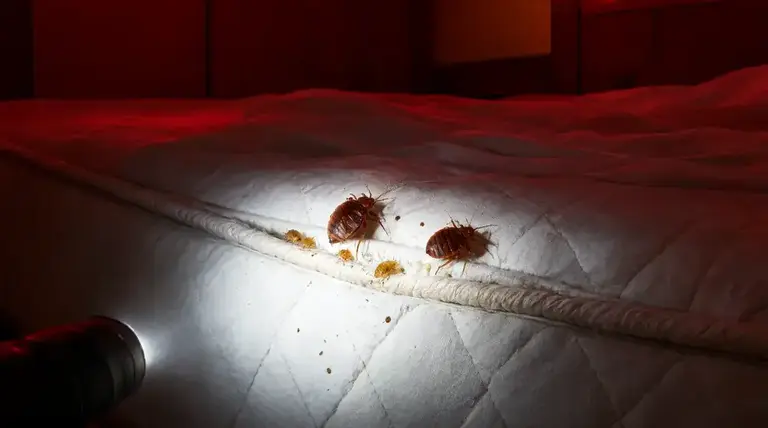
- Look for live bugs (flat, reddish-brown, apple-seed sized), dark faecal spotting, shed skins and whitish eggs.
- If you find signs, request a non-adjacent room or change hotels — bed bugs travel through wall cavities.
- On returning home, unpack straight into the laundry and hot-dry clothes for 30 minutes to kill all life stages.
Why Hotel Bed Bugs Are a Real Risk for Australian Travellers
Hotel bed bugs are the number-one source of new infestations in Australian homes, because hotels combine high guest turnover with constant international and interstate luggage movement. It has nothing to do with cleanliness — a five-star hotel in the Sydney CBD can carry bed bugs just as readily as a budget motel on the Pacific Highway.
Australia’s climate makes the problem stickier once bugs hitchhike home. Warm conditions through most of the year let bed bugs breed continuously indoors, and our housing stock gives them endless harbourage: carpeted slab-on-ground homes, older weatherboard and Queenslander houses with subfloor voids, and brick veneer walls with cavity gaps all offer travel routes and hiding spots. A single fertilised female in your suitcase can establish a colony in your bedroom within weeks, which is why the five-minute check on arrival matters far more than any remedy after the fact.
The 5-Minute Hotel Bed Bug Inspection: Warning Signs Checklist
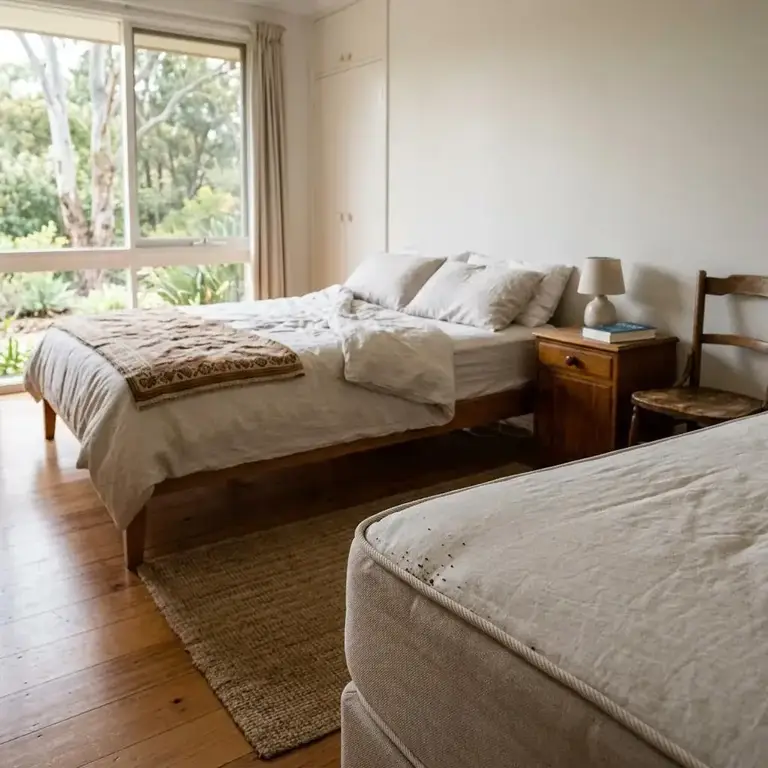
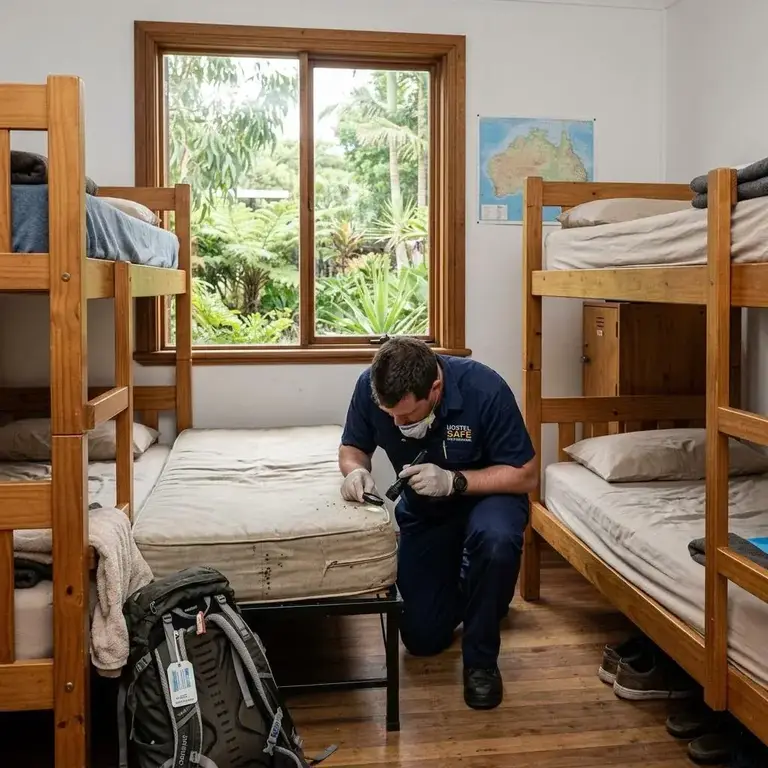
The fastest way to check for hotel bed bugs is to work through the room methodically, starting at the bed and moving outward. Park your luggage in the bathtub or on the hard bathroom floor first — bed bugs rarely harbour on smooth tiled surfaces — then run your phone torch over each of the following.
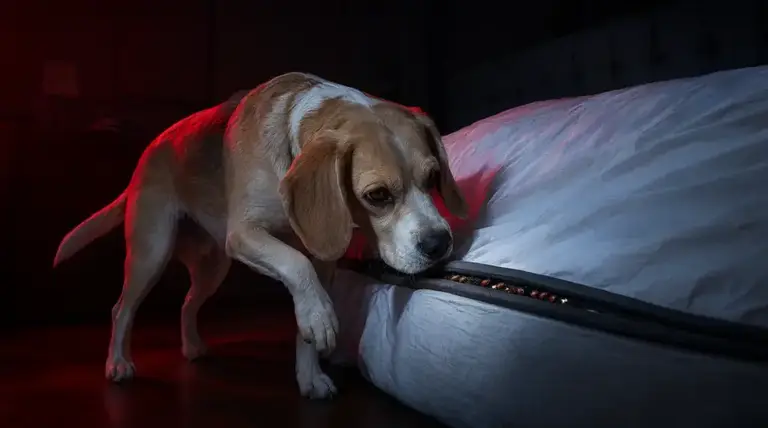
- Minute 1 — Mattress seams: pull back the sheets and run the torch along the piping and seams, especially the corners, where bugs cluster after feeding.
- Minute 2 — Bed frame and slats: check joints, screw holes, staples and the underside of the frame.
- Minute 3 — Headboard: lift it or peer behind it; wall-mounted headboards are a classic hiding spot.
- Minute 4 — Bedside table and lamp base: inspect cracks, drawer runners and the seam where carpet meets skirting boards.
- Minute 5 — Soft furnishings: scan the base of curtains, the luggage rack straps and any upholstered chair near the bed.
What you’re actually looking for:
- Live bugs: flat, reddish-brown, 4–5 mm, roughly apple-seed shaped.
- Faecal spotting: tiny dark dots, like marker-pen bleed on fabric or mattress ticking.
- Shed skins: pale, translucent casings left in crevices as nymphs grow.
- Eggs: whitish, about 1 mm, clustered in seams and joints.
If you have 30 seconds more, check behind wall-mounted artwork above the bed and, in serviced apartments, the folding frame of any sofa bed — both are commonly missed by housekeeping.
DIY Vigilance vs Professional Pest Control
The five-minute check is a prevention tool, and it’s genuinely effective at stopping you bringing bugs home. But once bed bugs establish in your house, DIY sprays and supermarket foggers almost never eliminate them — they scatter the colony deeper into wall cavities and furniture. That’s the point where licensed pest control becomes the realistic option. If you wake up with welts after a trip, start with our guide to Bed Bug Bites: Identification and Your First Steps, and read up on how bed bugs actually spread (and how they don’t) so you know what you’re dealing with.
| Factor | DIY approach | Professional treatment |
|---|---|---|
| Best for | Prevention while travelling; early detection | Confirmed infestations in the home |
| Effectiveness | High for avoidance; low for eradication | High when done by a licensed technician |
| Cost | Free to minimal | $300–$1,500+ depending on method and rooms |
| Risk | Spreading bugs with off-label chemical use | Low — APVMA-registered products applied correctly |
What Does Bed Bug Treatment Cost in Australia?
Across the Australian pest control industry in 2025-26, market rates for professional bed bug treatment generally sit between $300 and $1,500 or more, depending on the treatment method, the number of rooms and how established the infestation is. Across the market, heat treatment sits at the higher end; chemical programs spread over multiple visits sit lower per visit but add up.
| Service | Typical market rate (AUD) | What’s included/notes |
|---|---|---|
| Inspection and assessment | $0–$150 | Often free with treatment booking; confirms species and spread |
| Chemical treatment (per room) | $250–$450 | Usually 2–3 visits; applied by licensed technicians only |
| Whole-room heat treatment | $800–$1,500+ | Single-visit kill of all life stages, including eggs |
| Follow-up/monitoring | $100–$250 | Re-inspection and interceptors to confirm eradication |
Choosing between methods comes down to infestation size, budget and how quickly you need the room back — our breakdown of heat vs chemical bed bug treatment compares the two honestly. For a tailored quote, see our Bed Bug Treatment & Removal service page.
One more thing worth knowing: while the figures above reflect what the Australian industry generally charges, Aussie Pest Strike typically comes in well under these market rates for the same licensed, thorough work. For an exact quote tailored to your property, give us a call on [aps_phone] today.
When Are Bed Bugs Most Active in Australia?
Bed bugs are active year-round in Australia because they live indoors at stable temperatures, but reported cases spike in the warmer months and peak travel periods — summer holidays, Easter and school breaks — when more luggage moves through more rooms. Winter doesn’t kill them off; heated homes keep them breeding happily in July.
Jan
Feb
Mar
Apr
May
Jun
Jul
Aug
Sep
Oct
Nov
Dec
Indicative bed bug activity across Australia. Reports climb through spring and peak over the December–January travel season, dipping through winter but never disappearing — indoor heating keeps populations breeding all year.
Most infestations we treat start with a suitcase put down on a hotel bed for ten minutes. If every traveller did the five-minute check and hot-dried their clothes when they got home, half our bed bug work would vanish. Catching it in the first week is the difference between a one-room treatment and a whole-house job.
Do the five-minute check every single stay, no matter how good the hotel looks. If you find signs, ask for a room in a non-adjacent part of the building — not next door or directly above — or change hotels entirely. Back home, unpack straight into the laundry and run clothes through a hot dryer for 30 minutes. If bites or spotting appear in your own bedroom within a fortnight of travel, book a professional bed bug treatment inspection immediately rather than reaching for a DIY spray.
Frequently Asked Questions
How long does a hotel room bed bug check take?
A systematic check takes about five minutes. The routine is: park your luggage in the bathtub or on hard bathroom tiles, then spend roughly a minute each on the mattress seams, bed frame and slats, headboard, bedside table and lamp base, and soft furnishings like curtains and the luggage rack. If you have an extra 30 seconds, also check behind wall-mounted artwork above the bed and any sofa bed frame.
Where should I put my luggage while checking a hotel room for bed bugs?
Keep your suitcase in the bathroom or on a hard tiled floor until you have cleared the room. Bed bugs rarely harbour on smooth tiled surfaces, so this keeps your luggage away from likely hiding spots. Never place your suitcase on the bed or carpet — most infestations treated by pest controllers start with a suitcase set down on a hotel bed for just ten minutes.
What are the signs of bed bugs to look for in a hotel room?
Look for four things with a phone torch. Live bugs are flat, reddish-brown, around 4–5 mm and roughly apple-seed shaped. Faecal spotting appears as tiny dark dots, like marker-pen bleed on fabric or mattress ticking. Shed skins are pale, translucent casings left in crevices as nymphs grow. Eggs are whitish, about 1 mm, and cluster in seams and joints.
Which parts of a hotel room should I check for bed bugs first?
Start at the bed and work outward, because most activity sits within two metres of it. Check mattress seams and piping (especially corners), then bed-frame joints, screw holes, staples and slats, followed by the headboard — wall-mounted headboards are a classic hiding spot. Finish with the bedside table, lamp base, curtain bases, luggage rack straps and any upholstered chair near the bed.
Are five-star hotels less likely to have bed bugs than budget motels?
No. Cleanliness has nothing to do with bed bug risk — high guest turnover and constant international and interstate luggage movement matter far more than a property's rating. The practical next step is to note the signs, inspect the relevant area carefully, and seek property-specific advice if the issue continues.
What should I do if I find bed bugs in my hotel room?
Request a room in a non-adjacent part of the building — not next door or directly above your current room — because bed bugs travel through wall cavities. If no suitable room is available, change hotels entirely. Keep your luggage off the bed and carpet throughout, and when you get home, unpack straight into the laundry and hot-dry your clothes for 30 minutes to kill all life stages.
Do bed bugs come out during the day in a hotel room?
Bed bugs are active year-round because they live indoors at stable temperatures, but reported cases spike during warmer months and peak travel periods such as summer holidays, Easter and school breaks, when more luggage moves through more rooms. Winter does not kill them off — heated homes keep them breeding happily in July, so vigilance should not drop outside peak season.
Can I get rid of a bed bug infestation myself after travelling?
DIY sprays and supermarket foggers almost never eliminate established bed bugs — they tend to scatter the colony deeper into wall cavities and furniture, and off-label chemical use risks spreading them further. Prevention while travelling is where DIY genuinely works. Once bed bugs establish in your home, treatment by a licensed technician using registered products is the realistic option.
What information should I give Aussie Pest Strike when booking help after finding bed bugs following a trip?
Mention that you recently travelled and describe what you have noticed — bites appearing since your return, dark spotting on sheets or mattress seams, shed skins, or live bugs. Note which rooms are affected, how long symptoms or signs have been present, and whether you hot-dried your clothes after arriving home. This helps the technician assess how established the problem may be before arranging an inspection.
What practical next step should I take if I notice bites or spotting in my bedroom within a fortnight of travel?
Book a professional inspection promptly rather than reaching for a DIY spray, because catching an infestation in its first week can mean the difference between a one-room treatment and a whole-house job. Aussie Pest Strike can inspect your bedroom, confirm whether bed bugs are present and how far they have spread, and recommend an appropriate treatment approach based on what is found.
Sources & further reading
Found Something
Dangerous?
Don’t touch it. Don’t spray it. Keep kids and pets clear, take a photo from a safe distance, and call us — or book a free inspection and we’ll come to you.
02 7235 0050