Why Bed BugsAre Nearly Impossibleto Eliminate Yourself
Why bed bugs — dIY bed bug treatment nearly always fails because retail sprays don't kill eggs, bed bugs hide in inaccessible crevices, and populations have...
If you’re weighing up a DIY bed bug treatment after finding bites or spotting bugs in the mattress seams, this guide is for Australian homeowners who want the honest truth before spending money on supermarket sprays. A DIY bed bug treatment is any attempt to eliminate a bed bug infestation using retail products and household methods rather than licensed pest control — and in the overwhelming majority of cases, it fails.
Why bed bugs defeat the DIY approach so reliably comes down to three things: retail sprays don’t kill eggs, these flat-bodied insects hide in crevices you cannot reach, and many populations have developed resistance to common insecticides. Missing even a few hidden bugs or a single egg cluster lets the infestation rebound within weeks — and homeowners often spend more on failed attempts than professional treatment would have cost in the first place.
- Retail sprays kill some adults but leave eggs untouched — eggs hatch in 6–10 days in warm Australian conditions and the population regenerates.
- Bed bugs wedge into skirting gaps, power points and bed-frame screw holes that no spray can reach.
- Many populations are resistant to pyrethroids, the active ingredient in most retail products.
- Adults can survive months without feeding, so “starving them out” or abandoning a room doesn’t work.
- Repeated failed attempts usually cost more than professional treatment and can scatter bugs into adjoining rooms.
Why Bed Bugs Thrive in Australian Homes
Bed bugs flourish in Australian homes because our warm climate accelerates their breeding cycle and our housing styles give them endless hiding spots. In warm conditions, eggs hatch in as little as 6–10 days and the entire life cycle can complete in around a month, meaning a small problem becomes an established infestation frighteningly fast.
Housing construction plays a role too. Older Queenslanders and weatherboard homes on stumps have gaps around floorboards, picture rails and wall linings. Brick veneer homes on slabs offer cracks along skirting and expansion joints. Even modern apartments are vulnerable — bed bugs travel between units through wall voids, and understanding how bed bugs actually spread helps explain why they so often arrive via luggage, second-hand furniture and visitors rather than poor hygiene. In dense rental markets across Sydney, Melbourne and Brisbane, infestations regularly move between adjoining properties regardless of how clean the household is.
Warning Signs Your DIY Bed Bug Treatment Isn’t Working
The clearest sign of failure is fresh bites reappearing one to three weeks after you sprayed — that timing matches the egg-hatching cycle. Because bites alone can be confused with other insects, check our guide to bed bug bites: identification and your first steps before assuming the problem is beaten. Use this checklist to audit your situation:
- Fresh bites after spraying — new clusters appearing 1–3 weeks post-treatment means eggs have hatched.
- Live bugs in daylight — seeing active bugs during the day suggests a growing, crowded population.
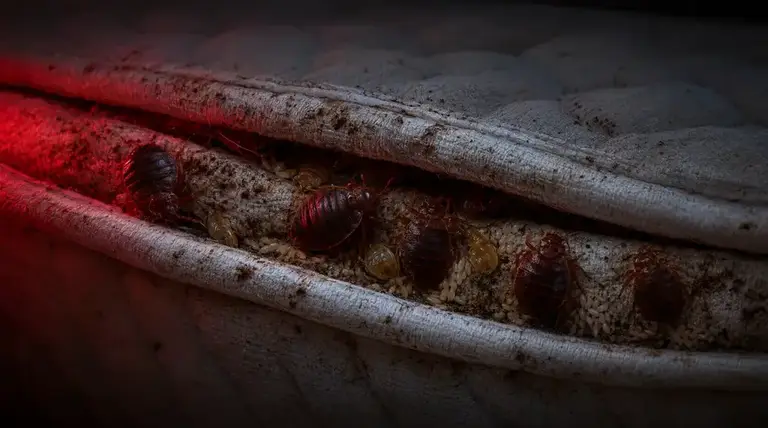
- Black spotting on seams and skirting — faecal marks spreading beyond the mattress into furniture and walls.
- Tiny pale eggs or shed skins — evidence of active breeding in crevices around the bed frame and carpet edges.
- Bugs appearing in new rooms — a sign your sprays or foggers have scattered the infestation rather than contained it.
- A musty, sweet odour — heavier infestations produce a distinctive smell from scent glands.
DIY Bed Bug Treatment vs Professional Treatment
The short version: a DIY bed bug treatment rarely kills eggs, can’t reach deep harbourage and can’t overcome insecticide resistance, while professional programs are built specifically to address all three. A female bed bug lays 200–500 eggs over her life, cementing them into cracks — and most supermarket sprays kill some adults but leave those eggs unharmed. Professionals use heat or structured multi-visit programs with rotated actives to break the cycle completely. Here’s the comparison at a glance:
| Factor | DIY | Professional |
|---|---|---|
| Kills eggs | Rarely | Yes (heat or program) |
| Reaches deep harbourage | No | Yes |
| Handles resistance | No | Yes, rotates actives |
| Follow-up | Ad hoc | Scheduled |
| Typical outcome | Rebound in weeks | Elimination |
It’s also worth understanding why the “wait them out” strategy fails. Adult bed bugs can survive for several months — sometimes longer in cooler conditions — without a blood meal, entering a dormant state until a host returns. Sealing off a spare room or leaving a holiday house empty doesn’t clear an infestation; the bugs simply wait. This also explains why a property can appear clear for weeks after a partial DIY treatment, only for bites to resume once survivors become active again.
What Bed Bug Treatment Costs in Australia (2025–26)
Across the Australian pest control industry, professional bed bug treatment typically costs between $300 and $1,500+ depending on property size, severity and method — and a DIY bed bug treatment often ends up costing more once you add up repeated retail products, foggers, encasements and replacement bedding. Foggers in particular can drive bugs deeper into wall voids and adjoining rooms, making the eventual professional job harder and dearer. Typical industry price ranges for 2025–26:
| Service | Typical industry cost (AUD) | What’s included/notes |
|---|---|---|
| Inspection and assessment | $0–$150 | Confirms species, severity and harbourage points; often credited toward treatment |
| Chemical treatment program (unit/1–2 bed) | $300–$600 | 2–3 visits spaced 2–3 weeks apart, rotated actives |
| Chemical treatment program (3–4 bed house) | $500–$900 | Multi-room coverage with scheduled follow-up |
| Whole-room heat treatment | $800–$1,500+ | Single-day kill of all life stages including eggs |
| DIY products (sprays, foggers, encasements) | $100–$400+ per round | Often repeated multiple times with diminishing results |
Choosing between methods matters as much as choosing to go professional — our breakdown of bed bug treatment: heat vs chemical explains which suits different situations, and our bed bug treatment and removal service page outlines what’s involved in a full program. Chemical treatments should always be applied by a licensed pest control technician using APVMA-registered products.
Keep in mind the figures above reflect typical Australian market rates across the industry. Aussie Pest Strike typically comes in well under these market rates for the same professional-grade treatment, so call us on [aps_phone] for an exact quote for your property.
Seasonal Bed Bug Activity in Australia
Bed bugs are active year-round indoors, but reports and breeding activity typically peak through the warmer months from late spring to early autumn. Heat speeds up their life cycle, and summer holiday travel — plus the January return of students and travellers — drives a spike in new introductions. Winter slows breeding slightly but never stops it inside heated homes.
Jan
Feb
Mar
Apr
May
Jun
Jul
Aug
Sep
Oct
Nov
Dec
Indicative activity pattern: bed bug reports and breeding peak across the warm, high-travel months (November–March) and ease through winter, though infestations persist indoors all year.
By the time most people call us, they’ve already spent a few hundred dollars on sprays and foggers — and the foggers have pushed bugs into rooms that were never infested. The single biggest mistake is treating the mattress and calling it done. Bed bugs live behind the skirting, inside the bed-head screws and in the power points, and if you don’t hit those spots with the right chemistry or heat, you’re just resetting the clock.
Skip the retail sprays. While you arrange a professional inspection, wash and hot-dry all linen at 60°C, vacuum mattress seams daily and seal the bag before binning, fit a bed-bug-proof mattress encasement, and reduce clutter around the bed. These steps cut numbers and support the professional treatment — but they won’t cure an established infestation on their own. Book a licensed pest control technician early; the sooner the program starts, the cheaper and faster the result.
Frequently Asked Questions
Why do retail bed bug sprays fail to stop an infestation?
Retail sprays kill some adult bed bugs but leave eggs untouched, and eggs hatch in as little as 6–10 days in warm Australian conditions. Because a female lays 200–500 eggs cemented into cracks, the population regenerates within weeks of spraying. Many populations are also resistant to pyrethroids, the active ingredient in most supermarket products, so even surviving adults may be unaffected.
Where do bed bugs hide that DIY treatments cannot reach?
Bed bugs have flat bodies that wedge into crevices no spray can penetrate, including skirting gaps, power points, bed-frame screw holes, picture rails and cracks along floorboards or expansion joints. Treating only the mattress misses these harbourage points entirely. Bugs hidden in wall voids and deep furniture seams survive retail sprays and foggers, then re-emerge to restart the infestation.
How quickly can a small bed bug problem become a full infestation?
In warm Australian conditions, eggs hatch in 6–10 days and the entire life cycle can complete in around a month. A female laying hundreds of eggs over her life means a few missed bugs or one egg cluster can rebuild the population within weeks. This rapid breeding is why partial DIY treatments often appear successful briefly before bites resume.
Does leaving a room empty starve bed bugs out?
No. Adult bed bugs can survive for several months without a blood meal, sometimes longer in cooler conditions, by entering a dormant state until a host returns. Sealing off a spare room or leaving a holiday house empty does not clear an infestation — the bugs simply wait. This also explains why a property can seem clear for weeks after partial treatment before bites resume.
What signs show my DIY bed bug treatment has failed?
Key warning signs include fresh bites appearing one to three weeks after spraying, which matches the egg-hatching cycle; live bugs moving in daylight, suggesting a crowded population; black faecal spotting spreading from mattress seams onto skirting and furniture; pale eggs or shed skins in crevices; bugs turning up in new rooms after fogging; and a musty, sweet odour from heavier infestations.
Why do foggers make bed bug problems worse?
Foggers drive bed bugs deeper into wall voids and adjoining rooms rather than killing them, scattering the infestation into areas that were previously unaffected. This makes the eventual professional job harder and more expensive because technicians must treat more rooms. Bugs appearing in new rooms after you have sprayed or fogged is a clear sign the treatment has spread the problem instead of containing it.
What can I do myself while waiting for professional treatment?
Wash and hot-dry all linen at 60°C, vacuum mattress seams daily and seal the bag before binning it, fit a bed-bug-proof mattress encasement, and reduce clutter around the bed. Book a licensed pest control technician early, since the sooner the program starts, the cheaper and faster the result.
When are bed bugs most active in Australian homes?
Bed bugs are active indoors year-round, but reports and breeding activity typically peak through the warmer months from late spring to early autumn, roughly November to March. Heat speeds up their life cycle, and summer holiday travel plus the January return of students and travellers drives a spike in new introductions. Winter slows breeding slightly but never stops it inside heated homes.
For Why Bed Bugs Are Nearly Impossible to Eliminate Yourself, can I check whether Aussie Pest Strike handles bed bug infestations like mine?
Yes. Aussie Pest Strike treats established bed bug infestations in homes of all types, including units, houses and properties where DIY sprays and foggers have already failed or scattered bugs into other rooms. If you are seeing fresh bites, live bugs or spotting after your own attempts, contact Aussie Pest Strike to discuss your situation and arrange an inspection for your property.
How do I get started with Aussie Pest Strike for a bed bug problem?
The practical first step is booking a licensed inspection so the species, severity and harbourage points around your beds, skirting and furniture can be confirmed. While you wait, keep washing linen at 60°C, vacuuming mattress seams daily and reducing clutter near the bed. Contact Aussie Pest Strike to describe what you have found and arrange an assessment and quote tailored to your property.
Sources & further reading
Found Something
Dangerous?
Don’t touch it. Don’t spray it. Keep kids and pets clear, take a photo from a safe distance, and call us — or book a free inspection and we’ll come to you.
02 7235 0050